Have you ever been ready to ride your bike, only to find your lock jammed and refusing to budge? It’s frustrating, isn’t it?
You might feel stuck, wasting precious time and energy trying to get your bike free. But don’t worry—unlocking a jammed bike lock isn’t as complicated as it seems. With the right approach, a little patience, and some simple tools, you can get your lock working smoothly again.
In this guide, you’ll discover easy, practical steps to unjam your bike lock quickly and safely. Stick with me, and soon you’ll be back on the road without the hassle or stress. Let’s get started!

Credit: www.reddit.com
Common Causes Of Jammed Bike Locks
Bike locks can jam for several reasons. Understanding these causes helps fix the problem quickly. Many jams come from simple issues that are easy to solve. Knowing what causes a jam can also prevent future problems.
Rust And Dirt Build-up
Rust forms when moisture stays on the lock parts. Dirt and dust also get inside the keyhole or mechanism. These block moving parts and stop the lock from turning. Locks exposed to rain or dirty environments are more likely to jam.
Lack Of Lubrication
Locks need regular lubrication to work smoothly. Without oil or lubricant, parts can stick together. Dry locks create friction that makes keys hard to turn. Using a silicone-based or graphite lubricant keeps the lock moving freely.
Frozen Lock Mechanism
Cold weather can freeze water inside the lock. Ice blocks the keyhole and stops the lock from opening. Frozen locks are common in winter or humid areas. Warm the lock gently to melt ice before trying to open it.
Worn Or Damaged Parts
Over time, lock parts wear out or break. Keys can bend, and pins inside the lock can get damaged. This wear causes the lock to jam or fail. Using the wrong key or forcing the lock can cause damage.
Choosing The Right Lubricant
Choosing the right lubricant is key to fixing a jammed bike lock. The right type helps the lock parts move smoothly. It stops rust and dirt from causing more trouble. Using the wrong lubricant can make the problem worse. Here are the best choices for your bike lock.
Silicone-based Lubricants
Silicone-based lubricants work well for bike locks. They do not attract dust or dirt. These lubricants stay wet longer and protect the lock from moisture. Spray a small amount into the keyhole or shackle area. Move the key or shackle gently to spread the lubricant inside. This helps the lock parts slide freely again.
Graphite Powder Benefits
Graphite powder is a dry lubricant perfect for locks. It does not drip or run like liquids. The powder coats the metal surfaces and reduces friction. You can puff it into the keyhole or around the locking mechanism. Graphite powder is long-lasting and keeps locks working well without making a mess.
Avoiding Oil-based Products
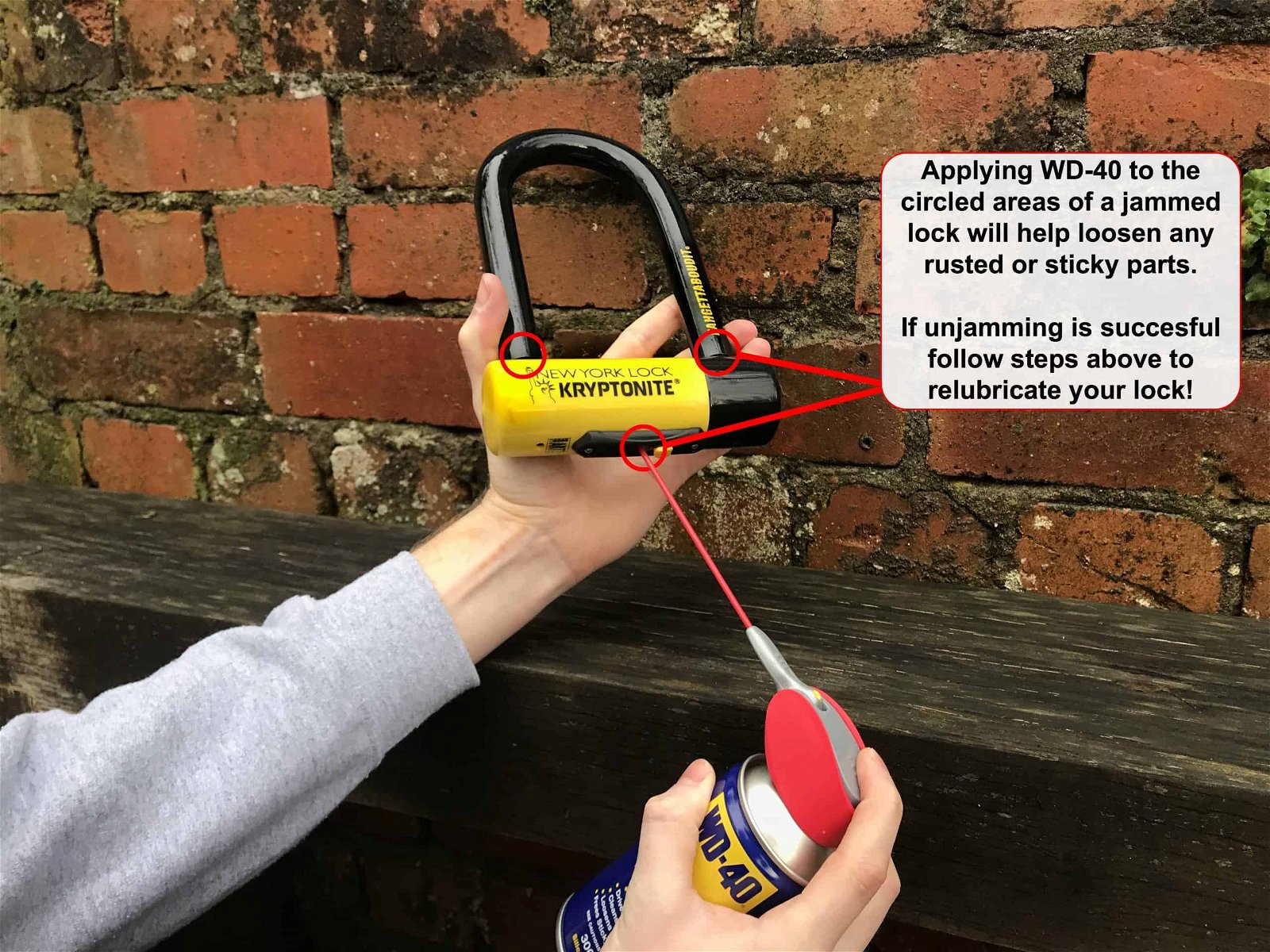
Oil-based lubricants are not good for bike locks. They attract dust, dirt, and grime. This buildup can clog the lock and make jamming worse. Oils also become sticky over time. Avoid using cooking oil, WD-40, or motor oil on your bike lock. Stick to dry or silicone-based lubricants for the best results.
Step-by-step Lubrication Process
The step-by-step lubrication process is essential for freeing a jammed bike lock. Proper lubrication reduces friction inside the lock mechanism. This helps the key move smoothly and unlock the bike. Using the right lubricant and technique is key to success.
Follow these simple steps carefully. They improve the lock’s performance and prevent future jams. Patience and gentle handling protect your lock from damage.
Applying Lubricant To Keyhole
Choose a silicone-based lubricant or graphite powder. Avoid oil-based lubricants, as they attract dirt. Insert the lubricant into the keyhole in small amounts. A spray with a thin nozzle works well. Let the lubricant settle for a few minutes before proceeding.
Working The Key Gently
Insert the key slowly into the lock. Move it back and forth gently to spread the lubricant. Do not force the key, as this may cause more damage. Repeat this action several times. The lubricant loosens the internal parts for smoother movement.
Tapping The Lock To Distribute Lubricant
Tap the lock lightly with your hand or a small tool. This helps the lubricant reach deep inside the mechanism. Avoid strong hits that could harm the lock. After tapping, work the key again to check if it turns easily. Repeat the process until the lock opens smoothly.
Techniques For Combination Locks
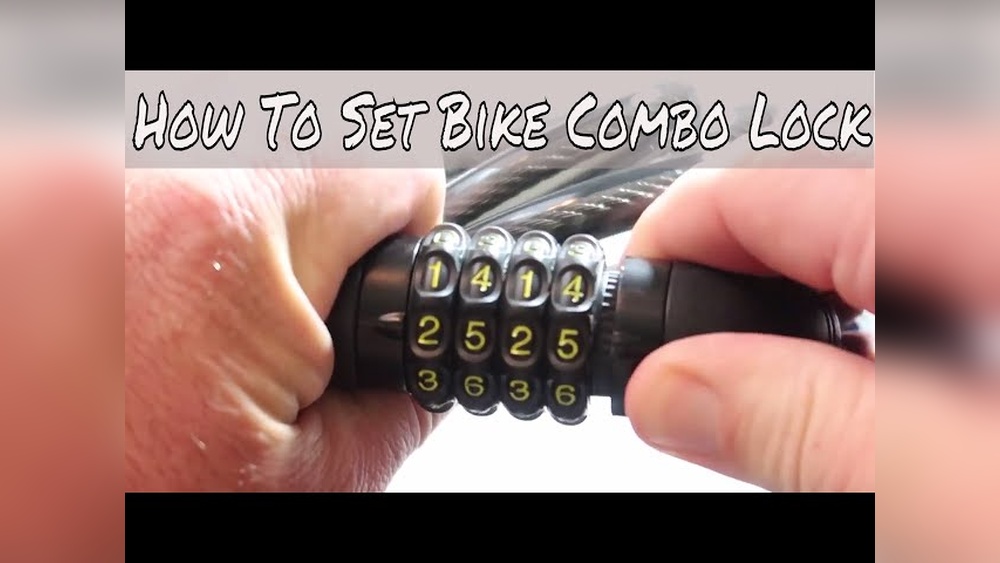
Combination bike locks can jam due to dirt, rust, or misaligned dials. Fixing them requires patience and careful handling. Using correct techniques helps free the lock without damage. Focus on how the lock’s parts move and interact. Try gentle actions to ease the mechanism back to working order.
Applying Tension On The Shackle
Hold the lock firmly and pull the shackle slightly. Apply light tension while turning the dials. This tension helps the internal parts align properly. Avoid pulling too hard to prevent damage. Keep steady pressure as you move the dials. This technique often frees stuck parts inside.
Identifying The Binding Wheel
Slowly turn each dial and feel for resistance. The binding wheel is the dial that moves with more difficulty. It usually causes the lock to jam. Focus on this dial and try to move it gently. Releasing tension on this wheel often frees the lock mechanism. Take your time and feel the subtle changes.
Setting Each Dial Correctly
Start with the first dial and slowly turn it through all numbers. Stop when the dial feels tighter or clicks slightly. Move to the next dial and repeat the process. Each dial must be set where it naturally fits. This step-by-step approach helps find the right combination. Work patiently to avoid forcing the lock.
Systematically Trying Final Numbers
If the combination is unknown, try numbers near the last known code. Change one dial at a time while keeping others fixed. Test each setting by applying tension on the shackle. This method narrows down the correct combination. Keep notes to avoid repeating numbers. Consistency and calmness improve success chances.
Resetting Jammed Combination Locks
Resetting jammed combination locks can free your bike lock quickly. This method works well if the lock’s dials are stuck or the combination is lost. Resetting lets you set a new code and regain access. Follow simple steps to find the reset button, press it, and choose a new combination.
Locating The Reset Button
Most combination locks have a small reset button or lever. Look closely near the dials or on the lock’s side. Sometimes it’s hidden under a cover or inside the shackle hole. Use a flashlight for better visibility. Knowing the reset button’s location is key to starting the reset process.
Using Tools To Press Reset
The reset button is often small and hard to press with fingers. Use a thin tool like a paperclip or a pin. Insert the tool gently and press the button firmly. Hold it down while you set the new combination. Avoid using too much force to prevent damage to the lock.
Setting A New Combination
Turn the dials to your desired new code while holding the reset button. Choose numbers easy for you to remember but hard for others. Double-check each number to avoid errors. After setting the code, release the reset button carefully. Your new combination is now saved in the lock.
Testing And Saving The Reset
Test the new combination by locking and unlocking the bike lock several times. Confirm the dials turn smoothly without sticking. Make sure the lock opens only with the new code. Write down the combination in a safe place. This prevents future lockouts and keeps your bike secure.

Credit: www.youtube.com
Fixes For U-lock Jams
Knowing when to seek professional help is important for a jammed bike lock. Sometimes, trying to fix it alone may cause more damage. Professionals have the right tools and skills to open stuck locks safely.
Calling a locksmith or bike shop can save time and prevent frustration. They can also advise if the lock needs replacing. Avoid forcing the lock, as it might break the key or the lock itself.
Signs Your Bike Lock Needs Expert Attention
If the lock does not respond after lubrication and gentle attempts, it may be time to call a professional. Keys that bend or break easily in the lock are a warning sign. Also, if the lock mechanism feels stiff or jammed beyond normal resistance, expert help is needed.
Risks Of Trying To Fix Complex Lock Problems Yourself
Forcing a jammed lock can cause permanent damage. Broken keys inside the lock make it harder to open later. Damaged locks might not secure your bike properly. Professionals reduce these risks with proper techniques.
How Professionals Can Safely Unjam Your Bike Lock
Locksmiths use special tools to open stuck locks without damage. They can remove broken keys and clean or repair the lock mechanism. Professionals also provide advice on lock maintenance to prevent future jams.
When To Seek Professional Help
Preventing future jam issues helps keep your bike lock working smoothly. Simple habits protect your lock from dirt, rust, and wear. These steps save time and avoid frustration. Follow these easy tips for longer lock life and trouble-free use.
Regular Maintenance Tips
Clean your lock regularly to remove dirt and dust. Use a soft brush or cloth for cleaning. Apply a dry lubricant, like graphite powder, inside the keyhole and moving parts. Avoid oil-based lubricants; they attract dirt. Work the key in and out to spread lubricant evenly. Check the lock for rust and wipe it off quickly. Doing this every few months keeps the lock smooth and reliable.
Proper Storage Practices
Store your bike and lock in a dry place. Avoid leaving the lock outside in rain or snow. Moisture causes rust and jams. If you must leave the lock outdoors, cover it with a waterproof bag. Remove the lock from the bike if you expect bad weather. Keep the lock away from direct sunlight to prevent damage. Proper storage stops rust and keeps the lock easy to use.
Choosing Durable Locks
Pick locks made from strong, weather-resistant materials. Stainless steel or hardened steel locks resist rust and damage. Check for locks with sealed keyholes to block dirt and water. Look for brands with good reviews on durability. A quality lock reduces the chance of jamming and lasts longer. Investing in a tough lock saves effort and money over time.
Credit: www.bikelockwiki.com
Frequently Asked Questions
How Do You Unjam A Jammed Lock?
Apply a silicone-based lubricant or graphite powder into the keyhole. Gently work the key in and out to distribute it. Avoid oil-based lubricants as they attract dirt. If stuck, gently wiggle the lock while applying slight tension until it frees.
How Do You Fix A Jammed Combination Lock?
Lubricate the lock with graphite powder or light oil. Apply gentle tension on the shackle. Slowly turn dials to find the binding wheel. Set each dial at the click or slight movement. Repeat until the lock opens. Seek professional help if it remains jammed.
Can I Use Wd-40 On Bike Lock?
Avoid using WD-40 on bike locks; it attracts dirt and grime, causing jams. Use graphite powder or silicone-based lubricants instead.
Who To Call If A Bike Lock Is Stuck?
Call a professional locksmith for a stuck bike lock. They have tools and skills to unlock without damage. Avoid forcing the lock to prevent breakage.
Conclusion
A jammed bike lock can be frustrating but fixable. Use a dry lubricant like graphite powder to ease stuck parts. Gently work the key or dials while applying light tension. Listen and feel for small clicks that help find the right combination.
Avoid forcing the lock to prevent damage. Patience and careful steps often solve the problem. When these tips don’t work, consider asking a locksmith for help. Keeping your lock clean and lubricated helps prevent future jams. Stay calm, and your bike lock will work smoothly again.