
Have you ever stopped to think about how secure your folding bike lock really is? You rely on it to keep your bike safe, but can it actually be broken?
Understanding the weaknesses of your lock could save you from a costly loss and a lot of frustration. You’ll discover the truth about folding bike locks, learn what makes them vulnerable, and find out how to protect your bike better.
Keep reading—you might be surprised by what you don’t know.
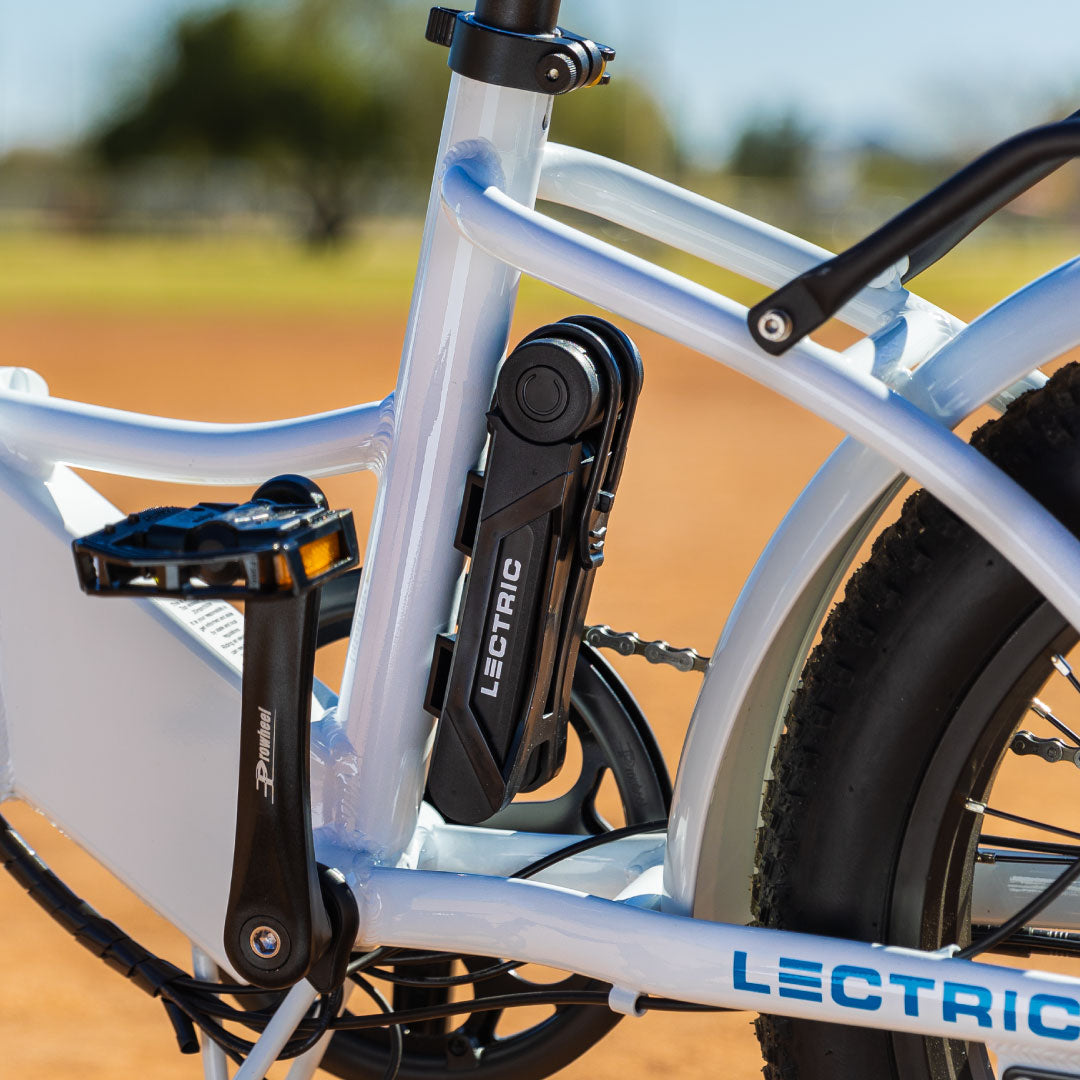
Credit: lectricebikes.com
Types Of Folding Bike Locks
Folding bike locks offer a compact way to secure your bike. They balance portability and protection. Different types vary in strength and design. Understanding these types helps you choose the right lock for your needs.
Materials Used
Strong materials make folding locks tough to break. Most use hardened steel for durability. Steel resists cutting and sawing tools. Some locks include alloy parts for lighter weight. Coatings like plastic protect your bike’s paint. The right material affects both security and ease of use.
Locking Mechanisms
Locking methods affect how safe your bike stays. Common types include key locks and combination locks. Key locks use a physical key for opening. Combination locks need a code to unlock. Some locks have double locking points for extra security. The mechanism type can impact how quickly you lock and unlock your bike.
Common Security Myths
Many people believe folding bike locks are unbreakable. This idea creates a false sense of safety. It is important to understand common myths about these locks. Knowing the truth helps protect your bike better.
Myth Of Invincibility
Some think folding bike locks cannot be broken. This is not true. Thieves use tools like bolt cutters or hammers. Even strong locks can fail under enough force. No lock is completely invincible. Always expect some risk.
Misconceptions About Lock Strength
People often confuse lock weight with strength. A heavy lock does not mean it is stronger. Some light locks use tough materials and smart design. Others are heavy but easy to cut. Check lock ratings and user reviews. Choose locks tested for real-world use.
Methods Thieves Use To Break Locks
Thieves use several methods to break folding bike locks. Understanding these helps you choose better security. They often use tools and tricks to defeat locks quickly. Knowing these methods can help you protect your bike.
Cutting Tools
Cutting tools are common for breaking folding bike locks. Thieves use bolt cutters to cut through metal links. Some use angle grinders for tougher locks. These tools can break weak locks in seconds. Stronger materials resist cutting better.
Picking Techniques
Picking involves manipulating the lock mechanism without damage. Thieves use picks and tension wrenches to open locks. This method takes skill but leaves no marks. Cheap locks are easier to pick than high-quality ones. Locks with complex mechanisms resist picking attempts.
Force Attacks
Force attacks use brute strength to break locks. Thieves hit, twist, or pull locks until they fail. Folding locks with weak joints break under pressure. Solid locks can absorb force better. Force attacks are noisy and take more time.

Credit: www.reddit.com
Testing Folding Bike Locks
Testing folding bike locks helps us understand their safety and limits. It shows if a lock can stop thieves or if it breaks easily. Different tests reveal how strong the locks are under pressure. These tests include controlled lab work and real-life use. Both give valuable information on lock quality.
Laboratory Assessments
Laboratory assessments use machines to test lock strength. Experts try cutting, pulling, and twisting the locks. They measure how much force the lock can handle before breaking. Tests simulate common attack tools like bolt cutters. Lab tests provide exact numbers on lock durability. They help compare different folding bike locks fairly. The lab setting controls all factors for accuracy.
Real-world Scenarios
Real-world scenarios test locks outside the lab. People lock their bikes in busy places for hours or days. Some tests involve thieves trying to break the lock. These tests show how locks perform in real conditions. Weather, time, and human skill affect lock security here. Real tests reveal practical strengths and weaknesses. They help buyers choose locks that work well in daily life.
Improving Lock Security
Improving the security of your folding bike lock helps protect your bike from theft. Thieves often try to break weak locks. Strong locks and smart use make stealing harder. Follow these tips to keep your bike safe.
Choosing The Right Lock
Pick a lock made of tough materials like hardened steel. Avoid thin or cheap locks. Look for locks with good reviews and high security ratings. A strong lock resists cutting and picking better.
Proper Locking Techniques
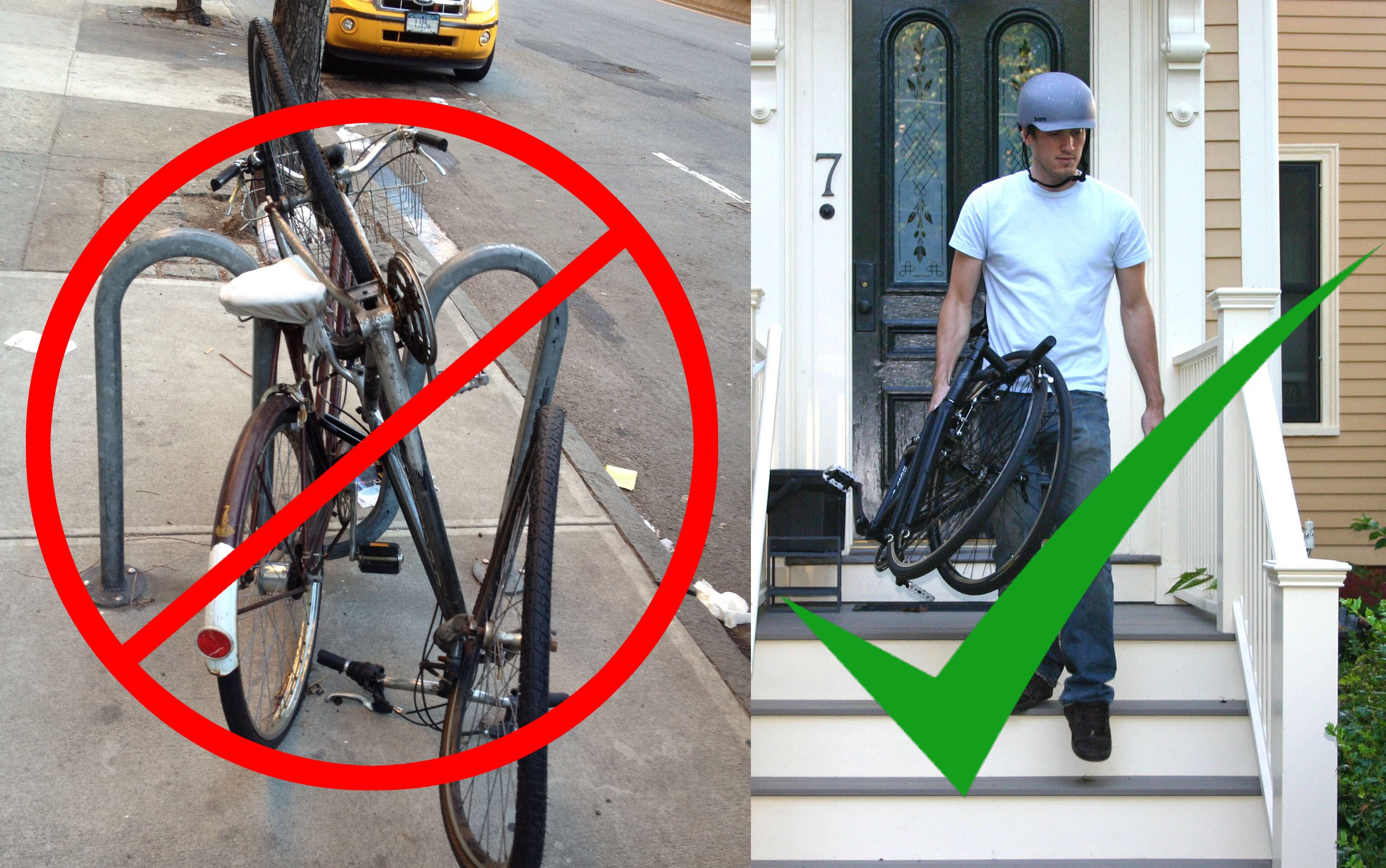
Lock your bike frame and both wheels to a solid object. Avoid locking only the wheel or quick-release parts. Position the lock where thieves cannot reach tools easily. Tighten the lock to reduce wiggle space.
Additional Security Measures
Use two different types of locks for better protection. Park your bike in well-lit, busy areas. Remove valuable accessories or take them with you. Register your bike to help recover it if stolen.
Credit: www.montaguebikes.com
Alternatives To Folding Bike Locks
Folding bike locks provide convenience but may not always offer the best security. Choosing the right lock helps keep your bike safe. Different types of locks suit various needs and offer strong protection. Below are some popular alternatives to folding bike locks.
U-locks
U-locks are solid and tough. They resist cutting and leverage attacks well. Their rigid shape makes it hard for thieves to bend or break them. Many models fit easily on bike frames. They are reliable for securing your bike in public places.
Chain Locks
Chain locks combine flexibility and strength. They wrap around poles or bike racks with ease. Thick, hardened chains resist cutting tools. Choose a chain with a heavy-duty lock for better security. Chains are heavier but provide good protection against theft.
Smart Locks
Smart locks offer keyless convenience and advanced features. Many use Bluetooth or app control to lock and unlock. Some send alerts if your bike is moved. They combine technology and security for modern cyclists. Battery life and durability vary by model.
Frequently Asked Questions
Can Folding Bike Locks Be Easily Broken?
Folding bike locks are designed for convenience, but some can be broken with heavy tools. Their security depends on materials and build quality. High-end models resist cutting and leverage attacks better than cheaper ones. Always choose locks with hardened steel for improved protection.
What Tools Can Break Folding Bike Locks?
Common tools used to break folding bike locks include bolt cutters, angle grinders, and crowbars. Lower-quality locks are vulnerable to these tools. Investing in a lock made from hardened steel and advanced locking mechanisms reduces the risk of breakage.
Are Folding Bike Locks Safer Than Cable Locks?
Yes, folding bike locks are generally safer than cable locks. They offer better resistance to cutting and leverage attacks. Their rigid design adds security, while cable locks are often easily cut. However, the security level varies by lock quality and materials used.
How To Increase Folding Bike Lock Security?
To enhance folding bike lock security, use additional locking methods like U-locks or chains. Park your bike in well-lit, busy areas. Secure both frame and wheels. Regularly inspect the lock for wear or damage. High-quality locks with hardened steel are vital for protection.
Conclusion
Folding bike locks offer good protection but are not unbreakable. Thieves with the right tools and time can break many locks. Choosing a sturdy lock and using it properly helps keep your bike safe. Always lock your bike in busy, well-lit areas.
Remember, no lock is perfect, but smart choices reduce risk. Stay cautious and protect your bike as best you can.


