You’ve invested time and money into your bike, so keeping it safe should be a top priority. But how do you make sure your bike stays exactly where you left it?
Cable locks are a popular and practical solution, but using one the right way is key to preventing theft. You’ll discover simple, effective steps to cable lock your bike like a pro. By the time you finish reading, you’ll feel confident that your bike is secure—giving you peace of mind every time you park it.
Let’s get started!

Credit: www.abus.com
Choosing The Right Cable Lock
Choosing the right cable lock is key to protecting your bike. A good lock stops thieves and gives peace of mind. Not all cable locks are the same. Understanding the types, materials, and locking mechanisms helps you pick the best one. This guide breaks down what matters most.
Types Of Cable Locks
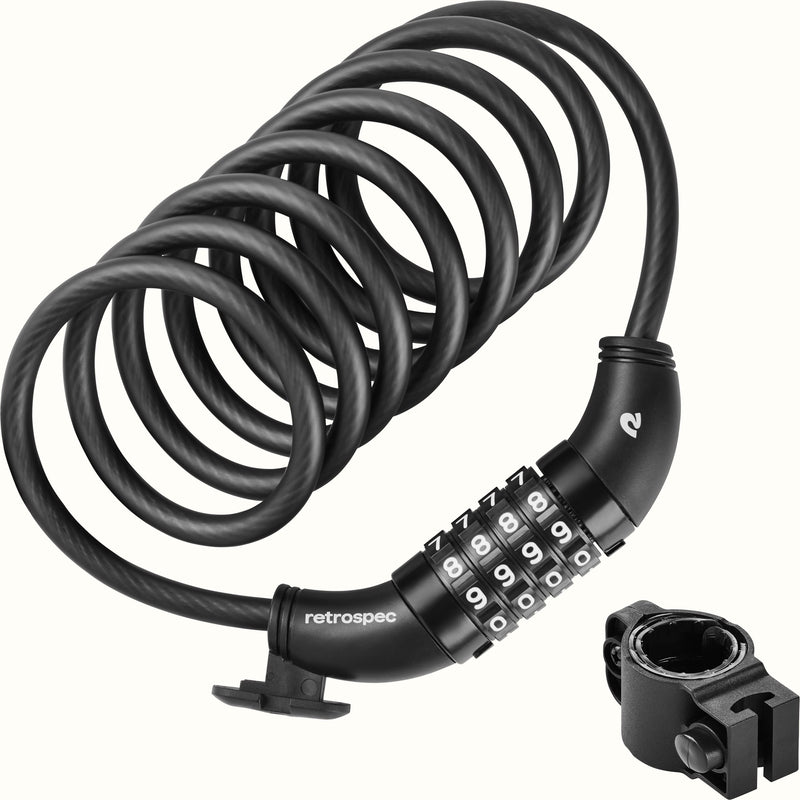
Cable locks come in several styles. The most common are straight cables and coiled cables. Straight cables are long and flexible. They wrap around bike frames and poles easily. Coiled cables are shorter but stretch like a spring. They are easy to carry and store. Some cable locks have a combination lock. Others use keys. Choose the style that fits your needs.
Material And Thickness
Material affects strength and durability. Most cables use steel wires inside a plastic cover. Steel resists cutting and twisting. Thicker cables are harder to break. Thin cables are light but less secure. Look for cables at least 8mm thick. Plastic covers protect against rust and scratches. A strong, thick cable lasts longer and keeps your bike safer.
Locking Mechanism Options
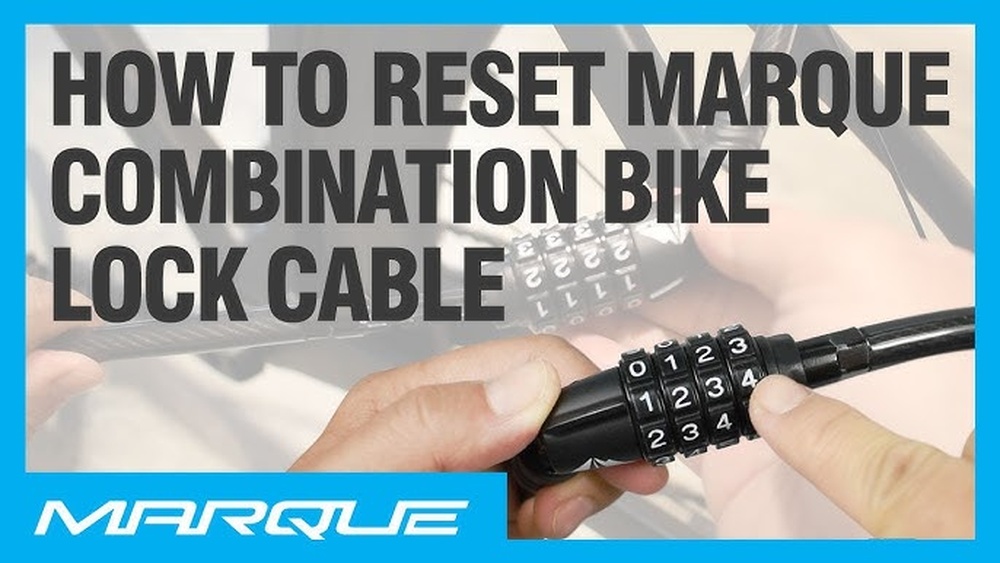
Locking systems vary. Key locks need a physical key to open. They are simple and reliable. Combination locks use numbers or letters. No key needed but can be cracked by experts. Some locks have resettable codes for convenience. Pick a locking mechanism that fits your lifestyle. Easy to use and secure is best.

Credit: thebestbikelock.com
Preparing Your Bike For Locking
Preparing your bike for locking is the first step to keeping it safe. A well-prepared bike can stop thieves from getting easy access. It means choosing the right place and setting your bike in a way that makes locking simple and strong.
Selecting A Secure Location
Pick a busy place with many people around. Thieves avoid crowded areas. Look for bike racks that are well-lit and visible. Avoid isolated spots or dark corners. Choose a location where your bike is clear to see from shops or streets.
Positioning Your Bike Properly
Place your bike close to the rack or pole. Make sure it does not lean on the ground. Lock the frame, not just the wheels. Position the lock so it is hard to reach with tools. Keep the bike stable and upright to avoid easy theft.
Step-by-step Locking Process
Securing your bike with a cable lock is simple but very important. Follow these steps carefully to keep your bike safe. Each step helps protect different parts of your bike from theft.
Threading The Cable Through The Frame
Start by taking the cable and threading it through the bike’s frame. Make sure the cable goes through the main triangle of the frame. This helps protect the most valuable part of your bike. Avoid only locking the wheel, as thieves can remove other parts easily.
Securing The Wheels
Next, loop the cable through both wheels. Front and back wheels are easy targets for thieves. Threading the cable through the spokes keeps them attached to the bike. This step adds extra protection and makes stealing the wheels harder.
Attaching To A Fixed Object
Finally, lock the cable around a fixed, sturdy object. Use a bike rack, metal post, or a strong fence. Make sure the object cannot be moved or cut easily. Position the lock close to the ground to stop thieves from using tools underneath it.
Tips For Maximum Security
Keeping your bike safe requires smart locking habits. Simple steps can greatly boost security. Use these tips to protect your bike better every time you lock it.
Small changes make a big difference in stopping thieves. Focus on avoiding mistakes, adding extra locks, and checking your gear often.
Avoiding Common Mistakes
Many riders lock only the wheel. Thieves easily remove the wheel and steal the rest. Always lock the frame and a wheel to a solid object. Do not lock your bike to something that can move or break. Avoid loose locks that allow twisting or pulling. Tighten your lock so the bike cannot wiggle free.
Using Multiple Locks
Using two different locks slows down thieves. Combine a cable lock with a U-lock for better safety. Lock the frame with one and the wheels with the other. Different lock types need different tools to break. This forces thieves to spend more time and effort. More time means less chance they will steal your bike.
Regularly Inspecting Your Lock
Locks wear out from weather and use. Check your lock often for rust or damage. Replace locks that do not close tightly or show signs of wear. A weak lock is easy to break. Keep your lock clean and lubricated to work smoothly. Regular checks help keep your bike secure all year.
Maintaining Your Cable Lock
Maintaining your cable lock keeps it strong and working well for longer. Dirt, rust, and bad storage can break your lock. Regular care helps your lock stay safe and easy to use. Small actions make a big difference in lock life.
Cleaning And Lubrication
Clean your cable lock often to stop dirt build-up. Use a soft cloth and mild soap with water. Avoid harsh chemicals that can damage the lock surface.
Lubricate the lock mechanism to keep it smooth. Apply a small amount of oil inside the keyhole and on moving parts. Turn the key several times to spread the oil evenly.
Wipe off extra oil to avoid dust sticking. Clean and lubricate every few months or after rain and dirt exposure.
Storage Tips To Extend Lifespan
Store your cable lock in a dry place to prevent rust. Avoid leaving it outside where rain or snow can reach it. Moisture causes metal parts to corrode and weaken.
Keep the lock away from direct sunlight to protect plastic covers. Heat can make plastic brittle and crack over time.
Coil the cable loosely to avoid bends and kinks. Tight bends can break the cable inside its cover. Proper storage helps your lock last many years.
Alternatives To Cable Locks
Cable locks are popular for bike security. They are light and easy to carry. Still, cable locks have some weaknesses. Thieves can cut them with the right tools. Many cyclists choose other options for better safety. Here are some effective alternatives to cable locks.
U-locks And Chain Locks
U-locks offer strong protection. Their solid metal frame resists cutting and prying. They are harder to break than cable locks. U-locks work best on sturdy bike parts. Chains are another strong option. Thick, heavy chains are difficult to cut. They often come with a tough lock. Chains give flexibility in locking spots. Both U-locks and chains add good security.
Smart Locks And Alarms
Smart locks use technology to secure bikes. Some connect to a phone app for easy use. They can send alerts if someone tries theft. Alarms add noise to scare off thieves. Loud alarms draw attention quickly. These locks combine convenience with security. Smart locks and alarms give extra peace of mind.
Credit: retrospec.com
Frequently Asked Questions
What Is The Best Way To Cable Lock A Bike?
Secure the frame and both wheels to a solid object using a strong cable lock. Loop the cable through the frame and wheels to prevent theft effectively.
How Tight Should A Bike Cable Lock Be?
The cable lock should be tight enough to minimize slack. This prevents thieves from easily twisting or cutting the cable. Ensure it is snug but not damaging the bike.
Can Cable Locks Protect Against All Bike Thefts?
Cable locks deter casual thieves but may not stop determined ones. For high-risk areas, combine cable locks with U-locks or heavy-duty chains for better protection.
Where Should I Lock My Bike With A Cable Lock?
Always lock your bike to a fixed, immovable object in a well-lit, busy area. Avoid weak or removable objects that thieves can easily tamper with.
Conclusion
Securing your bike with a cable lock keeps it safe and sound. Choose a strong lock and wrap it tightly around the frame and a fixed object. Make sure the lock is off the ground to avoid easy cutting. Double-check that it clicks and locks firmly before leaving.
Regular practice helps you lock your bike quickly and correctly. A little effort can protect your bike from theft every day. Stay safe and enjoy your rides with peace of mind.