
Are you wondering if you can do Bodypump with dumbbells instead of a barbell? Maybe you don’t have access to a full gym setup, or you prefer working out at home.
The good news is, you might be closer to a great Bodypump workout than you think. Using dumbbells can still give you a powerful, full-body exercise session. But how do you make it work? Keep reading, and you’ll discover simple tips and smart adjustments to get the most from your dumbbells—so you can build strength, burn calories, and enjoy every workout.

Credit: www.fitkituk.com
What Is Bodypump
Bodypump is a popular group fitness class. It focuses on strength and endurance training. The workout uses light to moderate weights with many repetitions. The goal is to tone muscles and burn calories.
Participants follow a set routine with music. The exercises target all major muscle groups. This helps build balanced strength and improve overall fitness. Bodypump is suitable for all fitness levels.
How Bodypump Works
Bodypump combines weightlifting and cardio. Classes last about 45 to 60 minutes. Each session includes tracks for legs, chest, back, and arms. The instructor guides the group through each move.
The weights used are usually barbells and weight plates. Movements include squats, presses, rows, and lifts. The pace is steady and controlled. This helps maintain good form and reduce injury risk.
Benefits Of Bodypump
Bodypump improves muscle tone and strength. It increases endurance and calorie burn. The group setting boosts motivation and energy. Regular practice can enhance posture and bone health. It also supports weight management and mental well-being.
Bodypump Equipment
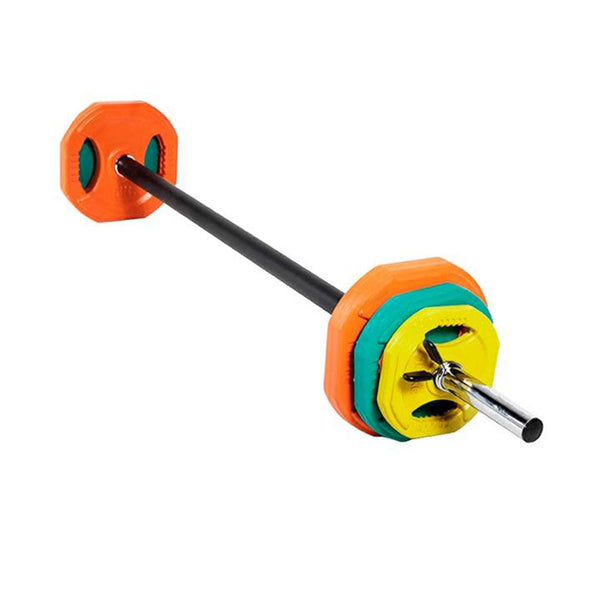
The main equipment is a barbell with adjustable weights. Some classes may allow dumbbells as an alternative. Mats and steps might be used for floor exercises. Proper shoes and comfortable clothes are recommended.
Dumbbells Vs Barbells
Choosing between dumbbells and barbells for Bodypump shapes your workout experience. Each tool changes how your muscles work and how you control your movements. Understanding their differences helps you pick the right one for your fitness goals.
Differences In Equipment
Dumbbells are single weights held in each hand. They allow separate arm movement. Barbells are a long bar with weights on both ends. Both hands hold the bar together. Dumbbells offer more freedom of motion. Barbells provide more stability during lifts.
Impact On Workout Effectiveness
Dumbbells improve muscle balance and coordination. They activate smaller muscles for control. Barbells let you lift heavier weights safely. This builds strength faster. Dumbbells are better for joint safety and flexibility. Barbells are ideal for adding muscle mass quickly.
Benefits Of Using Dumbbells
Dumbbells add many benefits to Bodypump workouts. They help improve strength and control. Using dumbbells can make exercises safer and more effective. Many people find dumbbells easier to use at home or in small spaces.
Here are some key benefits of using dumbbells in your Bodypump routine.
Increased Range Of Motion
Dumbbells allow a wider range of motion than machines or bars. This means your muscles stretch and contract more fully. A better range of motion improves flexibility and muscle growth. It also helps reduce joint stiffness and injury risk.
Improved Muscle Balance
Dumbbells work each side of the body separately. This prevents one side from becoming stronger than the other. Balanced muscles improve posture and reduce pain. Dumbbells also train smaller stabilizer muscles. These muscles support joints and improve overall strength.
Versatility In Exercises
Dumbbells allow many types of exercises in one workout. You can do presses, curls, rows, and squats with them. This variety keeps workouts interesting and targets many muscle groups. Dumbbells also let you change weight easily. This suits different fitness levels and goals.
Credit: strongerwellness.com
Adapting Bodypump With Dumbbells
Adapting Bodypump workouts using dumbbells is a smart way to bring this popular fitness routine into your home. Dumbbells offer flexibility and allow you to perform many Bodypump moves without needing a barbell. This approach helps maintain the intensity and effectiveness of the workout.
Using dumbbells lets you work on strength and endurance. It also makes it easier to adjust exercises to your fitness level. Below are tips to modify key exercises, adjust weight and reps, and keep proper form.
Modifying Key Exercises
Some Bodypump exercises need slight changes when using dumbbells. For squats, hold dumbbells at your sides instead of a barbell on your shoulders. For chest presses, lie on a bench or the floor and press dumbbells upward. Replace barbell deadlifts with dumbbell deadlifts by holding dumbbells in front of your legs.
Adjusting Weight And Reps
Dumbbells usually weigh less than barbells. Choose weights that challenge your muscles but allow full movement. Increase reps if the weight feels light. Lower reps if the weight feels heavy. Track your progress by noting the weight and number of reps.
Maintaining Proper Form
Good form is key to prevent injury and get results. Keep your back straight during lifts. Engage your core muscles at all times. Move slowly and with control, especially when lowering dumbbells. Stop if you feel pain or discomfort. Proper form helps you gain strength safely.
Common Mistakes To Avoid
Doing Bodypump with dumbbells is effective but requires care. Avoiding common mistakes helps you get better results and prevents injury. Keep focus on form and technique to maximize your workout benefits.
Overloading Weights
Choosing weights that are too heavy causes poor form. It increases the chance of injury. Use weights that you can control for all reps. Gradually increase weight as your strength improves.
Neglecting Warm-ups
Skipping warm-ups puts your muscles at risk. Warm-ups prepare your body for exercise. Spend 5-10 minutes on light cardio and stretching before starting. This reduces soreness and injury risk.
Ignoring Muscle Imbalances
Muscle imbalances happen when some muscles are stronger than others. This causes poor posture and increases injury risk. Include exercises that target weaker muscles evenly. Balance your workout to build strength equally.
Creating A Dumbbell Bodypump Routine
Creating a dumbbell Bodypump routine allows you to enjoy the benefits of this popular workout at home or anywhere. It offers flexibility and control over your training. With just a set of dumbbells, you can target all major muscle groups. This routine focuses on strength, endurance, and fat burning.
The key is to follow a structured plan. It helps keep your workout balanced and effective. Also, you can adjust the weights and reps as you improve. Proper rest and recovery are essential for muscle growth and avoiding injury.
Sample Workout Plan
Start with a warm-up of 5 to 10 minutes of light cardio. Then, perform the following exercises:
- Squats with dumbbells – 3 sets of 12 reps
- Chest press lying on the floor – 3 sets of 12 reps
- Bent-over rows – 3 sets of 12 reps
- Shoulder press – 3 sets of 12 reps
- Deadlifts – 3 sets of 12 reps
- Bicep curls – 3 sets of 15 reps
- Tricep kickbacks – 3 sets of 15 reps
- Core plank hold – 3 sets of 30 seconds
Finish with a cool-down stretch to relax your muscles.
Progression Tips
Increase the dumbbell weight gradually. This helps build strength without risking injury. Add one or two more reps to each set over time. Try to reduce rest time between sets for more intensity. Change exercises every 4 to 6 weeks to avoid plateaus. Track your progress to stay motivated and focused.
Recovery And Rest Days
Rest days let muscles repair and grow stronger. Aim for at least two rest days per week. Use light activity like walking or stretching on these days. Get enough sleep to support recovery. Drink water and eat protein-rich foods to nourish muscles. Avoid overtraining to prevent fatigue and injury.
Safety Tips For Dumbbell Workouts
Using dumbbells in Bodypump workouts can boost strength and muscle tone. Safety is key to avoid injuries and get the best results. Follow clear safety tips to keep your sessions effective and safe.
Proper Grip And Handling
Hold dumbbells firmly but not too tight. A strong grip prevents slipping during exercises. Keep wrists straight to avoid strain. Use both hands when lifting heavy weights. Check dumbbells for damage before use.
Avoiding Injuries
Warm up before lifting to prepare muscles. Start with light weights to learn correct form. Increase weight slowly over time. Keep movements smooth and controlled. Stop immediately if you feel sharp pain.
Listening To Your Body
Notice how your body feels during workouts. Rest if you feel tired or sore. Do not push through pain or discomfort. Take breaks between sets to recover. Adjust exercises to fit your strength level.
Tracking Progress And Results
Tracking your progress and results during Bodypump workouts with dumbbells helps you stay motivated. It shows how much you improve and guides your next steps. Paying attention to key areas like strength, endurance, and goal adjustment makes your training more effective and rewarding.
Measuring Strength Gains
Track the weight of dumbbells you lift in each exercise. Note how many reps you complete with good form. Increase weights gradually as you feel stronger. Keep a journal or use an app to record this data. Seeing numbers grow proves your muscles are getting stronger.
Monitoring Endurance
Check how long you can keep up with the workout pace. Notice if you feel less tired after each session. Track the number of sets and reps without resting too much. Improving endurance helps you finish Bodypump classes more easily. It also reduces muscle fatigue and boosts energy.
Adjusting Goals
Set small, clear goals based on your strength and endurance progress. Change your targets if you reach them quickly or feel stuck. Make goals realistic and specific, like lifting a heavier dumbbell or adding more reps. Adjusting goals keeps you focused and avoids burnout.

Credit: www.youtube.com
Frequently Asked Questions
Can I Replace Barbells With Dumbbells In Bodypump?
Yes, you can use dumbbells instead of barbells in Bodypump. Dumbbells offer more range of motion and engage stabilizer muscles. They are ideal if you lack access to a barbell. Adjust weights to maintain proper form and intensity.
Are Dumbbells Effective For Bodypump Workouts?
Dumbbells are effective for Bodypump as they target similar muscle groups. They improve muscle balance and coordination. Using dumbbells can increase workout variety and challenge your muscles differently than barbells.
How To Modify Bodypump Moves Using Dumbbells?
Modify Bodypump moves by holding one dumbbell in each hand. Adjust grips and angles for exercises like squats, presses, and curls. Focus on controlled movements to maintain proper technique and avoid injury.
What Weight Dumbbells Are Suitable For Bodypump?
Choose dumbbells that allow you to complete sets with good form and moderate fatigue. Typically, 5 to 20 pounds work well depending on your strength and the exercise. Increase weight gradually as you build endurance.
Conclusion
You can use dumbbells for Bodypump workouts safely and effectively. Choose weights that match your strength to avoid injury. Dumbbells offer great flexibility and help target different muscles. Remember to keep good form throughout your exercises. Consistency and proper rest improve your results over time.
Bodypump with dumbbells is a good way to build strength and endurance. Try it at home or in the gym to fit your schedule. Stay patient and enjoy the progress you make each session.


