Are push ups better than dumbbells? If you’ve ever wondered which workout gives you more bang for your buck, you’re not alone.
You want to build strength, tone your muscles, and get results—but with so many options, it’s hard to know where to start. What if the answer lies not in choosing one over the other, but in understanding how each can work for your body and goals?
Keep reading, because by the end of this article, you’ll know exactly how to make the best choice for your fitness journey.
Credit: asfms.org
Benefits Of Push Ups
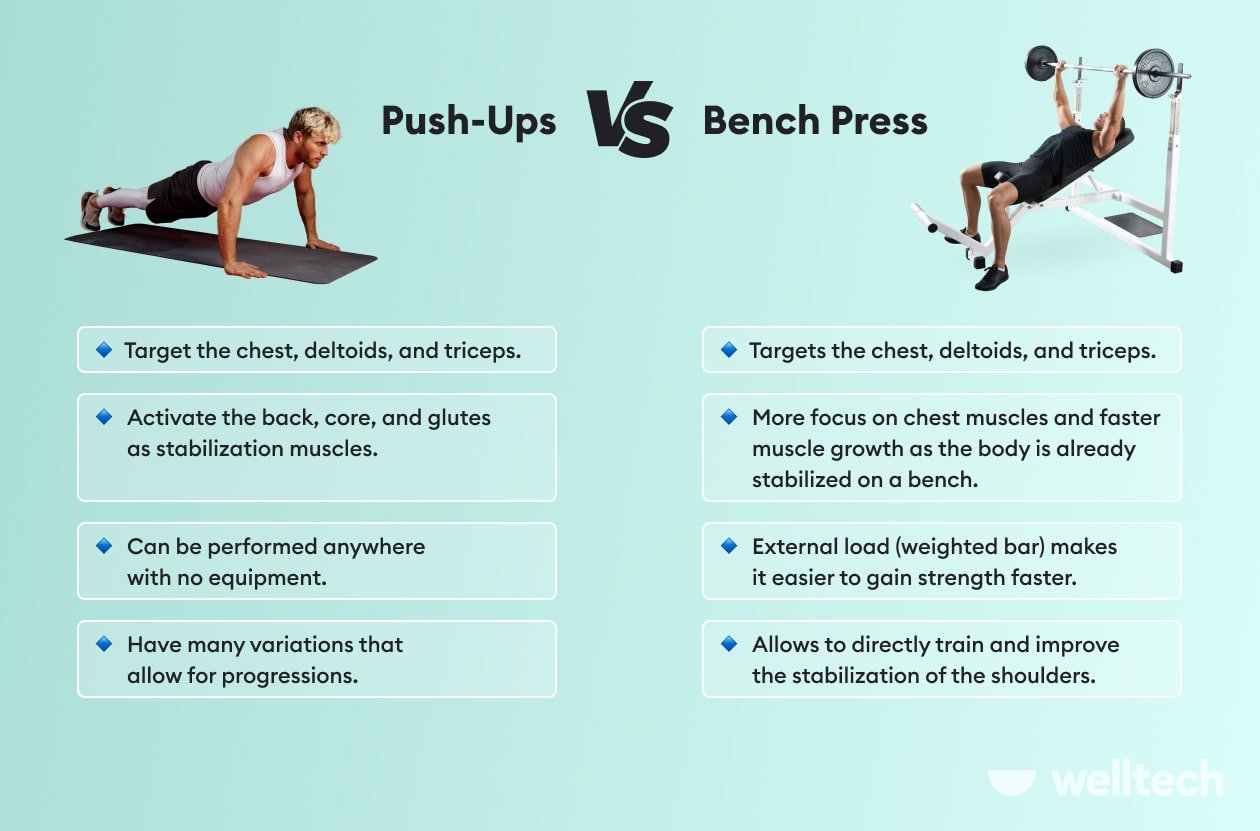
Push ups offer many benefits that make them a popular exercise choice. They help build strength, improve fitness, and can be done anywhere. No special equipment is needed, which makes push ups easy to include in daily routines. This section explores the main benefits of push ups and why they remain a top exercise option.
Muscle Groups Targeted
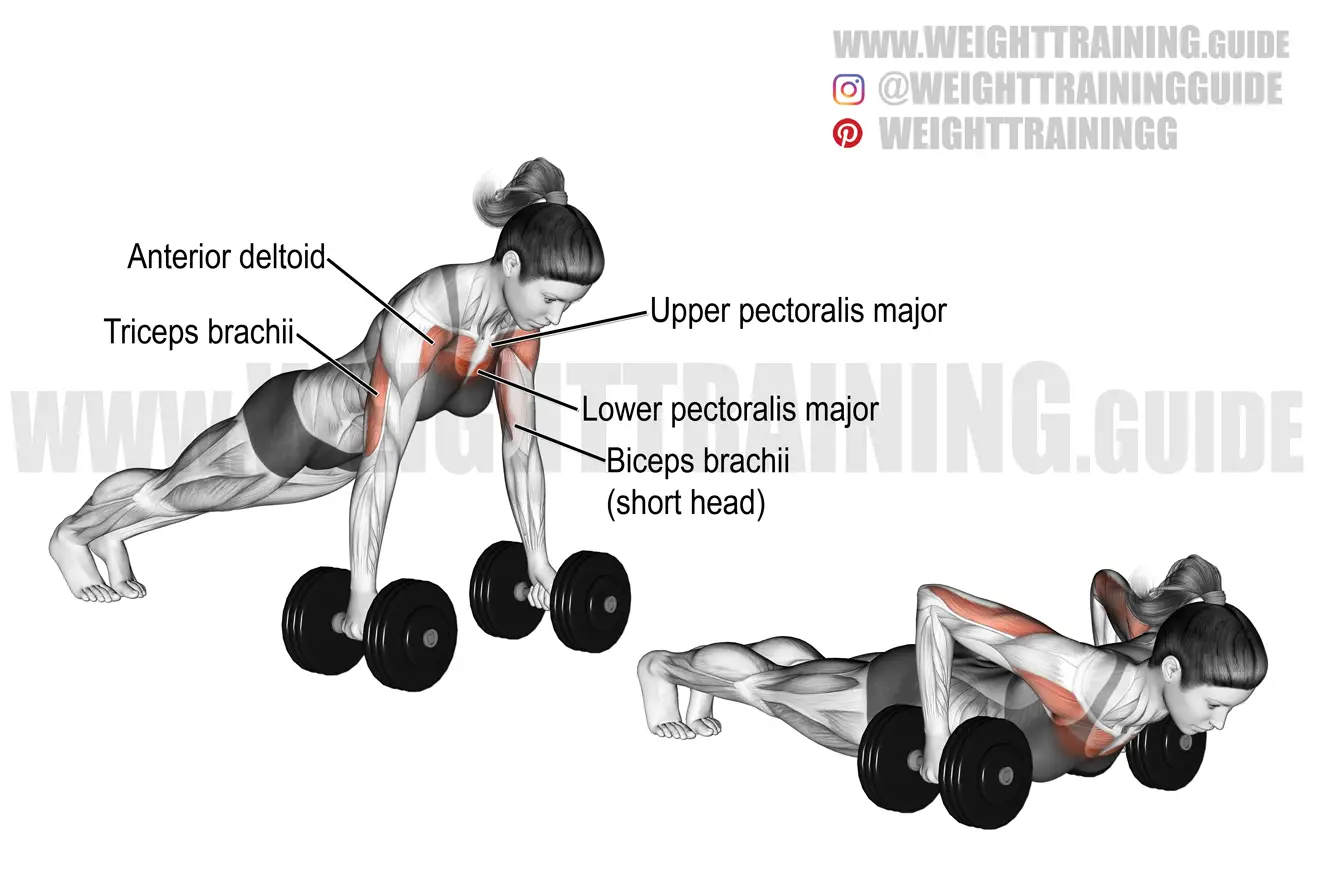
Push ups work several muscle groups at the same time. They mainly target the chest, shoulders, and triceps. The core muscles also engage to keep the body stable. This makes push ups effective for building upper body strength. The variety of muscles used helps improve overall muscle tone.
Convenience And Accessibility
Push ups require no equipment or gym membership. You can do them at home, in the park, or while traveling. This convenience makes it easier to stay consistent with workouts. No setup time is needed, so push ups fit any busy schedule. They are accessible to almost everyone, regardless of fitness level.
Improving Endurance And Stability
Push ups help increase muscular endurance by repeating movements over time. They also enhance joint stability, especially in the shoulders and wrists. The exercise trains the body to hold a steady position, which improves balance. This combination supports better performance in other physical activities.
Advantages Of Dumbbell Workouts
Dumbbell workouts offer many benefits for strength training. They fit well in small spaces and do not require machines. You can use dumbbells at home or in the gym. These tools help build muscle, improve balance, and increase coordination. Many people find dumbbells easy to use and adjust for their fitness level.
Compared to push ups, dumbbells allow more variety and control. They target muscles in different ways, making workouts more effective. Dumbbell exercises can be simple or complex. This flexibility helps keep workouts fresh and exciting. Let’s explore the main advantages of using dumbbells.
Versatility In Exercises
Dumbbells allow a wide range of movements. You can do presses, rows, curls, and squats. Each exercise targets different muscle groups. This variety helps train the whole body. Dumbbells also let you change grip and angles. This means you can work muscles from many directions. Versatility makes dumbbells useful for many fitness goals.
Progressive Overload And Muscle Growth
Dumbbells let you increase weight gradually. This method is called progressive overload. It helps muscles grow stronger over time. You can add small weight increments as you improve. This steady challenge forces muscles to adapt. Push ups have limited ways to increase resistance. Dumbbells give more options to build muscle effectively.
Isolating Specific Muscles
Dumbbells help focus on individual muscles. You can isolate biceps, triceps, shoulders, and more. Isolation improves muscle strength and shape. It also helps fix muscle imbalances. Push ups mainly work chest, shoulders, and triceps together. Dumbbells allow targeting muscles that push ups may miss. This control aids balanced muscle development.
Comparing Strength Gains
Strength gains are a key goal for many who exercise. Comparing push ups and dumbbells helps understand which tool builds strength better. Both have unique benefits for muscle growth and power. Understanding these differences guides your workout choices effectively.
Muscle Activation Levels
Push ups engage multiple muscles at once. Chest, shoulders, triceps, and core all work together. Dumbbells target muscles more specifically. You can isolate biceps, triceps, or shoulders with weights. Push ups activate stabilizer muscles more than dumbbells. This may improve overall muscle coordination.
Impact On Functional Strength
Push ups mimic natural body movements. They improve strength useful for daily tasks. Pushing your body weight helps in real life actions. Dumbbells add resistance in controlled ways. This helps build raw muscle power. Functional strength grows well with push ups. Dumbbells build strength in precise muscle groups.
Long-term Progression
Dumbbells offer easier progression by adding weight. You can increase load steadily over time. Push ups require variations to stay challenging. Elevating feet or adding pauses can increase difficulty. Dumbbells provide clear, measurable strength progress. Push ups improve endurance and muscle control over time.
Credit: weighttraining.guide
Injury Risks And Safety
Exercise safety matters a lot. Both push ups and dumbbells can cause injuries without care. Knowing risks helps prevent pain and setbacks. Proper technique and awareness keep workouts safe and effective. Let’s explore common injuries and safety tips for each.
Common Injuries From Push Ups
Wrist pain often occurs from poor hand placement. Shoulder strain is common if the form slips. Lower back pain may happen if the core is weak. Elbow discomfort can result from locking joints. These injuries happen mostly due to bad posture or overuse.
Dumbbell Workout Precautions
Choose weights that match your strength level. Avoid sudden, jerky movements to protect joints. Warm up muscles before lifting dumbbells. Use a spotter for heavy or new exercises. Rest between sets to prevent muscle strain. Be cautious with grip to avoid dropping weights.
Proper Form Tips
Keep your body straight during push ups. Align wrists under shoulders for support. Engage your core to protect the back. Lower slowly and push evenly. For dumbbells, hold weights firmly but not too tight. Maintain control throughout each movement. Stop if you feel sharp pain.
Suitability For Different Fitness Levels
Choosing between push ups and dumbbells depends on your fitness level. Both have benefits and limits. Understanding which suits you helps improve your workouts safely.
Some exercises fit beginners better. Others suit advanced lifters who want more challenge. Your fitness goals also guide the best choice.
Beginners And Bodyweight Training
Push ups are great for beginners. They use your body weight, which is easy to control. You can start slow and increase reps over time. This builds strength without needing equipment.
Bodyweight exercises also teach good form. This lowers injury risk as you gain confidence. Beginners can try wall or knee push ups first. These prepare muscles for harder moves later.
Advanced Lifters And Dumbbells
Advanced lifters need more resistance. Dumbbells offer adjustable weights for this. You can target muscles more precisely and increase difficulty steadily.
Dumbbells add variety to workouts. You can do presses, curls, and rows. This helps develop balanced strength and muscle growth.
Adapting Workouts To Goals
Push ups build endurance and functional strength. They suit goals like fat loss and muscle tone. Dumbbells fit goals of muscle size and power.
You can combine both methods. Start with push ups, then add dumbbells for progress. Adjust exercises based on your needs and results.
Combining Push Ups And Dumbbells
Combining push ups and dumbbells creates a strong and effective workout. Each has unique benefits that work well together. Push ups use body weight to build endurance and stability. Dumbbells add resistance to increase muscle strength and size.
Using both in your routine targets muscles from different angles. This approach helps avoid plateaus in your progress. It also keeps workouts fresh and interesting. Balancing push ups and dumbbells can improve overall fitness faster.
Creating Balanced Routines
Start by choosing exercises that target major muscle groups. Include push ups for chest, shoulders, and triceps. Add dumbbell exercises like curls and rows for biceps and back. Balance pushing and pulling movements to prevent muscle imbalances.
Alternate between push ups and dumbbell sets during workouts. This keeps muscles working in different ways. Rest days should include light activity or stretching. This helps muscles recover and grow stronger.
Maximizing Strength And Endurance
Use push ups to build muscular endurance. Perform higher reps with good form. Use dumbbells to challenge muscles with heavier weights. Lower reps with more weight help increase strength.
Combine slow push ups with heavy dumbbell lifts. This mix improves both muscle control and power. Gradually increase dumbbell weight and push up reps. Progress is key to gaining strength and endurance.
Sample Workout Plans
Plan 1: Start with 3 sets of 15 push ups. Follow with 3 sets of 12 dumbbell curls and rows. Rest 30 seconds between sets. Finish with a plank hold for core strength.
Plan 2: Alternate 10 slow push ups with 10 dumbbell presses. Repeat for 4 rounds. Add 3 sets of dumbbell squats for leg strength. Cool down with stretching.
Credit: medium.com
Frequently Asked Questions
Are Push Ups More Effective Than Dumbbell Workouts?
Push ups target multiple muscle groups using body weight, improving strength and endurance. Dumbbells allow for isolated muscle training and adjustable resistance. Effectiveness depends on fitness goals and workout variety.
Can Push Ups Replace Dumbbell Exercises Completely?
Push ups can build strength but lack adjustable resistance. Dumbbells offer more workout variety and progressive overload. For balanced strength, combine both in your routine.
Which Is Better For Muscle Growth: Push Ups Or Dumbbells?
Dumbbells typically promote greater muscle growth due to adjustable weights. Push ups build endurance and strength but have limited resistance. Muscle growth depends on intensity and consistency.
Do Push Ups Improve Functional Strength More Than Dumbbells?
Yes, push ups enhance functional strength by engaging core and stabilizer muscles. Dumbbells focus more on isolated muscle strength. Functional strength benefits daily movements and overall fitness.
Conclusion
Push ups and dumbbells each have their own benefits. Push ups need no equipment and build strength using your body weight. Dumbbells help target specific muscles and add resistance. Choosing depends on your goals, space, and fitness level. Both can improve your health and muscle tone.
Try combining them for balanced workouts. Keep practicing regularly for best results. Consistency matters more than the tool you use. Stay active and enjoy your fitness journey.