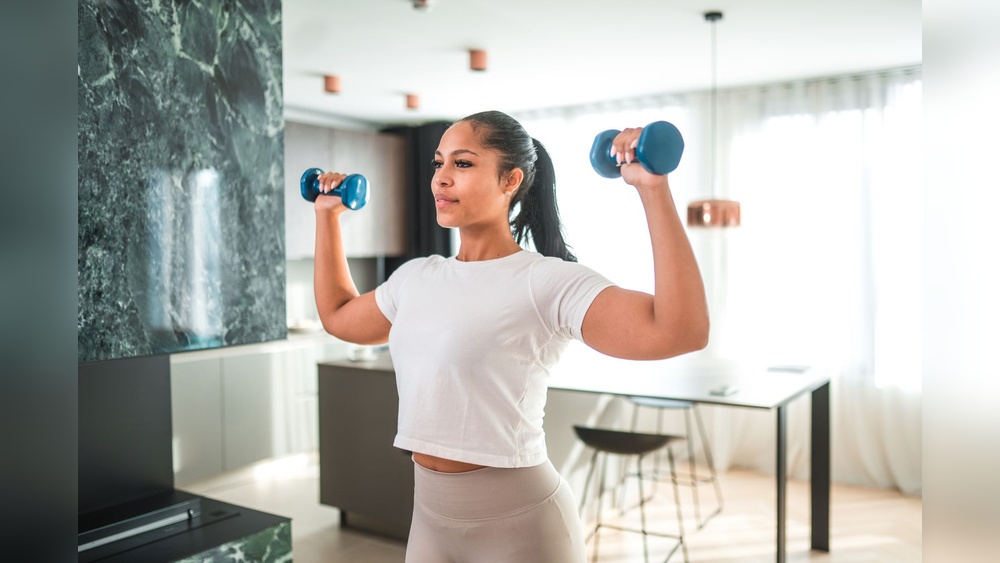
Are you eager to see real muscle gains but wonder how long it actually takes when using dumbbells? You’re not alone.
Many people start working out with dumbbells and want quick, noticeable results. The truth is, building muscle is a process—but with the right approach, you can speed it up and stay motivated. You’ll discover exactly what affects your muscle growth timeline and practical tips to maximize your progress.
Keep reading to find out how soon you can expect to see changes and how to make every workout count.

Credit: www.youtube.com
Factors Affecting Muscle Growth
Muscle growth depends on many factors. These factors affect how fast and how much muscle you build. Understanding these helps set real goals and improve your workout results. Dumbbells can help build muscle well, but results vary per person. Below are key factors that influence muscle growth.
Training Frequency And Intensity
How often you train matters. Training too little slows muscle growth. Training too much can cause injury and fatigue. Using dumbbells, aim for 3 to 5 sessions weekly. Intensity is about how hard you lift. Use weights that challenge your muscles without hurting you. Gradually increase weight or reps to keep improving.
Nutrition And Protein Intake
Muscles need fuel to grow. Protein is the building block of muscle. Eat enough protein every day from foods like meat, beans, and eggs. Also, eat balanced meals with carbs and fats for energy. Poor nutrition limits muscle gains even with good training. Drink water to stay hydrated and support muscle repair.
Rest And Recovery
Muscles grow while resting, not during workouts. Give muscles time to repair after exercise. Sleep is very important for recovery. Aim for 7 to 9 hours of sleep each night. Avoid training the same muscle groups every day. Rest days help prevent overtraining and injury.
Genetics And Age
Genetics influence muscle shape and growth speed. Some people build muscle faster naturally. Age also affects muscle growth. Younger people usually gain muscle more easily. Older adults can still build muscle but may progress slower. Consistency and patience help overcome these challenges.
Credit: www.healthline.com
Benefits Of Dumbbell Training
Dumbbell training offers many benefits for building muscle. It improves strength, flexibility, and muscle tone. Using dumbbells helps target muscles more effectively. This leads to better results in less time.
Many people choose dumbbells because they are easy to use at home or in the gym. They fit any workout style and level. Dumbbell exercises also reduce the risk of injury. They encourage proper form and control.
Muscle Activation And Range Of Motion
Dumbbells allow a full range of motion during exercises. This activates more muscle fibers than machines or barbells. Each side of the body works independently, improving strength balance. This helps build muscle evenly and prevents weakness.
Versatility And Convenience
Dumbbells are perfect for many exercises. You can do presses, curls, rows, and squats easily. Their small size makes them easy to store and use anywhere. Dumbbells let you change weights quickly for different exercises. This makes workouts fast and efficient.
Balanced Muscle Development
Dumbbells force both sides of the body to work equally. This prevents one side from becoming stronger than the other. Balanced muscle growth improves posture and reduces injury risk. It also helps perform daily tasks better and with less pain.
Typical Muscle Growth Timeline
Muscle growth with dumbbells follows a clear timeline. Understanding this helps set realistic goals. The process starts with your body adjusting to the new exercises. Then, muscle size and strength begin to increase gradually. Patience and consistency are key throughout this journey.
First 4 Weeks: Neuromuscular Adaptation
In the first month, your body learns how to use dumbbells effectively. Your nerves and muscles work better together. Strength improves, but muscle size may not change much yet. This phase builds the foundation for future muscle growth.
4 To 8 Weeks: Initial Muscle Gains
After four weeks, small muscle gains become visible. Your muscles start to feel firmer and stronger. You may notice better muscle tone and endurance. Keep training regularly to support continued growth.
8 To 12 Weeks: Noticeable Muscle Growth
Between two and three months, muscle size increases become clear. Your body adapts to the stress of lifting dumbbells. Clothes may fit differently as muscles grow. Strength and confidence improve with each workout.
Beyond 12 Weeks: Continued Progress
After three months, muscle growth continues with steady progress. Gains may slow but remain consistent with effort. Changing exercises and increasing weight help avoid plateaus. Long-term dedication leads to lasting muscle development.

Credit: www.wikihow.com
Effective Dumbbell Exercises For Muscle Building
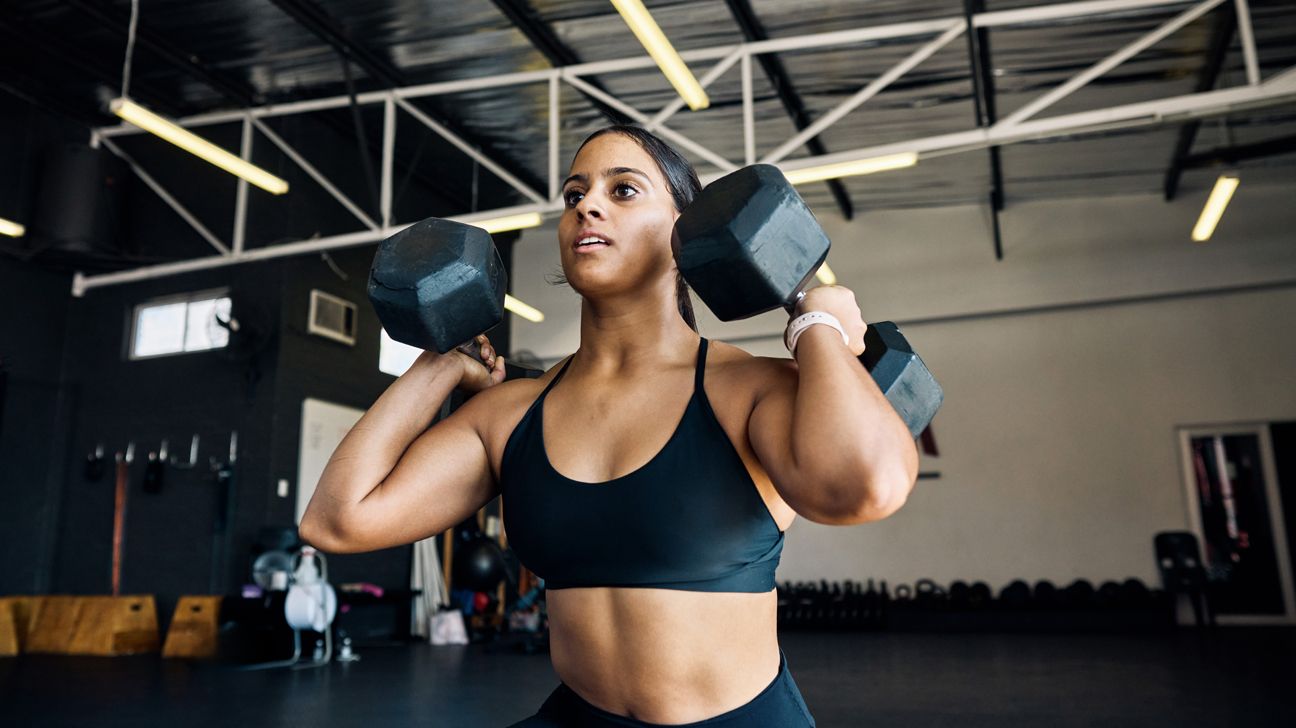
Dumbbells offer great ways to build muscle at home or in the gym. They allow you to work many muscle groups with simple, effective moves. Using dumbbells helps improve strength, tone, and muscle size.
Choosing the right exercises targets specific muscles. It also keeps workouts balanced and safe. Below are some key dumbbell exercises to build muscle in your upper body, lower body, and core.
Upper Body Workouts
Focus on arms, shoulders, chest, and back. Dumbbell curls build strong biceps. Shoulder presses develop broad, strong shoulders. Dumbbell bench presses work the chest muscles well. Bent-over rows target your back for better posture. These exercises improve upper body strength and size.
Lower Body Workouts
Leg muscles need attention too. Dumbbell squats strengthen thighs and glutes. Lunges with dumbbells improve balance and muscle tone. Deadlifts with dumbbells target hamstrings and lower back. These moves help build strong legs and hips. Strong legs support overall muscle growth.
Core Strengthening Movements
Core muscles keep the body stable. Dumbbell Russian twists strengthen the obliques. Weighted sit-ups build the upper abs. Dumbbell side bends target the sides of your waist. These exercises improve balance and core strength. A strong core supports all other muscle groups.
Tips To Accelerate Muscle Growth
Building muscle with dumbbells takes time. Some ways help speed up this process. These tips focus on training smart and caring for your body well. Follow these steps to see better results faster.
Progressive Overload Techniques
To build muscle, increase the weight or reps regularly. Push your muscles harder than before. This makes muscles grow stronger and bigger. Change your routine every few weeks. Add more weight or do more sets. Keep challenging your muscles to avoid plateaus.
Proper Form And Technique
Use the correct form to avoid injuries. Good technique targets the right muscles. It also makes workouts more effective. Take time to learn each exercise properly. Move slowly and control the dumbbells. Focus on quality, not speed.
Balanced Diet And Supplementation
Muscles need fuel to grow. Eat enough protein, carbs, and fats daily. Protein helps repair and build muscles. Drink water to stay hydrated. Some supplements like whey protein can help. Avoid excess junk food and sugary drinks.
Consistent Training Schedule
Train regularly for steady progress. Set a workout plan you can follow. Aim for at least three sessions per week. Rest days are important too. Muscles grow during rest, not workout. Stay patient and keep training consistently.
Common Mistakes To Avoid
Building muscle with dumbbells can be very effective. Many beginners make mistakes that slow progress. Avoiding these errors can help you see results faster. Focus on smart training and good habits.
Overtraining And Inadequate Rest
Training too much can harm muscle growth. Muscles need time to repair and get stronger. Skipping rest days leads to fatigue and injury. Plan rest days and listen to your body’s signals. Quality rest helps muscles rebuild and grow.
Neglecting Nutrition
Muscles need fuel to grow. Eating too little or poor food slows progress. Protein is important for muscle repair. Include enough protein, carbs, and healthy fats in meals. Drink plenty of water to stay hydrated and support recovery.
Ignoring Muscle Imbalances
Focusing only on certain muscles causes imbalances. Weak muscles can lead to poor posture and injuries. Train all muscle groups evenly with dumbbells. Use balanced workouts to build strength and stability. Correct imbalances for better muscle growth.
Frequently Asked Questions
How Long To See Muscle Growth With Dumbbells?
Muscle growth typically starts within 4 to 6 weeks of consistent dumbbell training. Results depend on workout intensity, frequency, and nutrition.
Can Beginners Build Muscle Quickly With Dumbbells?
Yes, beginners often see faster muscle gains due to neural adaptations and muscle memory. Consistency is key for progress.
How Often Should I Train With Dumbbells For Muscle Gain?
Training 3 to 4 times per week allows optimal muscle recovery and growth. Overtraining can hinder progress.
Does Dumbbell Weight Affect Muscle-building Speed?
Using challenging dumbbell weights is crucial. Heavier weights with proper form stimulate faster muscle growth.
Conclusion
Building muscle with dumbbells takes time and effort. Results usually show within a few weeks. Consistency in workouts is key to progress. Eating enough protein helps muscles grow faster. Rest and sleep let muscles repair and get stronger. Tracking your progress keeps you motivated and focused.
Everyone’s body changes at a different pace. Stay patient and keep lifting regularly. Small steps add up to big changes. Your strength will improve with steady practice. Keep going, and the results will come.