
Have you ever wondered what happens to your old bike lock when it’s no longer useful? You might be surprised to learn that not all bike locks can simply be tossed in the recycling bin.
If you care about the environment and want to make sure your worn-out lock doesn’t end up harming the planet, this article is for you. Keep reading to discover whether your bike lock is recyclable and how you can dispose of it responsibly.
Your choices matter more than you think.
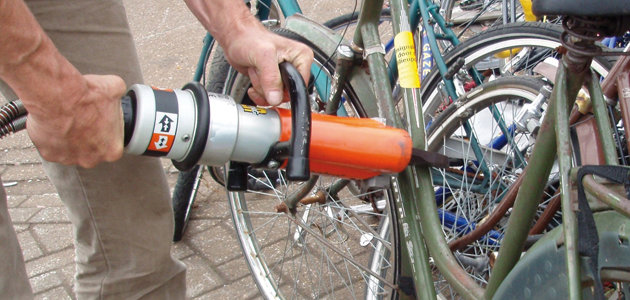
Credit: www.holmatro.com
Types Of Bike Locks
Bike locks come in several types. Each type offers different protection and convenience. Understanding these types helps you choose the right lock. It also matters for recycling options.
U-locks
U-locks are shaped like a big letter U. They have a solid metal bar and a locking mechanism. These locks are strong and hard to cut. They protect bikes well in busy areas. Made mainly from steel, U-locks can be recycled at metal recycling centers.
Cable Locks
Cable locks use flexible steel cables covered in plastic. They are light and easy to carry. These locks wrap around bike frames and objects. Cable locks are less secure than U-locks but convenient. The steel inside can be recycled, but the plastic coating must be separated first.
Chain Locks
Chain locks use thick metal chains with a lock. They offer good security and flexibility. Chains can fit around large objects and bikes easily. Made from steel, chain locks are heavy but strong. Recycling chain locks is similar to U-locks because they are mostly steel.
Credit: www.bike-eu.com
Materials Used In Bike Locks
Bike locks contain different materials. These materials affect how the locks work and if they can be recycled. Knowing what bike locks are made of helps us understand recycling options. Bike locks use a mix of metals, plastics, and other parts. Each material has its own role in the lock’s strength and durability.
Steel And Metal Components
Steel is the main metal in many bike locks. It provides strength and stops thieves. Metals like iron and alloys also appear in lock bodies and shackles. These metals are often recyclable at metal recycling centers. The quality of metal affects the lock’s weight and toughness.
Plastic And Rubber Parts
Plastic covers some bike lock parts. It protects the lock from weather and scratches. Rubber parts help with grip and prevent damage to the bike frame. These materials are less easy to recycle than metals. Some recycling centers accept certain plastics, but it depends on the type.
Other Materials
Some bike locks have small parts made from other materials. These include nylon cords or foam padding. These parts add flexibility and comfort. These materials are rarely recycled and often removed before recycling metal parts. Their presence can affect the recycling process.
Recycling Possibilities
Bike locks often contain metal parts that can be recycled. Plastic or rubber covers may not be accepted by all recycling centers. Checking local recycling rules helps ensure proper disposal of bike locks.
Metal Recycling Options
Bike locks mostly contain metal parts. Steel and iron are common materials. These metals can be recycled easily. Scrap metal yards accept these metals. They melt down the metal to make new products. Recycling metal saves energy and reduces waste. Removing metal parts from the lock helps recycling. It is important to separate metal from plastic or rubber.Challenges With Mixed Materials
Many bike locks have plastic, rubber, or fabric parts. These materials are harder to recycle. Mixed materials often need to be separated first. Separation can be time-consuming and costly. Some recycling centers do not accept mixed materials. This can lead to more waste. Removing non-metal parts before recycling is best. It helps to increase the chance of recycling the lock.Local Recycling Programs
Local recycling rules vary widely. Some programs accept bike locks fully. Others only take metal parts. Check with local recycling centers for specific rules. Some centers have special days for bulky items. Community recycling events may accept bike locks. Contact your city or county waste service. They can guide you on proper disposal. Following local rules helps keep recycling efficient.Preparing Bike Locks For Recycling
Preparing bike locks for recycling helps reduce waste and saves resources. It takes a few simple steps to make the process smooth. Proper preparation ensures the lock meets recycling center rules. It also helps to separate materials for better recycling.
Removing Non-metal Parts
Start by taking off plastic covers, rubber grips, or fabric parts. These materials cannot be recycled with metal. Use scissors or a knife to cut away these parts carefully. Remove any keys or small accessories that came with the lock. Only metal parts should remain to avoid contamination.
Cleaning And Sorting
Clean the metal parts with a cloth to remove dirt and grease. Dirty items can cause problems at recycling facilities. Sort the metal by type if possible, such as steel or aluminum. This step helps recycling centers handle the materials efficiently. Dry the parts completely before dropping them off.
Finding Proper Drop-off Locations
Locate recycling centers that accept bike locks or scrap metal. Many centers take metal locks but check before you go. Some stores or bike shops may offer recycling programs. Avoid throwing locks in regular trash bins. Proper drop-off ensures the lock is recycled correctly.
Eco-friendly Disposal Alternatives
Eco-friendly disposal alternatives help reduce waste and protect the environment. Bike locks often contain metal and plastic parts. These materials can be reused or recycled in many ways. Instead of throwing old locks away, consider options that give them a second life. These choices save resources and reduce pollution.
Donating Or Reusing Old Locks
Old bike locks still work for many people. Donating them to schools or community centers extends their use. Some bike shops accept used locks for resale or repair. Reusing locks helps others save money. It also prevents locks from ending up in landfills too soon.
Upcycling Ideas
Upcycling turns old locks into new items. Creative projects can transform locks into art or furniture. Locks can become handles, hooks, or decorative pieces. This approach adds value and reduces waste. It also encourages creativity and personal expression.
Scrap Yard Selling
Scrap yards accept metal parts from bike locks. Selling locks for scrap recovers valuable metals like steel and iron. These metals are melted down and reused in new products. Scrap selling supports recycling efforts and earns some money. It is a simple way to dispose of old locks responsibly.

Credit: newatlas.com
Tips To Choose Sustainable Bike Locks
Choosing a sustainable bike lock helps reduce waste and protects the environment. Not all bike locks are easy to recycle, so picking the right one matters. Consider these tips to find a lock that lasts long and can be recycled properly.
Durability And Longevity
Pick a bike lock made to last many years. Durable locks need fewer replacements. Less waste means less harm to the planet. A strong lock also keeps your bike safer. Check product reviews for long-lasting quality.
Materials With Better Recycling Potential
Choose locks made from metals like steel or aluminum. These materials are easier to recycle. Avoid locks with mixed materials or plastic coatings. Simple designs help recycling centers process them better. Look for clear recycling information on the packaging.
Brands Focused On Sustainability
Select brands that use eco-friendly methods and materials. These companies often design locks with recycling in mind. Some use recycled materials in their products. Support brands transparent about their environmental practices. This encourages more green products in the market.
Frequently Asked Questions
Are Bike Locks Made From Recyclable Materials?
Most bike locks are made from steel and plastic, both recyclable materials. However, recycling depends on local facilities and lock condition.
Can I Recycle A Broken Bike Lock?
Yes, broken bike locks can be recycled if your local center accepts metal and plastic parts. Separate materials if required.
Where To Recycle Old Bike Locks Near Me?
Check with local recycling centers or scrap metal yards. Some bike shops also offer recycling or disposal programs.
Do Bike Locks Harm The Environment If Not Recycled?
Yes, discarded bike locks contribute to landfill waste and metal pollution. Recycling helps reduce environmental impact significantly.
Conclusion
Bike locks contain materials like metal that can be recycled. Recycling helps reduce waste and saves resources. Not all parts of a bike lock are easy to recycle. Some locks have plastic or rubber parts that need special handling. Check with local recycling centers to see what they accept.
Proper disposal keeps the environment cleaner and safer. Remember, recycling bike locks supports a greener planet. Small actions, big impact. Keep your bike secure and the Earth healthy.

