
Are boxing gloves and kickboxing gloves really the same? If you’ve ever wondered whether you can use one glove for both sports or if you need to buy separate pairs, you’re not alone.
Choosing the right gloves can affect your comfort, safety, and performance. You’ll discover the key differences between boxing and kickboxing gloves, helping you make the best choice for your training. Keep reading to find out what you need to know before you invest in your next pair of gloves.
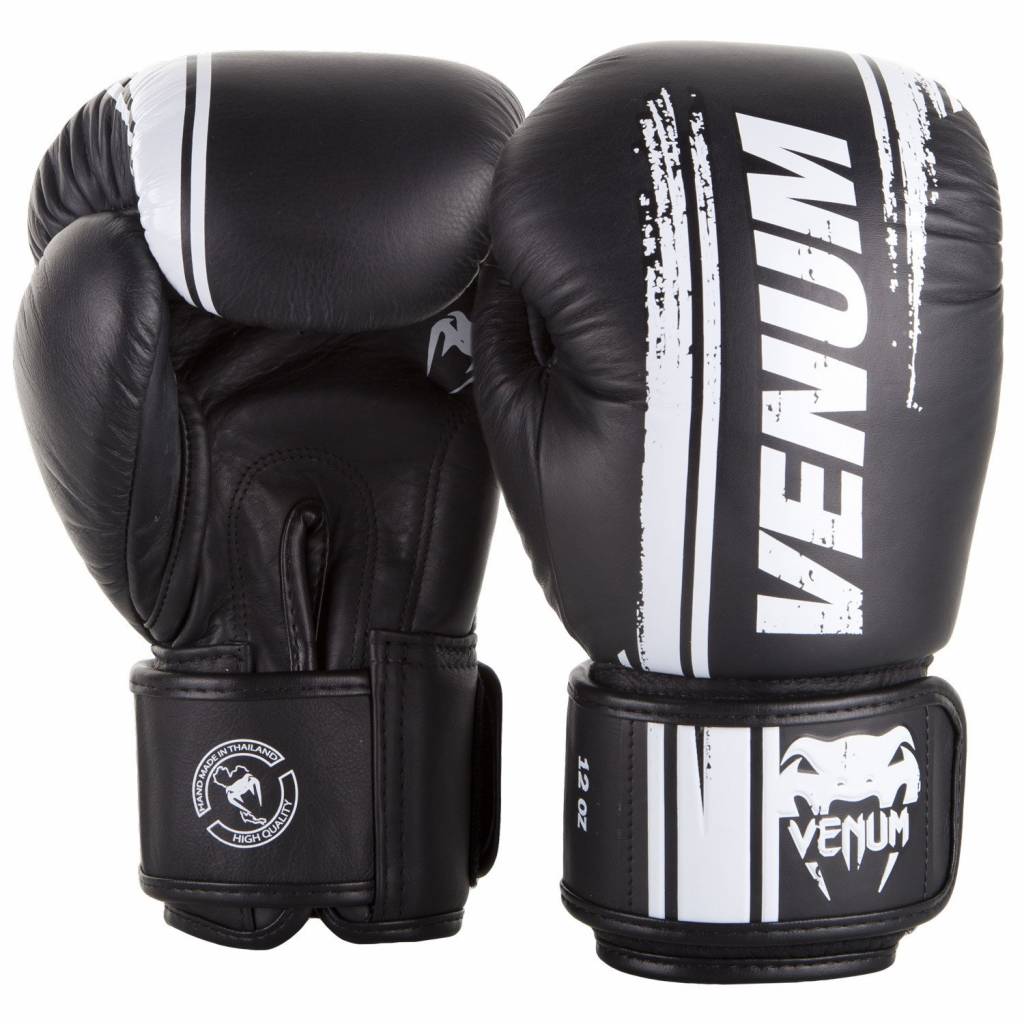
Credit: kgkstones.com
Glove Design Differences
Boxing and kickboxing gloves look similar but have key design differences. These differences affect comfort, protection, and performance. Understanding these details helps choose the right glove for your sport.
Padding And Protection
Boxing gloves have thick padding around the knuckles and back of the hand. This padding absorbs impact from punches. Kickboxing gloves also have padding but it is often spread out. This design protects the hand and allows more flexibility for kicks.
Kickboxing gloves may have extra padding near the wrist. This helps protect against strikes using legs or knees. Boxing gloves focus more on cushioning the knuckles and wrist support.
Weight And Size Variations
Boxing gloves come in various weights, usually from 8 to 16 ounces. Heavier gloves offer more protection but less speed. Kickboxing gloves tend to be lighter. This allows faster hand movements and easier blocking of kicks.
Kickboxing gloves are often slimmer. They balance protection with mobility for both punches and kicks. Boxing gloves are bulkier to protect the hands during heavy punching.
Material And Durability
Both glove types use leather or synthetic leather for durability. Boxing gloves usually have thicker material in high-wear areas. This helps them last through repeated punching.
Kickboxing gloves focus on flexibility in the wrist and thumb areas. These parts need to move more for grabbing and blocking. The materials may be lighter but still strong enough to last.
Impact On Performance
The type of gloves you wear affects your performance in the ring. Boxing and kickboxing gloves differ in design and padding. These differences impact how you move, punch, and protect yourself.
Choosing the right gloves helps improve your training and fighting skills. Let’s explore how gloves affect speed, power, and wrist support.
Speed And Agility
Boxing gloves tend to be lighter and less bulky. This allows faster hand movement and quicker punches. Kickboxing gloves often have extra padding for kicks. This padding can slow your hand speed slightly. Lighter gloves help maintain agility during quick combos and fast footwork.
Power And Punch Control
Heavier gloves absorb more impact from punches. This can reduce the power felt by your opponent. Boxing gloves offer good balance between weight and padding for strong punches. Kickboxing gloves provide more wrist padding for harder strikes. Control over your punches depends on glove fit and weight.
Wrist Support
Proper wrist support reduces injury risk during hits. Boxing gloves usually have tight wrist straps for better stability. Kickboxing gloves may have more flexible wrist areas for mobility. Strong wrist support helps keep your hands safe and improves punch accuracy.
Safety Considerations
Safety is the top priority in both boxing and kickboxing. Gloves protect fighters and reduce injuries. Choosing the right gloves helps keep hands and opponents safe. Understanding the safety aspects of each glove type is important for all fighters.
Hand Injury Prevention
Gloves cushion the impact of punches. They protect knuckles, fingers, and wrists from damage. Boxing gloves usually have more padding around the knuckles. This padding lowers the risk of fractures and bruises. Kickboxing gloves are often lighter but still protect the hands. Proper wrist support is key to preventing sprains and strains.
Opponent Safety
Gloves also protect the opponent from serious harm. Padding spreads the force of a blow over a larger area. This lowers the chance of cuts and broken bones. Boxing gloves tend to be thicker, offering more protection. Kickboxing gloves balance protection with flexibility for kicks and punches. Wearing gloves reduces the risk of injuries in every fight.
Regulatory Standards
Combat sports have rules about glove size and weight. These standards help ensure fair and safe matches. Boxing organizations require gloves with specific padding and weight. Kickboxing groups set their own glove rules for safety. Using approved gloves meets safety requirements for competitions. Always check the rules before choosing gloves.
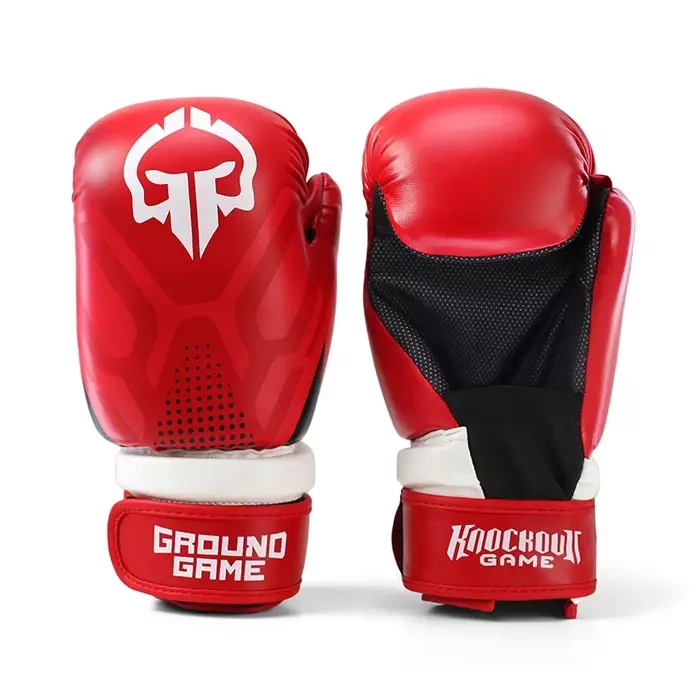
Credit: groundgame.com
Training And Competition Uses
Choosing the right gloves for training and competition matters a lot. Boxing and kickboxing gloves look similar but serve different purposes. Understanding their uses helps improve performance and safety during workouts and fights.
Sparring Sessions
Sparring needs gloves that protect both fighters. Boxing gloves have extra padding to reduce impact. Kickboxing gloves are lighter with more wrist support for kicks and punches. Using the correct gloves lowers injury risks during practice.
Competitive Matches
In competition, glove choice depends on the sport rules. Boxing matches require traditional boxing gloves. Kickboxing matches allow gloves with more flexibility. Wearing the right gloves ensures fair play and comfort during fights.
Cross-training Benefits
Training in both sports can improve skills fast. Boxing gloves help build punching power. Kickboxing gloves improve hand speed and kicking defense. Switching gloves can balance strength and agility for better overall fitness.
Choosing The Right Gloves
Choosing the right gloves is important for your comfort and safety. Different gloves suit different needs and styles. Understanding key factors helps you pick the best gloves for boxing or kickboxing.
Skill Level Factors
Beginners need gloves with extra padding for protection. Advanced users might prefer lighter gloves for speed. The right gloves support your training and reduce injury risk. Consider your experience before buying gloves.
Personal Preference
Gloves come in various sizes and weights. Some people like snug gloves; others want more space. Choose gloves that fit your hand well and feel comfortable. Comfort helps you train longer and better.
Budget And Brand Options
Gloves vary in price from affordable to expensive. Good brands offer quality and durability. Set a budget but focus on quality over price. Investing in reliable gloves protects your hands during training.

Credit: groundgame.com
Expert Opinions
Experts in boxing and kickboxing share varied views on glove choice. Their insights help beginners and pros decide which gloves suit their needs. Opinions focus on comfort, protection, and performance differences.
Understanding expert views makes it easier to pick the right gloves. Let’s explore what fighters, coaches, and users say.
Pro Fighters’ Preferences
Many pro fighters prefer boxing gloves for their padding and wrist support. They say boxing gloves offer better hand protection during heavy punches. Some kickboxers choose kickboxing gloves for extra flexibility. They value lighter gloves that allow quick hand movements. The choice often depends on the fighter’s style and training focus.
Coach Recommendations
Coaches stress the importance of glove fit and padding quality. They recommend boxing gloves for pure punching workouts. Kickboxing gloves get a nod for mixed training and kicking drills. Coaches advise beginners to try both types to find comfort. Safety and proper technique remain top coaching priorities.
User Reviews
Users report boxing gloves feel bulkier but offer more protection. Kickboxing gloves get praised for being lighter and more flexible. Many users say kickboxing gloves work well for sparring and cardio workouts. Some find boxing gloves better for bag work and power punches. User feedback shows that personal preference plays a big role.
Frequently Asked Questions
Are Boxing And Kickboxing Gloves The Same?
Boxing and kickboxing gloves look similar but differ in padding and wrist support. Kickboxing gloves offer more flexibility for kicks. Boxing gloves focus on hand protection during punches. Using the right glove enhances performance and safety in each sport.
Can I Use Boxing Gloves For Kickboxing?
You can use boxing gloves for kickboxing, but they may limit wrist mobility. Kickboxing gloves provide better wrist flexibility to accommodate kicks. For optimal protection and performance, using sport-specific gloves is recommended.
What Makes Kickboxing Gloves Different?
Kickboxing gloves have more wrist flexibility and lighter padding on the back. This design allows easier hand movement and protects against kicks. Boxing gloves are heavier with thicker padding for powerful punches. Each glove suits the sport’s unique demands.
Do Boxing Gloves Protect Against Kicks?
Boxing gloves protect hands from punches but offer limited protection against kicks. Kickboxing gloves are designed to absorb impact from both punches and kicks. Using proper gloves reduces injury risk during training and matches.
Conclusion
Boxing and kickboxing gloves look similar but serve different needs. Each has padding placed for specific strikes and protection. Choosing the right gloves helps protect your hands and improves performance. Think about what type of training or fighting you will do most.
Using the correct gloves reduces the risk of injury and helps you train longer. So, gloves are not exactly the same. Pick gloves that fit your sport and comfort best. This makes a big difference in your boxing or kickboxing experience.


