If you’re looking to build a wider, stronger back, you might wonder if dumbbell pullovers are the right move for your lats. You want exercises that give you real results without wasting your time or risking injury.
But are dumbbell pullovers actually effective for targeting your lats? You’ll discover how this classic exercise works, what benefits it offers, and whether it should be part of your workout routine. Keep reading to find out how to make the most of your training and get closer to the back you want.
Benefits Of Dumbbell Pullovers
Dumbbell pullovers offer many benefits for your upper body. This exercise works several muscle groups at once. It helps build strength and improve muscle shape. Pullovers can be a smart addition to your workout routine.
They are simple to do and need only one dumbbell. This makes them great for home workouts or busy gyms. Understanding the benefits can help you use pullovers correctly.
Targeting The Lats
Dumbbell pullovers focus on the latissimus dorsi muscles, also called lats. These large muscles stretch across your back. Pullovers help stretch and contract the lats effectively. This builds strength and adds width to your back.
The movement of lowering the dumbbell behind your head works the lats deeply. It improves muscle tone and endurance. This can lead to better posture and a stronger back.
Engaging The Chest And Core
While the lats get the main work, pullovers also engage your chest muscles. The pectorals contract to control the dumbbell’s movement. This helps shape and strengthen your chest over time.
Your core muscles stabilize your body during the exercise. This makes your abs work harder than usual. Stronger core muscles improve balance and support other exercises.
Improving Shoulder Mobility
The dumbbell pullover requires a wide range of shoulder motion. This movement helps increase flexibility in the shoulder joints. Better mobility lowers the risk of shoulder injuries.
Regular pullovers can ease tightness and improve joint health. This makes daily activities and other workouts easier. It also helps keep your shoulders strong and pain-free.

Credit: altawen.com.sa
Correct Dumbbell Pullover Form
Performing dumbbell pullovers with the right form is key to targeting the lats effectively. Proper technique reduces injury risk and improves muscle engagement. Focus on control and posture throughout the exercise.
Starting Position
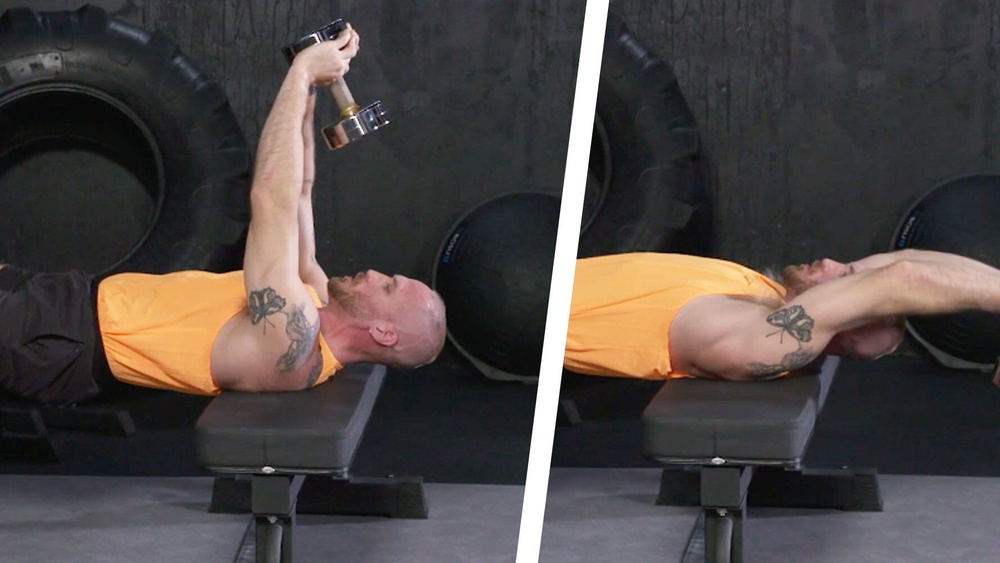
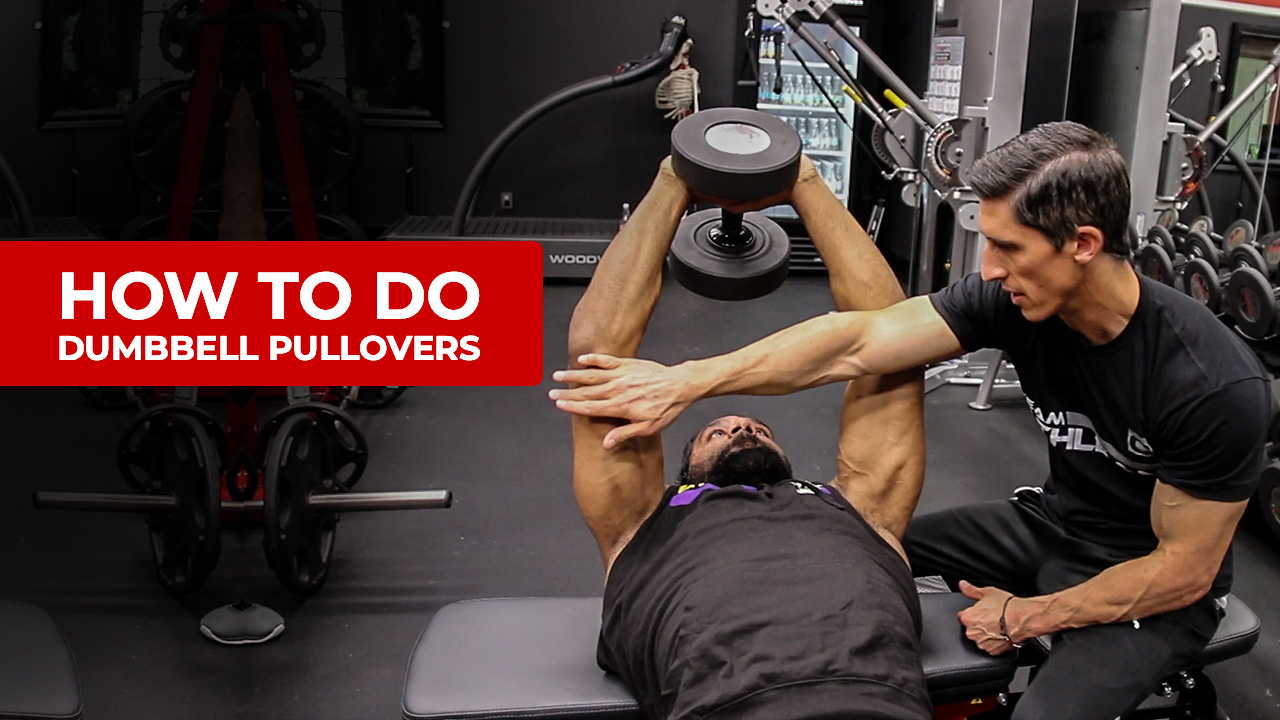
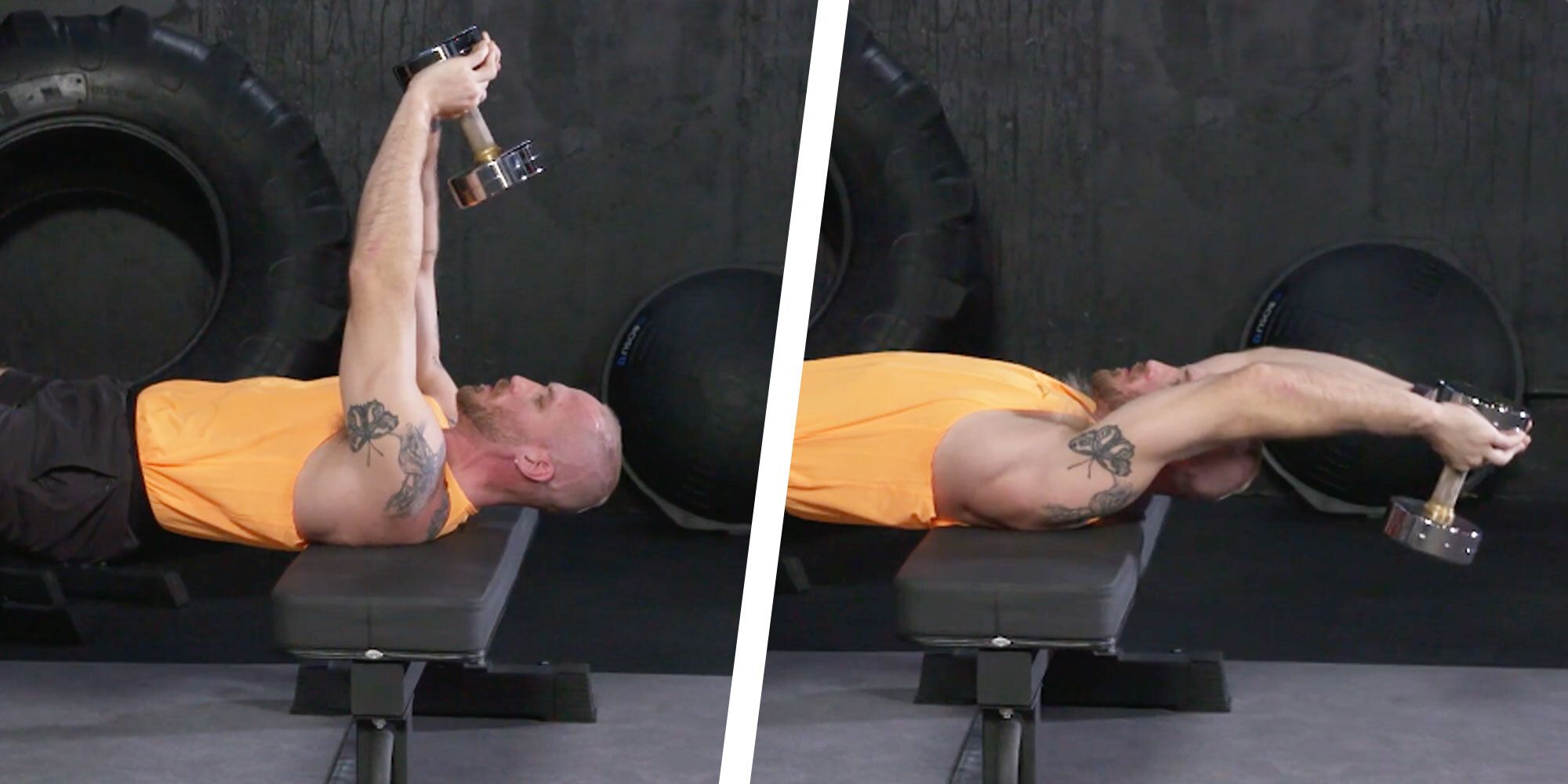
Lie flat on a bench with your back fully supported. Hold a dumbbell with both hands above your chest. Keep your arms slightly bent and feet flat on the floor. Engage your core for stability. This position sets the stage for a safe pullover.
Movement Technique
Slowly lower the dumbbell backward over your head. Keep your elbows soft, not locked. Feel the stretch in your chest and lats. Bring the dumbbell back to the starting position using your lats. Breathe steadily throughout the motion. Avoid fast or jerky movements.
Common Mistakes To Avoid
Do not arch your lower back excessively. Avoid locking your elbows during the exercise. Do not use too heavy a weight that causes strain. Do not rush the movement; keep it slow and controlled. Avoid lifting the dumbbell too high behind your head.
Muscle Activation In Pullovers
Dumbbell pullovers activate several muscles in the upper body. This exercise targets the chest and back but focuses mainly on the lats. Understanding how muscles engage during pullovers helps you train better. It also helps prevent injury by using the right form.
Muscle activation depends on how you perform the movement. Small changes in grip or arm position can shift the focus from one muscle to another. This section breaks down the muscle groups involved in pullovers and their roles.
Latissimus Dorsi Engagement
The latissimus dorsi is the largest back muscle. It pulls your arms down and back. During pullovers, the lats stretch as you lower the dumbbell behind your head. Then, they contract as you lift the weight back over your chest. This stretch and contract motion helps build lat strength and size.
Pullovers target the lats differently than rows or pull-ups. They emphasize the lats’ lengthening and pulling action. This makes pullovers a good addition for lat development.
Role Of Supporting Muscles
Other muscles assist the lats during pullovers. The chest muscles, especially the pectoralis major, help move the arms forward. The triceps support elbow extension. The serratus anterior stabilizes the shoulder blade. These supporting muscles work together to control the movement smoothly.
Strong supporting muscles reduce strain on the lats. They help maintain proper form and prevent injury. Balanced training of these muscles improves pullover effectiveness.
Electromyography Insights
Electromyography (EMG) measures muscle activity during exercises. Studies show high EMG signals in the lats during dumbbell pullovers. This confirms strong lat activation. EMG also shows moderate activity in the chest and triceps.
These findings prove pullovers engage the lats well. They also highlight the role of supporting muscles. EMG data helps trainers design better workouts targeting the lats.
Comparing Pullovers To Other Lat Exercises
Dumbbell pullovers target the lats but differ from other exercises. Each lat exercise works muscles in unique ways. Understanding these differences helps choose the best workout for your goals.
Pull-ups And Chin-ups
Pull-ups and chin-ups are classic bodyweight exercises. They build strength by lifting your body against gravity. These moves engage the lats intensely and also work the arms and shoulders. Pull-ups use an overhand grip, focusing more on the lats. Chin-ups use an underhand grip, adding biceps activation. Both exercises improve overall upper body strength.
Lat Pulldowns
Lat pulldowns use a machine to mimic pull-ups. They are easier for beginners or those building strength. The cable allows controlled movement and varied grips. Pulldowns isolate the lats well and help improve muscle size. They provide resistance without lifting your full body weight. This makes them a good step toward pull-ups.
Rows And Deadlifts
Rows and deadlifts target the back and lats differently. Rows focus on squeezing the shoulder blades and pulling weight toward the body. This builds the middle and upper back muscles. Deadlifts are a full-body lift that strengthens the lower back and hips too. Both exercises support lat development but with more overall muscle engagement. They help improve posture and grip strength.
Incorporating Pullovers Into Workouts
Incorporating dumbbell pullovers into your workout can boost lat development effectively. This exercise targets the lats while also engaging the chest and triceps. It fits well in both beginner and advanced routines. Properly adding pullovers helps improve muscle balance and growth.
Beginner Routines
Start with light weights to learn the movement. Perform 2 to 3 sets of 10 to 12 reps. Focus on slow, controlled motions to avoid injury. Rest for about 60 seconds between sets. Combine pullovers with basic back and chest exercises.
Advanced Training Tips
Increase weight gradually as strength improves. Try supersets by pairing pullovers with rows or pull-ups. Use a full range of motion to maximize lat stretch. Pause briefly at the top to increase tension. Control the dumbbell on the way down for better muscle engagement.
Frequency And Volume
Include pullovers 2 to 3 times per week. Balance volume with other lat exercises for overall growth. Aim for 8 to 15 total sets weekly. Avoid overtraining by listening to your body’s recovery needs. Consistency helps build strength and size over time.
Credit: learn.athleanx.com
Potential Risks And Safety Tips
Dumbbell pullovers can help build strong lats, but they come with some risks. Poor form or too much weight can cause injuries. Knowing how to stay safe is very important. This section explains key safety tips to protect your shoulders and muscles.
Avoiding Shoulder Strain
Shoulders are vulnerable during dumbbell pullovers. Keep your arms slightly bent to reduce stress on joints. Do not let your elbows drop too low behind your head. Stop if you feel sharp pain or discomfort. Use a slow and controlled motion to protect muscles.
Weight Selection Guidelines
Choose a weight that feels challenging but manageable. Start with light dumbbells to learn the movement. Gradually increase weight as your strength improves. Avoid lifting too heavy too soon. Heavy weights can cause muscle strain or injury.
Warm-up And Stretching
Warming up prepares your muscles for exercise. Do light cardio and dynamic stretches before pullovers. Focus on shoulder and chest stretches to improve mobility. Warm muscles reduce the chance of injury. Stretch gently after your workout to relax muscles.
Credit: www.villaggiolepalme.com
Frequently Asked Questions
Are Dumbbell Pullovers Effective For Lat Development?
Dumbbell pullovers effectively target the lats by stretching and contracting the muscles. They enhance muscle growth when performed with proper form. Including them in your routine can improve lat width and strength.
How Do Dumbbell Pullovers Compare To Lat Pulldowns?
Dumbbell pullovers engage the lats differently by combining chest and back activation. Lat pulldowns isolate the lats more directly. Both exercises complement each other for balanced lat development.
Can Dumbbell Pullovers Improve Upper Body Flexibility?
Yes, dumbbell pullovers increase shoulder and chest flexibility. The movement stretches the muscles around the rib cage. This enhances overall upper body mobility and aids in injury prevention.
Should Beginners Include Dumbbell Pullovers In Their Workout?
Beginners can safely include dumbbell pullovers with light weights. Proper technique is essential to avoid shoulder strain. Gradually increase weight as strength and form improve.
Conclusion
Dumbbell pullovers work well to target your lats and chest muscles. They help improve upper body strength and increase muscle size. You can add them to your workout routine for variety and better results. Keep your form correct to avoid injury and get the best benefits.
Try different weights and reps to find what suits you best. Simple, effective, and easy to learn—dumbbell pullovers can fit any fitness level. Give them a try and feel the difference in your back muscles.