Are you wondering if dumbbell upright rows are safe for your shoulders and overall fitness? You’re not alone.
Many fitness enthusiasts love this exercise for building strong traps and shoulders, but questions about injury risks often come up. Before you add dumbbell upright rows to your workout, it’s important to know how to do them correctly and understand the potential risks.
Keep reading, and you’ll discover everything you need to make smart, safe choices for your workouts.

Credit: www.youtube.com
Dumbbell Upright Row Basics
The dumbbell upright row is a popular exercise for shoulder and upper back strength. It involves lifting dumbbells straight up along the body. This move helps build muscle and improve posture. Understanding the basics ensures you do it safely and effectively.
Key Muscles Targeted
This exercise mainly works the shoulders and upper back. The deltoids, especially the middle part, get strong. The trapezius muscles in the upper back also work hard. The biceps help by bending the elbows during the lift. These muscles together improve shoulder strength and shape.
Proper Form Essentials
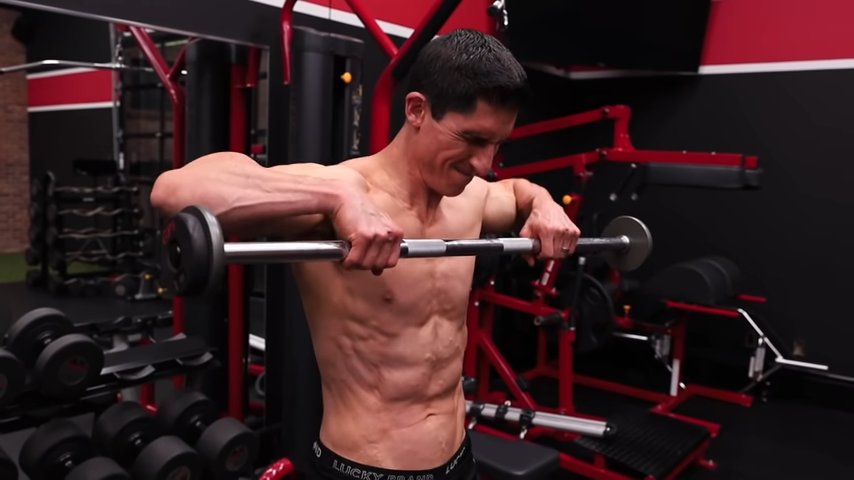
Stand with feet shoulder-width apart, holding dumbbells at your sides. Keep your back straight and chest up. Lift the dumbbells close to your body, leading with your elbows. Stop when your elbows reach shoulder height. Avoid lifting too high to protect your joints. Lower the weights slowly to start the next rep. Good form reduces injury risk and improves results.

Credit: www.wikihow.fitness
Common Risks And Injuries
Dumbbell upright rows are popular for shoulder and upper back strength. Yet, they come with common risks and injuries. Understanding these helps you avoid pain and damage. Pay attention to your form and body signals during exercise.
Shoulder Impingement
Shoulder impingement happens when tendons get pinched. This causes pain and limits movement. Lifting dumbbells too high strains the shoulder joint. It can worsen if you use heavy weights or poor form. Keep elbows below shoulder level to reduce risk.
Wrist Strain
Wrist strain occurs from holding dumbbells incorrectly. Twisting or bending the wrist adds pressure on joints. This can cause soreness and swelling. Use a neutral grip and avoid jerky movements. Light weights help build strength without hurting wrists.
Elbow Stress
Elbows bear much load during upright rows. Overuse or incorrect technique stresses tendons and joints. Pain on the outside of the elbow may develop. Avoid locking elbows and keep a slight bend. Controlled motion lowers the chance of injury.
Signs You Should Stop
Knowing when to stop doing dumbbell upright rows is important for safety. Your body gives clear signs if something is wrong. Ignoring these signs can cause serious injury.
Pain Indicators
Sharp or sudden pain is a strong signal to stop. Dull aches that grow worse during the exercise also warn of a problem. Pain in the shoulders, neck, or wrists should not be ignored. Continuing can damage muscles or joints. Listen to your body and stop if pain occurs.
Restricted Mobility
Difficulty moving your arms or shoulders after the exercise is a red flag. Feeling stiff or tight during the movement means something is wrong. Loss of normal range of motion shows your joints or muscles may be strained. Stop the exercise to avoid worsening the condition. Rest and seek advice if mobility stays limited.
Expert Tips For Safe Execution
Performing dumbbell upright rows safely requires careful attention. Experts suggest focusing on technique to avoid injury. Small adjustments can protect your shoulders and wrists during the exercise. Follow these tips to lift with confidence and reduce risk.
Grip And Hand Position
Hold the dumbbells with a neutral grip, palms facing your body. Avoid a very narrow grip, as it strains your wrists. Keep your hands slightly wider than shoulder-width. This position helps maintain control and reduces joint stress.
Optimal Range Of Motion
Lift the dumbbells only to chest level or just below your chin. Raising them too high can cause shoulder impingement. Focus on smooth, controlled movements without jerking. Stop if you feel pain or discomfort in your shoulders.
Weight Selection Strategies
Choose weights that allow correct form throughout the set. Start with light dumbbells to learn the movement. Gradually increase weight as your strength improves. Avoid lifting heavy weights that force you to cheat or strain.
Alternatives To Upright Rows
Some people find upright rows uncomfortable or risky for their shoulders. Choosing safer exercises can still build strong, defined shoulders and upper back. These alternatives target similar muscles without stressing joints as much. They are great options for anyone wanting effective workouts with less risk.
Dumbbell Lateral Raises
Dumbbell lateral raises focus on the side deltoids. Lift the weights out to your sides with straight arms. This move improves shoulder width and shape. It keeps the shoulder joint stable and is low impact. Use light to moderate weights for better control and safety.
Face Pulls
Face pulls work the rear deltoids and upper back muscles. Use a cable or resistance band at face height. Pull the handles towards your face, keeping elbows high. This exercise strengthens muscles that help shoulder stability. It also improves posture and reduces shoulder pain risk.
Cable Rows
Cable rows target the upper back and shoulders with controlled motion. Sit with a straight back and pull the cable towards your torso. Keep your elbows close to your body. This exercise builds strength without putting pressure on shoulder joints. Adjust the weight to suit your fitness level.
Warm-up And Recovery Tips
Warming up and recovering properly are key for safe dumbbell upright rows. These steps prepare your muscles and joints. They lower injury risk and improve workout results. Focus on simple, clear routines that protect your shoulders and arms.
Effective Warm-up Exercises
Start with light cardio to raise your heart rate. Try jumping jacks or brisk walking for five minutes. Follow with arm circles to loosen shoulder joints. Perform slow, controlled dumbbell lifts with very light weight. This wakes up muscles used in upright rows.
Stretching For Shoulder Health
Stretching keeps your shoulders flexible and strong. Try cross-body arm stretches to ease tightness. Hold each stretch for 20 seconds without bouncing. Use doorway stretches to open chest and shoulders. Stretch gently before and after your workout.
Post-workout Care
Cooling down helps muscles recover after exercise. Walk slowly or do light arm swings for five minutes. Apply ice to sore areas to reduce swelling. Drink water to rehydrate and flush out toxins. Rest your shoulders fully before the next workout session.
Credit: learn.athleanx.com
Frequently Asked Questions
Are Dumbbell Upright Rows Risky For Shoulder Health?
Dumbbell upright rows can strain shoulder joints if done improperly. Using correct form and avoiding lifting too heavy reduces injury risk. Keep elbows below shoulder level to protect rotator cuff muscles during the exercise.
What Muscles Do Dumbbell Upright Rows Target?
This exercise mainly targets the trapezius and deltoid muscles. It also engages the biceps and upper back muscles. Dumbbell upright rows help build shoulder strength and improve posture when performed correctly.
How Can I Perform Dumbbell Upright Rows Safely?
Use a moderate weight and maintain controlled movements. Keep your back straight and elbows pointing outward. Avoid lifting dumbbells above shoulder height to prevent shoulder impingement and injury.
Can Dumbbell Upright Rows Cause Shoulder Impingement?
Yes, if done with poor form or excessive weight. Shoulder impingement occurs when tendons get pinched during the lift. Proper technique and avoiding high elbow positions minimize this risk effectively.
Conclusion
Dumbbell upright rows can help build strong shoulders and traps. Safe practice depends on your form and weight choice. Avoid lifting too heavy or pulling elbows too high. Stop if you feel any sharp pain or discomfort. Using proper technique lowers the risk of injury.
Focus on controlled, steady movements during each set. Consult a trainer if unsure about your form. Your body will thank you with better strength and less pain. Stay cautious, listen to your body, and train smart.