Have you ever picked up a dumbbell and wondered if its weight is exactly what it says on the label? When you’re working hard to build strength and track progress, every pound counts.
If the weights you use aren’t accurate, it could affect your results and even your safety. You’ll discover the truth about dumbbell weights and learn how to make sure your workouts are as effective as possible. Keep reading—your fitness journey depends on it.
Dumbbell Weight Basics
Dumbbells are a popular choice for strength training. Understanding dumbbell weights helps you choose the right set. Weight accuracy matters for safe and effective workouts. Knowing the basics of dumbbell weights clears up common doubts.
Standard Weight Measurements
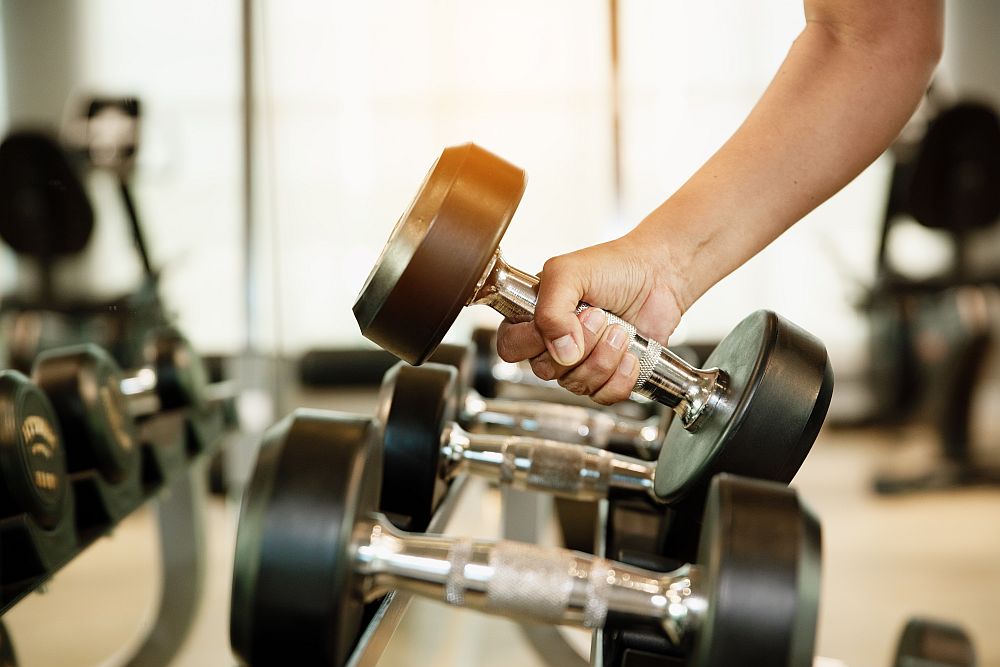
Dumbbells usually come in pounds or kilograms. Most sets list their weight clearly on the handle or plates. Gym dumbbells often range from 1 to 100 pounds. Some brands use fixed weights, while others offer adjustable plates. Weight markings help you track progress and balance exercises. Accurate measurements ensure you lift the correct weight every time.
Common Weight Variations
Not all dumbbells weigh exactly as labeled. Small differences happen due to manufacturing or materials. Cast iron dumbbells might vary by a few ounces. Adjustable dumbbells can have slight weight shifts between plates. Rubber-coated dumbbells sometimes weigh slightly more. These small changes rarely affect workouts but are good to know. Checking weight before use helps maintain workout consistency.
Credit: ceramics.org
Factors Affecting Dumbbell Accuracy
Dumbbell weights may not always be exact. Several factors affect their accuracy. Understanding these helps you choose better equipment and track progress well.
Manufacturing Tolerances
Manufacturers set limits on how much weight can vary. These limits are called tolerances. A dumbbell might weigh a little more or less than labeled. Cheaper brands often have wider tolerances. This means less accuracy in weight.
Material Differences
Dumbbells come in many materials like iron, steel, or plastic. Each material has different density and weight. Some materials wear down faster, changing weight over time. Coatings or paint layers add a tiny bit of weight too.
Wear And Tear Impact
Regular use causes scratches and dents. These changes can affect the dumbbell’s weight. Loose parts or missing screws also change the total weight. Over time, dumbbells may not feel the same as when new.
Methods To Check Dumbbell Weight
Checking the weight of dumbbells helps ensure your workout is safe and effective. Accurate weights keep your training on track. There are simple ways to verify if your dumbbells match their labeled weight. These methods require basic tools or comparisons you can do at home.
Using A Precision Scale
A precision scale gives the most accurate weight measurement. Place the dumbbell gently on the scale. Make sure the scale is on a flat surface. Read the weight displayed on the screen. Compare this number with the dumbbell’s labeled weight. Small differences are normal but large gaps may mean inaccurate weights.
Comparing With Known Weights
Use objects with a known weight to check your dumbbells. Weight plates or gym equipment often have marked weights. Hold the dumbbell and the known weight in each hand. Feel if they are similar. This method is less precise but helps spot big errors quickly. It works well if you do not have a scale.
Credit: echelonfit.com
Impact Of Inaccurate Dumbbells
Using dumbbells that are not accurate can affect your fitness journey. The weight you think you are lifting may not be the real weight. This difference can change how your body responds to exercise. It can also influence your results and safety.
Effect On Workout Progress
Inaccurate dumbbells can slow down your progress. If the weight is lighter than labeled, your muscles get less challenge. This means less strength and muscle gain over time. On the other hand, heavier dumbbells can cause early fatigue. You may stop workouts early or use poor form. Both cases reduce the quality of your training.
Injury Risks
Wrong dumbbell weights increase the chance of injury. Lifting heavier weights than expected can strain muscles and joints. You might lose balance or drop the dumbbell. Lighter weights may lead to poor technique and muscle imbalances. These problems raise the risk of sprains and strains. Using accurate weights helps keep workouts safe and effective.
Choosing Accurate Dumbbells
Choosing accurate dumbbells matters for your workout progress and safety. Accurate weights help you track strength gains better. They also reduce injury risk caused by uneven loads. Quality dumbbells give consistent weight every time you lift.
Not all dumbbells are made with the same precision. Some vary slightly from their listed weight. Choosing the right type and brand can improve your training results.
Trusted Brands And Models
Trusted brands offer reliable weights with minimal variation. They use better materials and stricter quality control. Popular models often come with certifications or weight labels. Reading reviews helps find brands known for accuracy. Investing in well-known brands means more consistent workouts.
Adjustable Vs Fixed Weights
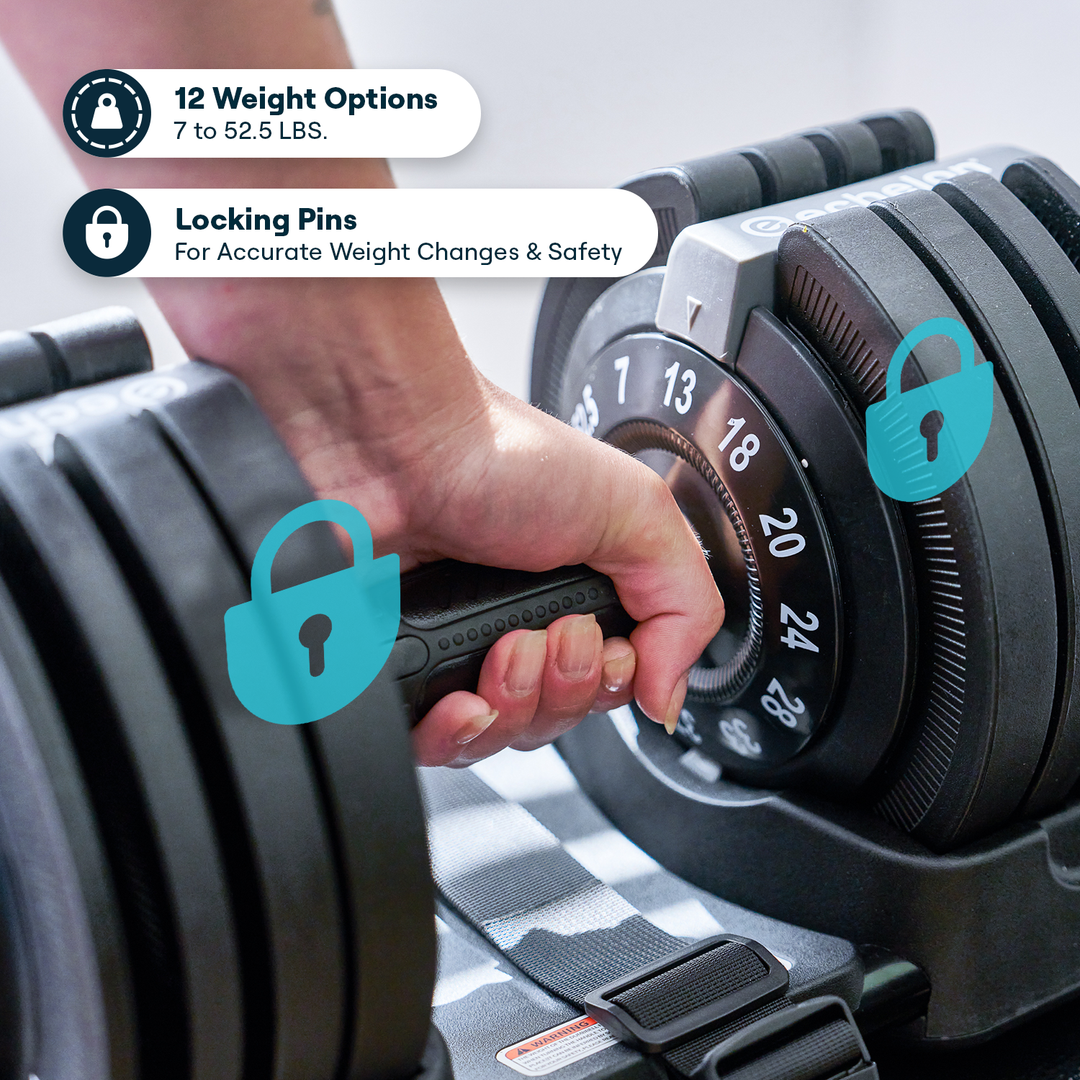
Fixed dumbbells have a set weight that rarely changes. They tend to be more accurate due to fewer moving parts. Adjustable dumbbells allow weight changes but may have slight discrepancies. Some adjustable designs are very precise, but cheaper ones can vary. Decide based on your budget and training style.

Credit: www.americansportandfitness.com
Frequently Asked Questions
Are Dumbbell Weights Usually Accurate?
Most dumbbell weights are fairly accurate, with minor variances. Quality brands follow strict manufacturing standards to ensure weight precision, typically within 1-2% of the stated weight.
Why Might Dumbbell Weights Be Inaccurate?
Inaccuracies occur due to manufacturing inconsistencies, wear and tear, or cheaper materials. Over time, coatings can chip, altering actual weight slightly and affecting accuracy.
How To Check Dumbbell Weight Accuracy At Home?
Use a precise scale to weigh your dumbbells. Compare the measured weight against the labeled weight for an accurate assessment.
Do Adjustable Dumbbells Have Weight Accuracy Issues?
Adjustable dumbbells may have slight weight variances due to locking mechanisms and plate fit. However, reputable brands minimize these discrepancies for reliable workouts.
Conclusion
Dumbbell weights are mostly accurate but can vary slightly. Small differences do not affect your workout much. Regularly check your dumbbells to stay safe and effective. Quality brands usually give better weight consistency. Trust your feel as well as the numbers shown.
Focus on steady progress, not perfect weight every time. Consistency matters more than exact weight in training. Choose dumbbells that fit your budget and goals. Keep your routine simple and enjoy your fitness journey.