Are you ready to start building strength and confidence with just a pair of dumbbells? Whether you’re new to working out or coming back after a break, the right beginner dumbbell workout can make all the difference.
Imagine feeling stronger, more energized, and seeing real progress without complicated moves or expensive equipment. This guide will show you simple, effective exercises designed just for you. Keep reading, and discover how easy it is to take the first step toward a fitter, healthier you.
Choosing The Right Dumbbells
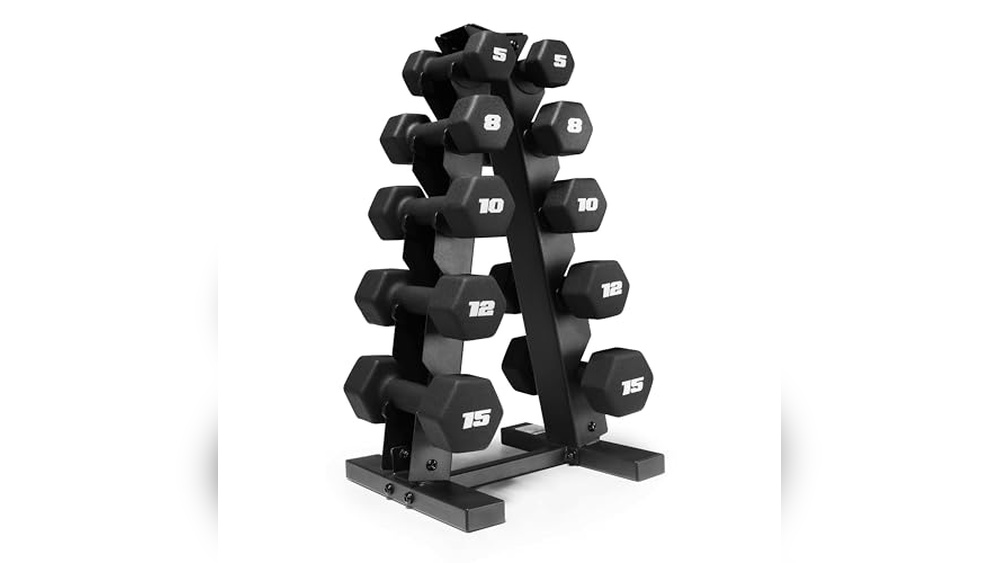
Choosing the right dumbbells is key for a good workout start. The right dumbbells help avoid injury and build strength safely. Picking dumbbells that match your fitness level is smart. This guide helps you find the best dumbbells for beginners.
Weight Selection Tips
Select dumbbells that feel challenging but still comfortable. Start light to learn proper form. Gradually increase weight as you get stronger. Choose weights that allow 8 to 12 repetitions per set. Avoid weights that cause pain or poor technique.
Types Of Dumbbells
Fixed dumbbells have a set weight and are easy to use. Adjustable dumbbells save space and let you change weight. Vinyl-coated dumbbells are good for beginners and protect floors. Iron dumbbells last long and offer good grip. Pick a type that fits your space and workout style.
Budget-friendly Options
Look for dumbbells made with durable materials at low cost. Adjustable sets can save money over buying many fixed weights. Check online marketplaces for secondhand deals. Simple designs often cost less and still work well. Invest wisely to get good value without overspending.
Essential Warm-up Exercises
Starting your dumbbell workout with a proper warm-up is very important. It prepares your muscles and joints for exercise. Warming up helps reduce injury risk and improves your performance.
Focus on moves that increase blood flow and gently stretch your body. This helps your muscles get ready for lifting weights. Two key parts of a good warm-up are dynamic stretches and joint mobility moves.
Dynamic Stretches
Dynamic stretches involve active movements that stretch your muscles. These stretches raise your heart rate and increase blood flow. Examples include leg swings, arm circles, and walking lunges. These moves warm your muscles without holding a position too long. They prepare your body for the workout ahead.
Joint Mobility Moves
Joint mobility moves help improve the range of motion in your joints. Moving your joints through their full range reduces stiffness. Examples are ankle circles, wrist rotations, and hip openers. These exercises make lifting dumbbells easier and safer. They also help your body move better during workouts.
Basic Dumbbell Exercises
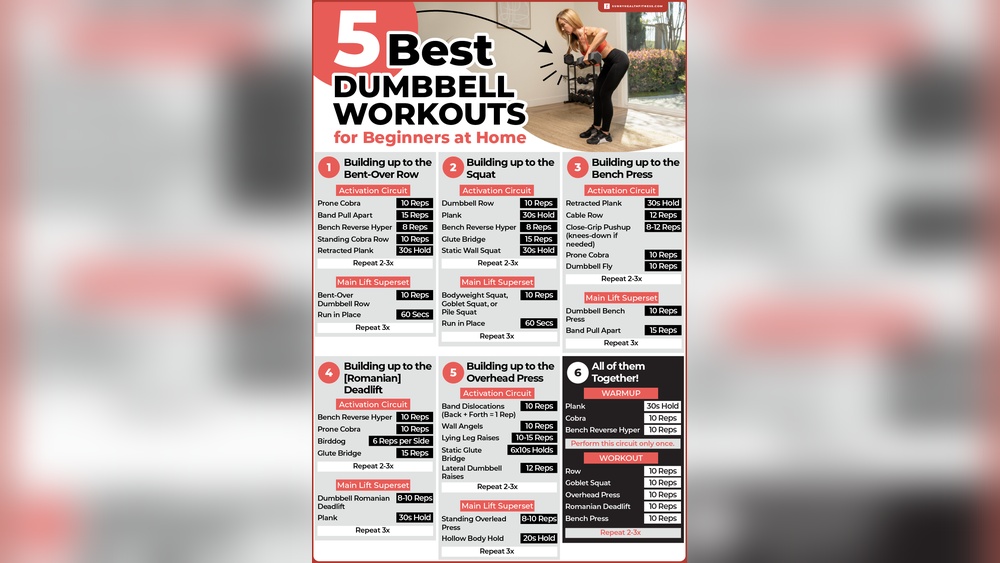
Basic dumbbell exercises build strength and improve muscle tone. They work many muscles and help your body stay balanced. These exercises are simple and perfect for beginners. You can do them at home or in the gym. Start with light weights and focus on good form. Consistency is key to seeing progress.
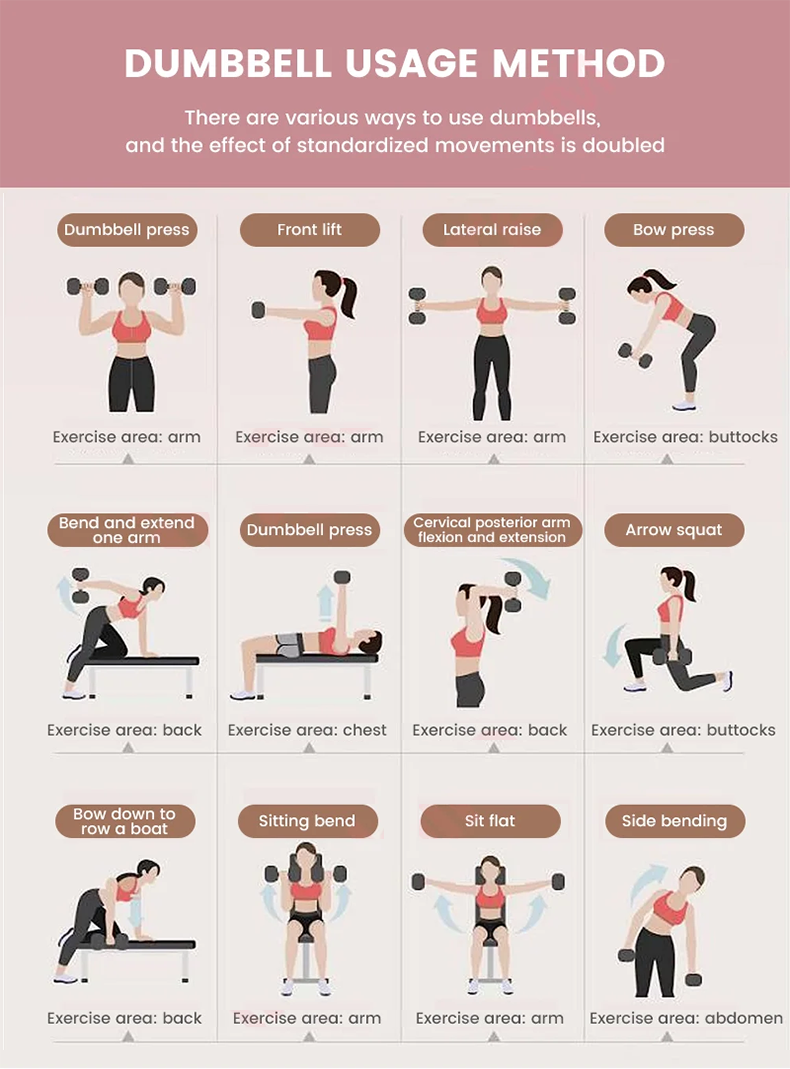
Here are some essential dumbbell exercises to begin your workout routine.
Squats And Lunges
Squats and lunges strengthen your legs and glutes. Hold dumbbells at your sides for added resistance. Keep your back straight and knees aligned with toes. Squats target thighs and hips. Lunges improve balance and work each leg separately.
Chest Press Variations
Chest presses build your chest and arm muscles. Lie on a bench or the floor. Hold dumbbells above your chest. Push the weights up and lower slowly. Try different angles to target all chest parts. Keep your movements controlled and steady.
Rows For Back Strength
Rows strengthen your back and arms. Bend slightly at the hips. Hold dumbbells and pull them toward your waist. Squeeze your shoulder blades together. This exercise improves posture and reduces back pain. Keep your core tight throughout the movement.
Shoulder Press Techniques
Shoulder presses develop shoulder and arm muscles. Hold dumbbells at shoulder height. Push them upward until arms are straight. Lower slowly to start position. Avoid arching your back. This exercise increases upper body strength and stability.
Bicep Curl Basics
Bicep curls focus on the front arm muscles. Hold dumbbells with palms facing forward. Bend your elbows and lift the weights. Lower them slowly without swinging. Keep your elbows close to your body. This helps tone and strengthen your arms.
Tricep Extensions
Tricep extensions target the back of your arms. Hold one dumbbell with both hands overhead. Slowly bend your elbows to lower the weight behind your head. Straighten your arms back up. Keep your upper arms still. This exercise shapes and strengthens triceps.

Credit: rosavtomattorg.ru
Structuring Your Workout
Structuring your dumbbell workout is key to steady progress. A clear plan helps you build strength safely. It also keeps you motivated and consistent. Start with simple rules. Follow them to make each session effective.
Organize your exercises by reps, sets, rest, and schedule. This keeps your body challenged and gives time to recover. Here are some easy guidelines for beginners.
Reps And Sets For Beginners
Start with 8 to 12 reps per set. This range builds both strength and muscle. Aim for 2 to 3 sets per exercise. Keep the weight light at first. Increase weight slowly as you get stronger. Focus on good form over heavy lifting. This prevents injury and teaches control.
Rest Periods
Rest between sets for about 30 to 60 seconds. Short rests keep your heart rate up. It also helps build endurance. Take longer rests if you feel too tired. Listen to your body and adjust rest time. Proper rest improves performance in each set.
Weekly Workout Schedule
Plan to work out 3 times a week. This allows muscles to recover and grow. Space workouts with at least one rest day in between. Example: Monday, Wednesday, and Friday sessions. Use rest days for light activity or stretching. A regular schedule keeps progress steady and safe.
Tracking Progress
Tracking progress is key to improving your dumbbell workout. It helps you see gains and stay motivated. Without tracking, it’s hard to know what works or what to change. Simple steps can make a big difference. Keep records and watch your strength grow over time.
Recording Workouts
Write down each workout session. Note the exercises, sets, and reps. Include the weight used for every move. This helps you remember what you did. It shows if you are lifting more or less. Use a notebook or a phone app. Check your records before each workout.
Adjusting Weight And Intensity
Increase the weight when exercises feel easy. Add more reps or sets to challenge muscles. Change the speed of your lifts for variety. Small changes prevent plateaus and boost strength. Don’t rush; progress slowly to avoid injury. Track these changes to see what helps most.
Common Mistakes To Avoid
Starting a dumbbell workout can be exciting and rewarding. Many beginners make common mistakes that slow progress or cause injury. Avoiding these errors helps build strength safely and effectively. Focus on good habits from day one for the best results.
Poor Form
Poor form is the biggest mistake beginners make. Using incorrect posture or movement can lead to injury. It also reduces workout effectiveness. Always keep your back straight and control each movement. Start with light weights to practice proper form. Stop if you feel pain or discomfort.
Overtraining Risks
Overtraining happens when muscles do not get enough rest. Working out every day without breaks can cause fatigue and injury. Beginners need rest days to let muscles repair and grow. Aim for two or three workout days per week. Balance exercise with rest to avoid burnout.
Ignoring Recovery
Recovery is part of the workout process. Skipping warm-ups, cool-downs, or stretching can slow progress. Muscles need time to heal and strengthen. Drink water, eat protein, and get enough sleep. These steps help reduce soreness and improve performance.
Nutrition Tips For Strength
Good nutrition supports your strength training with dumbbells. Eating the right foods helps your muscles grow and recover. Simple nutrition tips can boost your workout results and keep your energy up.
Focus on balanced meals that include protein, water, and healthy snacks. These elements work together to improve your strength and overall health.
Protein Intake
Protein is key for muscle repair and growth. Aim to eat lean proteins like chicken, fish, beans, or tofu. Spread your protein intake evenly across meals for steady muscle support. About 20-30 grams of protein per meal works well for beginners.
Hydration Importance
Water keeps your body working well during workouts. Drink plenty of water before, during, and after exercise. Staying hydrated helps reduce fatigue and muscle cramps. Try to drink at least 8 cups of water daily, more if you sweat a lot.
Post-workout Snacks
Snacks after exercise help your muscles recover faster. Choose snacks with protein and carbs, like yogurt with fruit or a peanut butter sandwich. Eat within 30 to 60 minutes after your workout for best results. This helps refill energy and repair muscles.
Credit: www.liftingitalia.com
Staying Motivated
Staying motivated is key to keeping up with any workout routine. Beginners often start strong but lose interest fast. Small challenges and slow progress can make motivation drop. Finding ways to stay motivated helps you stick to your dumbbell workouts.
Setting Realistic Goals
Set small, clear goals that you can reach. Goals like lifting slightly heavier weights or doing more reps work well. Realistic goals keep you feeling successful and push you forward. Avoid setting goals that feel too hard or far away.
Finding A Workout Buddy
Working out with a friend makes exercise fun. A buddy can keep you accountable and encourage you. You will enjoy the time more and want to show up. Sharing progress and challenges helps both of you stay motivated.
Celebrating Milestones
Recognize your progress, no matter how small. Celebrate each new skill or weight you lift. Milestones show you that your hard work pays off. Reward yourself with a rest day or a healthy treat. This keeps your energy and spirits high.

Credit: michaeljfaris.com
Frequently Asked Questions
What Dumbbell Weight Is Best For Beginners?
Start with light weights between 5-15 pounds. Choose weights that challenge you without straining muscles. Gradually increase weight as strength improves.
How Often Should Beginners Do Dumbbell Workouts?
Aim for 2-3 sessions per week. Allow at least one day of rest between workouts. Consistency ensures steady progress and muscle recovery.
Which Exercises Are Essential In Beginner Dumbbell Routines?
Include basic moves like bicep curls, shoulder presses, and dumbbell squats. These exercises target major muscle groups safely and effectively.
Can Dumbbell Workouts Help Build Muscle Fast?
Yes, with proper form and progressive overload, dumbbell workouts build muscle efficiently. Combine workouts with good nutrition for faster results.
Conclusion
Starting with dumbbell workouts builds strength and confidence fast. Small steps lead to big fitness gains. Keep your routine simple and stay consistent. Rest days help your muscles grow stronger. Use this beginner plan to create healthy habits. Soon, you will feel more active and energized.
Enjoy the process and celebrate each success. Fitness is a journey, not a race. Keep moving forward, one workout at a time.