Are you ready to build stronger, more defined chest and shoulders without needing a lot of equipment? Using just dumbbells, you can target these key muscle groups effectively and see real results.
Whether you’re working out at home or in the gym, the right exercises can help you boost strength, improve posture, and enhance your overall look. Keep reading, and you’ll discover the best chest and shoulder dumbbell workout that fits your routine and pushes your limits safely and efficiently.
Your stronger upper body starts here.
Chest Dumbbell Exercises
Chest dumbbell exercises build strength and shape the chest muscles. Dumbbells allow a full range of motion. They target muscles more evenly than machines or barbells. You can adjust the angle to focus on different chest parts. These exercises also engage stabilizer muscles for better balance.
Using dumbbells helps improve muscle symmetry. Each side works independently. This reduces muscle imbalances and improves overall chest development. Let’s explore some effective dumbbell exercises for the chest.
Flat Dumbbell Press
The flat dumbbell press targets the middle chest. Lie on a flat bench with a dumbbell in each hand. Press the weights up until arms are straight. Lower them slowly to chest level. Keep your feet flat and back pressed to the bench. This move builds strength and size in the chest muscles.
Incline Dumbbell Press
The incline dumbbell press focuses on the upper chest. Set the bench at a 30 to 45-degree angle. Hold dumbbells with palms facing forward. Press the weights up and bring them down slowly. This exercise lifts and shapes the upper chest area. It also improves shoulder stability.
Dumbbell Flyes
Dumbbell flyes stretch and expand the chest muscles. Lie on a flat or incline bench. Hold dumbbells above your chest with arms slightly bent. Lower the weights out to the sides in a wide arc. Bring them back up by squeezing your chest. This move opens the chest and improves flexibility.
Pullover
The pullover works the chest and helps expand the rib cage. Lie on a bench with a dumbbell held over your chest. Slowly lower the dumbbell back over your head. Keep your arms slightly bent. Pull the weight back over your chest using your chest muscles. This exercise also engages the lats and core.
Shoulder Dumbbell Exercises
Strong shoulders improve your posture and make daily tasks easier. Dumbbell exercises target all parts of the shoulder muscle. They also help balance strength on both sides of your body. These moves increase muscle tone and reduce injury risk.
Use dumbbells to work your shoulders from different angles. This builds muscle evenly and improves shoulder stability. Start with light weights and focus on good form.
Overhead Dumbbell Press
The overhead dumbbell press strengthens your front and middle shoulder muscles. Hold a dumbbell in each hand at shoulder height. Push the weights straight up until your arms are fully extended. Lower slowly and repeat. This move also helps build arm strength.
Lateral Raises
Lateral raises target the middle part of the shoulder. Hold dumbbells at your sides with palms facing in. Lift your arms out to the side until they reach shoulder height. Keep a slight bend in your elbows. Lower the weights slowly back to the start. This exercise gives your shoulders a wider look.
Front Raises
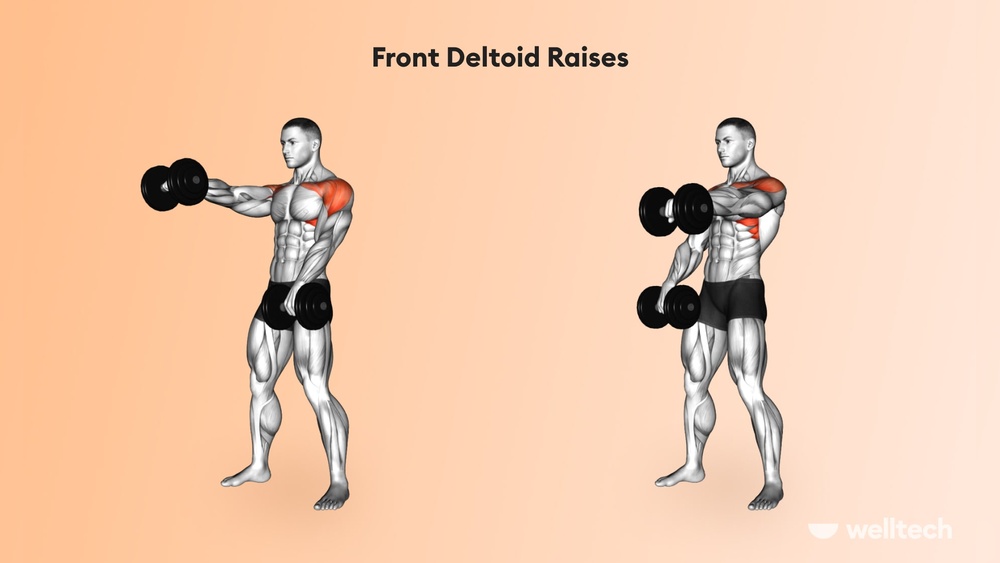
Front raises work the front shoulder muscles. Hold a dumbbell in each hand in front of your thighs. Lift the weights straight up to eye level. Keep your arms mostly straight but not locked. Lower the dumbbells with control. This move improves shoulder strength and definition.
Reverse Flyes
Reverse flyes target the rear shoulders and upper back. Bend slightly at the waist with dumbbells in each hand. Keep your back flat and arms hanging down. Lift your arms out to the sides until they are level with your shoulders. Slowly return to the starting position. This exercise helps correct posture and balance shoulder muscles.
Workout Routines For Strength
Building strength in your chest and shoulders requires consistent effort. Dumbbell workouts offer great flexibility and help target these muscles effectively. Structured routines can guide your progress and prevent injury. Choose the right level to match your current fitness.
Beginner Dumbbell Workout
Start with light weights and simple movements. Perform 3 sets of 10-12 reps for each exercise. Include dumbbell chest press, shoulder press, and front raises. Focus on form and control. Rest for 60 seconds between sets. This routine builds a strong foundation.
Intermediate Dumbbell Workout
Increase weight and add variety. Try 4 sets of 8-10 reps. Incorporate incline dumbbell press, lateral raises, and dumbbell flyes. Use a slower tempo to challenge muscles. Rest for 45 seconds between sets. This routine enhances muscle endurance and strength.
Advanced Dumbbell Workout
Lift heavier weights with complex exercises. Perform 5 sets of 6-8 reps. Include Arnold press, decline dumbbell press, and bent-over lateral raises. Use controlled negatives to boost muscle tension. Rest for 30 seconds between sets. This routine maximizes strength gains and muscle size.

Credit: www.tondicaffe.com
Form And Technique Tips
Good form and technique make your chest and shoulder dumbbell workout safe and effective. They help you target muscles correctly and avoid injuries. Even small errors can reduce your workout benefits. Focus on your grip, posture, and breathing. Notice common mistakes and fix them early. This way, you get the best results from your effort.
Proper Grip And Posture
Hold the dumbbells firmly but not too tight. Your wrists should stay straight to avoid strain. Keep your shoulders back and down. Stand or sit with a straight spine. Avoid slouching or leaning forward. This keeps your muscles engaged and protects your joints. Good posture helps you lift better and safer.
Breathing Techniques
Breathe out as you lift the dumbbells. This gives your muscles more power. Breathe in as you lower the weights slowly. Don’t hold your breath. It can raise your blood pressure and cause dizziness. Keep a steady, calm breathing rhythm. It helps keep your energy steady throughout the workout.
Common Mistakes To Avoid
Avoid swinging the dumbbells or using momentum. This reduces muscle work and can cause injury. Don’t lift weights that are too heavy. It leads to poor form and strain. Avoid locking your elbows at the top of the movement. Keep a slight bend to protect your joints. Don’t rush through the exercises. Slow and controlled movements work best.
Progression And Load Management
Progression and load management are key for chest and shoulder dumbbell workouts. They help your muscles grow and get stronger. Without careful progression, you risk injury or hitting a plateau. Managing load means balancing effort and rest. This keeps your training effective and safe over time.
Increasing Weight Safely
Start with a weight you can lift comfortably for 8 to 12 reps. Increase the weight in small steps. Add 2.5 to 5 pounds when the current weight feels easy. Focus on good form first. Avoid jumping to heavier weights too fast. Slow and steady weight increases protect your joints and muscles.
Tracking Your Progress
Keep a workout log to track your weights and reps. Write down each session’s details. Tracking helps you see improvements over weeks. It shows when to increase weights or change exercises. Use a notebook or a fitness app. Seeing progress motivates you to keep pushing forward.
Rest And Recovery
Rest days are important for muscle repair and growth. Allow at least 48 hours between chest and shoulder workouts. Sleep well to support recovery. Avoid training the same muscle groups daily. Proper rest reduces the risk of injury and keeps muscles strong.

Credit: www.liftingitalia.com
Supplementary Exercises
Supplementary exercises support your main chest and shoulder dumbbell workout. They improve overall strength and reduce injury risk. These moves help balance your body and boost workout results. Focus on core, back, and mobility for best outcomes.
Core Strengthening Moves
A strong core stabilizes your body during chest and shoulder exercises. Try planks, Russian twists, and leg raises. These moves improve balance and posture. A tight core helps lift heavier dumbbells safely.
Back Exercises For Balance
Strong back muscles prevent muscle imbalances and shoulder pain. Include dumbbell rows, reverse flys, and superman holds. These exercises strengthen your upper back and support shoulder joints. Balanced muscles reduce injury risk and improve posture.
Stretching And Mobility
Stretching keeps muscles flexible and joints healthy. Perform shoulder circles, chest openers, and doorway stretches. Mobility work increases your range of motion for better lifts. Stretch after workouts to reduce soreness and improve recovery.

Credit: www.investiraukongocentral.cd
Frequently Asked Questions
What Are The Best Dumbbell Exercises For Chest And Shoulders?
The best exercises include dumbbell bench press, dumbbell flyes, shoulder press, and lateral raises. These target both chest and shoulder muscles effectively.
How Often Should I Do Chest And Shoulder Dumbbell Workouts?
Aim for 2-3 times per week with rest days in between. This allows muscle recovery and growth without overtraining.
Can Dumbbells Build Bigger Chest And Shoulders Effectively?
Yes, dumbbells provide a full range of motion, helping build muscle size and strength in chest and shoulders.
What’s The Ideal Dumbbell Weight For Beginners?
Start with light weights that allow 12-15 reps per set. Gradually increase weight as strength improves.
Conclusion
Building strong chest and shoulders takes focus and effort. Use dumbbells to work muscles evenly and safely. Follow the exercises regularly for steady progress. Rest well between workouts to help muscles grow. Keep your form correct to avoid injuries. Stay consistent, and results will come in time.
Enjoy the process and feel your strength improve. This routine fits well for home or gym workouts. Start today and move closer to your fitness goals.


