Are you struggling to get the most out of your incline dumbbell press? The angle you choose can make a huge difference in targeting the right muscles and boosting your strength.
Finding the best degree for incline dumbbell press isn’t just about comfort—it’s about maximizing your gains and avoiding injury. You’ll discover the optimal angle that will take your chest workouts to the next level. Keep reading to unlock the secret to building a stronger, more defined upper chest with every press.
Incline Dumbbell Press Basics
The incline dumbbell press is a popular exercise for building upper chest strength. It targets muscles differently than flat presses. Understanding the basics helps you perform it correctly. This knowledge reduces injury risk and improves results.
Choosing the right bench angle and using proper form are key. Small changes affect which muscles work the most. Let’s explore the main points about this exercise.
Target Muscles
The incline dumbbell press mainly works the upper part of the chest. It also engages the front shoulder muscles and triceps. The angle shifts focus from the middle chest to the upper chest area. This helps create a balanced chest shape.
Benefits Over Flat Press
The incline press targets the upper chest more than the flat press. It helps improve shoulder stability and strength. Dumbbells allow a greater range of motion than a barbell. This can lead to better muscle growth and joint health.
Common Mistakes
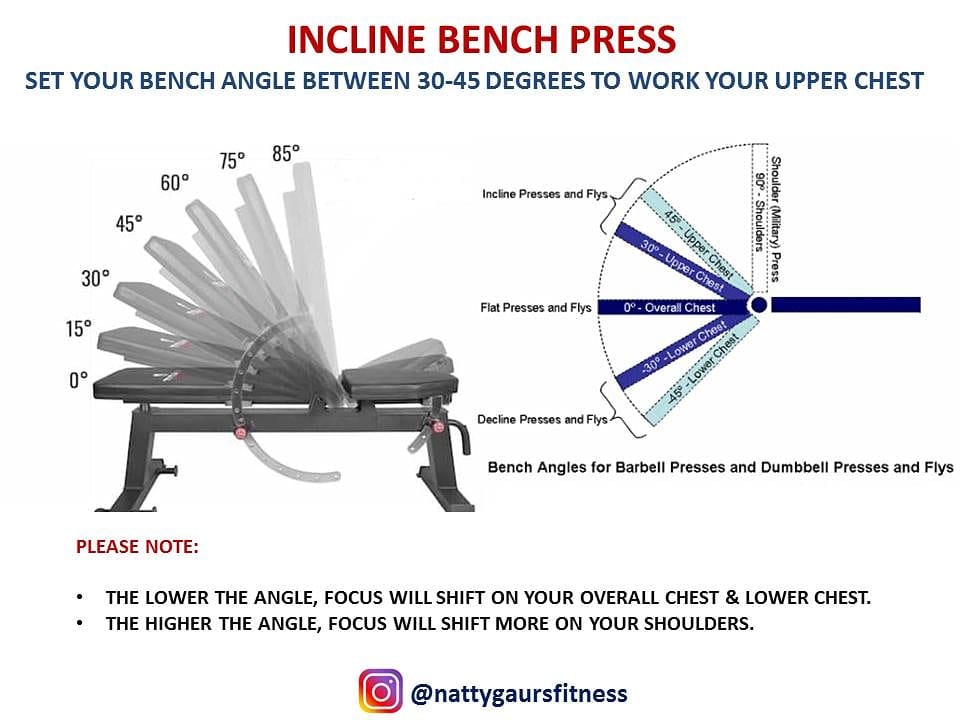
Many people use too steep an incline, which strains the shoulders. Lifting weights too heavy often causes poor form. Dropping elbows too low increases injury risk. Keep your movements controlled and the bench angle around 30-45 degrees.
Credit: www.utdcsn.com
Finding The Ideal Bench Angle
Finding the ideal bench angle for the incline dumbbell press is key to effective workouts. The bench angle changes which muscles work hardest. Small shifts in angle affect chest and shoulder muscles differently. Choosing the right angle helps target the upper chest well. It also keeps your shoulders safe during lifts.
Effects Of Different Angles
Lower angles, around 15 to 30 degrees, focus more on the upper chest. Higher angles, above 45 degrees, shift the work to the shoulders. A flat bench angle mainly hits the middle chest. Changing the angle alters muscle activation and workout feel. You can adjust angles to train specific parts of your chest.
Recommended Degrees For Chest Activation
The ideal range for best chest activation is 30 to 45 degrees. This angle hits the upper chest without overworking the shoulders. Many trainers suggest 30 degrees as a sweet spot. It balances muscle focus and comfort during the press. Adjust based on your body and goals.
Avoiding Shoulder Strain
Angles above 45 degrees often cause more shoulder strain. The shoulder joint bears more load at steep angles. Keep the bench angle moderate to protect your shoulders. Use proper form and avoid locking elbows. Shoulder pain can stop your progress fast. Safety first to lift longer and stronger.
Optimizing Form For Maximum Gains
Optimizing your form in the incline dumbbell press helps you build muscle safely. Proper technique reduces injury risk. It also targets the upper chest better. Small changes in grip, motion, and breathing make a big difference. Focus on these key areas for maximum gains.
Grip And Wrist Position
Hold the dumbbells firmly but not too tight. Keep your wrists straight to avoid strain. Wrists should stay aligned with your forearms. This position supports the weight evenly. It also helps you push more powerfully.
Range Of Motion Tips
Lower the dumbbells until your elbows are just below shoulder level. Avoid going too deep to protect your joints. Press the weights up fully but don’t lock your elbows. Controlled, smooth movements work muscles better than fast reps.
Breathing Techniques
Inhale as you lower the dumbbells slowly. Exhale while pressing the weights upward. Proper breathing helps stabilize your core. It also improves strength and endurance during the set.
Programming Incline Dumbbell Press
Programming the incline dumbbell press is key to building upper chest strength and size. Proper planning helps avoid plateaus and injury. It also ensures steady progress and balanced muscle growth.
Designing a workout routine around this exercise requires attention to sets, reps, and intensity. Combining it with other chest movements creates a well-rounded program. Understanding these factors leads to better results and safer training.
Sets And Reps For Muscle Growth
For muscle growth, aim for 3 to 4 sets per session. Each set should have 8 to 12 repetitions. This range targets hypertrophy effectively.
Rest 60 to 90 seconds between sets. This recovery time helps maintain strength for each set. Avoid doing too many reps with very light weights. Focus on controlled movements and good form.
Incorporating Progressive Overload
Increase the weight gradually over time. This challenges muscles and promotes growth. Add small increments, like 2.5 to 5 pounds, every week or two.
Track your progress in a workout journal. Note the weights, sets, and reps completed. Progressive overload prevents stagnation and keeps gains coming.
Balancing With Other Chest Exercises
Include flat bench presses to target the middle chest. Use decline presses for the lower chest area. This balance develops the entire chest muscle.
Incorporate push-ups and cable flys for variety. These exercises improve muscle endurance and shape. Rotate exercises each week for better results and less boredom.
Adjusting For Individual Differences
Choosing the best degree for the incline dumbbell press varies from person to person. Each body moves differently and feels comfort at unique angles. Adjusting the bench angle helps target muscles better and reduces injury risk. Small changes can make a big difference in your workout results.
Body Type Considerations
Body shape affects how you perform the incline dumbbell press. Taller people may need a lower incline to avoid shoulder strain. Shorter lifters often benefit from a steeper angle to engage the upper chest. Experiment with angles to find what fits your body best.
Shoulder Mobility And Comfort
Good shoulder mobility is key for a safe incline press. Limited mobility may cause pain at high angles. Choose an angle that does not hurt your shoulders. Keep your range of motion comfortable to avoid injury. Stop if you feel sharp pain during the exercise.
Using Alternative Angles
The common 30 to 45-degree incline is not the only option. Trying angles slightly above or below can help. A 15-degree angle targets the upper chest gently. Angles above 45 degrees shift focus to shoulders more than chest. Adjust bench angle based on your workout goals and comfort.
Common Variations To Try
Trying different variations of the incline dumbbell press helps target muscles in new ways. These changes can improve your strength and muscle growth. Small adjustments in grip or movement can make a big difference in your workout results.
Neutral Grip Incline Press
The neutral grip incline press uses dumbbells held with palms facing each other. This grip reduces shoulder strain and feels more natural for many lifters. It focuses more on the triceps and the upper chest. It is a good option for those with shoulder pain.
Single-arm Press
The single-arm press works one side of your body at a time. This helps fix muscle imbalances and improve core stability. It also forces your body to stabilize more, making the exercise harder. Start with light weights to keep good form.
Incline Press With Pause
The incline press with pause means holding the dumbbells at the bottom of the movement. Pausing for 1-2 seconds removes momentum and increases muscle tension. This builds strength and control. It makes the exercise slower but more effective.
Avoiding Injury And Enhancing Recovery
Performing the incline dumbbell press correctly reduces the risk of injury. Recovery helps muscles heal and grow stronger. Good habits before and after exercise protect your body. Focus on warming up, stretching, resting, and eating well to stay safe and improve results.
Warm-up Strategies
Start with light cardio for 5 to 10 minutes. This increases blood flow to muscles. Do dynamic stretches like arm circles and shoulder rolls. Use light dumbbells for a few reps before heavy lifting. Warming muscles prepares them for the workout ahead.
Post-workout Stretching
Stretch the chest, shoulders, and arms after your session. Hold each stretch for 20 to 30 seconds. Stretching improves flexibility and reduces muscle tightness. It helps prevent soreness and speeds up recovery. Avoid bouncing or forcing the stretch.
Rest And Nutrition
Rest days allow muscles to repair and grow stronger. Aim for 7 to 9 hours of sleep each night. Eat protein-rich foods to support muscle recovery. Drink plenty of water to stay hydrated. Balanced nutrition fuels your workouts and helps healing.
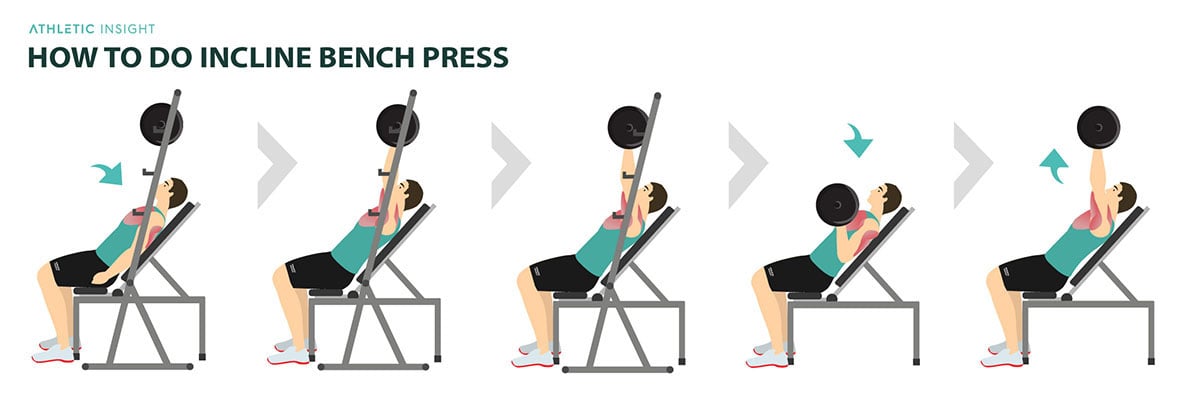
Credit: polimexparcel.com

Credit: www.youtube.com
Frequently Asked Questions
What Is The Best Incline Angle For Dumbbell Press?
The ideal incline angle ranges between 30 to 45 degrees. This targets the upper chest effectively while minimizing shoulder strain. Adjusting within this range helps maximize muscle activation and strength gains during the incline dumbbell press.
Which Muscle Groups Benefit Most From Incline Dumbbell Press?
The incline dumbbell press primarily targets the upper pectoral muscles. It also engages the anterior deltoids and triceps. This exercise enhances upper chest development and improves overall upper body strength and aesthetics.
How Does Dumbbell Weight Affect Incline Press Results?
Choosing the right dumbbell weight ensures proper form and muscle activation. Using weights that challenge but don’t compromise technique promotes strength and hypertrophy. Gradually increasing weight enhances muscle growth and endurance over time.
Can Incline Dumbbell Press Improve Shoulder Stability?
Yes, incline dumbbell press helps strengthen shoulder stabilizer muscles. It promotes balanced muscle development, reducing injury risk. Consistent training improves shoulder joint stability and overall upper body function.
Conclusion
Choosing the right angle for incline dumbbell press matters a lot. A 30 to 45-degree angle targets the upper chest best. This helps build strength and shape effectively. Too steep or too flat reduces the workout’s focus. Keep your form steady and controlled to avoid injury.
Small changes can make a big difference in results. Try different angles and feel what works for you. Consistency and good technique bring the best gains.