Are you ready to take your core training to the next level? The best dumbbell ab workout can help you build stronger, more defined abs faster than bodyweight exercises alone.
Whether you want to tone your midsection or improve overall strength, using dumbbells adds resistance that challenges your muscles in new ways. You’ll discover simple yet powerful moves designed to fit your routine and deliver real results. Keep reading to unlock the secret to a tighter, leaner core that you’ll be proud to show off.
Credit: vixencomposites.com
Benefits Of Dumbbell Ab Workouts
Dumbbell ab workouts offer many benefits beyond simple belly toning. Using dumbbells adds resistance, making your core muscles work harder. This leads to faster and better results. These exercises help improve strength, shape, and balance in your midsection.
Strong core muscles support your whole body. They help you move better and protect your back from injury. Dumbbell ab workouts target deep and surface muscles, creating a well-rounded core fitness routine.
Enhanced Core Stability
Dumbbells challenge your core to stay stable during movements. This improves your balance and control. A stable core helps in everyday activities, like lifting or bending. It also reduces the risk of falls and injuries. Stability training with dumbbells trains your muscles to work together effectively.
Improved Muscle Definition
Adding weight with dumbbells increases muscle tension. This helps burn fat around your abs faster. The muscles grow stronger and more visible. Dumbbell exercises target different parts of the core for better shape. Regular workouts create a leaner, more sculpted midsection.
Increased Functional Strength
Functional strength means using muscles in real-life tasks. Dumbbell ab workouts build this type of strength well. They improve your ability to lift, twist, and carry objects. This makes daily chores and sports easier. Your core becomes a strong base for all body movements.
Essential Dumbbells For Core Training
Dumbbells are great tools for strengthening your core muscles. They add resistance and help build stability. Using dumbbells in your ab workouts increases the challenge and improves results.
Choosing the right dumbbells can make your workout more effective. The right weight and type will suit your fitness level and goals. Understanding your options helps you train smarter and safer.
Choosing The Right Weight
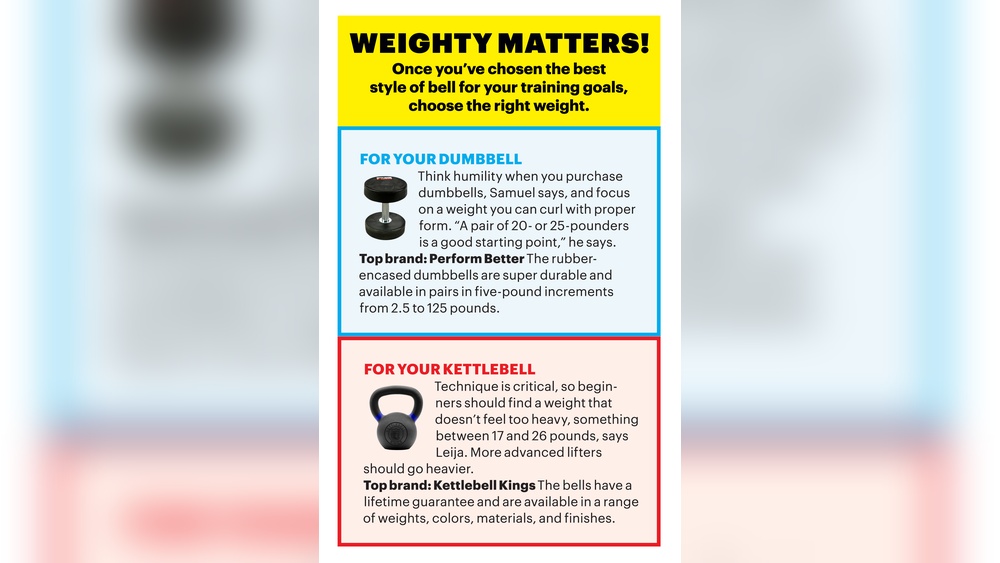
Start with a weight that feels comfortable but challenging. Too light will not work your muscles well. Too heavy can cause poor form and injuries. Try weights between 5 to 15 pounds for most core exercises. Increase the weight gradually as you get stronger. Listen to your body and adjust as needed.
Types Of Dumbbells
There are several types of dumbbells to consider. Fixed-weight dumbbells are simple and easy to use. Adjustable dumbbells save space and offer many weight options. Neoprene dumbbells have a soft coating for a better grip. Cast iron dumbbells are durable and common in gyms. Pick the type that fits your budget and workout space.
Warm-up Exercises For Core Activation
Warming up before a dumbbell ab workout helps prepare your core muscles. It reduces injury risk and improves exercise performance. Core activation warms up the muscles you will use most. This makes your workout safer and more effective. Start with gentle movements to get your body ready. Focus on exercises that gently stretch and increase blood flow to your core.
Dynamic Stretches
Dynamic stretches involve slow, controlled movements. They help loosen your muscles and joints. Examples include torso twists, side bends, and leg swings. These moves target your abdominal area and lower back. They increase flexibility and activate your core muscles. Perform each stretch for 10 to 15 seconds. Move smoothly without holding your breath.
Light Cardio Movements
Light cardio raises your heart rate and warms muscles. Try marching in place or gentle jumping jacks. These exercises boost circulation to your core and limbs. They prepare your body for more intense ab work. Keep the pace steady and easy. Spend 3 to 5 minutes on light cardio before starting your dumbbell routine.
Top Dumbbell Ab Exercises
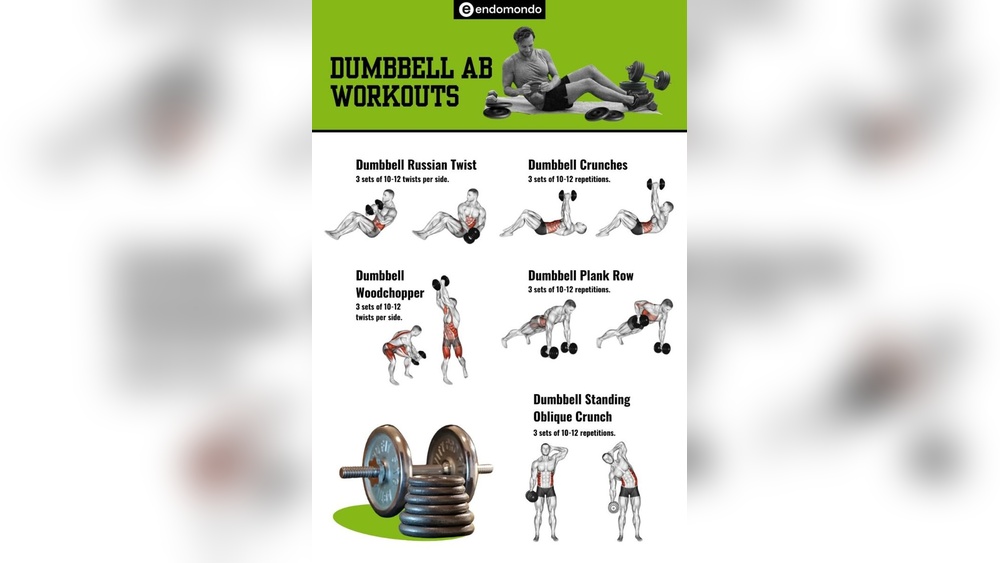
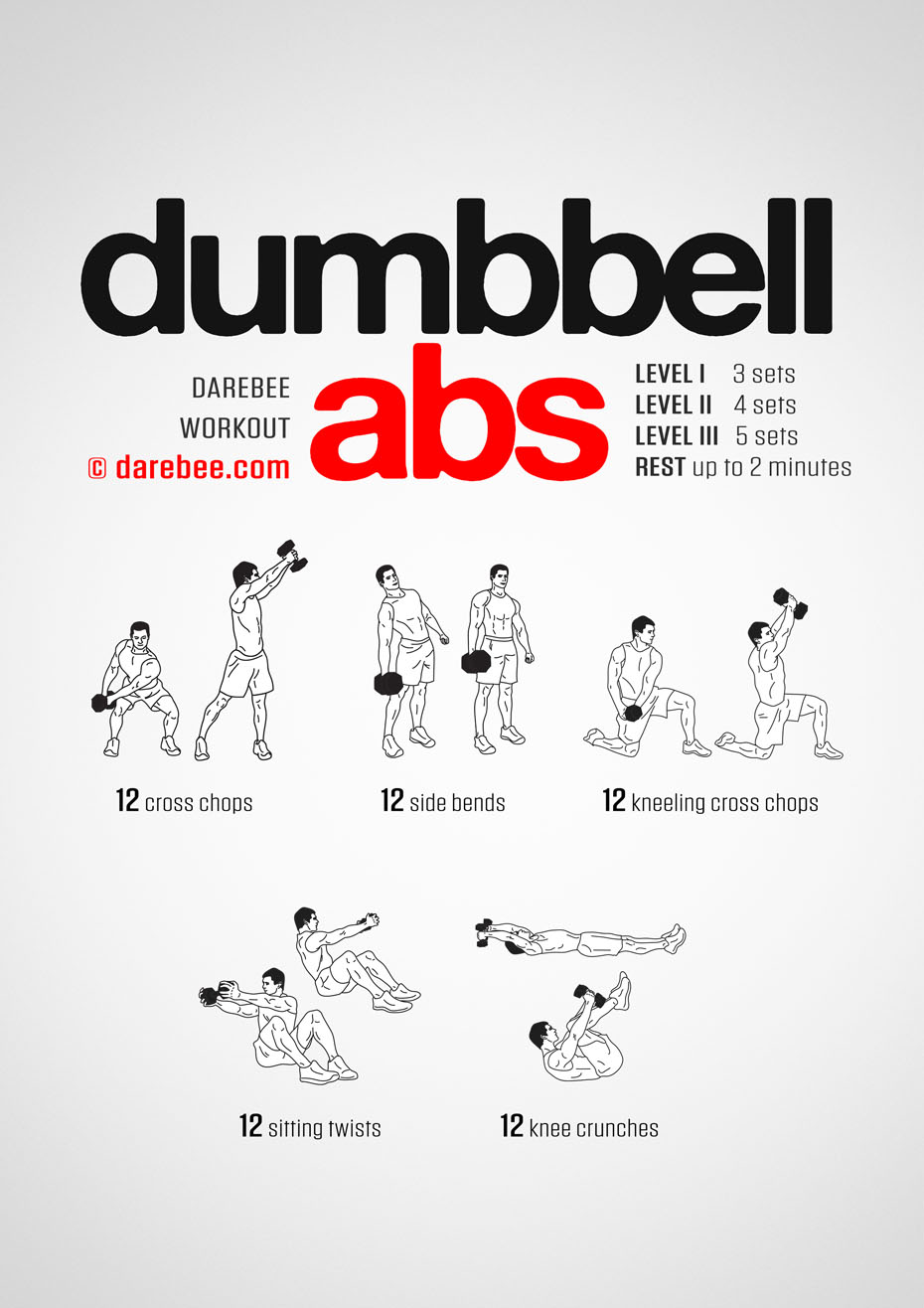
Strengthening your abs with dumbbells can boost your core power. Dumbbell exercises target different muscles in your abdomen. These moves help improve balance and support better posture. Using weights adds resistance, making your workout more effective. Here are some top dumbbell ab exercises to try.
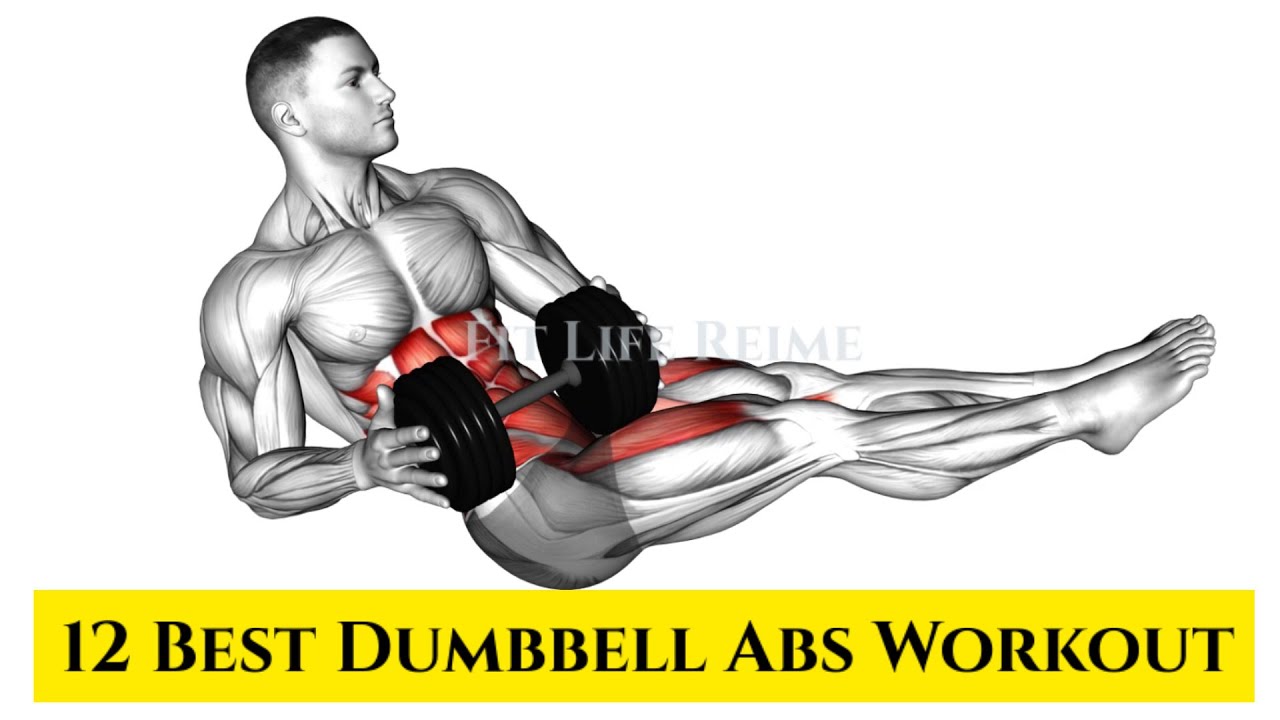
Weighted Russian Twists
Sit on the floor with knees bent. Hold a dumbbell with both hands. Twist your torso to the right, then to the left. Move slowly and control your motion. This exercise works your obliques and improves rotational strength.
Dumbbell Side Bends
Stand straight with a dumbbell in one hand. Slowly bend sideways toward the dumbbell. Return to the starting position. Repeat on the other side. Side bends target the muscles along your waist and improve lateral flexion.
Renegade Rows
Start in a push-up position, holding a dumbbell in each hand. Pull one dumbbell toward your chest while balancing on the other arm. Lower it back down. Repeat with the opposite arm. This move works your abs, back, and arms together.
Weighted Sit-ups
Lie on your back with knees bent. Hold a dumbbell on your chest. Sit up slowly, lifting your upper body. Lower back down with control. Weighted sit-ups strengthen the front abdominal muscles effectively.
Dumbbell Toe Touches
Lie on your back with legs raised straight up. Hold a dumbbell with both hands above your chest. Reach your hands toward your toes by lifting your shoulders. Lower back down gently. This exercise targets the upper abs and improves flexibility.
Creating An Effective Core Routine
Creating an effective core routine with dumbbells helps build strong abs and improve balance. A focused routine targets all core muscles evenly. This approach reduces injury risk and speeds up progress. Structure matters. The right exercise order, sets, and rest periods make workouts efficient and effective.
Exercise Order And Timing
Start with compound moves that engage multiple muscles. Examples include dumbbell Russian twists or weighted sit-ups. Follow with isolation exercises like dumbbell side bends. This order keeps energy high and muscles fresh. Perform each exercise with controlled speed. Avoid rushing. Quality beats quantity in core training.
Sets And Reps Guidelines
For strength, aim for 3 to 4 sets per exercise. Keep reps between 10 and 15. For endurance, increase reps to 20 or more. Use a dumbbell weight that challenges you but allows good form. Adjust sets and reps as you gain strength. Consistency leads to steady improvement.
Rest And Recovery
Rest between sets for 30 to 60 seconds. Short rests keep muscles engaged and heart rate up. Take longer breaks if lifting heavier weights. Allow at least 48 hours between core workouts. Recovery helps muscles grow stronger. Listen to your body and avoid overtraining.
Common Mistakes To Avoid
Many people make mistakes during dumbbell ab workouts. These errors reduce results and can cause injuries. Avoiding common mistakes helps you exercise safely and effectively.
Poor Form And Posture
Bad form can hurt your back and neck. Keep your spine straight and core tight. Move slowly and control each motion. Avoid jerky or fast movements. Good posture protects your body and improves results.
Overloading Weight
Choosing dumbbells that are too heavy risks injury. Start with light weights to learn proper moves. Increase weight gradually as you get stronger. Heavy weights can cause strain and reduce workout quality.
Neglecting Breathing Techniques
Holding your breath limits oxygen to muscles. Breathe out during effort and breathe in while resting. Proper breathing improves strength and endurance. It also helps you stay focused during exercises.
Progression Tips For Core Strength
Building core strength takes time and effort. Progression is key to keep your muscles growing and getting stronger. Dumbbell ab workouts offer many ways to challenge your core. Small changes in weight, reps, or moves can make a big difference.
Increasing Dumbbell Weight
Start with a weight that feels comfortable but still challenges you. Gradually add more weight as your core becomes stronger. Heavier dumbbells force your muscles to work harder. This leads to better strength and muscle tone over time. Never increase weight too fast to avoid injury.
Adding More Repetitions
Repetitions help build endurance and muscle control. Try doing more reps in each set as you improve. For example, increase from 10 to 15 reps per set. This pushes your core to adapt and grow. Keep your form perfect to get the best results.
Incorporating Advanced Moves
Challenge your core with more difficult exercises. Moves like dumbbell Russian twists or weighted leg raises add intensity. These exercises target different parts of the core. Adding variety prevents workout boredom and plateaus. Focus on control and balance during advanced moves.
Credit: www.youtube.com
Complementary Exercises For Core
Core strength is key for a strong and balanced body. Dumbbell ab workouts target your muscles well. Complementary exercises help build endurance and stability. They support your main ab routine and improve overall results.
These moves engage different parts of your core. They help prevent injury and improve posture. Add variety to keep your workouts fresh. Focus on control and steady breathing during each exercise.
Planks Variations
Planks build deep core strength. Try side planks to work your obliques. Forearm planks target the entire abdominal area. Hold each position steady for 20 to 40 seconds. Keep your body straight and avoid sagging hips. Change hand or leg positions to add difficulty.
Leg Raises
Leg raises focus on the lower abs. Lie flat on your back and lift legs slowly. Keep your lower back pressed to the floor. Lower legs without touching the ground to increase tension. Perform 10 to 15 slow reps for best effect. This exercise improves control and core endurance.
Mountain Climbers
Mountain climbers combine cardio and core work. Start in a plank position and bring knees to chest. Alternate legs quickly but keep hips low. This exercise fires up your core and raises heart rate. Aim for 30 to 60 seconds per set. It also helps with coordination and balance.
Safety And Injury Prevention
Safety is key when doing dumbbell ab workouts. Avoiding injury helps you train longer and better. Pay close attention to your body. Small steps can prevent big problems.
Use smart habits. Warm up right and cool down well. Know your limits. Get help if pain lasts or worsens. Protect your body for steady progress.
Proper Warm-up And Cool-down
Start each session with a light warm-up. This raises your heart rate and loosens muscles. Try simple moves like jogging in place or arm circles. After your workout, spend time cooling down. Stretch your abs and back gently. This helps reduce soreness and stiffness.
Listening To Your Body
Pay attention to how you feel during workouts. Stop if you feel sharp pain or discomfort. Mild muscle burn is normal, but not pain. Take breaks and adjust weights as needed. Rest days are important for recovery and strength.
When To Seek Professional Help
Seek advice if pain lasts more than a few days. A trainer can check your form and technique. A doctor can rule out injuries or health issues. Don’t ignore persistent discomfort. Early help keeps you safe and on track.

Credit: meacoops.or.th
Frequently Asked Questions
What Are The Best Dumbbell Ab Exercises?
The best dumbbell ab exercises include Russian twists, weighted sit-ups, dumbbell side bends, and dumbbell toe touches. These target all core muscles effectively and help build strength and definition in your abs.
How Often Should I Do Dumbbell Ab Workouts?
Perform dumbbell ab workouts 2-3 times per week. Allow at least one day of rest between sessions to let muscles recover and grow stronger.
Can Dumbbell Ab Workouts Help Lose Belly Fat?
Dumbbell ab workouts strengthen muscles but don’t directly burn belly fat. Combine them with cardio and a healthy diet for effective fat loss.
What Weight Dumbbells Are Ideal For Ab Workouts?
Start with light to moderate weights, around 5 to 15 pounds. Increase weight gradually as your core strength improves to avoid injury.
Conclusion
Dumbbell ab workouts build strong and toned core muscles. They help improve balance and support daily movements. You can do these exercises at home or the gym. Consistency is key to seeing results over time. Start with light weights and increase slowly.
Remember to keep your form correct to avoid injury. Enjoy your workouts and feel your strength grow. Strong abs support a healthy, active lifestyle. Keep practicing and stay motivated every day.