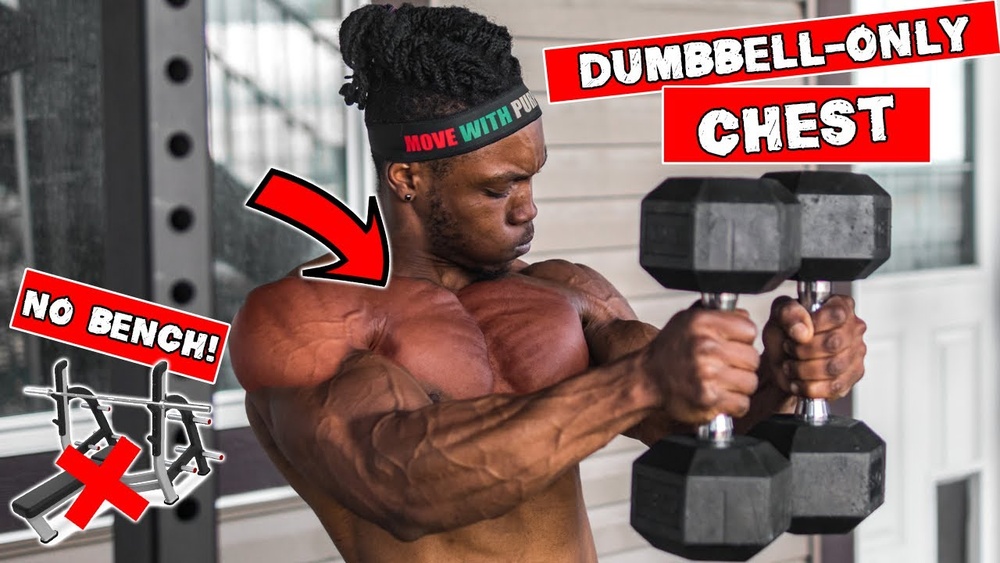
Looking to build a stronger, more defined chest without leaving your home? You’re in the right place.
With just a pair of dumbbells, you can unlock powerful chest workouts that fit your schedule and space. Imagine feeling confident in your shirt or rocking that sleeveless look—all from your living room. This guide will show you the best dumbbell chest workout at home, designed to boost your strength and shape your chest effectively.
Ready to transform your upper body? Let’s dive in and make every rep count.
Benefits Of Dumbbell Chest Workouts
Dumbbell chest workouts offer many benefits for building a strong, healthy chest. Using dumbbells helps target muscles more evenly than machines or barbells. This leads to better muscle growth and strength.
Working out at home with dumbbells saves time and money. You can exercise anytime without waiting for gym equipment. These workouts also improve your balance and stability, which helps with daily activities.
Muscle Activation And Growth
Dumbbells allow a greater range of motion than other equipment. This activates more chest muscle fibers during each exercise. Better activation means faster muscle growth. You also engage smaller stabilizer muscles that support your chest.
Improved Strength And Stability
Using dumbbells forces your muscles to work harder to balance the weights. This builds both strength and stability in your chest and shoulders. Improved stability reduces injury risk in other workouts and daily tasks.
Convenience Of Home Workouts
Dumbbells are compact and easy to store. They fit well in small spaces at home. You can do effective chest workouts without expensive machines. This convenience helps keep a regular workout routine.
Essential Equipment For Home Workouts
Setting up a home workout space starts with the right equipment. The best dumbbell chest workout needs tools that fit your space and goals. Having essential gear helps you exercise safely and effectively. It also keeps you motivated to train regularly.
Choosing The Right Dumbbells
Select dumbbells that suit your strength level and workout type. Adjustable dumbbells save space and offer different weights in one set. Fixed-weight dumbbells are simple and durable. Choose a weight that challenges your muscles but allows good form. Neoprene or rubber-coated dumbbells protect your floors and reduce noise.
Optional Accessories For Support
A sturdy bench adds variety to your dumbbell chest workouts. It supports exercises like dumbbell presses and flys. Exercise mats provide comfort and protect your joints. Wrist wraps help stabilize your wrists during heavy lifts. Having these accessories improves safety and workout quality at home.
Warm-up Exercises To Prepare
Preparing your chest muscles before a dumbbell workout is important. Warm-up exercises increase blood flow and reduce injury risk. They make your muscles ready for the work ahead. Spend about 5 to 10 minutes warming up. Focus on movements that loosen your shoulders, chest, and arms.
Dynamic Stretching
Dynamic stretching helps improve muscle flexibility and joint mobility. Try arm circles to loosen your shoulder joints. Swing your arms forward and backward slowly. Perform chest openers by extending your arms wide and then crossing them in front of your chest. Repeat these movements 10 to 15 times. This warms up your chest and prepares it for lifting dumbbells.
Light Dumbbell Movements
Use light dumbbells to activate your chest muscles. Start with dumbbell chest presses using very light weights. Lie on the floor or bench and press the weights up slowly. Do 2 sets of 10 to 12 reps. Follow this with dumbbell flyes, moving your arms wide and then together. Light weights help your muscles adjust to the workout. This step reduces muscle stiffness and improves performance.

Credit: totalplumbingfl.com
Top Dumbbell Chest Exercises
Building a strong chest at home is simple with dumbbells. They help target different chest muscles effectively. This section covers the top dumbbell chest exercises you can do anywhere. Each exercise focuses on a specific part of your chest for balanced growth and strength.
Flat Dumbbell Press
Lie flat on a bench or floor. Hold dumbbells above your chest with arms straight. Lower them slowly until your elbows are at 90 degrees. Push the dumbbells back up. This exercise targets the middle chest and builds strength.
Incline Dumbbell Press
Set your bench at a 30-45 degree angle. Hold dumbbells above your upper chest. Lower them slowly until your elbows are bent. Press the dumbbells back up. This move focuses on the upper chest muscles.
Dumbbell Flyes
Lie flat on a bench or floor. Hold dumbbells above your chest with arms slightly bent. Open your arms wide to stretch the chest. Bring the dumbbells back together over your chest. This exercise helps widen and shape your chest.
Pullover
Lie flat on a bench or floor. Hold one dumbbell with both hands above your chest. Slowly lower it behind your head. Pull the dumbbell back over your chest. This exercise works the chest and the upper back muscles.
Close-grip Dumbbell Press
Lie flat on a bench or floor. Hold dumbbells close together above your chest. Lower them slowly while keeping them close. Press the dumbbells back up. This move targets the inner chest and triceps.
Workout Plans For Different Goals
Different fitness goals need different workout plans. Choosing the right plan helps you reach your goal faster. Whether you want to build strength, grow muscle size, or improve endurance, your dumbbell chest workout should match your aim.
This section shows simple plans for each goal. Follow the routines that fit what you want to achieve.
Strength Building Routine
Focus on heavy weights with fewer repetitions. Use dumbbells you can lift for 4 to 6 reps per set. Rest for 2 to 3 minutes between sets to recover fully. Exercises like dumbbell bench press and dumbbell floor press work well. Perform 3 to 5 sets per exercise. Increase weight gradually to keep building strength.
Muscle Hypertrophy Plan
Choose moderate weights and aim for 8 to 12 reps per set. Rest for 30 to 60 seconds between sets to keep muscles under tension. Use exercises such as dumbbell flyes and incline dumbbell press. Perform 3 to 4 sets per exercise. Focus on slow, controlled movements to maximize muscle growth.
Endurance Focused Sessions
Use lighter weights with higher repetitions. Aim for 15 to 20 reps per set. Keep rest periods short, around 15 to 30 seconds. Include exercises like dumbbell pullover and push-ups with dumbbells. Perform 2 to 3 sets per exercise. This plan helps improve muscle stamina and chest endurance.

Credit: vixencomposites.com
Proper Form And Technique Tips
Proper form and technique are key to a safe and effective dumbbell chest workout at home. Using correct form helps you target the chest muscles better. It also lowers the risk of injury and improves workout results. Focus on steady movements and body alignment for the best gains.
Maintaining Control
Control your dumbbells throughout each movement. Avoid swinging or dropping the weights. Move slowly and smoothly to keep tension on your chest. Use your muscles, not momentum, to lift the dumbbells. This method strengthens your chest and protects your joints.
Breathing Patterns
Breathing properly supports your effort and endurance. Inhale deeply as you lower the dumbbells. Exhale fully while pushing the dumbbells up. Keep your breathing steady and consistent. Holding your breath can cause dizziness or tension.
Common Mistakes To Avoid
Avoid flaring your elbows too wide. This puts stress on your shoulders. Don’t arch your back excessively; keep it flat on the bench or floor. Avoid lifting weights that are too heavy. Poor form leads to injuries and less muscle growth.
Recovery And Progress Tracking
Recovery and progress tracking are key to getting stronger and building muscle. Your muscles need time to heal after workouts. Tracking your progress helps you see what works best. It also keeps you motivated to improve your dumbbell chest workouts at home.
Rest Days Importance
Rest days let your muscles recover and grow. Without rest, muscles stay tired and weak. Overtraining can cause injuries and slow progress. Aim for at least one or two rest days each week. Use rest days to relax and avoid heavy lifting. This helps your chest muscles rebuild stronger.
Tracking Strength Gains
Write down the weights and reps you do each workout. This shows your progress over time. Small improvements add up to big gains. Tracking helps you know when to increase dumbbell weight or reps. It also keeps workouts challenging and effective. Use a notebook or app for easy tracking.
Nutrition For Muscle Repair
Protein is important for muscle repair and growth. Eat lean meats, eggs, or plant proteins after workouts. Carbohydrates help refill your energy stores. Drink plenty of water to stay hydrated. Avoid junk food that slows recovery. Good nutrition speeds up muscle healing and improves strength.

Credit: www.youtube.com
Frequently Asked Questions
What Are The Best Dumbbell Exercises For Chest At Home?
The best dumbbell exercises for chest at home include dumbbell bench press, dumbbell flyes, and push-ups with dumbbells. These target your chest muscles effectively without needing a gym. They build strength and muscle tone using minimal equipment.
How Many Sets And Reps For Dumbbell Chest Workout?
Perform 3 to 4 sets of 8 to 12 reps for each dumbbell chest exercise. This range helps build muscle size and strength. Rest 60 to 90 seconds between sets to maintain intensity and allow recovery.
Can Dumbbell Chest Workouts Replace Gym Machines?
Yes, dumbbell chest workouts can effectively replace gym machines. Dumbbells provide a greater range of motion and improve muscle balance. They engage stabilizer muscles better, making your chest workout more functional and efficient at home.
How Often Should I Do Dumbbell Chest Workouts?
Aim to train your chest with dumbbells 2 to 3 times per week. Allow 48 hours of rest between sessions for muscle recovery. Consistency and proper rest maximize muscle growth and prevent overtraining.
Conclusion
Building your chest with dumbbells at home is simple and effective. Just follow the exercises regularly and focus on good form. Consistency brings results. You don’t need fancy equipment or a gym membership. Small steps each day lead to stronger muscles.
Keep your routine balanced and rest well. Enjoy the process and track your progress. Your chest will grow, and your strength will improve. Stay motivated and make fitness part of your life.