Are you ready to build stronger, more defined biceps? Choosing the best dumbbell curls can make all the difference in how fast and effectively you see results.
Whether you’re a beginner or looking to break through a plateau, the right exercises will target your muscles and boost your gains. You’ll discover the top dumbbell curls that fit your goals and how to perform them correctly. Keep reading to unlock the secret to bigger, stronger arms that you’ll be proud to show off.

Credit: www.strengthlog.com
Benefits Of Dumbbell Curls
Dumbbell curls are a simple yet effective exercise. They help build strong and toned biceps. Many people choose dumbbells because they allow better control and focus on each arm. The benefits go beyond just muscle size. They improve how your arms work and look.
Here are some key benefits of doing dumbbell curls regularly.
Targeting Bicep Muscles
Dumbbell curls focus directly on the biceps. Each curl works the bicep muscles through a full range of motion. This helps in developing muscle size and strength. Using dumbbells allows you to isolate the biceps better than other exercises. This means your biceps get maximum attention and growth.
Improving Muscle Symmetry
Using dumbbells helps fix muscle imbalances between arms. Each arm works independently. This prevents the stronger arm from doing more work. Balanced strength and size in both arms is the result. Muscle symmetry looks better and reduces the risk of injuries.
Enhancing Arm Strength
Dumbbell curls improve overall arm strength. Strong biceps help in many daily activities. They assist in lifting, pulling, and carrying objects. Regular curls build endurance and power in your arms. This makes other exercises and tasks easier to perform.
Types Of Dumbbell Curls
Dumbbell curls come in many forms. Each type targets the biceps differently. Choosing the right curl can shape your arms better. Some focus on the peak, others on the muscle length. Understanding these types helps build a balanced look.
Here are the most effective dumbbell curls to add to your routine.
Standard Dumbbell Curl
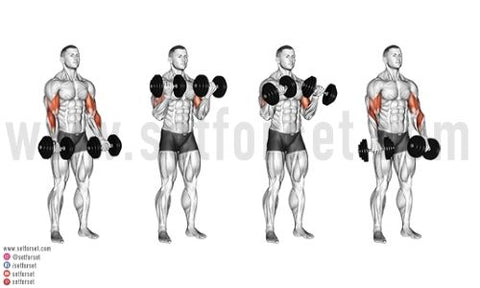
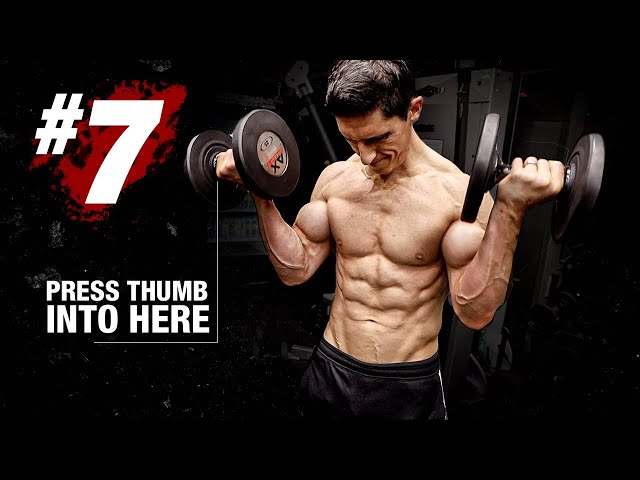
The standard dumbbell curl is a basic exercise. Hold dumbbells with palms facing forward. Lift the weights by bending your elbows. Keep your upper arms still during the movement. This curl mainly works the biceps brachii muscle. It helps build size and strength.
Hammer Curl
Hammer curls use a neutral grip, palms facing each other. This targets the brachialis muscle under the biceps. It also works the forearm muscles. Hold dumbbells by your sides and lift with elbows close to your body. Hammer curls add thickness to the upper arm.
Concentration Curl
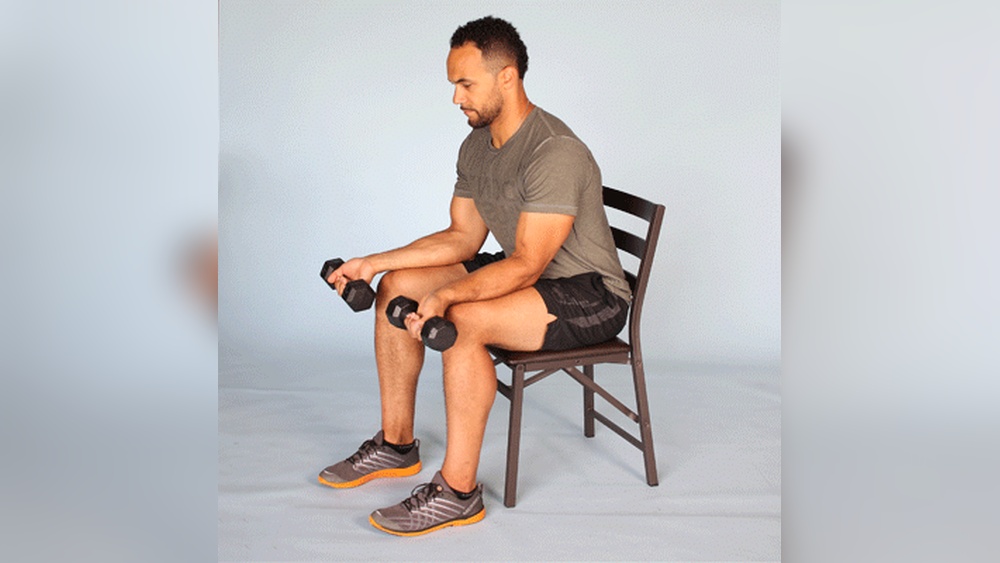
Concentration curls focus on isolating the biceps. Sit down and rest your elbow on your inner thigh. Slowly curl the dumbbell toward your shoulder. This reduces momentum and improves muscle control. It helps build the peak of the biceps.
Zottman Curl
Zottman curls combine two grips in one move. Curl up with palms facing up. Rotate wrists at the top, then lower dumbbells with palms down. This works both the biceps and forearms. It improves grip strength and arm definition.
Incline Dumbbell Curl
Incline curls use a bench set at an angle. Sit back and let your arms hang down. Curl the dumbbells while keeping your elbows back. This stretch targets the long head of the biceps. It helps create a fuller and longer muscle shape.
Proper Form And Technique
Proper form and technique are key for effective dumbbell curls. They help target your biceps well and prevent injury. Using the right method ensures you get the best results from your workout. Focus on small details for better strength and muscle growth.
Grip And Wrist Position
Hold the dumbbells firmly but not too tight. Keep your wrists straight, not bent forward or backward. This position reduces strain and helps control the movement. A neutral grip often feels most natural for beginners.
Elbow Placement
Keep your elbows close to your sides. Avoid letting them move forward or backward during the curl. Fixed elbows help isolate the biceps and improve muscle activation. This also stops you from using your shoulders to lift.
Controlled Movement
Lift the dumbbells slowly, feeling the biceps work. Avoid swinging or using momentum. Lower the weights just as slowly to keep tension on the muscles. Controlled movement builds strength and prevents injury.
Common Mistakes To Avoid
When doing dumbbell curls, some common mistakes can reduce your results. These errors can also cause injury. Avoiding them helps you build stronger biceps safely. Focus on proper form and control during each curl.
Using Momentum
Swinging the dumbbells up uses momentum, not muscle strength. This takes work away from your biceps. It also increases the risk of injury. Lift the weights slowly and with control. Keep your body steady to target your muscles properly.
Elbow Flare
Letting your elbows move away from your sides weakens the curl. It changes the muscle focus and reduces effectiveness. Keep your elbows close to your body. This keeps tension on the biceps and improves muscle growth.
Incomplete Range Of Motion
Not fully lowering or raising the dumbbells limits muscle gains. Partial curls miss the full stretch and contraction of the biceps. Lower the weights all the way down. Curl them fully up to get the best workout.
Progression And Variations
Progression and variations are key to building strong, defined biceps with dumbbell curls. Changing your workout helps avoid plateaus and keeps muscles growing. Gradual increases in challenge push your strength higher.
Variations target different parts of the biceps and add variety to prevent boredom. Small changes in weight, reps, or technique make a big difference over time.
Increasing Weight Safely
Start with a weight you can lift with good form. Increase the dumbbell weight in small steps. Avoid lifting too heavy too fast. This prevents injuries and helps muscles adapt. Focus on controlled movements and steady progress.
Adjusting Reps And Sets
Change the number of repetitions or sets to challenge your muscles differently. More reps with lighter weight build endurance. Fewer reps with heavier weight increase strength. Mix these approaches over weeks to improve overall muscle size and power.
Incorporating Supersets
Supersets combine two exercises back-to-back without rest. Pair dumbbell curls with tricep exercises for balanced arm training. This technique saves time and intensifies your workout. It boosts muscle fatigue and promotes growth efficiently.
Credit: vixencomposites.com
Integrating Dumbbell Curls Into Workouts
Dumbbell curls are a simple way to build strong biceps. Adding them into your workout helps target these muscles directly. This improves arm strength and shape. Doing curls alone is good, but combining them with other moves boosts results.
Planning your curls with other exercises helps balance your routine. It avoids muscle strain and keeps progress steady. Proper timing and rest make your muscles grow well. Use smart strategies to get the best from every workout.
Combining With Compound Exercises
Compound exercises work multiple muscle groups at once. Examples include pull-ups, rows, and bench presses. Adding dumbbell curls after these helps focus on biceps. This order lets you use full strength on big lifts first. Then, curls give extra attention to your arms.
Mixing curls with compound moves improves overall muscle balance. It also prevents overworking small muscles early. This keeps your workout efficient and safe. Try to plan workouts that include both types of exercises.
Frequency For Maximum Growth
Training your biceps two to three times a week is ideal. This schedule allows enough work for growth. Avoid training the same muscles every day. Muscles need time to heal and get stronger.
Keep your workout sessions consistent. Use moderate weight with good form. Change the intensity as your strength improves. This helps avoid plateaus and keeps progress steady.
Rest And Recovery Tips
Rest is as important as the workout itself. Muscles grow during rest, not exercise. Give your biceps at least 48 hours to recover between sessions.
Sleep well and eat protein-rich foods. These support muscle repair and growth. Stretch your arms gently after workouts. This reduces soreness and improves flexibility.
Nutrition For Bicep Growth
Nutrition plays a key role in building strong, big biceps. Proper food and drink help muscles recover and grow after dumbbell curls. Eating the right nutrients supports energy and muscle repair. Without good nutrition, workouts may not show results.
Protein Intake
Protein is the building block of muscle. Eating enough protein helps repair tiny muscle tears from exercise. Good sources include chicken, fish, eggs, beans, and dairy. Aim for about 1.6 to 2.2 grams of protein per kilogram of body weight daily. Spread protein meals evenly throughout the day for best results.
Supplements To Consider
Supplements can help fill nutrition gaps. Whey protein is a popular choice for quick protein after workouts. Creatine may boost strength and muscle size. Branched-chain amino acids (BCAAs) can reduce muscle soreness. Always choose trusted brands and follow recommended doses.
Hydration Importance
Water keeps muscles working well during exercise. Dehydration can cause cramps and reduce strength. Drink water before, during, and after workouts. Aim to drink at least 8 cups of water daily. Proper hydration also helps carry nutrients to muscles.
Credit: www.youtube.com
Frequently Asked Questions
What Are The Best Dumbbell Curls For Biceps Growth?
The best dumbbell curls include hammer curls, concentration curls, and alternating curls. These target different bicep areas and improve muscle size and strength effectively.
How Do Dumbbell Curls Improve Biceps Strength?
Dumbbell curls isolate the biceps, enhancing muscle engagement. This focused resistance promotes muscle fiber growth, leading to increased strength and better arm definition.
Can Dumbbell Curls Prevent Biceps Injury?
Yes, dumbbell curls strengthen tendons and muscles around the elbow. Proper form reduces strain and lowers injury risk during workouts and daily activities.
How Often Should I Do Dumbbell Curls For Results?
Perform dumbbell curls 2-3 times weekly with rest days. Consistent training combined with proper nutrition yields noticeable biceps growth and strength within weeks.
Conclusion
Dumbbell curls build strong, well-shaped biceps. Choose the right curl for your goal. Start with light weights and focus on form. Gradually increase weight to avoid injury. Consistency matters more than speed or weight. Mix different curls to target all bicep parts.
Rest well between workouts for best results. Keep your routine simple and enjoy progress. Strong arms boost confidence and daily strength. Keep curling and feel the difference.