Are you ready to get stronger and feel healthier but don’t know where to start? Dumbbells are a simple and effective tool that can help you build muscle, burn fat, and boost your confidence—all from the comfort of your home.
Whether you’re new to exercise or getting back on track, the right dumbbell exercises can make a huge difference. Keep reading, and you’ll discover easy moves that fit your level and help you see real results fast. Your fitness journey starts here.
Credit: posudaeuro-market.ru
Choosing The Right Dumbbells
Choosing the right dumbbells is key for beginners starting strength training. The right dumbbells help build muscles safely and effectively. Picking dumbbells that suit your needs makes workouts easier and more fun. This section explains types of dumbbells, how to select the right weight, and safety tips.
Types Of Dumbbells
Dumbbells come in many styles. Fixed dumbbells have one set weight and do not change. Adjustable dumbbells let you add or remove weight plates. Neoprene dumbbells have a soft, rubber coating for comfort and grip. Cast iron dumbbells are durable and good for heavy lifting. Choose the type that fits your budget and space.
Weight Selection Tips
Start with light dumbbells to learn correct form. Choose a weight that feels challenging but allows 10-15 reps. If you cannot complete reps with good form, pick a lighter weight. Increase weight gradually as strength improves. This avoids injury and builds muscle steadily. For beginners, 3 to 8 pounds is a good range.
Safety Considerations
Always warm up before using dumbbells. Check dumbbells for damage or loose parts before each use. Use smooth, controlled movements to avoid strain. Keep your back straight and core tight during exercises. Stop if you feel pain or discomfort. Store dumbbells safely to prevent accidents at home.
Warm-up Moves Before Dumbbell Workouts
Warming up before dumbbell exercises helps prepare your muscles and joints. It reduces injury risk and improves workout performance. A good warm-up increases blood flow and loosens stiff muscles. It also helps your body adjust to exercise intensity. Spend 5 to 10 minutes on warm-up moves before lifting dumbbells.
Dynamic Stretching
Dynamic stretching involves moving your body through full ranges of motion. It wakes up muscles and joints for the workout. Examples include arm circles, leg swings, and torso twists. These stretches increase flexibility and mobility. Avoid holding stretches still; keep the movement smooth and controlled. Dynamic stretching helps reduce muscle tightness and soreness.
Light Cardio Options
Light cardio raises your heart rate gently before strength training. Choose low-impact activities like walking, jogging in place, or jumping jacks. These moves warm your entire body and boost circulation. Keep the pace easy to avoid early fatigue. Spending a few minutes on light cardio prepares your body for dumbbell exercises safely.
Basic Dumbbell Exercises For Upper Body
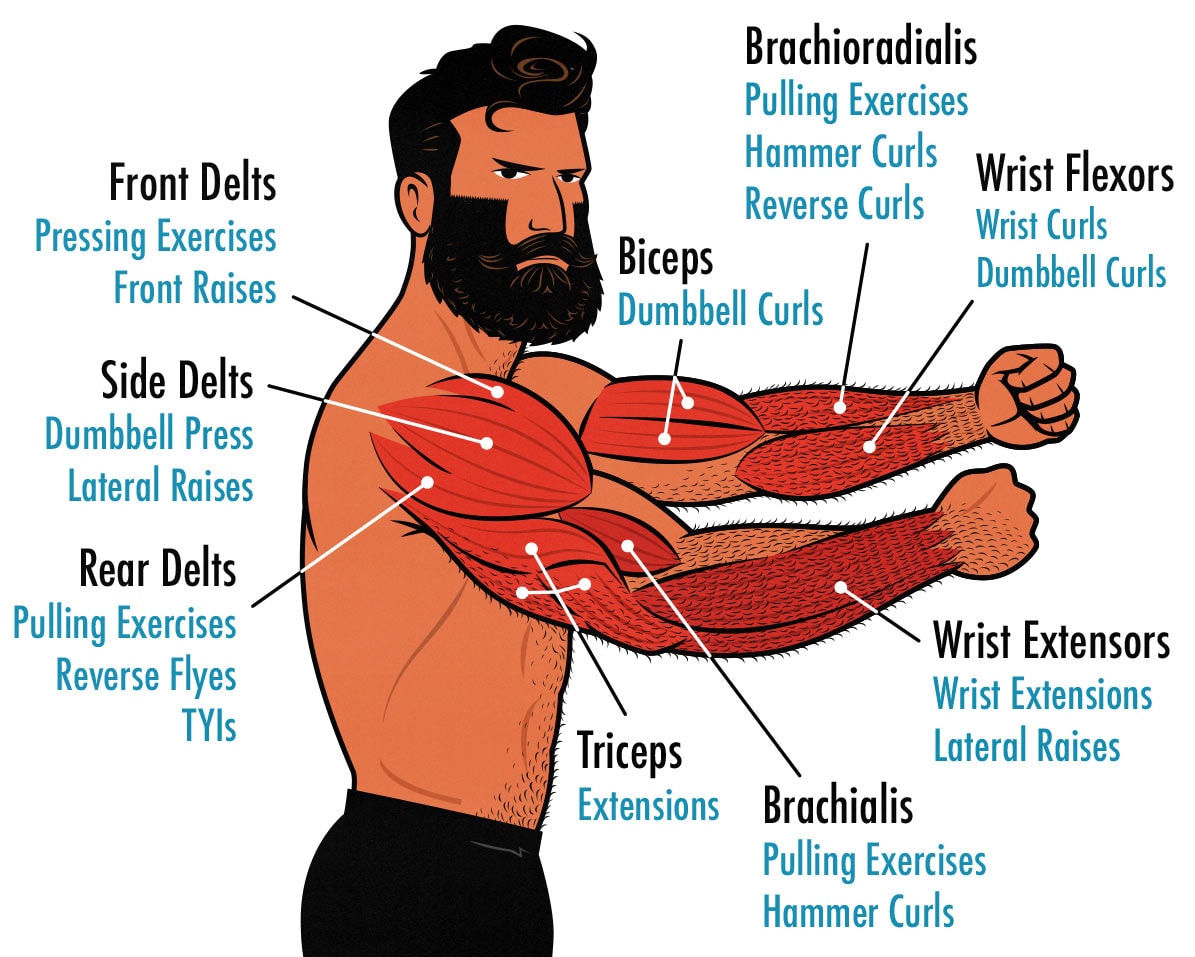
Basic dumbbell exercises target the upper body muscles effectively. They help build strength and improve muscle tone. Beginners can start with simple movements to learn proper form. Using dumbbells allows balanced muscle development on both sides of the body.
These exercises are easy to do at home or in the gym. They require minimal equipment and space. Regular practice improves posture, endurance, and overall fitness.
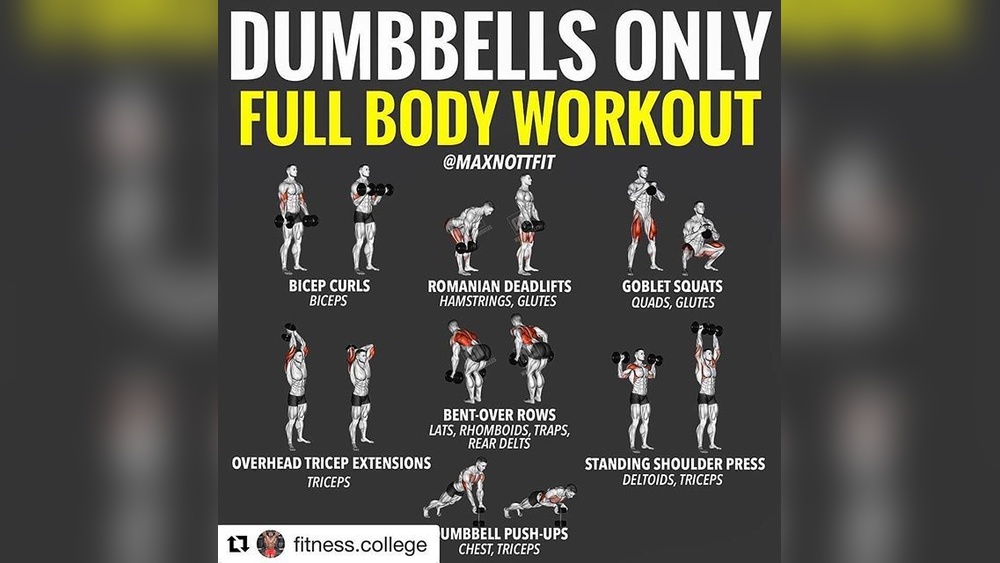
Bicep Curls
Bicep curls focus on the front part of your upper arm. Hold a dumbbell in each hand with palms facing forward. Slowly bend your elbows and lift the weights toward your shoulders. Lower the dumbbells back down with control. This exercise strengthens the biceps and helps with arm definition.
Shoulder Press
The shoulder press works the muscles around your shoulders. Sit or stand with a dumbbell in each hand at shoulder height. Push the weights upward until your arms are fully extended. Slowly lower the dumbbells back to the starting position. This move builds shoulder strength and improves arm mobility.
Dumbbell Rows
Dumbbell rows target the upper back and help improve posture. Place one hand and knee on a bench for support. Hold a dumbbell in the opposite hand, arm extended down. Pull the dumbbell up toward your waist while squeezing your back muscles. Lower the dumbbell slowly and repeat. This exercise strengthens the back and enhances stability.
Credit: outlift.com
Simple Dumbbell Moves For Lower Body
Strengthening the lower body is key to building balance and power. Dumbbells help target muscles in the legs and hips. These simple moves improve muscle tone and support daily activities. Beginners can follow these exercises to build a strong foundation safely and effectively.
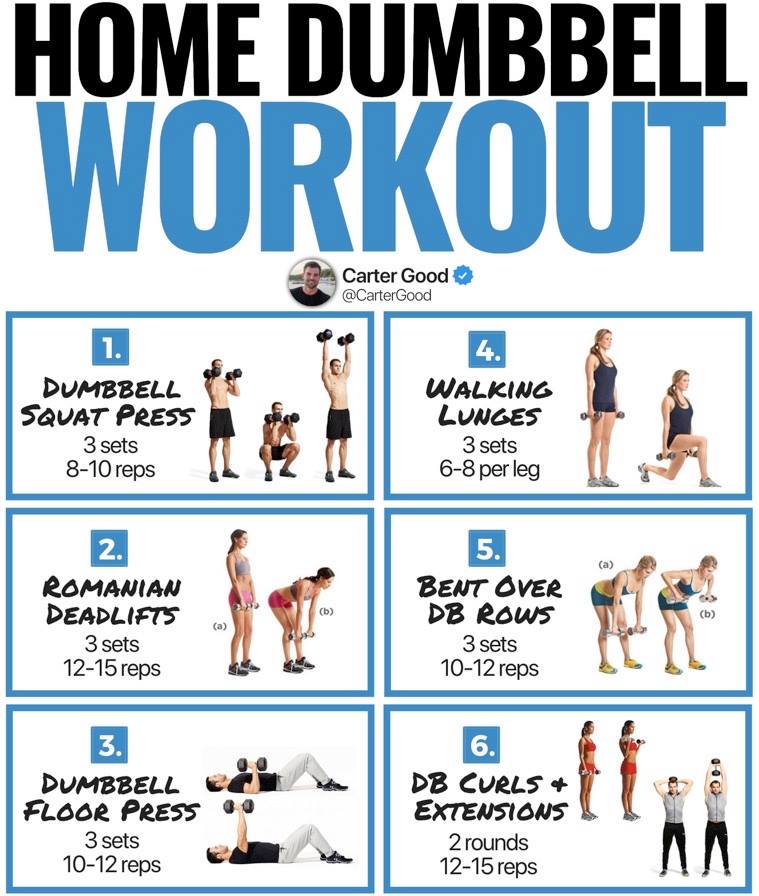
Goblet Squats
Hold a dumbbell close to your chest with both hands. Stand with feet shoulder-width apart. Slowly bend your knees and lower your hips. Keep your back straight and chest up. Pause at the bottom, then push through your heels to stand. This move strengthens thighs, glutes, and core muscles.
Lunges With Dumbbells
Hold a dumbbell in each hand by your sides. Step forward with one leg and bend both knees. Lower your back knee toward the floor without touching it. Keep your front knee over your ankle. Push back to the start position. Repeat on the other leg. Lunges build balance and tone leg muscles.
Deadlifts
Hold a dumbbell in each hand in front of your thighs. Stand with feet hip-width apart. Slowly bend at your hips and lower the dumbbells toward the floor. Keep your back flat and knees slightly bent. Squeeze your glutes and return to standing. Deadlifts target the hamstrings, glutes, and lower back.
Core Strengthening With Dumbbells
Core strength is key for balance, posture, and overall fitness. Dumbbells add resistance to core exercises. This helps build muscle and improve stability. Beginners can use light dumbbells to start safely.
Core exercises with dumbbells target muscles around the belly and sides. These moves improve control and support for daily activities. Strong core muscles reduce injury risk during workouts and daily life.
Russian Twists
Russian twists work the obliques and abs. Sit on the floor with knees bent. Hold a dumbbell with both hands. Lean back slightly and lift feet off the floor.
Twist your torso to the right and touch the dumbbell near the floor. Then twist to the left. Keep your core tight and back straight. Repeat slowly for 10-15 reps each side.
Dumbbell Side Bends
Dumbbell side bends target the side abdominal muscles. Stand straight with feet shoulder-width apart. Hold a dumbbell in one hand, arm by your side. Slowly bend sideways toward the dumbbell. Keep your back straight and hips still.
Return to the starting position. Do 10-12 reps, then switch sides. This exercise strengthens the core and improves side flexibility.
Tips For Proper Form
Proper form is key to effective dumbbell exercises. It helps prevent injuries and makes workouts more effective. Beginners should focus on correct posture and controlled movements. This ensures muscles work properly and grow stronger over time.
Learning proper form takes practice. Start with light weights to master the basics. Pay attention to body alignment and joint position during each exercise. Small adjustments make a big difference in results and safety.
Common Mistakes To Avoid
Many beginners use weights that are too heavy. This causes poor form and risks injury. Avoid swinging dumbbells; keep movements slow and steady. Do not lock your joints at the top of lifts. Keep your back straight to protect your spine. Avoid shrugging shoulders during arm exercises. These mistakes reduce exercise benefits and increase pain.
Breathing Techniques
Breathing properly supports muscle function and stability. Inhale before you lift the weight. Exhale as you push or pull the dumbbell. This helps maintain core strength and control. Avoid holding your breath during exercises. Steady breathing keeps oxygen flowing to muscles. Practice breathing with each rep for better endurance.
Creating A Beginner Dumbbell Routine
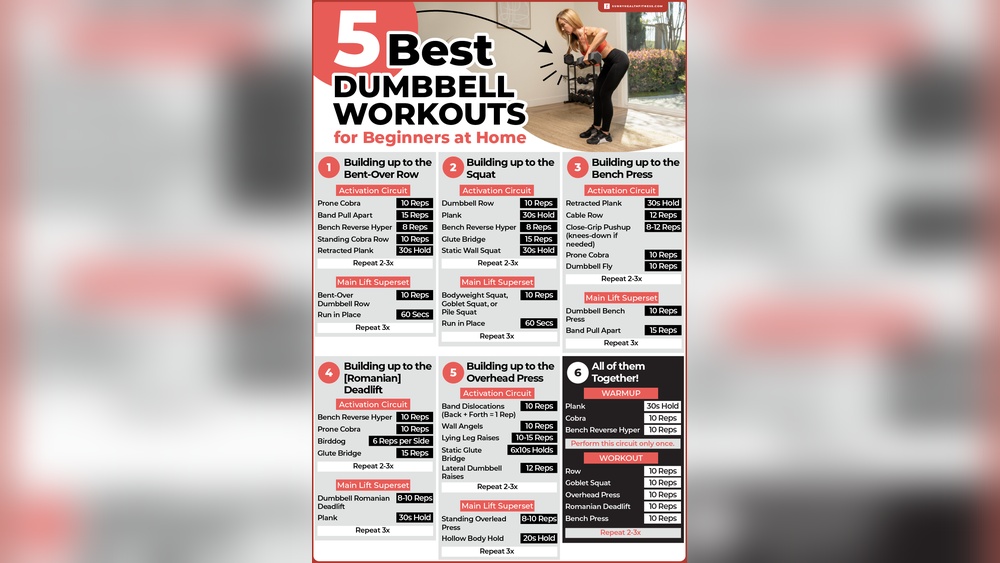
Creating a beginner dumbbell routine helps build strength safely. Starting with a clear plan improves results and reduces injury risk. This routine should include exercises targeting all major muscle groups. Simple movements with light weights work best for beginners. Consistency and proper form matter more than heavy lifting.
Workout Frequency
Aim for two to three workouts each week. This frequency allows your muscles to adapt and grow stronger. Avoid daily workouts at first to prevent overtraining. Focus on full-body sessions that last 30 to 45 minutes. Rest days between sessions help your body recover.
Rest And Recovery
Rest is crucial for muscle repair and growth. Take at least one day off after each workout. Sleep well to support recovery and energy levels. Stretching after exercises reduces soreness and improves flexibility. Listen to your body and avoid pushing through pain.
Tracking Progress And Staying Motivated
Tracking progress and staying motivated play a big role in any workout journey. Seeing small wins keeps energy high. It helps turn exercise into a habit. Beginners especially benefit from a clear way to measure growth. This section covers simple ways to track progress and keep motivation strong.
Setting Realistic Goals
Start with easy, clear goals. Choose targets you can reach in days or weeks. This might be lifting a certain weight or doing more reps. Small goals feel good when achieved. They build confidence and push you to try harder. Avoid goals that seem too hard or vague. Realistic goals make exercise less stressful and more fun.
Using Workout Journals
Write down each workout in a journal. Note the exercises, weights, and reps done. Journals show how much you improve over time. They help spot patterns and areas to fix. Keeping a record also motivates you to keep going. It turns your progress into a clear story of success.
Credit: www.youtube.com
Frequently Asked Questions
What Are The Best Dumbbell Exercises For Beginners?
The best dumbbell exercises for beginners include bicep curls, shoulder presses, dumbbell squats, and chest presses. These moves build strength safely and target major muscle groups effectively.
How Often Should Beginners Do Dumbbell Workouts?
Beginners should do dumbbell workouts 2-3 times per week. This frequency allows muscle recovery and gradual strength improvement without risking injury.
What Weight Dumbbells Are Ideal For Beginners?
Beginners should start with light to moderate weights, usually 3-10 pounds. The weight should allow 12-15 controlled repetitions with proper form.
Can Dumbbell Exercises Help With Full-body Workouts?
Yes, dumbbell exercises can target multiple muscle groups. Combining various moves creates an effective full-body workout for strength and toning.
Conclusion
Dumbbell exercises help build strength and improve fitness. Beginners can start with simple moves for safety. Regular practice brings better results over time. Focus on correct form to avoid injuries. Using dumbbells adds variety to your workouts. Small steps lead to big changes in your health.
Keep consistent and enjoy the progress you make. Fitness becomes easier with patience and effort. Choose exercises that feel good for your body. Stay motivated and keep lifting those dumbbells!