Are you ready to take your leg workouts to the next level? The best dumbbell squat can help you build strength, tone your muscles, and improve your balance—all from the comfort of your home or gym.
Whether you’re a beginner or looking to switch up your routine, this simple yet powerful exercise is a game-changer. Keep reading, and you’ll discover the secrets to perfecting your form, choosing the right dumbbells, and maximizing your results every single time.
Your stronger, fitter legs are just a few squats away!
Benefits Of Dumbbell Squats
Dumbbell squats offer many benefits for your body and fitness routine. This exercise targets key muscles and helps improve overall strength. It also enhances your balance and stability. Dumbbell squats fit well into any workout plan because they are simple and flexible. Let’s explore the main benefits of dumbbell squats.
Muscle Activation And Growth
Dumbbell squats work large muscle groups like the quads, hamstrings, and glutes. Holding dumbbells increases resistance, helping muscles grow stronger. This exercise also engages your core to support your body. Muscle activation is higher because you control the weights. Regular dumbbell squats build muscle size and strength effectively.
Improved Balance And Stability
Using dumbbells challenges your balance more than bodyweight squats. Your body must stabilize the weights during the movement. This improves coordination and strengthens stabilizer muscles. Better balance lowers the risk of injuries in daily activities. Dumbbell squats train your body to stay steady and controlled.
Versatility And Accessibility
Dumbbell squats work anywhere with minimal equipment. You can adjust the weight to suit your level. This makes the exercise great for beginners and advanced lifters. You can combine them with other moves for a full workout. Dumbbell squats fit well into home gyms and busy schedules.
Choosing The Right Dumbbells
Choosing the right dumbbells is key for effective dumbbell squats. The correct dumbbells help you build strength safely. They also improve your workout quality. Picking dumbbells that match your strength and goals makes a big difference. This section covers how to select the best dumbbells for your squats.
Weight Selection Tips
Select dumbbells that suit your current strength level. Start with lighter weights to learn proper form. Gradually increase weight as your muscles get stronger. Choose dumbbells heavy enough to challenge you but not cause pain. Avoid weights that make you lose balance or control. Keep a few weight options to adjust as you progress.
Types Of Dumbbells
There are several dumbbell types for squats. Cast iron dumbbells are durable and simple. They often have a solid grip. Rubber-coated dumbbells protect floors and reduce noise. Neoprene dumbbells offer a soft, comfortable hold. Choose types that feel secure in your hands. The right grip enhances your squat performance.
Adjustable Vs Fixed Dumbbells
Adjustable dumbbells let you change weights on one set. They save space and money. You can increase weight in small steps. Fixed dumbbells have a set weight each. They are easy to grab and use quickly. Fixed dumbbells offer a stable feel. Decide based on your space, budget, and training needs.
Proper Dumbbell Squat Form
Proper form is key for dumbbell squats. It protects your joints and builds strength effectively. Good technique helps target muscles correctly and reduces injury risk.
Starting Position
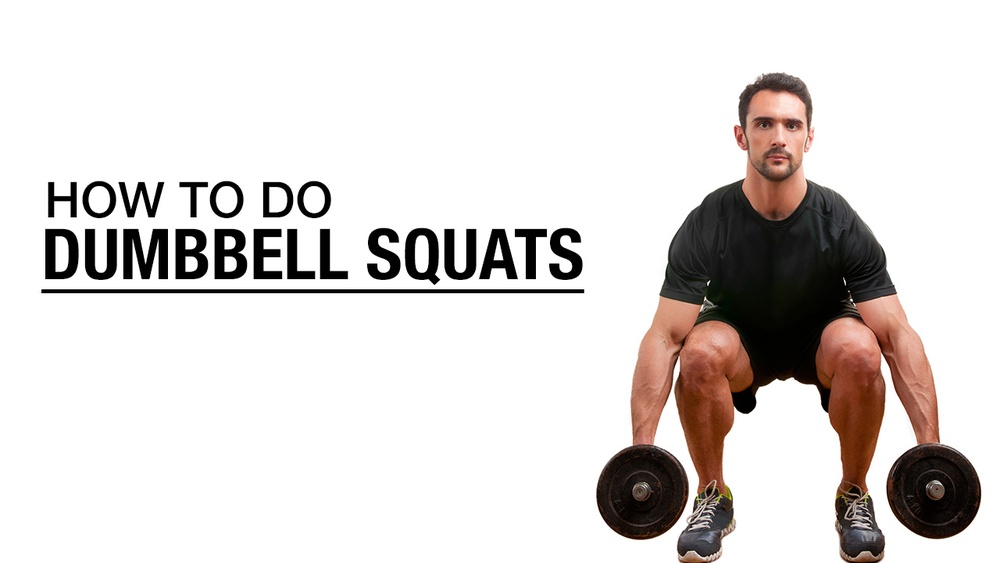
Stand with feet shoulder-width apart. Hold a dumbbell in each hand at your sides. Keep your chest up and shoulders back. Engage your core to stay stable. Look straight ahead to keep neck neutral.
Step-by-step Technique
Begin by pushing your hips back. Bend your knees and lower your body down. Keep your back straight and chest lifted. Lower until your thighs are parallel to the floor. Pause briefly. Push through your heels to stand back up. Keep the dumbbells steady by your sides throughout.
Common Mistakes To Avoid
Do not let your knees collapse inward. Avoid rounding your lower back. Don’t lean too far forward. Avoid raising your heels off the ground. Don’t hold your breath. Keep movements controlled and steady.
Variations Of Dumbbell Squats
Dumbbell squats are a powerful exercise for building leg strength. Variations help target different muscles and keep workouts interesting. These versions use dumbbells but change stance or form. Each variation offers unique benefits for your fitness journey.
Goblet Squat
The goblet squat holds a dumbbell close to your chest. This position helps keep your back straight. It also improves your squat depth and balance. Great for beginners and those wanting better form.
Sumo Squat
The sumo squat uses a wide stance with toes pointed out. Hold dumbbells between your legs or at your sides. This targets inner thighs and glutes more than a regular squat. It builds hip flexibility and leg strength.
Split Squat With Dumbbells
The split squat works one leg at a time. Stand with one foot forward and the other behind. Hold dumbbells by your sides for extra resistance. This variation improves balance and strengthens legs evenly.
Programming For Strength And Muscle Growth
Programming your dumbbell squat workouts helps build strength and muscle effectively. It guides how many reps, sets, and rest you need. This plan also helps you improve steadily. Smart programming avoids injury and keeps progress steady. Focus on key factors like reps, overload, and recovery.
Reps And Sets Recommendations
For strength, aim for 4 to 6 reps per set. Complete 3 to 5 sets. Use heavier dumbbells that challenge your muscles. For muscle growth, try 8 to 12 reps per set. Perform 3 to 4 sets with moderate weight. Keep your form strict to target muscles well.
Progressive Overload Strategies
Increase weight gradually to make muscles work harder. Add small weight increases every week or two. Another way is to add more reps or sets slowly. Track your progress to know when to increase load. This steady rise in effort builds muscle and strength.
Rest And Recovery
Muscles need rest to grow stronger after workouts. Rest 48 to 72 hours before working the same muscle again. Sleep well to help your body repair. Avoid training the dumbbell squat every day. Rest days keep you fresh and reduce injury risk.

Credit: www.jawharatalrasheedhotel.com
Incorporating Dumbbell Squats Into Your Routine
Incorporating dumbbell squats into your routine builds strength and tones muscles effectively. This exercise targets your legs, glutes, and core. It also improves balance and posture. Regular practice can enhance your overall fitness and endurance.
Start smart and stay consistent. Combine dumbbell squats with proper warm-ups and other exercises. Follow a plan that fits your weekly schedule for the best results.
Warm-up Exercises
Begin with light cardio like walking or jogging for five minutes. Perform dynamic stretches such as leg swings and hip circles. These movements prepare your muscles and joints for squats. Warm-ups reduce the risk of injury and improve performance.
Combining With Other Movements
Pair dumbbell squats with lunges, deadlifts, or step-ups. This combination targets different leg muscles and prevents boredom. Add upper body moves like shoulder presses for a full-body workout. Mixing exercises boosts strength and keeps workouts interesting.
Weekly Workout Plans
Plan three to four sessions per week for steady progress. Start with two sets of 10-12 dumbbell squats. Increase sets or weights gradually as you get stronger. Rest days are important to let muscles recover and grow.
Safety Tips And Injury Prevention
Safety is key when doing dumbbell squats. It helps prevent injuries and keeps you going strong. Paying attention to proper techniques and body signals makes a big difference.
Proper Warm-up And Cool-down
Start with a warm-up to get your muscles ready. Light cardio or dynamic stretches work well. This increases blood flow and reduces stiffness.
After your workout, cool down with gentle stretches. It helps your muscles relax and lowers soreness. Both steps protect your joints and muscles.
Listening To Your Body
Notice how your body feels during squats. Sharp pain or discomfort means stop right away. Mild muscle fatigue is normal, but pain is a warning.
Rest if you feel tired or sore. Pushing too hard can cause injuries. Take breaks and avoid overtraining for steady progress.
When To Seek Professional Help
Consult a trainer if you are new to dumbbell squats. They can guide your form and prevent mistakes. Proper technique is crucial for safety.
See a doctor if pain lasts after rest. Persistent pain may signal an injury. Early treatment helps you recover faster.

Credit: www.youtube.com
Credit: www.reddit.com
Frequently Asked Questions
What Are The Benefits Of Dumbbell Squats?
Dumbbell squats build leg and glute strength effectively. They improve balance and core stability. Using dumbbells adds resistance, enhancing muscle growth and calorie burn.
How Do I Perform A Proper Dumbbell Squat?
Hold dumbbells at your sides, feet shoulder-width apart. Lower hips back and down, keeping chest up. Push through heels to stand, keeping knees aligned over toes.
Which Muscles Do Dumbbell Squats Target?
Dumbbell squats mainly target quads, hamstrings, glutes, and calves. They also engage the core and lower back muscles for stability during the movement.
How Much Weight Should I Use For Dumbbell Squats?
Choose a weight challenging but manageable for 8-12 reps. Start lighter to master form, then gradually increase weight to build strength safely.
Conclusion
Dumbbell squats build strong legs and core muscles. They help improve balance and stability too. Using proper form keeps you safe and effective. Start with light weights and increase slowly. Consistency brings better strength and endurance over time. These squats fit well into any workout plan.
Try them regularly to see steady progress. Your body will thank you with better fitness. Simple, effective, and easy to do anywhere. Give dumbbell squats a place in your routine today.