Choosing the best dumbbell weight for women can feel overwhelming. You want to get stronger, tone your body, and stay safe—but how do you know which weight is right for you?
Picking the wrong dumbbell can lead to frustration or even injury, slowing down your progress. You’ll discover simple tips to find the perfect dumbbell weight that matches your fitness level and goals. Keep reading, and you’ll be ready to lift with confidence and see real results.
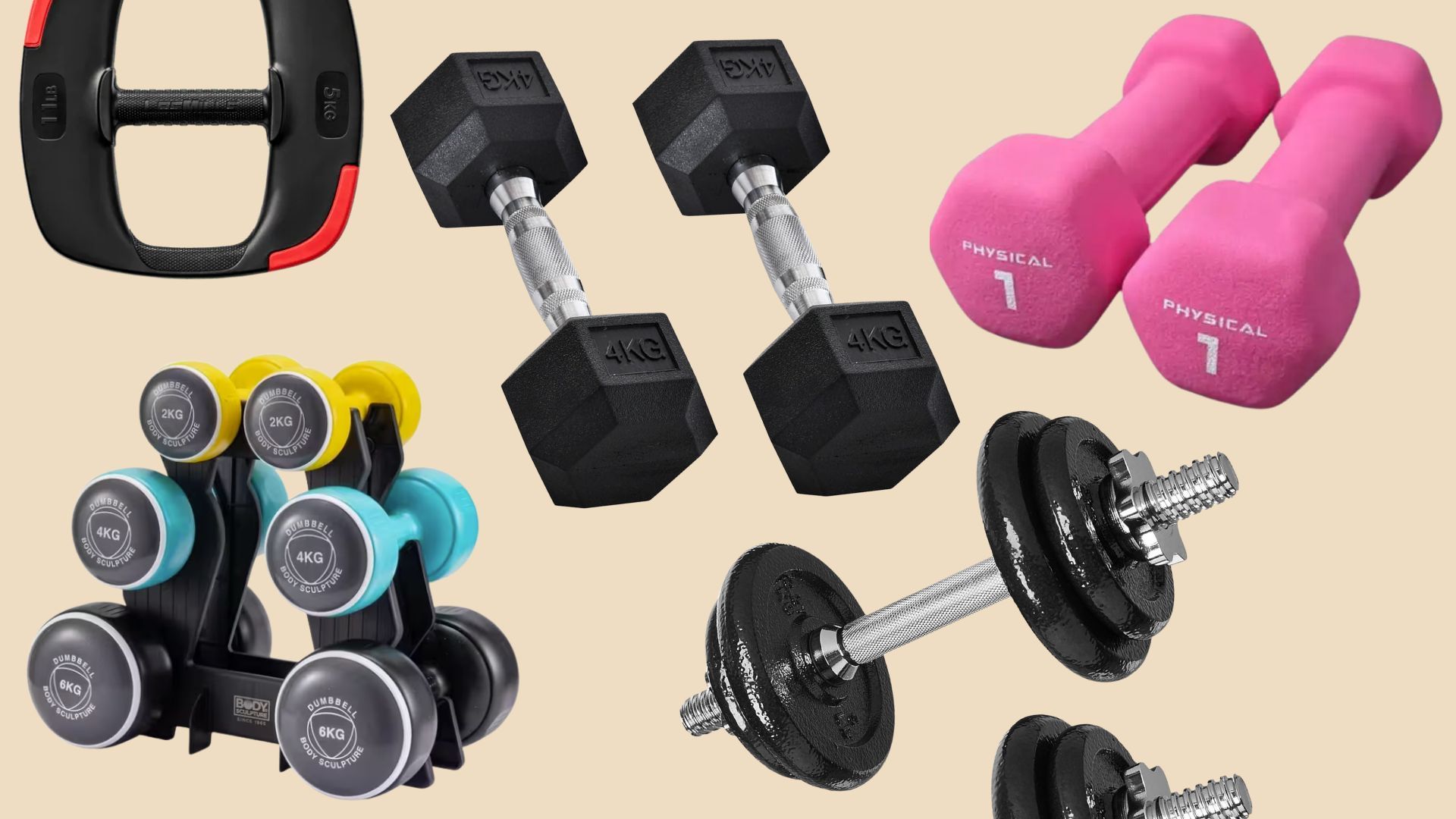
Credit: www.womanandhome.com
Choosing Dumbbell Weights
Choosing the right dumbbell weight is key for effective workouts. The right weight helps build strength safely. Too heavy can cause injury. Too light may not challenge muscles enough. Understanding how to pick weights helps women reach fitness goals faster.
Factors Affecting Weight Selection
Muscle strength varies by person. Age, fitness level, and workout type matter. Smaller muscles like shoulders use lighter weights. Larger muscles like legs can handle more. Personal health and past injuries also affect choice. Comfort and control are important too.
Starting Point For Beginners
Start with light weights to learn form. Women new to strength training often begin with 3 to 5 pounds. Focus on technique, not heavy lifting. Choose a weight that feels easy but still works muscles. Move slowly and increase weight as strength grows.
Adjusting Weight Over Time
Strength improves with regular exercise. Gradually increase dumbbell weight to keep building muscle. Add small increments like 1 to 2 pounds. If sets become too easy, it’s time to increase. Listen to your body and avoid pushing too hard.
Benefits Of Dumbbell Training
Dumbbell training offers many benefits for women at any fitness level. These small weights can shape the body and improve health. Using dumbbells helps build muscles and burn calories. It also supports better movement and body control. Dumbbell workouts fit easily into busy schedules and homes.
Muscle Tone And Strength
Dumbbells help increase muscle tone and strength. They work different muscle groups at once. This leads to a firmer and stronger body. Strong muscles support daily activities and reduce injury risk. Lifting weights improves bone health and metabolism too.
Improved Stability And Balance
Training with dumbbells enhances stability and balance. Holding weights challenges the core muscles. This makes the body steadier and more agile. Better balance lowers the chance of falls. It also helps with posture and coordination in everyday tasks.
Versatility In Workouts
Dumbbells offer great variety in exercises. They can be used for strength, cardio, and stretching. This variety keeps workouts interesting and effective. Women can target specific muscles or do full-body workouts. Dumbbells fit easily into small spaces and different routines.
Weight Recommendations By Fitness Level
Choosing the right dumbbell weight is key for safe and effective workouts. Different fitness levels need different weights to build strength and avoid injury. This guide helps women find the best dumbbell weight based on their fitness experience.
Beginner Weights
Beginners should start with light weights. Dumbbells between 2 to 5 pounds work well. These weights allow you to learn proper form. They help build basic strength without strain. Start slow and increase weight as you get stronger.
Intermediate Weights
For those with some workout experience, medium weights are best. Choose dumbbells from 6 to 12 pounds. These weights challenge muscles more. They help improve endurance and tone. Focus on controlled movements to avoid injury.
Advanced Weights
Advanced exercisers need heavier dumbbells. Pick weights from 15 pounds and up. These help build muscle and increase power. Always maintain good form. Push yourself carefully to reach new fitness goals.

Credit: www.youtube.com
Target Muscle Groups
Choosing the right dumbbell weight depends on the muscle groups you want to train. Different exercises target different muscles. Knowing which muscles to focus on helps pick the best weight. This makes workouts effective and safe. Below are common muscle groups and the dumbbell weights suited for each.
Upper Body Focus
Upper body exercises work muscles in the arms, shoulders, chest, and back. Start with lighter dumbbells, around 3 to 8 pounds. This weight helps build strength without strain. Exercises like bicep curls, shoulder presses, and chest flies fit here. Gradually increase weight as muscles get stronger. This approach prevents injury and boosts muscle tone.
Lower Body Focus
Lower body workouts target legs, glutes, and hips. Use dumbbells from 5 to 15 pounds for squats, lunges, and deadlifts. Heavier weights help build power and endurance. Focus on form before adding weight. Strong lower body muscles improve balance and support daily activities. Adjust weight based on your strength and goals.
Full Body Routines
Full body workouts engage many muscles at once. Choose moderate weights, usually 5 to 10 pounds. This weight suits exercises like dumbbell thrusters, rows, and deadlifts combined. It helps build overall strength and burns more calories. Full body routines improve coordination and fitness. Change weights depending on the exercise and progress.
Common Dumbbell Exercises For Women
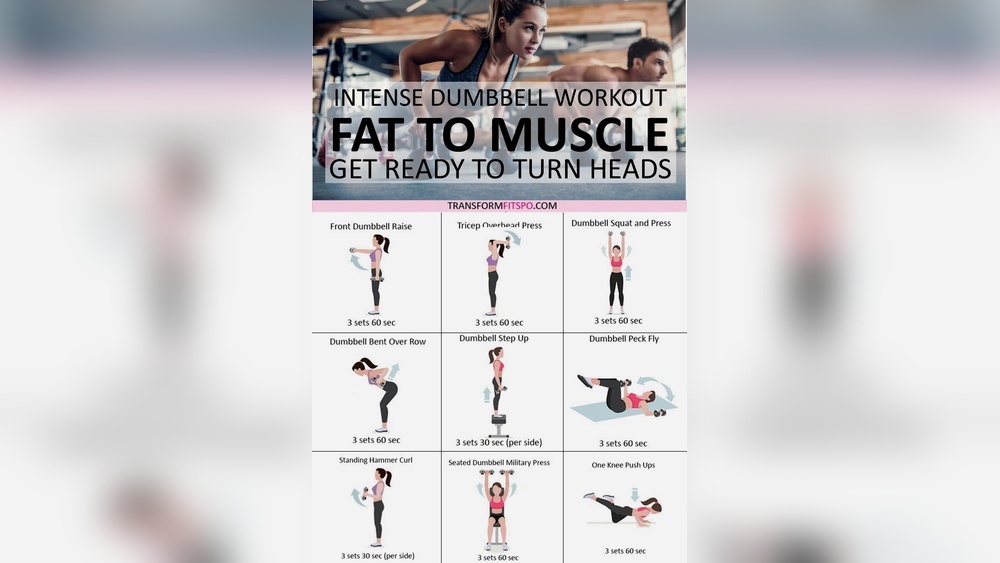
Dumbbells are simple tools that help women build strength and tone muscles. Using dumbbells in workouts boosts fitness and shapes the body. Many exercises use dumbbells to target different muscle groups. These exercises are easy to do at home or in the gym. Dumbbells also help improve balance and coordination.
Bicep Curls And Tricep Extensions
Bicep curls focus on the front of the upper arm. Hold a dumbbell in each hand and curl them up slowly. This moves the biceps and helps them grow stronger. Tricep extensions work the back of the upper arm. Lift a dumbbell overhead and slowly lower it behind the head. This exercise tones and strengthens the triceps.
Squats And Lunges
Squats with dumbbells help shape the legs and glutes. Hold dumbbells at your sides and bend your knees to squat. This builds muscle and burns calories. Lunges target the thighs and hips. Step forward while holding dumbbells and bend both knees. This improves balance and tones the lower body.
Shoulder Press And Rows
The shoulder press strengthens the shoulders and upper arms. Push dumbbells overhead from shoulder height. This builds muscle and improves posture. Rows work the upper back muscles. Bend forward slightly and pull dumbbells toward your chest. This exercise helps with posture and upper body strength.
Tips For Safe Dumbbell Use
Using dumbbells safely is important for effective workouts. Proper safety helps prevent injuries and improves results. Follow simple tips to protect your body and enjoy your exercise routine.
Proper Form And Technique
Always focus on good form during exercises. Keep your back straight and avoid sudden movements. Use slow, controlled motions to work muscles well. Proper technique helps target the right muscles and reduces strain. If unsure, watch videos or ask a trainer for guidance.
Avoiding Injuries
Start with lighter weights to build strength gradually. Avoid lifting weights that feel too heavy or cause pain. Rest between sets to let muscles recover. Keep your grip firm but relaxed to prevent dropping dumbbells. Pay attention to your body’s signals and stop if you feel sharp pain.
Warm-up And Cool-down
Begin each session with a warm-up to prepare muscles. Simple stretches and light cardio can increase blood flow. After your workout, cool down with gentle stretches. This helps reduce soreness and improves flexibility. Warm-up and cool-down lower the risk of injury and speed up recovery.
Progress Tracking And Goals
Tracking progress and setting clear goals help women improve strength safely. It keeps workouts focused and motivation high. Using the right dumbbell weight and measuring gains makes training effective and rewarding.
Setting Realistic Targets
Start with simple goals. Aim to lift a certain weight or complete a number of reps. Choose targets that match your current strength. Small steps lead to steady progress. Avoid goals that feel too hard or easy.
Measuring Strength Gains
Track the weight you use and reps completed. Record your workouts in a notebook or app. Notice when lifting feels easier or you can add more weight. These signs show your strength is growing. Regular checks keep you aware of progress.
Adjusting Workout Plans
Change your dumbbell weight based on progress. Increase weight when exercises become easy. Lower weight if form suffers or pain appears. Vary reps and sets to challenge muscles. Adjustments keep workouts safe and effective.

Credit: www.youtube.com
Choosing Between Fixed And Adjustable Dumbbells
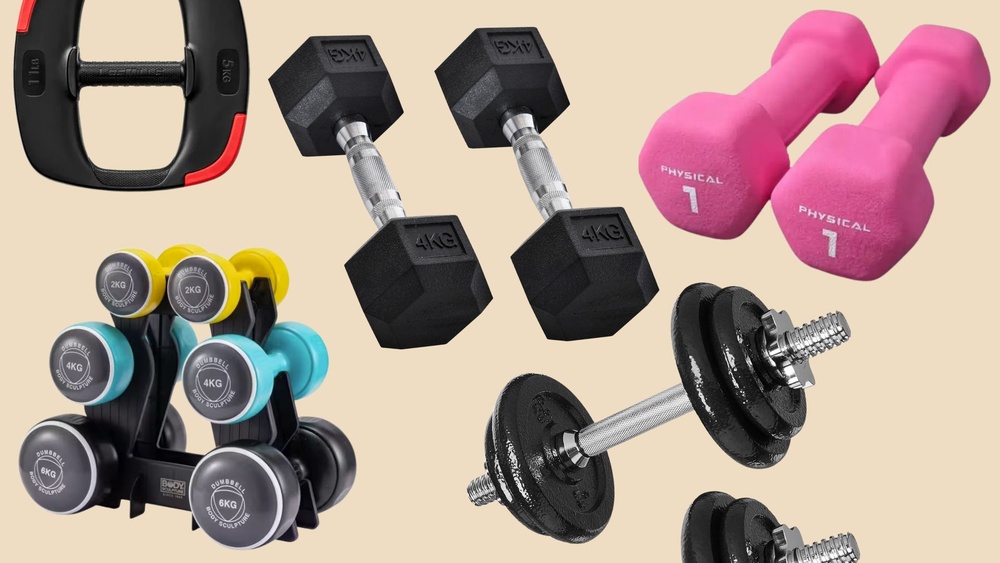
Choosing the right dumbbells is key for any woman starting strength training. Two main types exist: fixed and adjustable dumbbells. Each type suits different needs and spaces. Understanding their differences helps pick the best option for your workouts.
Pros And Cons Of Fixed Dumbbells
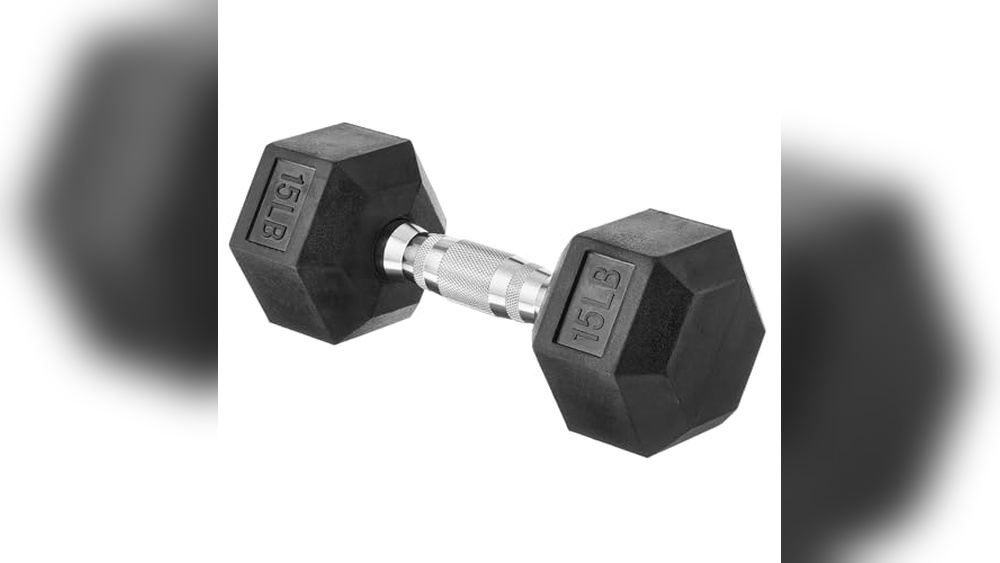
Fixed dumbbells come in set weights. They are easy to use and quick to grab. No need to change plates or settings. They offer durability and stability during exercises. But, many fixed dumbbells take up more space. Buying multiple weights can get expensive. Also, you may outgrow the lighter weights fast.
Advantages Of Adjustable Sets
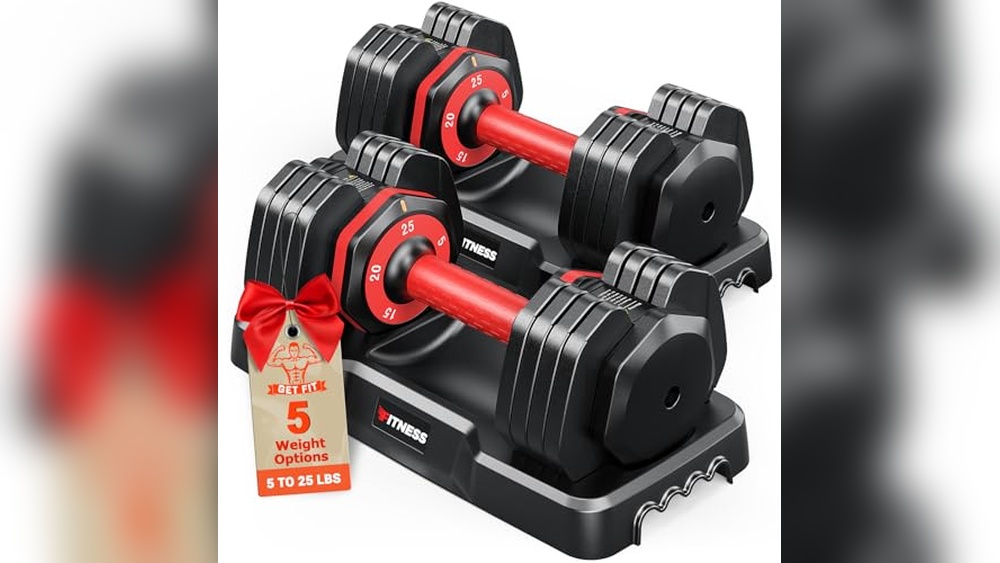
Adjustable dumbbells let you change the weight easily. One set covers many weight options. This saves money over buying many fixed sets. Adjustable dumbbells fit small spaces well. They are perfect for gradual strength increase. Some models may need time to adjust between sets. They might feel less sturdy than fixed dumbbells.
Space And Budget Considerations
Space matters a lot when choosing dumbbells. Fixed sets need more room for storage. Adjustable sets take up less space. Budget also guides your choice. Fixed dumbbells require more money to get varied weights. Adjustable sets cost less at first but can be pricier. Think about your workout space and how much you want to spend.
Frequently Asked Questions
What Is The Ideal Dumbbell Weight For Women Beginners?
For beginners, 5 to 10 pounds is ideal. It helps build strength safely without strain. Start light and increase gradually.
How To Choose Dumbbell Weight For Women’s Strength Training?
Choose a weight you can lift for 8-12 reps with good form. It should challenge muscles but not cause pain.
Can Women Use Heavy Dumbbells For Muscle Gain?
Yes, women can use heavier dumbbells to build muscle. Progressive overload is key to muscle growth and strength improvement.
Are Adjustable Dumbbells Good For Women’s Workouts?
Adjustable dumbbells save space and offer varied weights. They are perfect for women wanting flexible resistance options.
Conclusion
Choosing the right dumbbell weight helps women build strength safely. Start with light weights to learn good form. Increase weight slowly as muscles grow stronger. Consistency matters more than heavy lifting. Find weights that feel challenging but doable. Enjoy workouts and avoid injury by listening to your body.
Stay patient and keep improving step by step. The best dumbbell weight fits your current fitness level. Keep moving forward, and results will follow.