Are you ready to build a stronger, more defined back without needing bulky gym machines? Using just a pair of dumbbells, you can transform your back muscles, improve your posture, and boost your overall strength.
Whether you’re working out at home or in the gym, these dumbbell exercises are easy to follow and highly effective. Keep reading to discover the best dumbbell workouts that will help you sculpt your back and see real results fast.
Your stronger back starts here.
Benefits Of Dumbbell Back Workouts
Dumbbell back workouts improve strength and posture. They target key muscles like the lats, traps, and rhomboids. Using dumbbells allows for a natural range of motion and balanced muscle development. These workouts are easy to do at home or the gym. Dumbbells help build muscle, reduce injury risk, and improve overall back health.
Improved Muscle Balance
Dumbbells require each side of the body to work equally. This helps fix muscle imbalances. Balanced muscles reduce pain and improve posture. Using dumbbells avoids one side dominating the other.
Greater Range Of Motion
Dumbbell exercises allow more natural arm and shoulder movement. This leads to better muscle activation. Greater range of motion helps increase flexibility and strength.
Enhanced Core Stability
Many dumbbell back moves engage the core. This strengthens abs and lower back muscles. A strong core supports the spine and prevents injuries.
Convenient And Versatile
Dumbbells are small and easy to store. You can do back workouts anywhere. They offer many exercise options for all fitness levels.
Reduced Risk Of Injury
Dumbbells allow controlled, smooth movements. This reduces strain on joints and muscles. Using dumbbells lowers the chance of injury during workouts.
Key Muscles Targeted
Understanding the key muscles targeted by dumbbell workouts helps improve your back strength. These muscles support posture, movement, and daily activities. Training them with dumbbells builds a balanced and strong back.
Lats
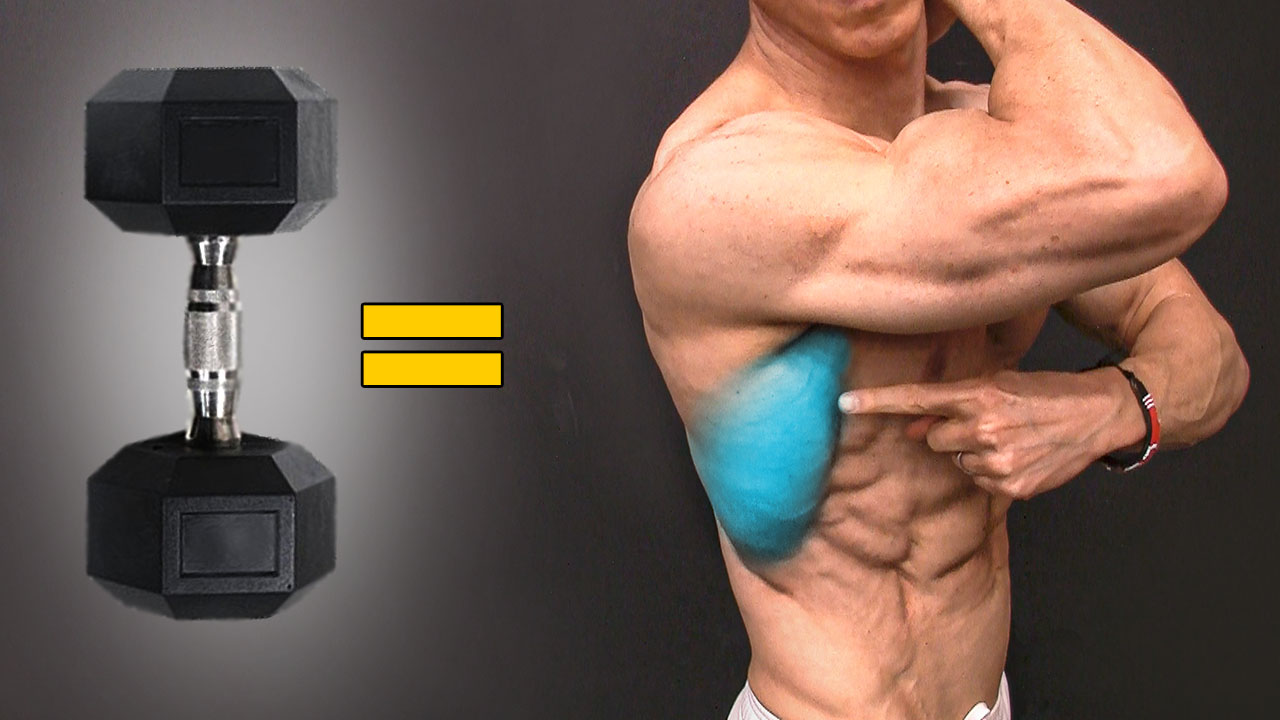
The latissimus dorsi, or lats, are large muscles on your back sides. They help pull your arms down and back. Dumbbell rows and pullovers focus on building these muscles. Strong lats improve your posture and upper body strength.
Rhomboids
Rhomboids lie between your shoulder blades. They pull the shoulder blades together and help stabilize your upper back. Exercises like dumbbell reverse flys target these muscles. Strengthening rhomboids reduces shoulder pain and improves posture.
Trapezius
The trapezius covers the upper back and neck. It controls shoulder movements and supports the neck. Shrugs and rows with dumbbells work the trapezius well. A strong trapezius enhances neck stability and shoulder power.
Erector Spinae
The erector spinae runs along your spine. It keeps your back straight and helps with bending. Dumbbell deadlifts and good mornings activate these muscles. Building erector spinae strength protects your spine and reduces back pain.
Essential Equipment And Setup
Having the right equipment and setup is key for effective dumbbell workouts for your back. Proper gear helps you perform exercises safely and with good form. It also makes your workout space more inviting and comfortable. This section covers the essentials to prepare your home gym or workout area.
Choosing The Right Dumbbells
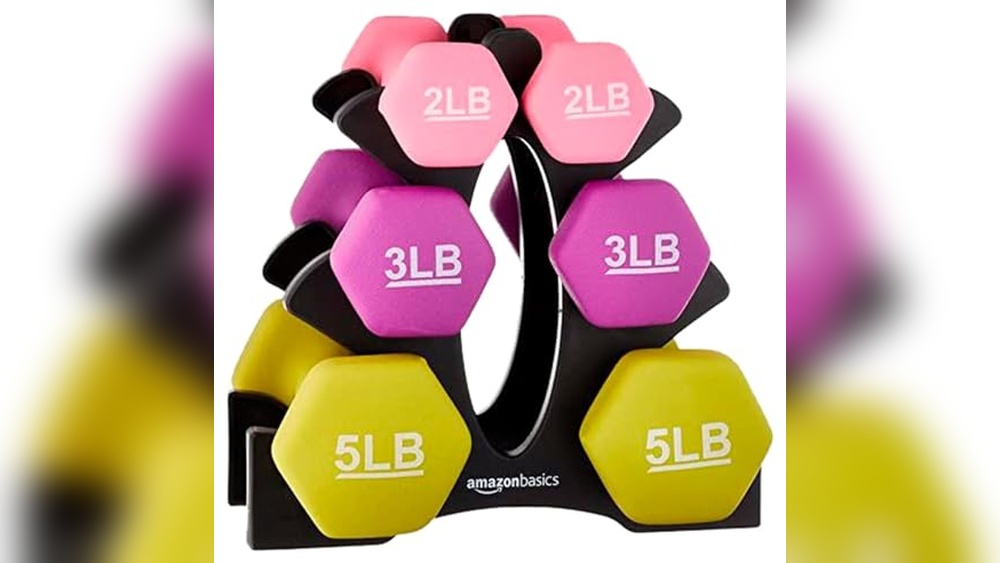
Select dumbbells that fit your strength and goals. Adjustable dumbbells save space and offer weight variety. Fixed-weight dumbbells are easy to grab and use quickly. Pick a weight that challenges you but allows proper form. Look for dumbbells with a good grip and balanced weight.
Workout Space Tips
Find a clear area with enough room to move freely. Use a non-slip mat to protect floors and prevent injuries. Good lighting helps you maintain correct posture. Keep your space organized to avoid tripping over equipment. Make sure there is enough ventilation for fresh air.
Safety Considerations
Warm up before lifting to prepare your muscles. Start with lighter weights to learn correct techniques. Keep your back straight and core engaged during exercises. Avoid sudden, jerky movements to prevent strains. Store dumbbells safely to avoid accidents after workouts.
Credit: learn.athleanx.com
Top Dumbbell Exercises For Back Strength
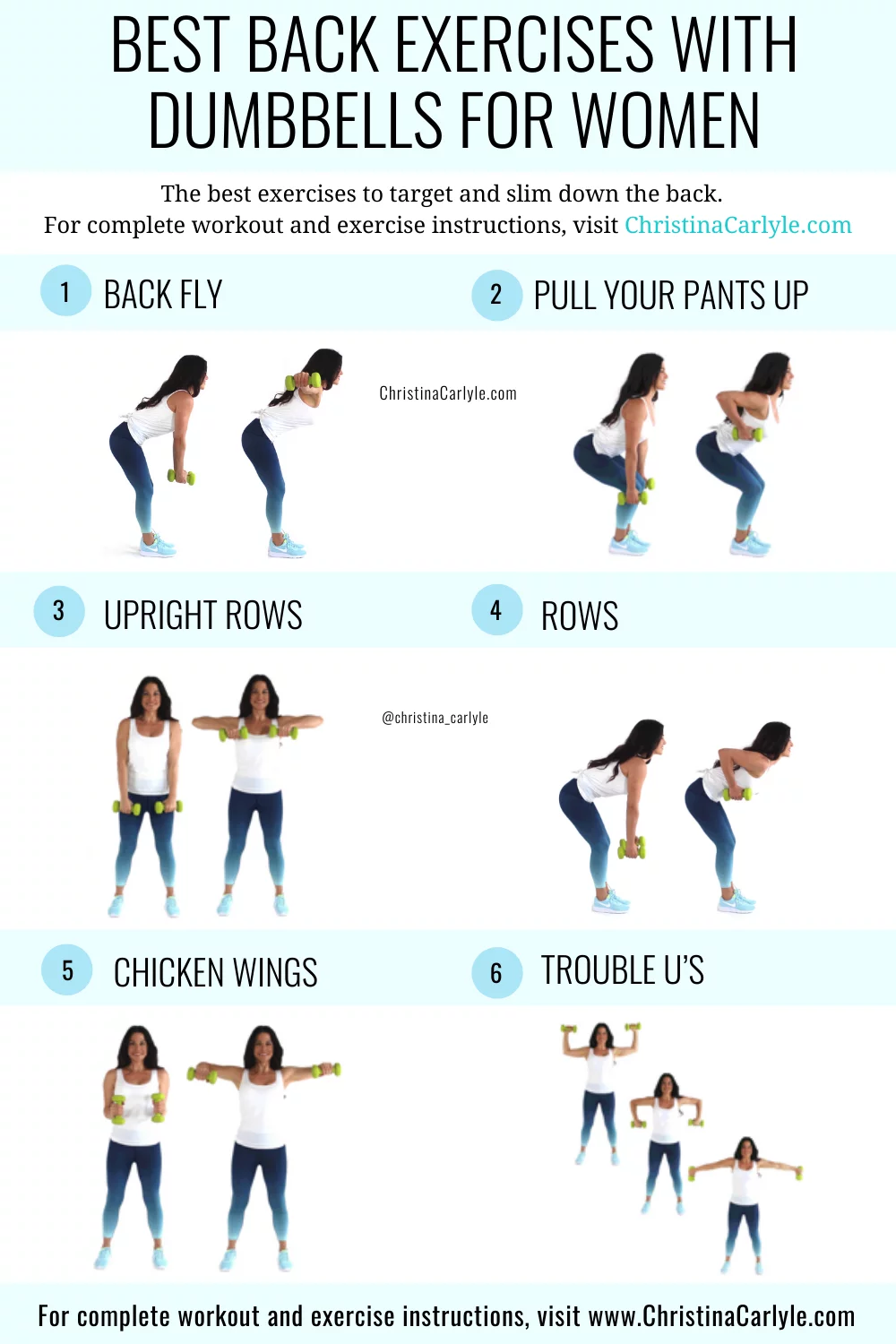
Strong back muscles improve posture and reduce injury risks. Dumbbell workouts help build back strength effectively. They target many muscles and improve overall fitness. Here are top dumbbell exercises to strengthen your back.
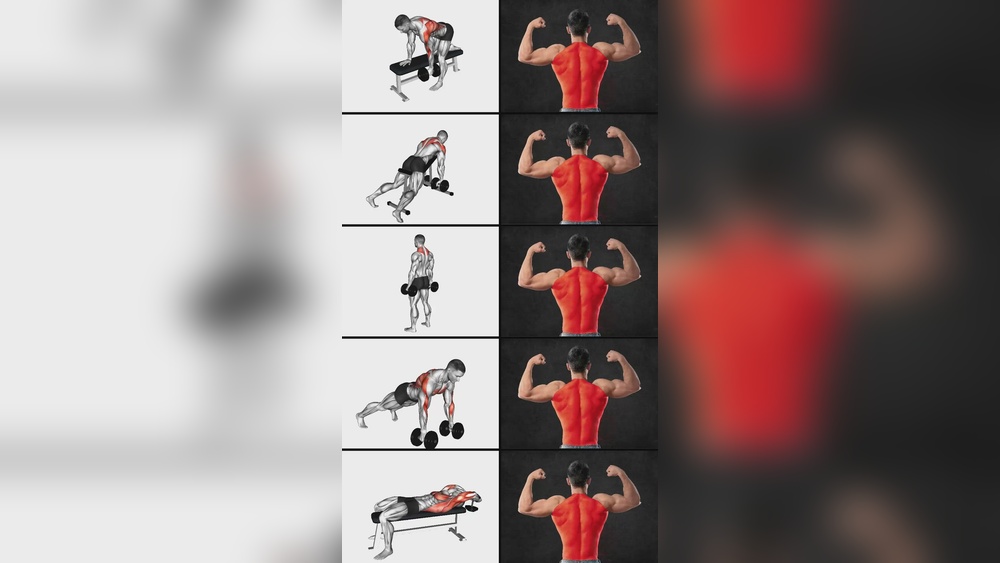
Single-arm Dumbbell Row
This exercise focuses on the upper back and lats. Place one knee and hand on a bench for support. Pull the dumbbell up toward your waist slowly. Lower the weight with control. It improves muscle balance between sides.
Renegade Row
The renegade row works the back and core simultaneously. Start in a plank position with a dumbbell in each hand. Row one dumbbell up while balancing on the other hand. Alternate sides to build stability and strength.
Reverse Fly
Reverse fly targets the rear shoulder and upper back muscles. Hold dumbbells with arms extended in front. Open your arms wide, squeezing shoulder blades together. This exercise improves posture and shoulder mobility.
Dumbbell Deadlift
Dumbbell deadlifts strengthen the lower back and hamstrings. Keep your back straight while bending at hips. Lower dumbbells close to your legs and lift by standing tall. It builds strength and helps prevent lower back pain.
Bent-over Lateral Raise
This move targets the upper back and shoulders. Bend slightly at the hips with dumbbells in hands. Raise your arms out to the sides with elbows bent. It enhances muscle tone and back definition.
Designing Your Dumbbell Back Routine
Designing your dumbbell back routine is key to building strength and muscle. A well-planned routine helps target all parts of your back effectively. Focus on exercises that improve posture, increase muscle tone, and reduce pain. Consistency and proper structure will guide your progress and prevent injury.
This section covers important details to create a balanced workout. Follow these tips to get the best results from your dumbbell back exercises.
Sets And Reps Guidelines
Start with 3 sets per exercise. Aim for 8 to 12 reps in each set. This range helps build muscle and strength. Use weights that challenge you but allow good form. Adjust reps if the weight feels too light or heavy. Increasing reps or sets gradually improves endurance and size.
Balancing Volume And Intensity
Volume means total work done, like sets times reps. Intensity refers to how heavy the weights are. Balance both for steady progress. Use moderate to heavy dumbbells without sacrificing form. Avoid doing too many sets with very light weights. Focus on quality reps over quantity.
Incorporating Rest Periods
Rest is vital between sets. Take 30 to 60 seconds to recover. This helps muscles regain strength for the next set. Longer rest suits heavier weights and low reps. Shorter rest fits lighter weights and higher reps. Listen to your body and adjust rest as needed.

Credit: www.youtube.com
Common Mistakes To Avoid
Many people make mistakes during dumbbell back workouts. These errors can cause injury or slow progress. Avoiding common mistakes helps you get better results and stay safe. Focus on doing exercises correctly and listening to your body.
Poor Form
Using bad form is the top mistake. It puts stress on joints and muscles. Your back may get hurt. Always keep your spine straight. Move with control. Avoid jerky or fast movements. Start with light weights to learn the right way.
Overtraining
Training too much can cause muscle fatigue and pain. Your back needs time to heal. Rest days are important. Do not lift heavy weights every day. Give your muscles a chance to grow stronger.
Ignoring Warm-up And Cool-down
Skipping warm-up and cool-down can lead to injury. Warm-up prepares your muscles for exercise. Cool-down helps your body recover. Spend 5–10 minutes on each. Stretch your back and shoulders gently after workouts.
Progress Tracking And Adjustments
Tracking progress and making adjustments are key to getting stronger with dumbbell workouts for your back. Without tracking, you may miss how much you improve. Adjusting your routine helps avoid plateaus and keeps your muscles growing.
Regularly checking your progress helps you understand what works. It also shows when to challenge yourself more. Small changes can lead to big gains over time.
Tracking Strength Gains
Write down the weights you use and how many reps you do. Note how you feel during and after exercises. This record shows your strength improvements clearly. Seeing progress motivates you to keep going. Use a notebook or a fitness app to log your workouts.
When To Increase Weight
Increase dumbbell weight when exercises feel too easy. If you can do all reps with no struggle, it’s time. Add small weight increments to avoid injury. Raising the weight challenges your muscles and builds strength. Don’t rush; progress at a safe pace.
Modifying Workouts For Plateaus
Plateaus happen when your muscles stop growing. Change exercises or the order to break through. Add more sets or reps to increase volume. Try slower movements or hold the weights longer. These tweaks keep workouts fresh and effective.
Credit: vixencomposites.com
Supplementary Tips For Back Health
Strong back muscles need more than just dumbbell workouts. Supporting your back health requires care outside the gym. Simple habits help protect your spine and improve your strength. Follow these tips to keep your back safe and healthy.
Stretching And Mobility
Stretching helps keep your back muscles flexible and loose. Tight muscles can cause pain and limit movement. Spend a few minutes daily stretching your lower and upper back. Gentle movements reduce stiffness and improve your range of motion. Try simple stretches like child’s pose or cat-cow to ease tension.
Nutrition For Muscle Growth
Your muscles need fuel to grow strong. Eat foods rich in protein like chicken, fish, beans, and eggs. Protein repairs muscle fibers after workouts. Also, include vegetables and fruits for vitamins and minerals. Drink enough water to stay hydrated and support muscle function. Balanced nutrition speeds up recovery and builds strength.
Rest And Recovery
Muscles grow during rest, not workout time. Give your back time to recover after exercise. Avoid working the same muscles every day. Sleep at least seven hours each night to help repair tissues. Rest lowers the risk of injury and keeps your muscles strong for the next session.
Frequently Asked Questions
What Are The Best Dumbbell Exercises For Back Muscles?
The best dumbbell exercises for back include rows, deadlifts, and pullover variations. These target upper, middle, and lower back effectively. They build strength, improve posture, and enhance muscle definition with minimal equipment.
How Often Should I Do Dumbbell Back Workouts?
Perform dumbbell back workouts 2 to 3 times per week. Allow 48 hours for muscle recovery between sessions. Consistency and proper form maximize strength gains and reduce injury risk.
Can Dumbbell Workouts Help Improve Posture?
Yes, dumbbell workouts strengthen the upper and lower back muscles. Strong back muscles support the spine, reducing slouching and improving posture over time.
What Weight Dumbbells Are Ideal For Back Training?
Start with moderate weights that allow 8 to 12 reps with good form. Gradually increase weight as strength improves. Avoid weights that cause strain or compromise technique.
Conclusion
Strong back muscles help improve posture and reduce pain. Dumbbell workouts target key muscles effectively at home or gym. Consistency and proper form matter most for good results. Start with lighter weights and increase gradually to avoid injury. Combine these exercises with a balanced diet and rest for best gains.
Keep challenging yourself and enjoy a healthier, stronger back. Simple steps lead to lasting fitness success.