Are you looking to build strong, well-defined shoulders without complicated gym machines? Dumbbells might be your best friend.
With just a pair of dumbbells, you can target every part of your shoulders effectively. Whether you want to improve your posture, boost your strength, or sculpt your upper body, the right exercises can make a huge difference. You’ll discover the best shoulder exercises using dumbbells that are simple, effective, and perfect for your workout routine.
Ready to transform your shoulders and feel more confident? Keep reading to find out how!
Benefits Of Dumbbell Shoulder Workouts
Dumbbell shoulder workouts offer many benefits for strength and health. They help build muscle evenly and improve movement. These exercises also fit easily into any workout plan. Dumbbells allow controlled, smooth motions that protect the joints and reduce injury risk. Many people find dumbbell exercises easy to learn and use at home or gym.
Improved Muscle Balance
Dumbbell exercises work each shoulder separately. This stops one side from becoming stronger or bigger than the other. Balanced muscles improve posture and reduce pain in daily activities. Working both sides equally also helps with sports and lifting tasks.
Enhanced Range Of Motion
Dumbbells let you move your shoulders through a full range. This increases flexibility and joint health. More motion means better performance in other exercises and daily movements. It also lowers the risk of stiffness and injury over time.
Versatility And Accessibility
Dumbbells are easy to use at home or gym. You can change weights to match your strength level. Many exercises target different shoulder muscles with the same equipment. This makes dumbbell workouts cost-effective and simple to include in routines.

Credit: www.menshealth.com
Key Shoulder Muscles To Target
Strong shoulders improve posture and boost arm strength. Targeting the right muscles helps build balanced, injury-free shoulders. Dumbbell exercises can hit these key muscles effectively. Understanding each muscle’s role guides your workout for better results.
Deltoids: Front, Side, Rear
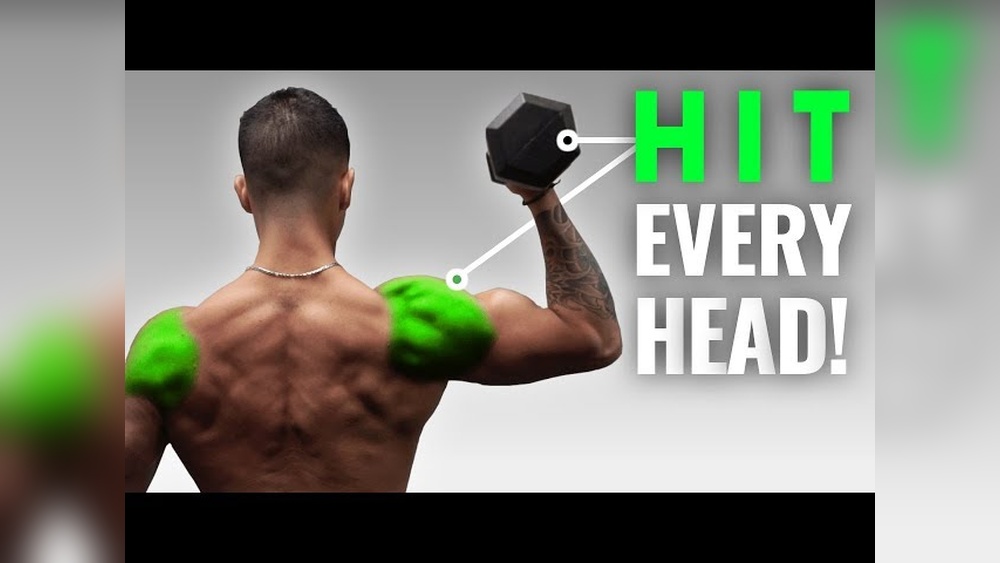
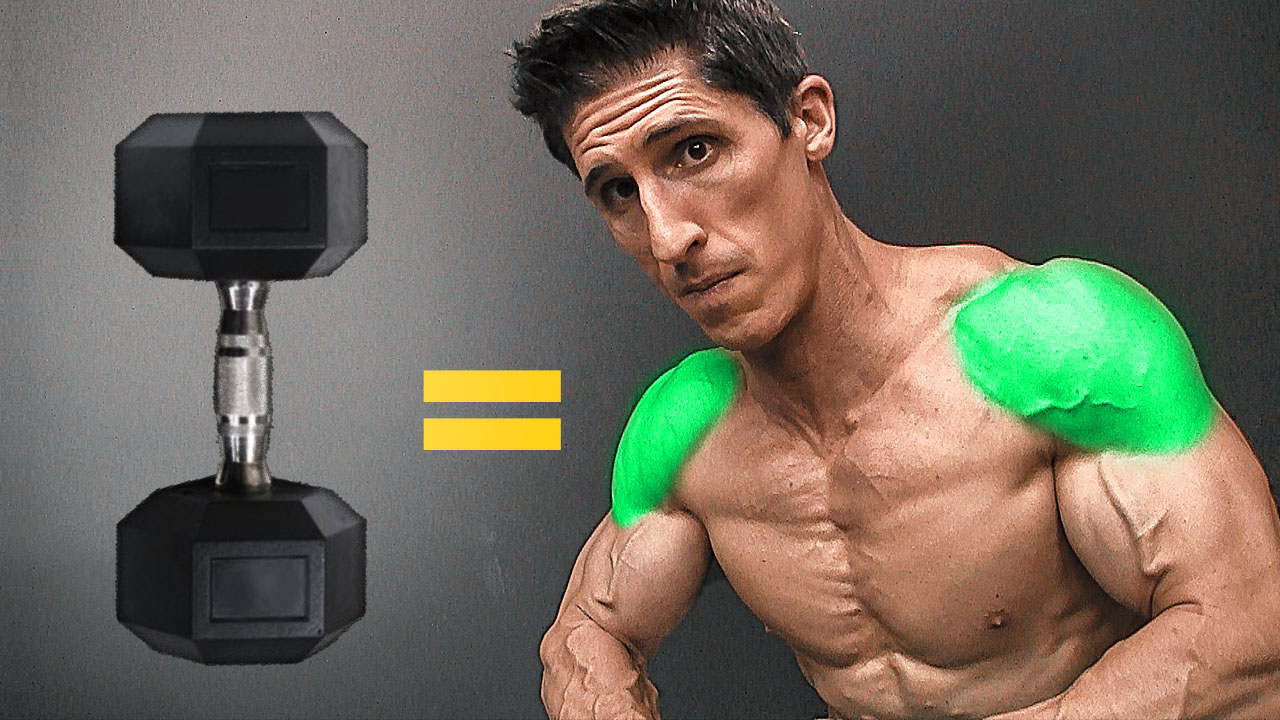
The deltoids form the rounded shape of the shoulder. They have three parts: front, side, and rear. The front deltoid lifts the arm forward. The side deltoid raises the arm to the side. The rear deltoid pulls the arm backward. Working all three parts creates strong, well-rounded shoulders.
Rotator Cuff Muscles
The rotator cuff is a group of small muscles around the shoulder joint. These muscles stabilize and rotate the shoulder. They keep the shoulder steady during movement. Strengthening the rotator cuff reduces injury risk. Dumbbell exercises can improve their strength and flexibility.
Trapezius And Serratus Anterior
The trapezius muscle covers the upper back and neck. It helps lift and rotate the shoulder blade. The serratus anterior lies along the ribs under the armpits. It moves the shoulder blade forward and upward. These muscles support shoulder movement and stability. Training them improves shoulder control and posture.
Top Dumbbell Exercises For Shoulders
Strong shoulders improve posture and enhance daily movements. Dumbbells help build shoulder strength and size. They allow natural movement and better muscle control. Try these top dumbbell exercises for stronger, well-shaped shoulders.
Dumbbell Shoulder Press
Hold a dumbbell in each hand at shoulder height. Press the weights upward until arms are straight. Lower the dumbbells slowly back to the start. This exercise targets the front and middle shoulder muscles.
Lateral Raises
Stand with dumbbells by your sides. Lift the weights out to the sides until arms are parallel to the floor. Keep a slight bend in your elbows. This moves the middle shoulder muscles and widens your shoulders.
Front Raises
Hold dumbbells in front of your thighs. Raise one or both arms straight forward to shoulder height. Lower them slowly back down. This exercise focuses on the front shoulder muscles.
Reverse Flyes
Bend slightly at the waist, keeping your back flat. Hold dumbbells with arms hanging down. Lift the weights out to the sides, squeezing shoulder blades together. This targets the rear shoulder muscles and improves posture.
Arnold Press
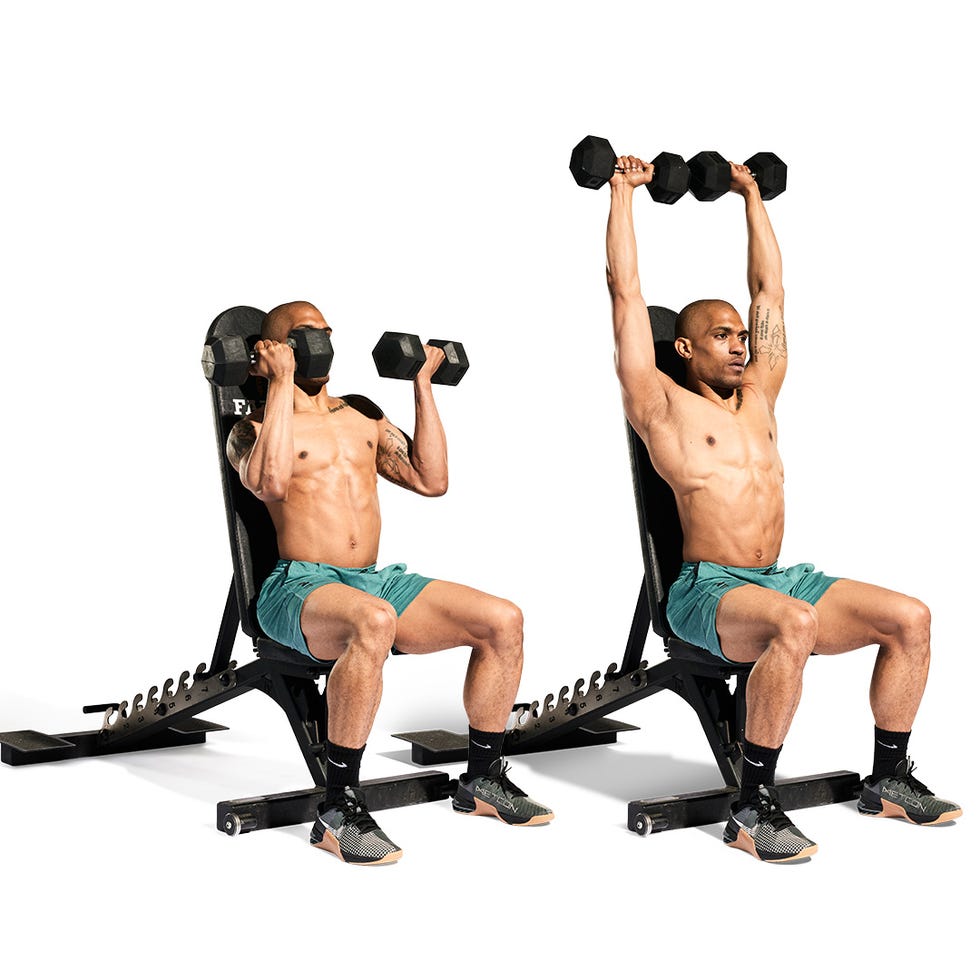
Start with dumbbells in front of your chest, palms facing you. Rotate your palms away while pressing the weights overhead. Lower the dumbbells back to the start with control. This exercise works all parts of the shoulder.
Credit: learn.athleanx.com
Proper Form Tips For Dumbbell Moves
Proper form is key for safe and effective dumbbell shoulder exercises. It helps avoid injuries and targets the right muscles. Small adjustments make big differences. Follow these tips to get the most from your workouts.
Maintaining Posture
Stand or sit straight with your chest up. Keep your shoulders back and down. Avoid rounding your upper back. Tighten your core muscles to support your spine. Good posture protects your joints and improves strength.
Controlling Movement
Lift and lower dumbbells slowly. Avoid using momentum or swinging weights. Focus on smooth, steady motions. Control the full range of motion for better muscle engagement. Stop if you feel pain or discomfort.
Breathing Techniques
Breathe out as you lift the dumbbells. Inhale as you lower them back down. Avoid holding your breath during exercise. Proper breathing helps maintain rhythm and reduces fatigue. It also supports muscle performance and focus.
Creating An Effective Shoulder Routine
Creating an effective shoulder routine is key to building strong, well-shaped shoulders. A good routine focuses on different parts of the shoulder to avoid imbalances. It also helps prevent injuries and improves overall strength. Using dumbbells offers great flexibility and control during workouts.
Exercise Selection
Choose exercises that target all three parts of the shoulder: front, middle, and rear deltoids. Include movements like dumbbell shoulder press, lateral raises, and reverse flyes. These exercises work different muscles and improve shoulder shape. Avoid doing only one type of exercise to prevent muscle imbalances.
Sets And Reps Recommendations
Perform 3 to 4 sets for each exercise. Aim for 8 to 12 repetitions per set. This range helps build muscle size and strength. Use a weight that challenges you but still allows good form. Adjust reps and sets based on your progress and goals.
Rest And Recovery
Rest time between sets should be 30 to 60 seconds. This keeps the workout intense and effective. Allow at least 48 hours between shoulder workouts. Muscles need time to recover and grow stronger. Proper rest reduces the risk of injury and improves results.
Common Mistakes To Avoid
Shoulder workouts with dumbbells are effective but easy to do wrong. Avoiding common mistakes helps you get better results and prevents injury. Focus on form and control. Pay attention to your body’s signals. Here are some common errors to watch out for.
Using Too Much Weight
Choosing heavy dumbbells can lead to poor form. You might swing the weights or use momentum. This reduces the exercise’s benefit and can cause injury. Start with lighter weights. Increase weight only when you can control the movement fully.
Neglecting Warm-up
Jumping straight into shoulder exercises without warming up strains muscles and joints. Warm-up increases blood flow and prepares your shoulders for work. Simple arm circles or light dumbbell movements help. Spend 5-10 minutes warming up before lifting.
Ignoring Muscle Imbalances
Many people have one shoulder stronger than the other. Training both sides equally avoids imbalances. Use dumbbells to work each shoulder separately. This builds balanced strength and reduces the risk of injury.
Progress Tracking And Adjustments
Tracking progress and making adjustments help improve shoulder workouts with dumbbells. You see how much you improve. You avoid injury. You keep your workouts fresh and effective. This section guides you on monitoring gains, increasing intensity safely, and adding variety.
Monitoring Strength Gains
Track the weights you lift each session. Note how many reps and sets you complete. Write down any changes in ease or difficulty. Check if you can lift heavier dumbbells over time. Use a journal or app to record progress. Small improvements add up quickly.
Increasing Intensity Safely
Raise dumbbell weight gradually. Add a little more weight every two weeks. Avoid jumping to heavy weights too fast. Increase reps or sets before increasing weight. Rest well between workouts. Stop if you feel sharp pain. Safety prevents setbacks and keeps progress steady.
Incorporating Variety
Change exercises to target different shoulder muscles. Switch between front raises, lateral raises, and overhead presses. Use different grip positions and tempos. Vary dumbbell weight and repetition speed. Variety helps avoid plateaus and keeps muscles challenged. It also makes workouts more interesting.
Credit: www.menshealth.com
Frequently Asked Questions
What Are The Best Dumbbell Exercises For Shoulder Strength?
The best dumbbell exercises for shoulder strength include shoulder presses, lateral raises, front raises, and reverse flyes. These moves target all shoulder muscles, improving strength and stability effectively. Using dumbbells allows for a full range of motion and balanced muscle development.
How Often Should I Do Dumbbell Shoulder Workouts?
For optimal results, perform dumbbell shoulder exercises 2-3 times per week. Allow at least 48 hours of rest between sessions to promote muscle recovery and growth. Consistency and proper form are key to avoiding injury and maximizing strength gains.
Can Dumbbell Exercises Prevent Shoulder Injuries?
Yes, dumbbell exercises strengthen the rotator cuff and shoulder stabilizers. This improves joint stability and reduces injury risk during daily activities and sports. Focus on controlled movements and balanced training to maintain shoulder health and prevent strain.
Which Dumbbell Exercise Targets The Rear Shoulder Muscles?
Reverse flyes with dumbbells effectively target the rear deltoids. This exercise improves posture and balances shoulder muscle development. It involves lifting dumbbells out to the sides while bent over, engaging the back part of the shoulder.
Conclusion
Dumbbell shoulder exercises build strength and improve mobility. They fit well in any workout routine. Start with light weights to avoid injury. Focus on form to get the best results. Consistency helps your muscles grow and stay strong. Try different exercises to target all shoulder parts.
Keep your workouts simple and steady. Strong shoulders support daily activities and sports. Enjoy the process and track your progress. Small steps lead to big improvements over time.