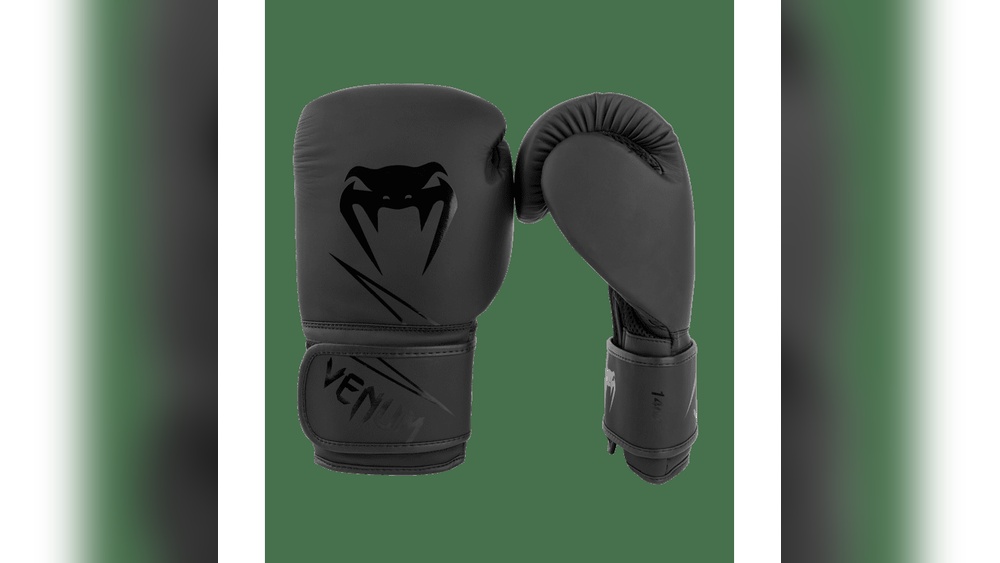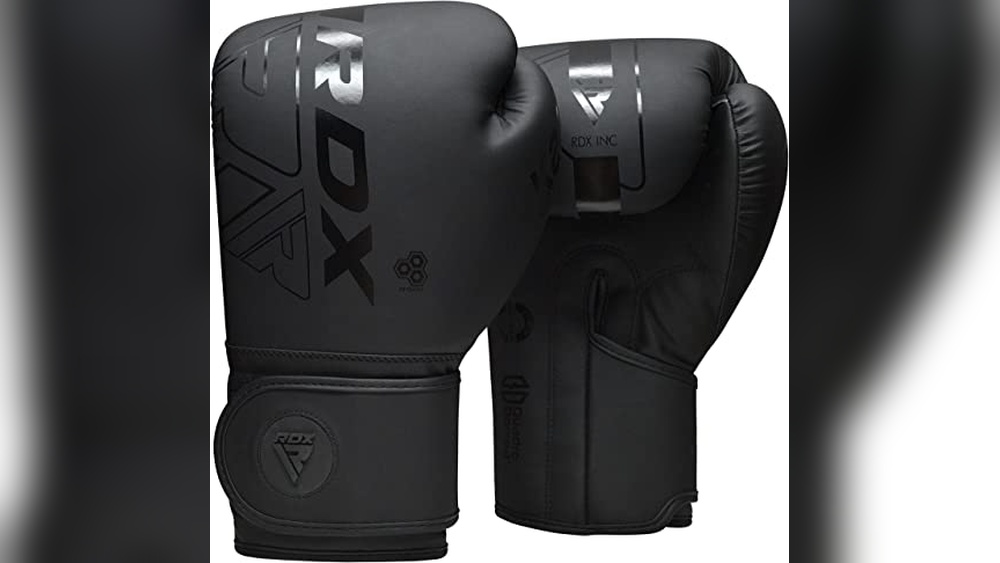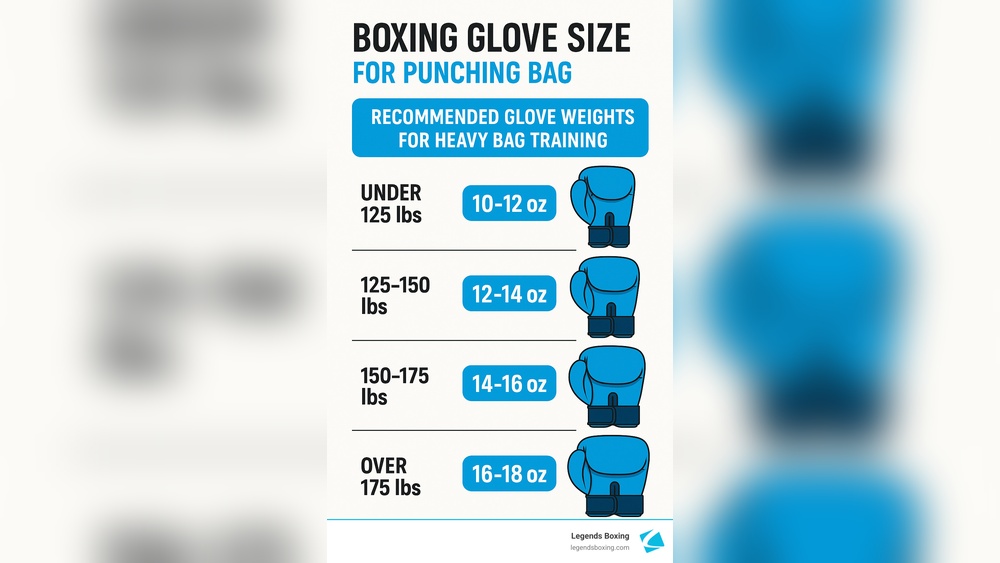
If you’re serious about training with a heavy bag, choosing the right size boxing gloves is key. The wrong gloves can lead to discomfort, injury, or even slow your progress.
You want gloves that protect your hands, offer support, and feel just right every time you punch. But with so many options out there, how do you pick the best size for your heavy bag workouts? Keep reading, because getting this right will make a huge difference in your training and help you hit harder, longer, and safer.
Credit: www.gpbsrl.it
Choosing The Right Glove Size
Choosing the right glove size is key for heavy bag training. The right gloves protect your hands and improve your performance. Gloves that are too small can hurt your knuckles. Gloves that are too big can feel loose and reduce control. Understanding glove sizes helps you pick the best pair for your needs.
Glove Sizes Explained
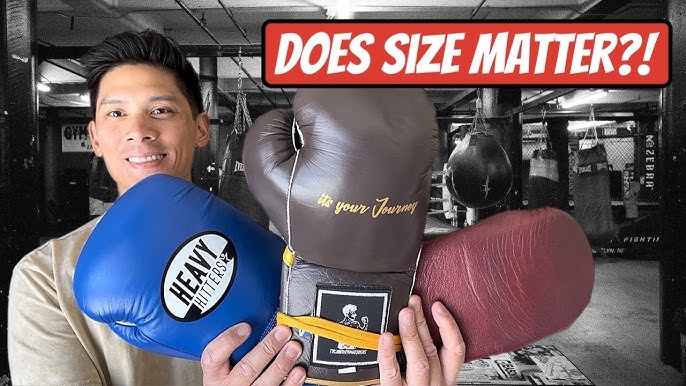
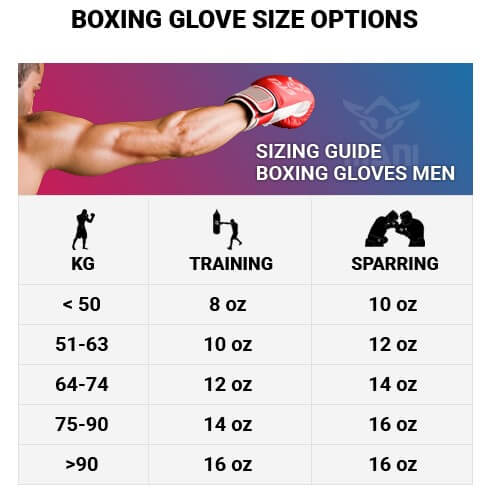
Boxing gloves come in different sizes, usually measured in ounces (oz). Common sizes range from 8 oz to 16 oz. The number shows the glove’s weight, not the hand size. Heavier gloves have more padding and offer better protection. Lighter gloves are less bulky and allow faster punches.
Impact Of Weight On Glove Size
Heavier gloves provide more wrist support and cushion. They reduce the chance of injury during heavy bag workouts. Lighter gloves feel faster but offer less protection. Choosing the right weight depends on your training goals. For heavy bag work, 14 oz or 16 oz gloves usually work best.
Hand Measurements And Fit
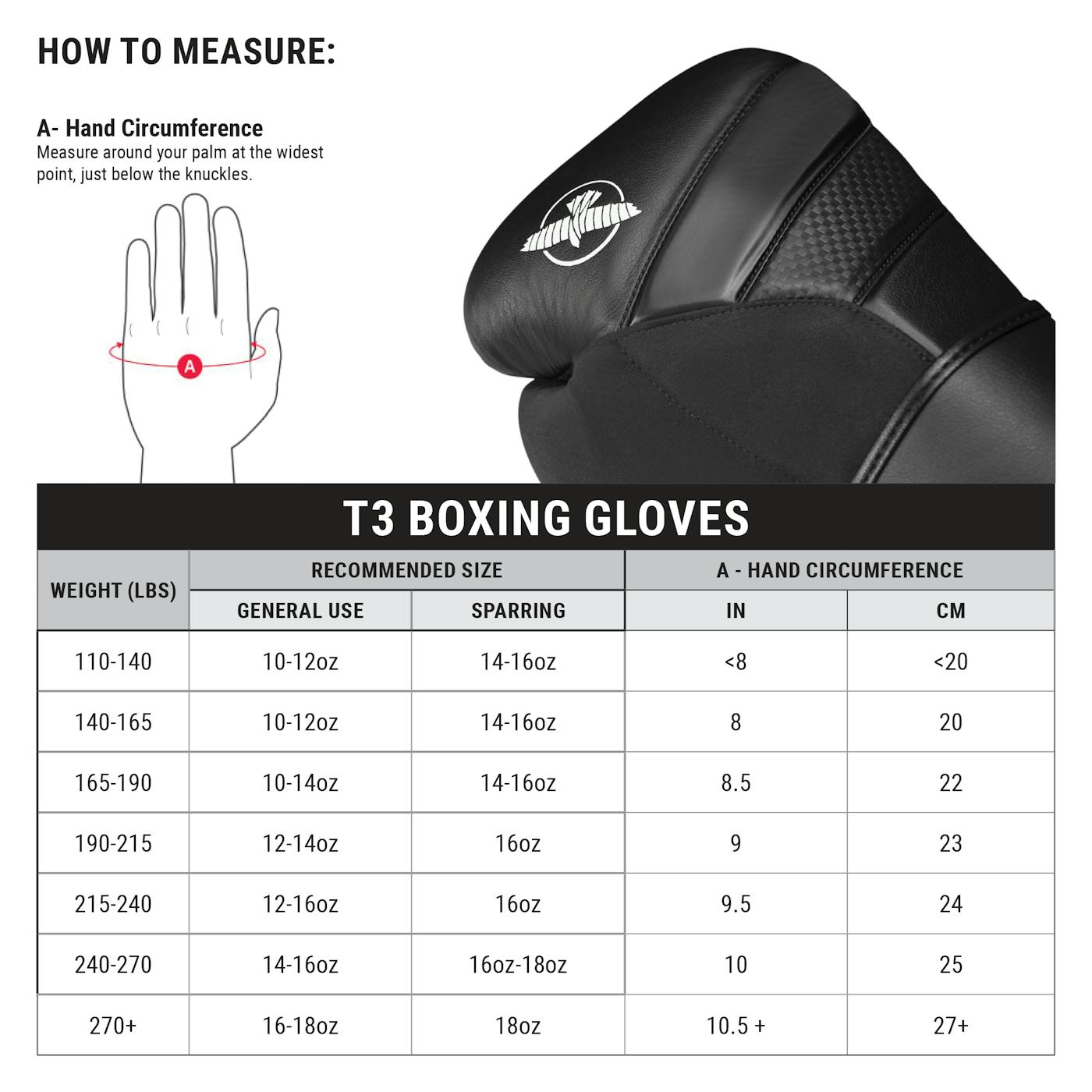
Measure your hand around the knuckles with a tape. Use this size to find gloves that fit snugly but not tight. Gloves should feel comfortable and allow finger movement. Too loose gloves can cause slipping inside. Proper fit improves control and safety during training.
Heavy Bag Training Needs
Heavy bag training is a key part of boxing practice. It builds power and improves technique. The gloves you choose affect your training quality. They must meet specific needs to keep you safe and comfortable. Choosing the right size helps protect your hands and supports long workouts.
Understanding the needs of heavy bag training helps pick the best gloves. Focus on protection, durability, and comfort. These factors keep your hands healthy and improve your training sessions.
Protection For Knuckles And Wrists
Heavy bag workouts put strong impact on knuckles and wrists. Gloves should cushion these areas well. Good padding reduces risk of injury. Wrist support stops strains during hard punches. Proper glove size helps keep everything in place. This protection allows longer, safer training sessions.
Durability Against Repeated Strikes
Heavy bags demand gloves that last through many hits. Quality materials resist wear and tear. Stitches must hold up under constant pressure. Durable gloves save money over time. They maintain shape and padding after use. This strength supports consistent, effective workouts.
Comfort During Intense Sessions
Comfort is key for long training periods. Gloves should fit snugly but not tight. Breathable fabric helps reduce sweat buildup. Soft inner lining prevents skin irritation. Light gloves make fast movements easier. Comfortable gloves keep focus on technique, not pain.
Glove Weight And Padding
Choosing the right boxing gloves for heavy bag training depends a lot on glove weight and padding. These factors affect your comfort, protection, and performance. Gloves that are too heavy or too light can change how you punch and how long you can train.
Padding protects your hands and wrists from impact. The right thickness cushions your fists without making your gloves too bulky. Understanding glove weight and padding helps you pick gloves that suit your training style and goals.
Common Weight Options
Boxing gloves come in different weights. The most common are 10 oz, 12 oz, 14 oz, and 16 oz. Lighter gloves, like 10 oz, feel faster but offer less padding. Heavier gloves, such as 16 oz, provide more protection and build strength.
For heavy bag work, 14 oz or 16 oz gloves are popular. They balance protection and training intensity. Choose a weight that fits your hand size and workout needs.
Padding Types And Thickness
Glove padding can be foam, gel, or a mix of both. Foam padding is firm and durable. Gel padding absorbs shock better, reducing hand strain. Some gloves use layered foam for extra cushioning.
Thickness varies from about 1 inch to 2 inches. Thicker padding means more protection but less speed. Thin padding offers faster punches but less hand safety.
Balancing Protection And Agility
Good gloves protect your hands without slowing you down. Heavy bag gloves need enough padding to prevent injuries. At the same time, they must allow quick and natural punches.
Pick gloves that fit well and feel comfortable. Try different weights and padding types to find your balance. This helps you train longer and safer.
Material And Build Quality
Choosing the right material and build quality for boxing gloves affects your training comfort and glove durability. Good gloves protect your hands and last longer. They also feel better during heavy bag workouts. Let’s explore the main factors that make gloves strong and comfortable.
Leather Vs Synthetic Gloves
Leather gloves feel soft and last longer. They resist wear and tear well. Leather also molds to your hand over time. Synthetic gloves cost less and are lighter. They clean easily and dry fast. But synthetic materials may wear out quicker. Choose leather for durability and synthetic for budget and easy care.
Stitching And Reinforcement
Strong stitching holds the glove parts together. Double or triple stitching adds extra strength. Reinforced areas protect high-impact zones like knuckles. Poor stitching can cause gloves to tear fast. Check for tight, even stitches around the glove. Reinforcement helps gloves keep their shape and protect your hands better.
Breathability And Moisture Control
Good gloves have vents or mesh panels to let air flow. This reduces sweat and keeps hands cooler. Moisture builds up inside gloves can cause bad smell and skin problems. Some gloves use special lining to absorb sweat. Breathable gloves feel more comfortable during long training sessions.
Popular Brands And Models
Choosing the right boxing gloves matters for heavy bag workouts. Popular brands offer many models made for comfort and protection. These gloves help improve your punching power and reduce hand injuries. Different gloves suit different needs and budgets. Here are some popular options to consider.
Top Gloves For Heavy Bag Workouts
Everlast is a trusted brand with durable gloves. Their Powerlock model offers good wrist support and padding. Rival boxing gloves are also excellent. The Rival RS1 model provides extra hand protection and fits well. Hayabusa gloves are known for quality materials. The Hayabusa T3 gloves combine comfort and toughness for heavy bag use.
Budget-friendly Options
Century boxing gloves offer good value for beginners. The Century Striker gloves protect hands without costing much. Ringside gloves also provide affordable options. The Ringside Apex gloves have solid padding for heavy bag training. Venum gloves are another choice. The Venum Contender gloves are budget-friendly and comfortable.
Premium Gloves For Professionals
Winning gloves are top-rated by pro boxers. Their training gloves use high-quality leather and thick padding. Cleto Reyes gloves are handmade and very durable. These gloves shape well to the hand and last long. Grant gloves are popular in professional boxing. The Grant Professional gloves offer excellent protection and style.
Credit: www.youtube.com
Tips For Glove Maintenance
Proper maintenance keeps your boxing gloves in good shape. It stops bad smells and damage. Gloves last longer with the right care. Here are tips for cleaning, drying, and storing gloves. Follow these steps to protect your investment and stay ready for training.
Cleaning And Drying Techniques
Wipe gloves inside and out after each use. Use a clean cloth with mild soap and water. Avoid soaking gloves in water. Dry gloves in a cool, ventilated place. Do not leave gloves under direct sunlight or heaters. Use glove deodorizers or stuff them with newspaper to absorb moisture.
Storage Recommendations
Store gloves in a dry, cool area. Avoid tight spaces that can deform gloves. Use a mesh bag for air circulation. Keep gloves away from damp places. Do not store gloves inside your gym bag for long periods. Proper storage keeps gloves fresh and firm.
Extending Glove Lifespan
Rotate between two pairs of gloves if possible. This allows gloves to dry fully between uses. Check gloves often for signs of wear and tear. Repair small tears early to prevent bigger damage. Avoid hitting hard surfaces other than your heavy bag. Proper care keeps gloves strong and comfortable.
Credit: thorfamilylaw.com
Frequently Asked Questions
What Size Boxing Gloves Are Best For Heavy Bag Training?
For heavy bag training, 14 to 16 oz gloves are ideal. They provide ample padding to protect your hands and wrists. These sizes balance power and safety, preventing injuries during intense workouts.
Can I Use Smaller Gloves For Heavy Bag Workouts?
Smaller gloves like 10 to 12 oz offer less padding. They are better for speed and sparring, not heavy bag work. Using smaller gloves on a heavy bag may increase injury risk.
How Does Glove Weight Affect Heavy Bag Performance?
Heavier gloves add resistance, building strength and endurance. Lighter gloves allow faster punches but less protection. Choose glove weight based on your training goals and hand safety.
Are 16 Oz Gloves Too Big For Heavy Bag Training?
No, 16 oz gloves are perfect for most heavy bag workouts. They provide maximum padding and wrist support. These gloves help reduce impact and prevent injuries during intense sessions.
Conclusion
Choosing the right size boxing gloves protects your hands during heavy bag workouts. Gloves that fit well reduce injury risk and improve performance. Heavier gloves offer more padding but may tire your arms faster. Lighter gloves allow faster punches but less protection.
Think about your training goals and hand size. Comfort matters most to keep training safe and fun. Find gloves that feel good and support your practice. This way, you get the best from every heavy bag session.