Are you struggling to find the perfect boxing gloves that fit just right? Choosing the best size boxing gloves isn’t just about comfort—it directly affects your performance and safety in the ring.
If your gloves are too big, you lose control. If they’re too small, your hands could get injured. In this guide, you’ll discover how to pick gloves that protect your hands, boost your power, and feel like they were made just for you.
Keep reading to learn the simple tips that can make a huge difference in your boxing experience.

Credit: vixencomposites.com
Choosing The Right Size
Choosing the right size boxing gloves is important for safety and performance. Gloves that fit well protect your hands and wrists. They also help you train better and reduce injury risks. Knowing how to pick the correct size is the first step in your boxing journey.
Measuring Your Hand
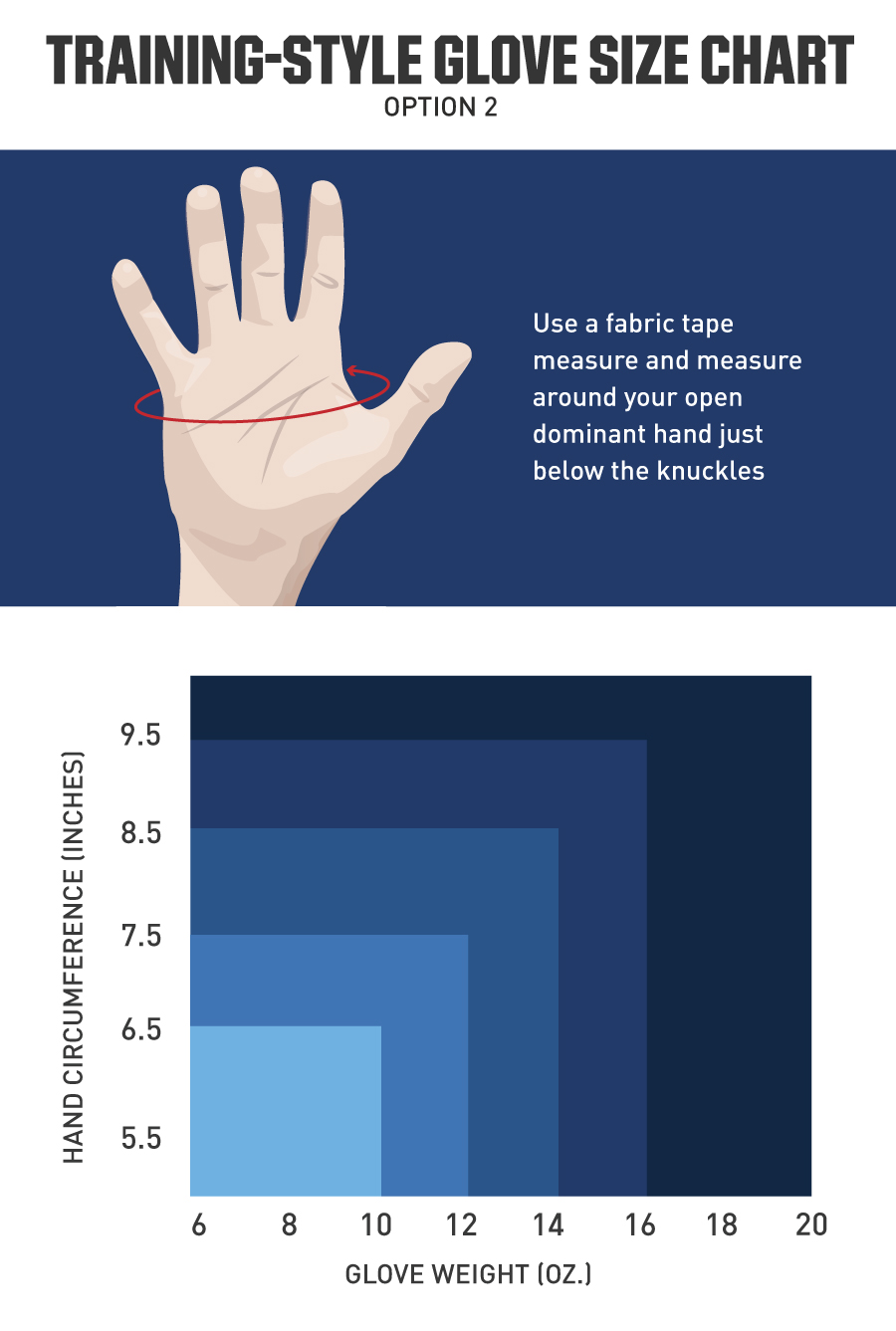
Start by measuring your hand size. Use a tape measure around your knuckles with your fingers together. Note the circumference in inches. This number helps find gloves that fit snugly. Gloves that are too tight or loose can cause discomfort and injury.
Weight Classes And Glove Size
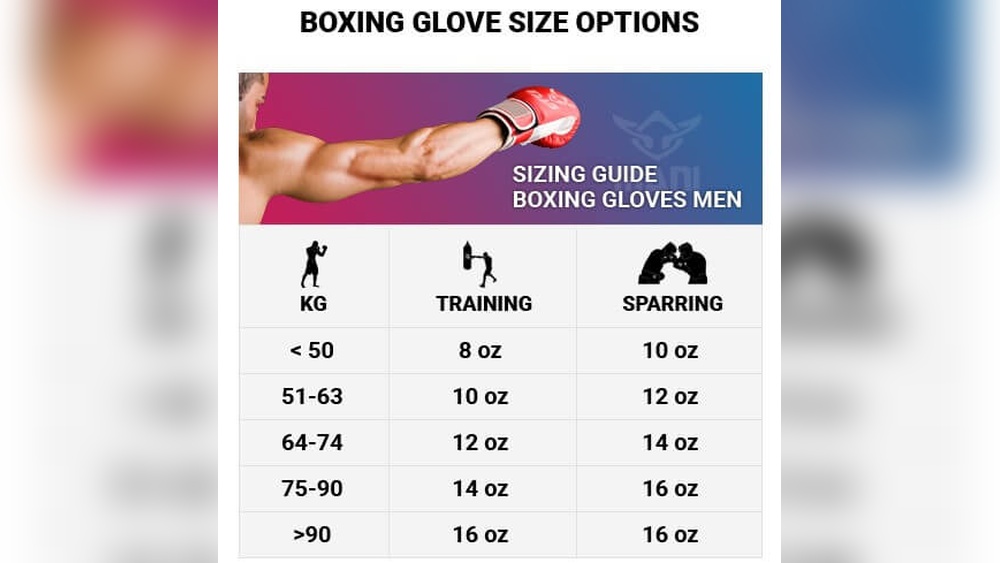
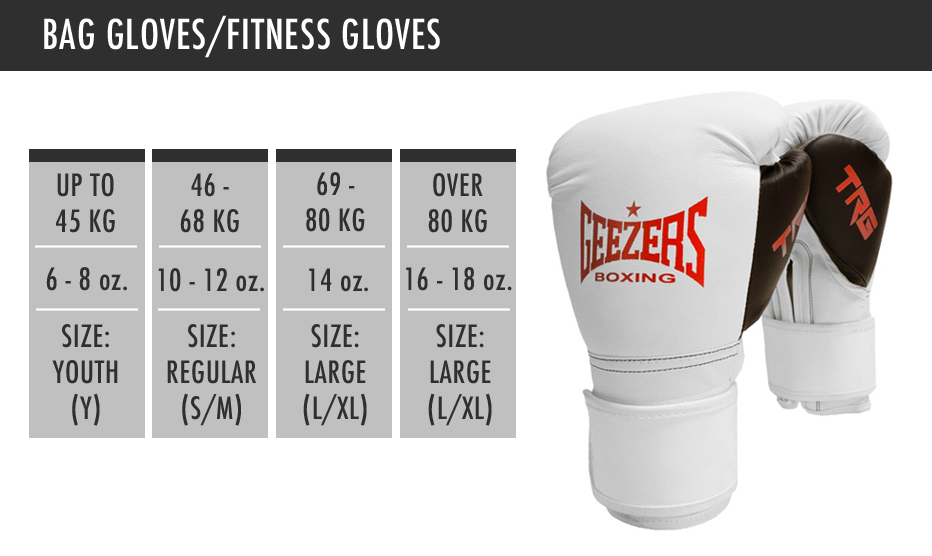
Glove size often depends on your weight class. Lighter boxers usually use smaller gloves. Heavier boxers need bigger gloves for more padding. Common glove sizes range from 8 oz to 16 oz. Choose a size that matches your weight for protection and power.
Differences Between Men’s And Women’s Gloves
Men’s and women’s gloves differ in shape and size. Women’s gloves are generally narrower and lighter. They fit smaller hands better and offer more comfort. Men’s gloves are wider and have more padding. Choose gloves designed for your hand type for a better fit and feel.
Glove Sizes And Their Uses
Choosing the right boxing glove size is key for comfort and safety. Gloves come in different weights measured in ounces (oz). Each size fits a specific purpose. Using the correct size helps protect your hands and your opponent.
Glove size depends on your weight, training type, and skill level. Different weights suit different activities. Below is a simple guide to glove sizes and their uses.
8 Oz And 10 Oz For Competition
These gloves are lighter and used in matches. They offer less padding to keep punches fast. Most professional fights use 8 oz or 10 oz gloves. They allow better speed and control during competition.
12 Oz And 14 Oz For Training
These gloves have moderate padding. They are perfect for bag work and mitt drills. They protect your hands and wrists without being too bulky. Many boxers choose 12 oz or 14 oz gloves for daily training sessions.
16 Oz For Sparring
Heavier gloves like 16 oz provide extra padding. They reduce impact to protect both fighters. Sparring with 16 oz gloves lowers injury risk. These gloves help you practice safely with a partner.
Factors Affecting Glove Fit
Choosing the right boxing gloves is not just about size. Several factors affect the fit and comfort of your gloves. Understanding these factors helps you pick gloves that protect your hands and improve your performance. Fit affects safety, control, and how long you can train without pain.
Hand Wraps Impact
Hand wraps add extra padding and support inside gloves. They make your hands thicker and tighter. Gloves that fit well without wraps may feel tight with wraps on. Always try gloves with your hand wraps to get the true fit. Wraps protect your knuckles and wrists from injury.
Padding Thickness
Padding thickness changes glove size and weight. Thicker padding offers more protection but feels bulkier. Thinner padding allows more speed and control but less cushioning. Choose padding based on your training style. Sparring needs thicker padding than bag work.
Wrist Support And Closure Types
Wrist support keeps your wrist stable during punches. Gloves have different closures like Velcro or lace-up. Velcro is quick and easy to use. Lace-up offers tighter, more secure fit but needs help to tie. Proper wrist support prevents injuries and improves glove fit.
Material And Durability
The material and durability of boxing gloves play a key role in their performance. Gloves must protect your hands and last long through tough training. Choosing the right material helps you get better value and comfort. Durability ensures the gloves hold up after many fights or workouts.
Understanding the differences in materials and how gloves are made can guide your choice. This section breaks down the main factors affecting glove quality and lifespan.
Leather Vs Synthetic Gloves
Leather gloves are known for their strength and comfort. They mold to your hands over time, offering a better fit. Leather is breathable and lasts longer with proper care. These gloves tend to be pricier but worth it for serious boxers.
Synthetic gloves cost less and are easier to clean. They can still protect your hands well. The downside: they wear out faster and may feel stiff. For beginners or occasional use, synthetic gloves can be a smart choice.
Stitching And Construction Quality
Good stitching keeps gloves together through hard impacts. Double or reinforced stitching adds extra strength. Poor stitching can cause gloves to tear or fall apart quickly.
Check how the gloves are sewn and the quality of thread used. Look for tight and even stitches around the seams. Strong construction also prevents padding from shifting inside the glove.
Improving Performance With Proper Fit
Choosing the right size boxing gloves plays a key role in improving your performance. Gloves that fit well support your hands and wrists. They help you train better and fight smarter. Proper fit means your gloves stay secure and comfortable. This lets you focus fully on your movements and techniques. Below are some ways proper fit boosts your boxing skills.
Reducing Injury Risk
Gloves that fit properly protect your hands from damage. Too loose gloves can slip, causing wrist twists or finger injuries. Tight gloves may cut off blood flow and cause pain. Proper fit cushions your knuckles well. It keeps your wrists stable, reducing sprains and fractures. Safe hands mean longer training and fewer breaks.
Enhancing Punch Power
Well-fitted gloves improve your punch strength. They allow your hand to close naturally inside the glove. This creates better force and control in every hit. Loose gloves can waste your energy by moving around. Proper gloves help transfer power from your arm to the target. Stronger punches come from a secure, snug fit.
Comfort During Long Sessions
Comfort is vital for long boxing workouts. Gloves that fit right prevent blisters and hot spots. They reduce hand sweat by fitting closely without tightness. Comfortable gloves help you keep focus and stamina. You can train longer without feeling pain or fatigue. Good fit means better endurance and more effective sessions.
Credit: yao.com.do
Popular Brands And Models
Choosing the right boxing gloves is essential for comfort and safety. Many brands offer various models, each designed for different needs. Some gloves suit beginners, while others meet the demands of professional fighters. Knowing popular brands helps find the best size gloves for your skill level.
Top Gloves For Beginners
Everlast is a well-known brand for beginner gloves. Their gloves provide good padding and wrist support. Ringside offers affordable gloves with solid protection. These gloves often come in 12 to 16 ounces, ideal for new boxers. Venum also makes beginner gloves that are lightweight and comfortable. Beginners need gloves that protect hands and wrists during training and sparring.
Professional Level Options
Cleto Reyes is famous for high-quality, professional boxing gloves. Their gloves fit snugly and offer excellent durability. Winning gloves are another top choice for pros. They provide superior padding and hand protection. Grant gloves are popular among professional fighters for their comfort and style. Professional gloves usually weigh between 8 to 10 ounces. They focus on precision, speed, and protection during fights.
Care And Maintenance Tips
Taking care of your boxing gloves helps keep them fresh and strong. Proper care stops bad smells and damage. It also saves money by making gloves last longer.
Cleaning Gloves
Wipe gloves after each use with a clean cloth. Use mild soap and water to clean the outside. Avoid soaking gloves. Let them air dry completely before storing. Use a glove deodorizer or sprinkle baking soda inside to absorb moisture and smell.
Storage Solutions
Store gloves in a cool, dry place. Avoid direct sunlight or heat sources. Keep gloves open to let air flow inside. Use a mesh bag instead of a plastic one. This helps gloves dry faster and stops bacteria growth.
Extending Glove Lifespan
Wear hand wraps to reduce sweat inside gloves. Rotate between two pairs to allow full drying time. Check gloves regularly for tears or loose stitching. Repair small damages early to prevent bigger problems. Clean and store gloves properly after every use.
Credit: www.dickssportinggoods.com
Frequently Asked Questions
What Is The Ideal Size For Boxing Gloves?
The ideal boxing glove size depends on your weight and training type. Common sizes range from 8 oz to 16 oz. Heavier gloves offer more protection, while lighter gloves allow faster hand movement.
How To Choose Boxing Glove Size For Training?
For training, select gloves based on your weight and purpose. 12-14 oz gloves suit bag work, while 16 oz gloves are best for sparring. Proper size ensures safety and comfort during workouts.
Do Boxing Glove Sizes Affect Performance?
Yes, glove size impacts speed, power, and protection. Smaller gloves increase speed but offer less padding. Larger gloves provide better hand protection but may reduce speed.
Can I Use The Same Glove Size For Sparring And Bag Work?
No, use heavier gloves (14-16 oz) for sparring to protect hands and opponents. Lighter gloves (10-12 oz) work well for bag training to improve speed and technique.
Conclusion
Choosing the best size boxing gloves matters a lot. The right fit protects your hands and improves performance. Gloves that are too big or small cause discomfort and risk injury. Think about your weight, training type, and glove purpose. Try different sizes before buying to find what feels best.
Remember, comfort and protection come first. Good gloves help you train longer and safer. Keep these tips in mind for a better boxing experience. Your hands will thank you.