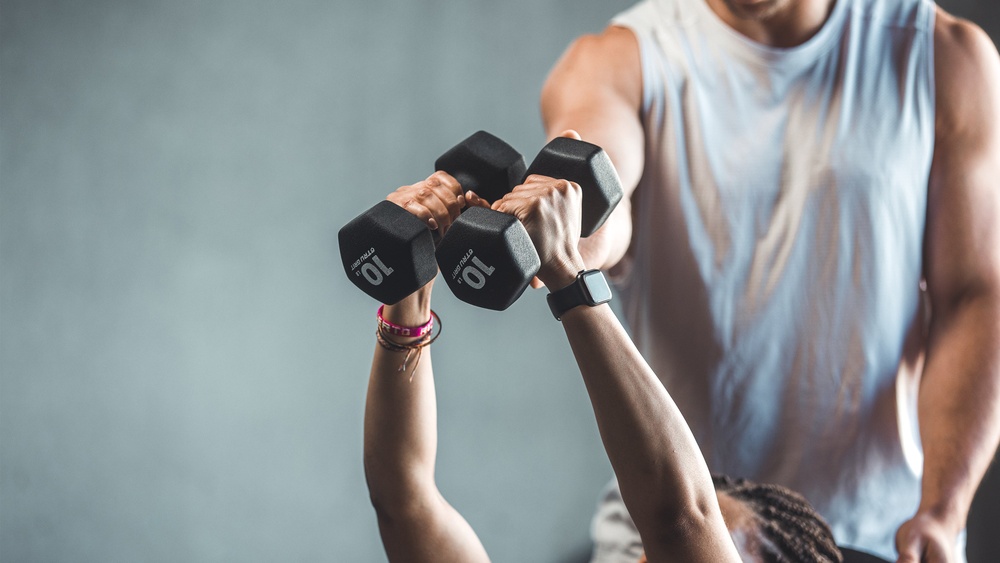
Choosing the best size dumbbells for men can make a huge difference in your workout results. Using weights that are too heavy or too light might slow your progress or even cause injury.
You want dumbbells that match your strength and fitness goals perfectly. You’ll discover how to pick the right dumbbells that fit your needs, help you build muscle, and keep you motivated. Keep reading to find out what size will work best for you and how to get the most from every lift.
Choosing Dumbbell Sizes
Choosing the right dumbbell size is key for effective workouts. The proper weight helps build strength and avoids injury. Men must consider their fitness level and goals before buying dumbbells. The right size supports steady progress and keeps training safe and fun.
Factors Influencing Dumbbell Size
Body weight and muscle strength affect dumbbell choice. Training goals matter too, such as muscle gain or endurance. Exercise type also changes the needed weight. Larger muscles need heavier dumbbells. Smaller muscles require lighter weights to avoid strain.
Beginners Vs Advanced Lifters
Beginners should start with light dumbbells for good form. Too heavy weights can cause injury. Advanced lifters need heavier dumbbells for muscle growth. They can handle more weight safely. Adjust weight based on experience and comfort level.
Weight Progression Strategies
Increase dumbbell weight gradually to build strength. Add small increments to avoid plateaus. Track progress to know when to increase weight. Use same weight for a few sessions before raising it. Consistency and patience bring the best results.
Common Dumbbell Weight Ranges
Dumbbells come in many weight sizes. Each size serves a specific purpose in workouts. Choosing the right weight helps improve exercise results. It also reduces the chance of injury. Knowing common dumbbell weight ranges makes selection easier.
This guide covers lightweights, moderate weights, and heavyweights. Each range fits different fitness goals. Understanding these can help men pick the best dumbbell size.
Lightweights For Warm-ups
Light dumbbells usually weigh between 1 and 10 pounds. They prepare muscles for harder exercise. Warm-ups improve blood flow and reduce stiffness. Lightweights help build good form and control. These weights suit beginners and joint recovery days.
Moderate Weights For Muscle Building
Moderate dumbbells range from 10 to 30 pounds. They target muscle growth through resistance training. This weight range fits most men starting strength training. It challenges muscles without risking strain. Moderate weights work well for exercises like curls and presses.
Heavyweights For Strength Training
Heavy dumbbells weigh above 30 pounds. They focus on building raw strength and power. These weights suit experienced lifters with good technique. Heavyweights increase muscle size and endurance. They are ideal for compound lifts and intense workouts.
Adjustable Vs Fixed Dumbbells
Dumbbells are essential for men building strength and muscle. Choosing between adjustable and fixed dumbbells affects your workout style and space. Each type has unique benefits and drawbacks. Understanding these helps pick the best dumbbells for your needs and goals.
Pros And Cons Of Adjustable Sets
Adjustable dumbbells let you change the weight quickly. This saves money because one set replaces many fixed weights. They work well for different exercises and strength levels. Changing weights takes a few seconds, not minutes.
Some adjustable dumbbells can feel less stable. The moving parts may wear out over time. They can be heavier to carry than fixed dumbbells. Also, they may be pricier upfront.
Advantages Of Fixed Weight Dumbbells
Fixed weight dumbbells are simple and durable. They require no setup or adjustments. You can grab the weight you want and start immediately. This is helpful during fast workouts.
They often have better balance and grip. No moving parts means less chance of damage. Fixed dumbbells come in many sizes, so you can build a collection. The downside: they take more space and cost more overall.
Space And Budget Considerations
Adjustable dumbbells save space by combining many weights into one. They suit small rooms or home gyms with limited space. Fixed dumbbells need more storage room because of multiple pairs.
Budget-wise, adjustable sets cost less than many fixed dumbbells. But fixed weights offer more variety for future use. Think about your space, budget, and workout style before buying.
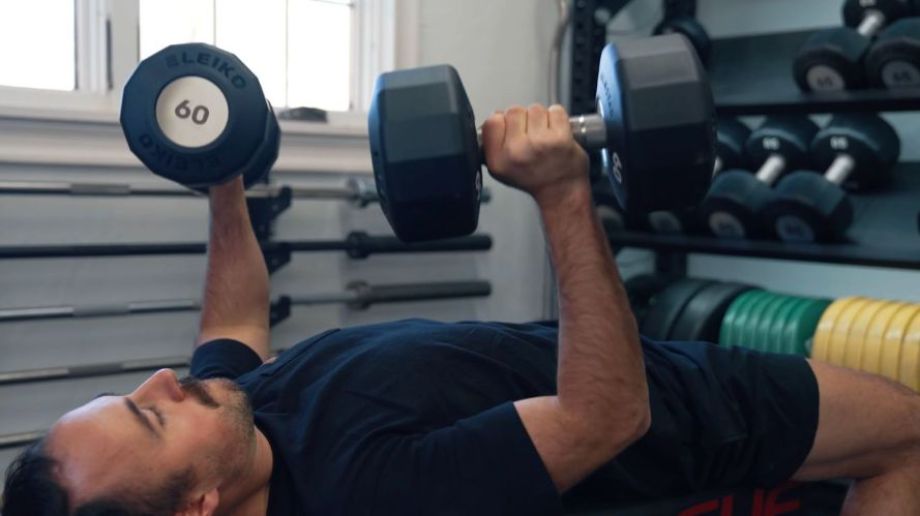
Credit: www.garagegymreviews.com
Selecting Dumbbells By Exercise Type
Selecting the right dumbbell size depends on the exercises you plan to do. Different exercises target different muscle groups. Each muscle group needs a suitable weight to work well and avoid injury. Choosing the correct dumbbell size helps you build strength steadily. It also keeps your workouts effective and safe. Below, we explore dumbbell sizes by exercise type.
Upper Body Workouts
Upper body workouts focus on muscles like biceps, triceps, shoulders, and chest. For these exercises, moderate weights work best. Usually, dumbbells between 10 to 25 pounds suit most men. Start lighter to learn the moves. Increase weight gradually as strength improves. Avoid heavy weights that cause poor form or strain.
Lower Body Exercises
Lower body exercises target legs, glutes, and calves. These muscles are larger and stronger. Use heavier dumbbells here, usually 20 to 40 pounds. Exercises like lunges and squats need more weight. Choose weights that challenge you but still allow good form. Proper weight helps build muscle and power safely.
Full Body Routines
Full body routines combine upper and lower body moves. They need versatile dumbbells. Adjustable dumbbells are a smart choice. Start with lighter weights for upper body parts. Use heavier weights for lower body moves. This balance helps work all muscles well. It keeps your routine efficient and balanced.
Tips For Maximizing Strength Gains
Maximizing strength gains takes more than just lifting the right dumbbells. It needs focus on how you train and care for your body. Small changes in your routine can lead to big results. Keep your workouts smart and safe. Follow these tips to get stronger efficiently.
Proper Form And Technique
Good form keeps your muscles working well and prevents injuries. Use slow, controlled movements. Avoid swinging or using momentum. Focus on the muscle you want to train. Keep your back straight and core tight. This helps your body stay balanced during lifts. Practice in front of a mirror if possible. Ask for advice from a trainer if unsure. Proper technique makes each rep count more.
Progressive Overload Principles
Strength grows when muscles face increasing challenges. Add weight gradually to your dumbbells. Increase reps or sets over time. Change exercises to target muscles differently. Keep your muscles guessing to grow stronger. Track your progress to avoid plateaus. Push just enough without straining. This steady increase builds real strength safely.
Rest And Recovery Importance
Muscles need time to repair after workouts. Rest days help avoid burnout and injuries. Sleep well to support muscle growth and energy. Drink water and eat protein-rich foods. Avoid training the same muscle groups every day. Recovery improves your strength and workout quality. Listen to your body’s signals and rest when needed.
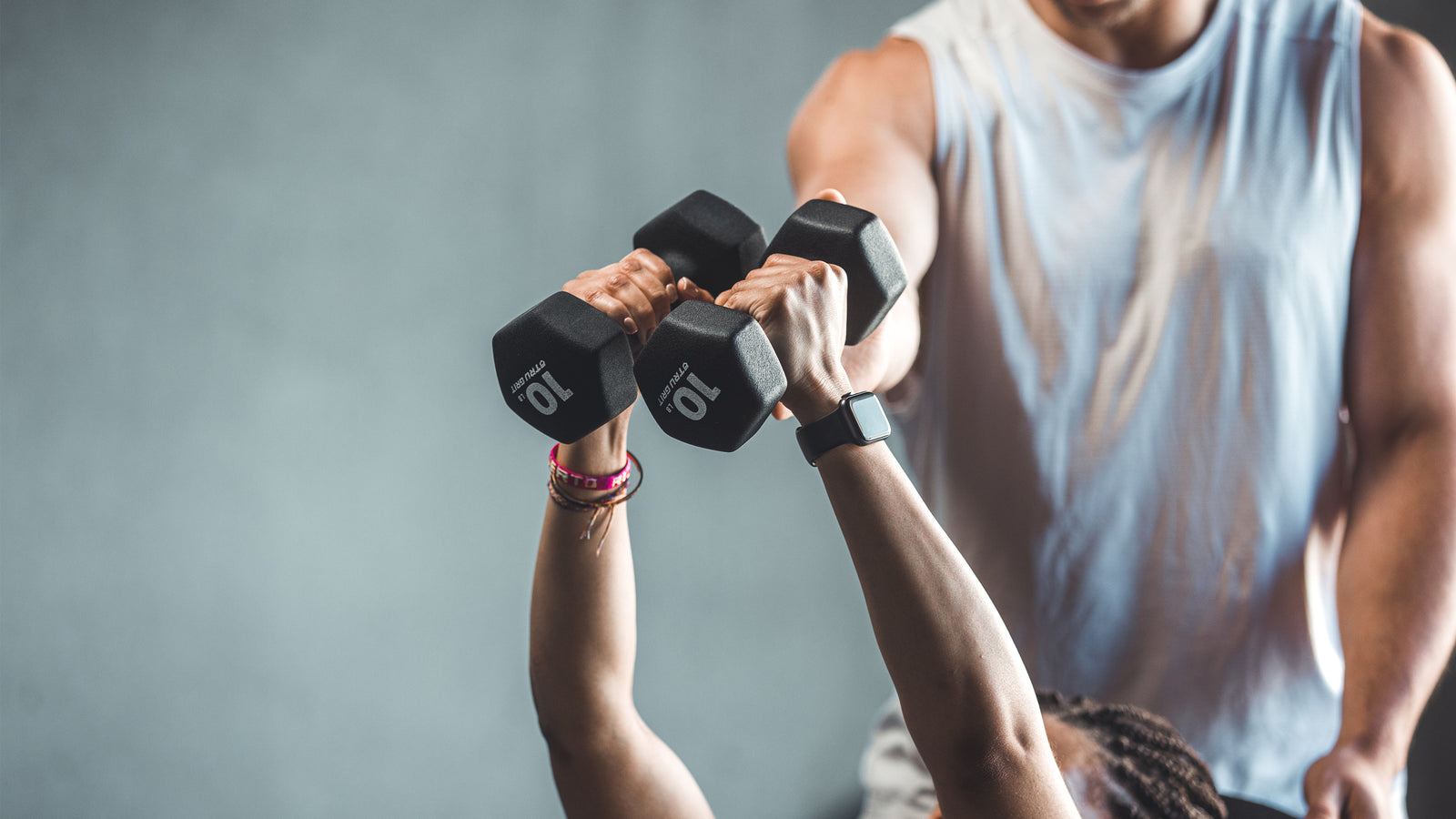
Credit: trugrit-fitness.com
Safety And Maintenance
Choosing the right dumbbells is important, but safety and maintenance matter just as much. Proper care keeps your equipment in good shape. It also helps prevent injuries during workouts. Follow these tips to stay safe and keep your dumbbells ready for use.
Handling And Storage
Always lift dumbbells with a firm grip. Avoid dropping them to protect floors and weights. Store dumbbells on racks or shelves. Keep them off the ground to avoid tripping hazards. A clean storage area helps maintain equipment quality.
Inspecting Equipment Regularly
Check dumbbells for cracks, loose parts, or rust. Look at handles and plates before each use. Damaged dumbbells can cause accidents. Replace or repair any faulty equipment immediately. Regular checks ensure your dumbbells stay safe to use.
Avoiding Common Injuries
Warm up before lifting weights. Use correct form to reduce strain on muscles and joints. Start with lighter weights and increase gradually. Do not lift weights that feel too heavy. Stop exercising if you feel pain or discomfort.

Credit: www.youtube.com
Frequently Asked Questions
What Is The Ideal Dumbbell Weight For Men Beginners?
Beginners should start with 5 to 15 pounds dumbbells. This range allows safe strength building and proper form. Gradually increase weight as strength improves to avoid injuries and enhance muscle growth effectively.
How To Choose Dumbbell Size For Muscle Gain?
Select dumbbells that challenge your muscles without compromising form. Typically, 20 to 50 pounds suit intermediate men for hypertrophy. Adjust weight based on exercise type and personal strength to maximize muscle gain.
Are Adjustable Dumbbells Good For Men’s Workouts?
Yes, adjustable dumbbells offer versatility and save space. They allow easy weight changes from light to heavy. This makes them ideal for progressive strength training and diverse exercises at home or gym.
What Dumbbell Weight Suits Men For Fat Loss?
Moderate weights, around 15 to 30 pounds, support fat loss. Use higher reps and shorter rest to boost calorie burn. Combining dumbbell workouts with cardio speeds up fat reduction effectively.
Conclusion
Choosing the right dumbbell size helps build strength safely. Start with lighter weights to learn good form. Increase weight gradually to challenge your muscles. Keep your goals clear—strength, endurance, or toning. Remember, consistency beats heavy lifting alone. Find dumbbells that match your fitness level and comfort.
This approach leads to steady progress and fewer injuries. Enjoy your workouts and stay motivated every day. Small steps create big results over time. Keep lifting smart and feel the difference.


