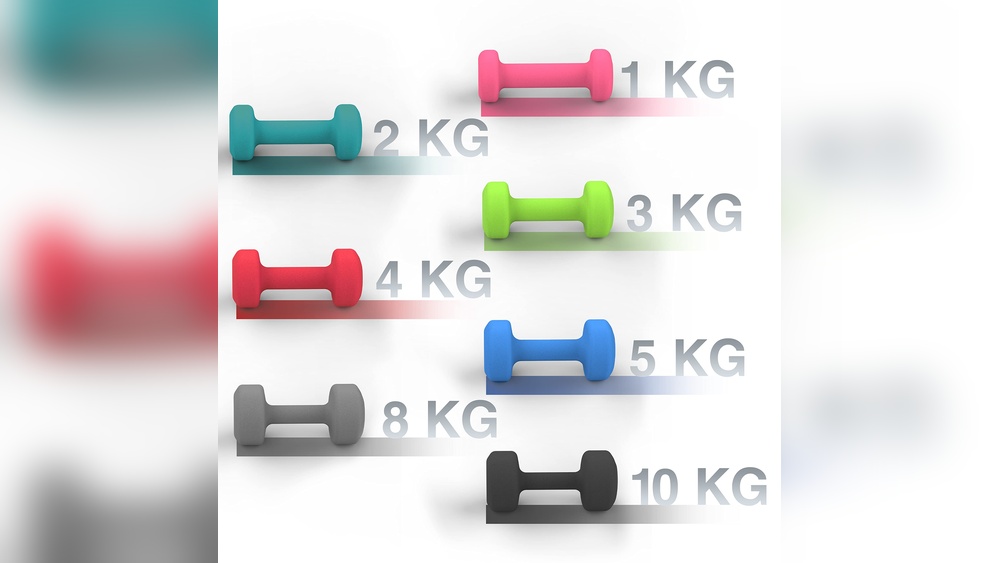
Choosing the best weight dumbbell as a beginner can feel overwhelming. You want something that helps you build strength without causing injury or frustration.
The right dumbbell can make your workouts more effective and keep you motivated to reach your fitness goals. You’ll discover easy tips to pick the perfect weight dumbbell that fits your needs and level. Keep reading, and you’ll be ready to start your strength training the smart way.

Credit: www.liftingitalia.com
Choosing The Right Dumbbell Weight
Choosing the right dumbbell weight is key for a good workout. The right weight helps build strength safely and avoids injury. Picking a dumbbell that is too heavy or too light can slow progress. This guide helps beginners find the best weight to start with and grow stronger over time.
Factors Affecting Dumbbell Weight
Body strength plays a big role in picking dumbbell weight. Age and fitness level also affect the choice. The type of exercise matters too. Some moves need lighter weights, others heavier. Muscle endurance and past injuries should be considered. Comfort and control during lifts are important signs of the right weight.
Starting Weight Recommendations
Beginners usually start with 3 to 5 pounds for women. Men often begin with 8 to 10 pounds. Use lighter weights for exercises that use small muscles. Choose heavier weights for bigger muscles like legs and back. Start light to learn the correct form. This avoids injuries and builds confidence.
Adjusting Weight As You Progress
Increase dumbbell weight as exercises become easier. Add small increments like 2 to 5 pounds. Track progress by noting when sets feel less challenging. Avoid jumping to very heavy weights too fast. Gradual increase helps muscles grow stronger. Listen to your body to prevent strain or pain.
Credit: steelsupplements.com
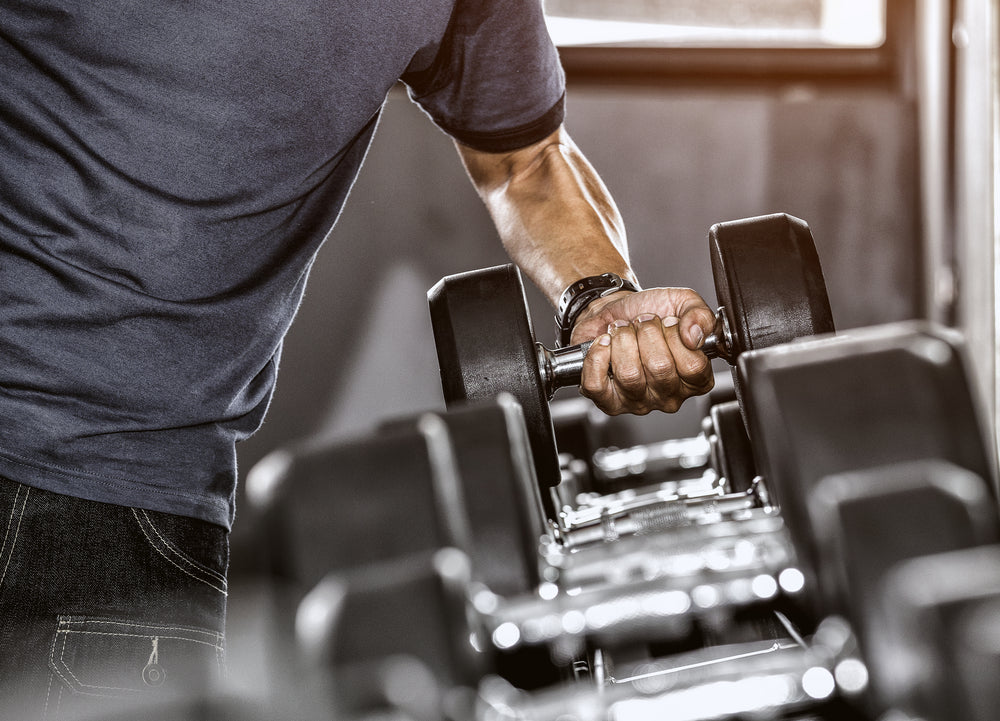
Top Dumbbells For Beginners
Choosing the right dumbbells helps beginners start their fitness journey well. The best dumbbells offer comfort, ease of use, and the right weight for safe workouts. This guide shows top dumbbell types for beginners. Each type fits different needs and budgets.
Fixed Weight Dumbbells
Fixed weight dumbbells have a set weight that never changes. They are easy to use and good for simple workouts. Beginners learn proper form without adjusting weights. These dumbbells are durable and usually made of metal or plastic. They come in many weight options, perfect for gradual strength building.
Adjustable Dumbbells
Adjustable dumbbells save space and money. One pair can replace many fixed dumbbells. Users change weight plates quickly with a dial or pin. This option suits beginners who want to increase weight as they improve. These dumbbells are compact and great for small workout areas.
Budget-friendly Options
Budget dumbbells do not cost much but still offer good quality. Vinyl-coated or neoprene dumbbells are gentle on floors and hands. These are light and ideal for beginners focusing on basic exercises. Affordable dumbbells make starting fitness easy without high expenses.
Benefits Of Using Dumbbells For Muscle Gain
Dumbbells are a great tool for building muscle. They help target muscles more deeply than machines or barbells. Using dumbbells also makes workouts safer and more flexible. Beginners can start with light weights and increase as they get stronger.
Muscle gain needs proper muscle activation, a full range of motion, and balanced development. Dumbbells support all these key points. They make exercises more effective and help avoid muscle imbalances.
Improved Muscle Activation
Dumbbells force muscles to work harder. Each arm moves independently, so muscles must stabilize the weight. This activates more muscle fibers than machines. Increased muscle activation leads to better strength and size gains.
Enhanced Range Of Motion
Dumbbells allow a wider range of motion than barbells. They move freely in different directions. This helps stretch and contract muscles fully. Full movement improves muscle growth and joint health.
Balanced Muscle Development
Dumbbells prevent one side from dominating. Each arm lifts its own weight equally. This corrects strength imbalances and builds symmetrical muscles. Balanced muscles reduce injury risk and improve posture.
Effective Beginner Dumbbell Exercises
Starting with dumbbells is a great way to build strength. Dumbbells help you work many muscles safely. Beginners should focus on simple exercises. These moves improve muscle tone and coordination. Using light weights allows proper form and control. Below are easy dumbbell workouts for beginners.
Upper Body Workouts
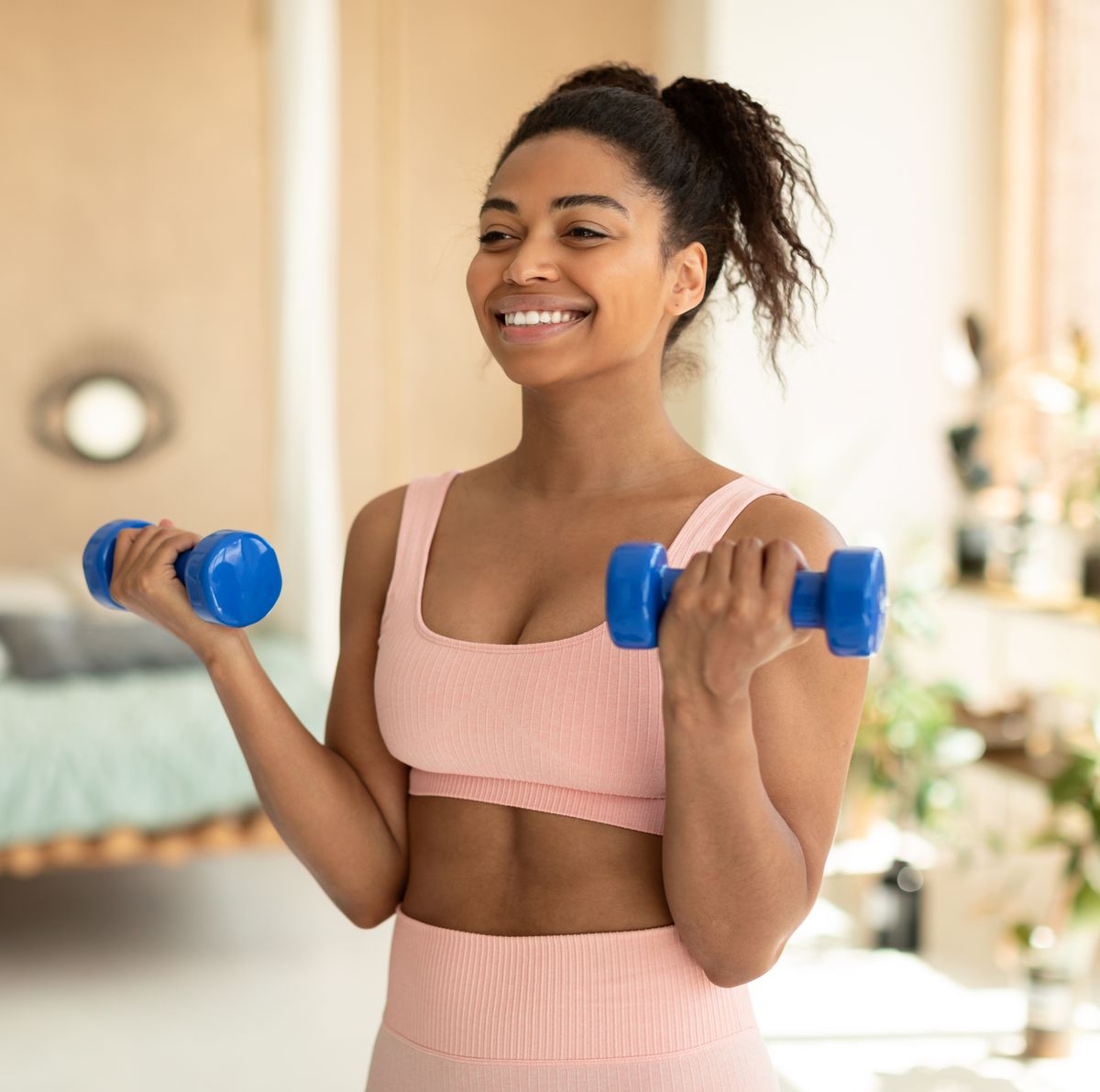
Start with basic exercises for your arms and shoulders. Try bicep curls to strengthen the front of your arms. Overhead presses build shoulder muscles and improve stability. Bent-over rows target your back and help posture. Keep the movements slow and controlled for best results.
Lower Body Workouts
Dumbbells can also help your legs and hips. Squats with dumbbells add resistance and boost leg strength. Lunges work your thighs and glutes. Deadlifts improve your hamstrings and lower back. Hold the weights close to your body for safety and balance.
Full Body Routines
Combine upper and lower body exercises for a complete workout. Try dumbbell thrusters, which mix squats and presses. This move works legs, shoulders, and core at once. Another option is the renegade row, which strengthens back and core. Full body routines save time and increase calorie burn.
Tips For Safe And Effective Training
Training with dumbbells is great for building strength and muscle. Safety and effectiveness come from good habits. Follow simple tips to avoid injury and get better results. These tips help beginners start strong and stay consistent.
Focus on form, warming up, and avoiding common errors. These steps make your workouts safer and more productive.
Proper Form And Technique
Good form protects joints and muscles from injury. Always start with light weights to learn the right movement. Keep your back straight and core tight during lifts. Move slowly and control the dumbbells. Stop if you feel pain or discomfort. Proper technique helps muscles grow evenly and reduces strain.
Warm-up And Cool-down
Warming up prepares your body for exercise. Do light cardio or dynamic stretches for five to ten minutes. This increases blood flow and loosens muscles. After training, cool down with slow movements and stretching. Cooling down helps reduce muscle soreness and stiffness. Both warm-up and cool-down are key to safe workouts.
Avoiding Common Mistakes
Many beginners lift too heavy too soon. Start with light dumbbells and increase weight gradually. Don’t rush your sets or reps; slow is better. Avoid locking your joints during exercises. Rest between sets to let muscles recover. Skipping rest or using poor form leads to injuries. Focus on steady progress, not speed or heavy weights.
Tracking Progress And Setting Goals
Tracking progress and setting goals are key for beginners using weight dumbbells. They help you stay focused and see real improvements. Clear goals guide your workouts and keep you on track. Monitoring your progress shows what works and what needs change.
Recording Workouts
Write down each workout. Note the weight, reps, and sets you complete. Track how you feel during exercises. This record helps you spot progress or plateaus. Use a notebook or an app to keep it simple.
Increasing Intensity Safely
Raise weights gradually to avoid injury. Add small weight increases over time. Or increase reps before adding weight. Listen to your body and rest if needed. Safety keeps you consistent and injury-free.
Staying Motivated
Set small, clear goals. Celebrate each achievement, no matter how small. Share progress with friends or a workout buddy. Change your routine to keep it fun. Motivation grows with steady success and variety.
Credit: www.liftingitalia.com
Frequently Asked Questions
What Is The Best Dumbbell Weight For Beginners?
The best dumbbell weight for beginners is typically 5 to 10 pounds. It allows safe strength building without strain. Start light and increase weight as strength improves to avoid injury and promote steady progress.
How To Choose Dumbbell Weight For Weight Training?
Choose a dumbbell weight that challenges you for 8-12 reps. It should feel manageable but require effort. Beginners often start with lighter weights to focus on form and gradually increase for muscle growth.
Can Beginners Use Adjustable Dumbbells Effectively?
Yes, adjustable dumbbells are ideal for beginners. They save space and offer multiple weight options. This flexibility helps users progress gradually without buying new sets, making workouts efficient and cost-effective.
Why Is Proper Dumbbell Weight Important For Beginners?
Proper dumbbell weight prevents injury and builds strength correctly. Too heavy weights can cause poor form and strain. Appropriate weight ensures effective workouts and steady muscle development for beginners.
Conclusion
Choosing the right dumbbell weight helps you start strong and stay safe. Begin with lighter weights to learn good form and avoid injury. Gradually increase weight as your strength improves. Consistency matters more than heavy lifting at first. A good dumbbell set supports steady progress and builds confidence.
Keep your workouts simple and focus on your goals. Enjoy the process and celebrate small wins along the way. This approach makes fitness easy and fun for beginners.


