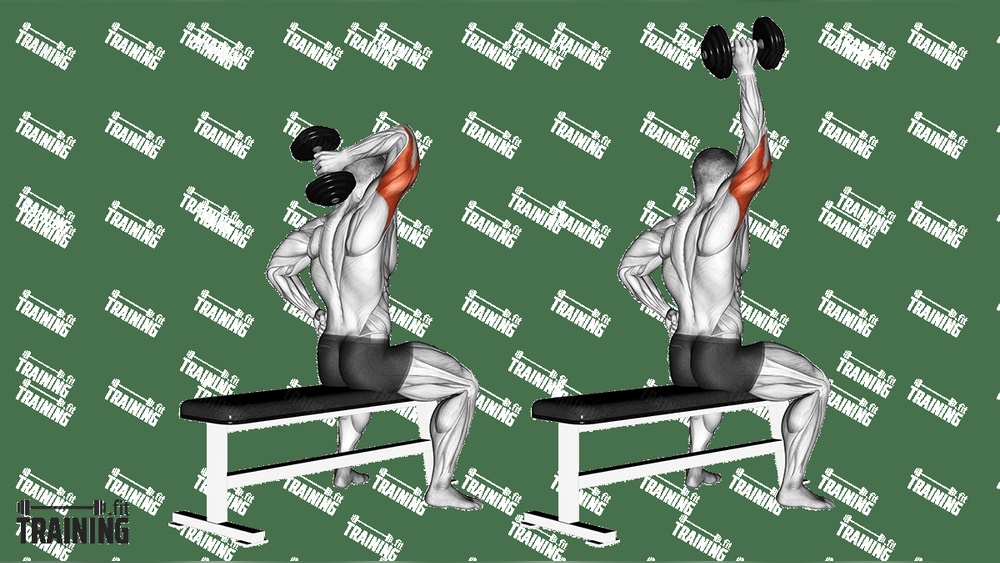
Choosing the best weight for dumbbells can make all the difference in your workout. If you pick weights that are too heavy, you risk injury or poor form.
Too light, and you won’t see the results you want. You might be wondering how to find that perfect weight that challenges your muscles without holding you back. This guide will help you discover exactly what dumbbell weight suits your fitness goals, experience level, and body type.
Keep reading, and you’ll learn how to lift smarter, get stronger, and reach your goals faster.
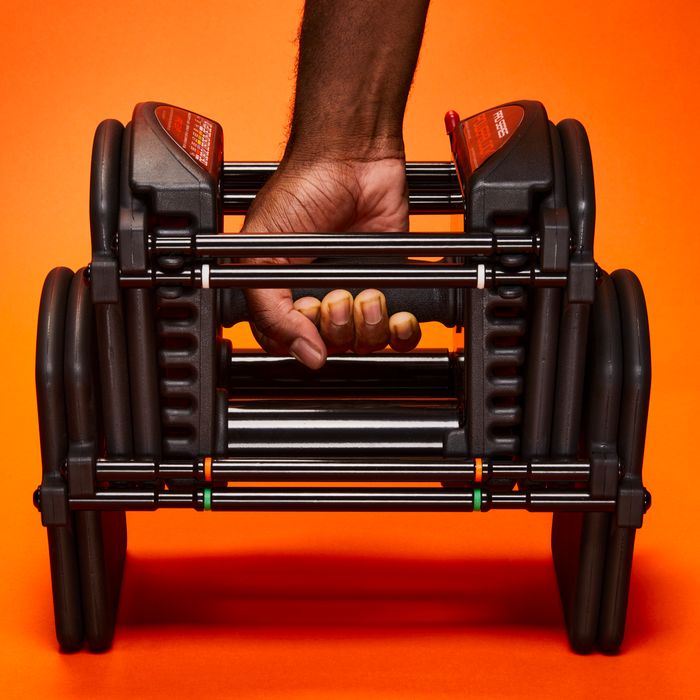
Credit: nymag.com
Choosing Dumbbell Weight
Choosing the right dumbbell weight is important for safe and effective workouts. The right weight helps you build strength without risking injury. Picking a dumbbell that is too heavy or too light can slow progress or cause pain.
Focus on how your body feels during exercises. Your dumbbell weight should challenge your muscles but still allow good form. Understanding your fitness level and workout goals will guide your choice.
Factors To Consider
Think about your strength and experience with weights. Also, consider the type of exercises you plan to do. Different moves need different weights. Some workouts use lighter weights for many repetitions. Others use heavier weights for fewer reps.
Equipment quality matters too. Adjustable dumbbells let you change weights easily. Fixed dumbbells have one set weight. Choose what fits your routine and space.
Assessing Your Fitness Level
Begin with a weight you can lift comfortably. You should manage 8 to 12 repetitions with good form. If the weight feels too easy, increase it slowly. If it feels too hard, pick a lighter one. Track your progress to adjust weights as you improve.
Workout Goals Impact
Your goals shape your weight choice. For muscle building, heavier weights with fewer reps work best. For endurance, lighter weights with more reps help. For toning, use moderate weights and steady reps. Match dumbbell weight to what you want to achieve.

Credit: www.liftingitalia.com
Weight Recommendations By Exercise
Choosing the right dumbbell weight depends on the exercise you perform. Different exercises target different muscles. Each muscle group has its strength level. Using proper weight helps avoid injury and improves results.
Upper Body Workouts
For arms, shoulders, and chest, start with light to medium weights. Women can try 5 to 15 pounds. Men may use 10 to 25 pounds. Focus on form and control. Increase weight slowly as strength grows.
Lower Body Workouts
Legs and glutes are stronger muscles. Use heavier dumbbells here. Beginners might choose 10 to 20 pounds. Intermediate lifters can use 20 to 40 pounds. Keep your movements steady to protect joints.
Full Body Routines
Full body exercises need moderate weights. Try 8 to 20 pounds for most people. Balance weight between upper and lower body moves. Choose a weight that challenges you but feels safe.
Progressive Overload With Dumbbells
Progressive overload with dumbbells means gradually increasing the weight you lift. This approach helps build muscle and strength safely. It pushes your body to adapt and grow stronger over time. Using the right weight is key to making steady progress.
When To Increase Weight
Increase dumbbell weight when exercises feel too easy. If you complete all reps with little effort, it’s time to add weight. Use small jumps to avoid injury. Your muscles need a new challenge to grow. Lifting heavier weights helps prevent plateaus.
Tracking Strength Gains
Keep a workout log to track your progress. Write down weights, reps, and sets for each session. Review your notes weekly to see improvements. Tracking helps you know when to increase weight. It also motivates you to stay consistent.
Common Mistakes In Weight Selection
Choosing the right dumbbell weight is crucial for effective workouts. Many beginners make common mistakes that slow progress or cause injury. Understanding these errors helps you pick the best weight for your fitness level.
Choosing Too Heavy
Picking dumbbells that are too heavy can lead to poor form. It increases the risk of injury and muscle strain. Heavy weights can cause you to use momentum instead of muscle power. This reduces workout effectiveness and can cause pain.
Choosing Too Light
Using weights that are too light may feel easy, but they limit strength gains. Light dumbbells do not challenge your muscles enough. This slows down progress and results in less muscle growth. It can also make workouts boring and less motivating.
Ignoring Form And Technique
Good form is more important than lifting heavy weights. Ignoring technique can cause injuries and reduce workout results. Proper form helps target the right muscles. It also keeps your body safe and builds strength evenly.
Adjustable Vs Fixed Dumbbells
Dumbbells come in two main types: adjustable and fixed. Each type fits different workout needs. Understanding their differences helps in choosing the best option. Both have unique benefits and limitations to consider.
Pros And Cons
Adjustable dumbbells save space. You can change the weight quickly. One set replaces many dumbbells. They cost more upfront. The adjustment mechanism can wear out over time.
Fixed dumbbells are simple and durable. No moving parts mean less chance of breaking. They are easy to use. But they take up more space. Buying many weights can be expensive.
Best Uses For Each Type
Adjustable dumbbells suit home gyms with limited space. They fit users who train with varied weights. Good for full-body workouts and strength training.
Fixed dumbbells work well in gyms with many users. Ideal for exercises needing quick weight changes. Great for circuit training and group classes.

Credit: www.setforset.com
Safety Tips For Dumbbell Training
Training with dumbbells is effective but can be risky without safety measures. Following safety tips helps prevent injuries and improves workout quality. Keep your body and mind prepared for each session.
Proper Warm-up
Start every workout with a warm-up. Warm muscles reduce the chance of strains. Light cardio or dynamic stretches prepare your body. Spend five to ten minutes warming up before lifting dumbbells.
Maintaining Control
Hold dumbbells firmly to avoid slipping. Move weights slowly and steadily. Avoid quick or jerky motions. Controlled movements target muscles better and reduce injury risk. Always focus on form over speed or weight.
Avoiding Injury
Choose the right dumbbell weight for your strength. Start light and increase gradually. Do not lift weights that cause pain. Rest between sets and listen to your body. Stop immediately if you feel sharp pain or discomfort.
Frequently Asked Questions
What Is The Best Dumbbell Weight For Beginners?
Beginners should start with 5 to 10 pounds dumbbells. This weight helps build strength safely and prevents injury. Gradually increase weight as strength improves.
How To Choose Dumbbell Weight For Muscle Gain?
Choose a weight that challenges you in 8-12 reps. It should cause muscle fatigue by the last rep, promoting growth.
Can Dumbbell Weight Vary By Exercise Type?
Yes, heavier weights suit lower body exercises. Lighter weights are better for shoulder or arm workouts. Adjust based on muscle group and form.
What Dumbbell Weight Is Ideal For Fat Loss?
Moderate weights with high reps are best for fat loss. Use weights that allow 12-15 reps with good form to boost metabolism.
Conclusion
Choosing the right dumbbell weight helps you exercise safely and well. Start light to learn proper form. Increase weight slowly to build strength. Avoid weights that cause pain or poor posture. Focus on steady progress, not quick gains. Remember, consistency matters more than heavy lifting.
Enjoy your workouts and stay patient. Your body will get stronger over time. Keep these tips in mind for best results.