Have you ever wondered if a boxing glove can actually cut your skin? It sounds unlikely, right?
After all, gloves are meant to protect both fighters, not cause injury. But the truth might surprise you. If you’re curious about how something soft and padded could lead to a cut, keep reading. Understanding this can help you stay safe whether you’re training, watching a match, or just fascinated by the sport.
Let’s dive into what really happens when a boxing glove makes contact with your skin.
How Boxing Gloves Are Made
Boxing gloves protect both the wearer and the opponent during a match. Understanding how these gloves are made helps explain their safety features. The process involves careful selection of materials, thoughtful design, and precise manufacturing steps.
Each part of a boxing glove plays a role in reducing injury and impact. The right construction prevents cuts and bruises. Let’s explore how boxing gloves are made.
Materials Used
Boxing gloves use strong outer materials like leather or synthetic leather. These materials resist tears and cuts. Inside, foam padding absorbs shocks from punches. Some gloves also include gel layers for extra cushioning. The lining is soft to protect the hand and wick away sweat.
Design And Padding
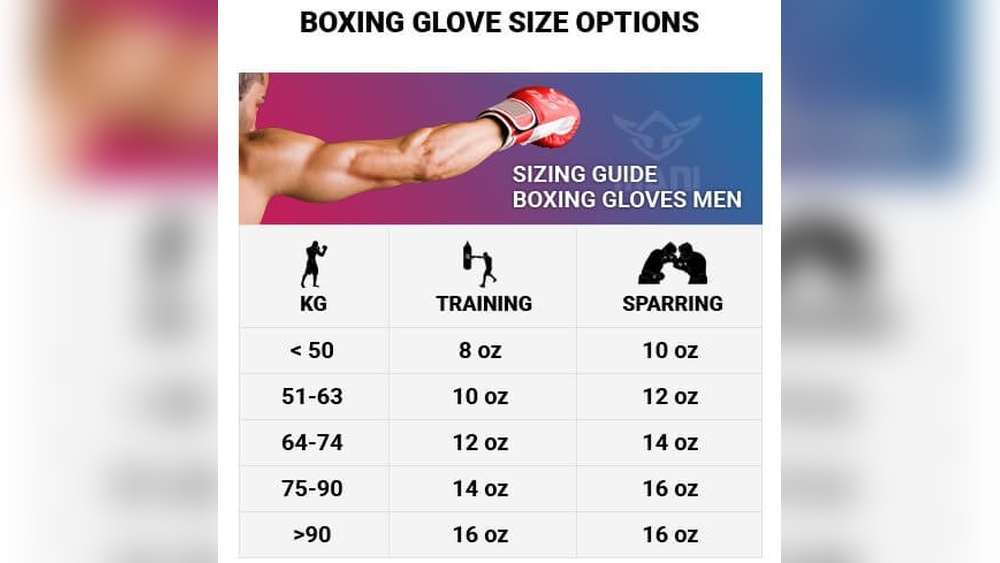
Gloves have thick padding over the knuckles to soften blows. The padding is firm but flexible to allow movement. The wrist area has extra support to prevent injuries. Gloves come in different sizes and weights for beginners and pros. The design balances protection and comfort.
Manufacturing Process
First, materials are cut into the glove’s shape. Next, padding layers are placed inside carefully. Skilled workers sew the pieces together with strong thread. The gloves are then shaped and stitched tightly. Finally, quality checks ensure durability and safety.
Common Injuries From Boxing
Boxing is a tough sport. It tests strength, skill, and endurance. But it also comes with risks. Common injuries happen often. Knowing about them helps you stay safe and prepared.
Injuries from boxing range from mild to severe. Some heal quickly. Others need medical care. Understanding these injuries is important for all boxers.
Bruises And Swelling
Bruises are the most common injury in boxing. They occur from the impact of punches. Skin stays intact but blood vessels break under it. This causes discoloration and pain.
Swelling happens as the body reacts to injury. It causes the affected area to puff up. Swelling can limit movement and cause discomfort. Rest and ice help reduce swelling fast.
Cuts And Abrasions
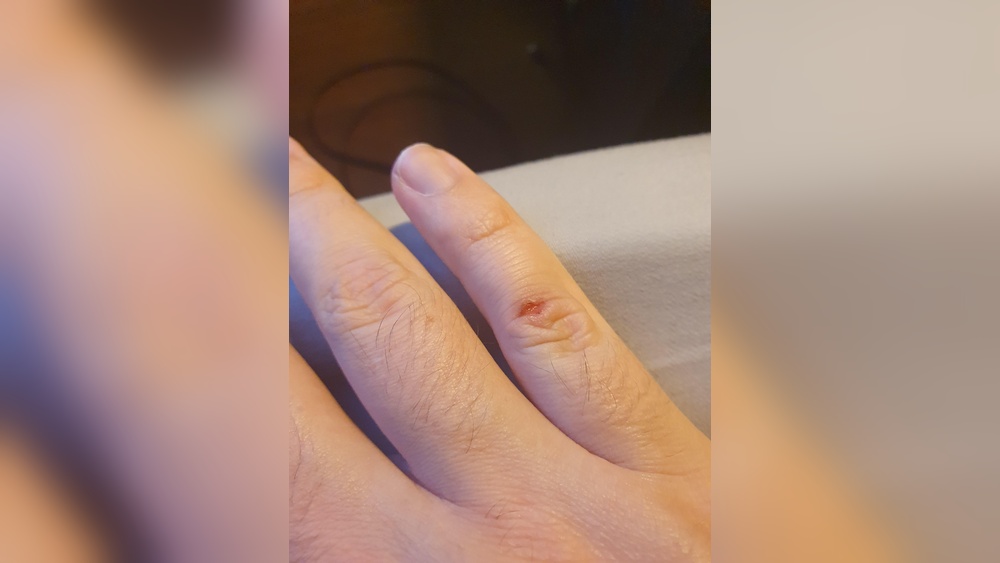
Boxing gloves protect hands, but cuts can still happen. Abrasions are scrapes on the skin surface. Cuts may occur from sharp edges or rough contact.
These injuries bleed and can be painful. They increase infection risk if not cleaned properly. Quick treatment with antiseptic and bandages is crucial. Protecting the skin reduces chances of cuts.
Fractures And Sprains
Fractures are broken bones caused by strong punches or falls. Fingers, wrists, and hands often suffer fractures. Sprains happen when ligaments stretch or tear.
Both injuries cause pain and limit movement. Medical attention is necessary to heal fractures and sprains. Proper technique and protective gear lower these risks.
Can Gloves Cause Cuts?
Boxing gloves are designed to protect both the wearer and the opponent. Still, many wonder if gloves can actually cause cuts during a fight or training. Gloves cover the knuckles and soften the impact of punches. But under certain conditions, gloves might lead to skin injuries.
Impact Of Glove Surface
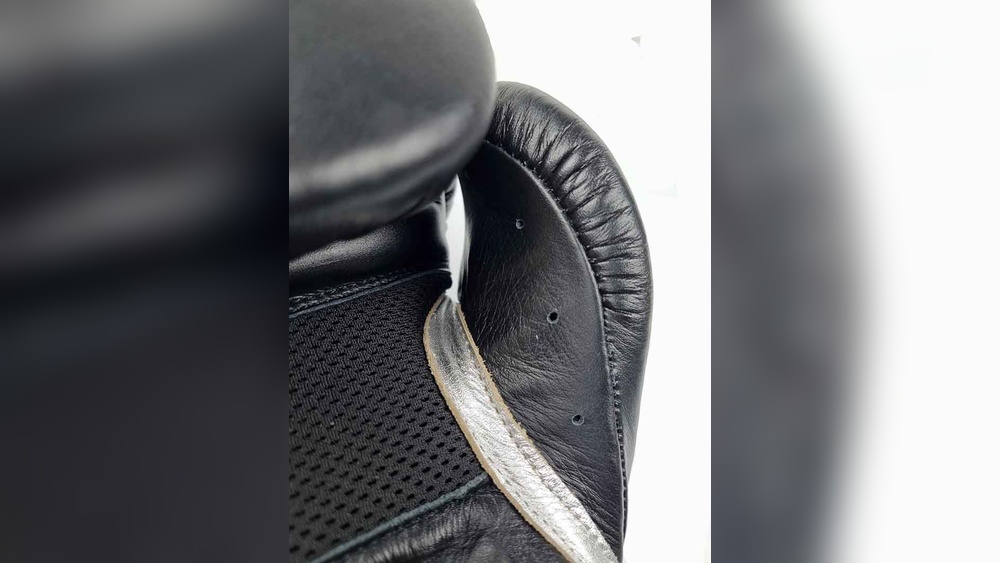
The surface of a boxing glove is usually smooth and padded. This soft outer layer reduces the chance of cuts. Rough or worn-out gloves might have harder spots. These areas can scrape the skin and cause small cuts. New gloves with smooth surfaces are less likely to cause injuries.
Role Of Seams And Stitching
Seams and stitching hold the glove together. Some gloves have thick, raised seams. These seams can rub against the skin during a punch. If the glove moves a lot, the seams may cut or irritate the skin. Well-made gloves have flat seams that reduce skin damage.
When Gloves Become A Hazard
Old gloves with damaged padding lose protection. Hard padding can increase impact force. This might cause cuts or bruises. Gloves that don’t fit well can slip and cause friction. Dirty gloves with sweat and dirt can irritate the skin. Regular glove care and replacement lower these risks.

Credit: www.reddit.com
Real-life Cases Of Glove-related Cuts
Boxing gloves are designed to protect fighters and reduce injuries. Still, cuts can happen during matches. These cuts sometimes come from the gloves themselves. Real-life cases show how glove-related cuts occur in the ring. Understanding these cases helps clarify the risks involved with boxing gloves.
Notable Boxing Matches
Many famous boxing matches reported glove-related cuts. In some bouts, fighters suffered cuts due to glove edges or seams. These cuts often affected the fight’s pace and outcome. For example, some fighters had to pause or slow down because of bleeding. The gloves, while protective, sometimes caused abrasions or small cuts.
Medical Reports
Doctors and ringside medics have documented glove-related injuries. Medical reports show cuts caused by glove contact with the skin. These injuries often happen on the face or around the eyes. Cuts may require stitches or medical attention after the fight. The reports confirm gloves can cause minor but painful wounds.
Expert Opinions
Boxing experts explain how gloves might cause cuts. They say hard glove edges and tight seams can scrape the skin. Experts note that worn or damaged gloves increase the risk. Gloves protect from bruises but cannot fully stop cuts. Trainers and fighters agree proper glove care reduces injury chances.
Preventing Cuts While Boxing
Boxing can cause cuts, but many are preventable. Gloves protect hands and faces from injury. Taking care of your gloves and hands lowers the risk of cuts. Safety starts with choosing the right gear and using proper techniques.
Proper Glove Selection
Choose gloves with enough padding to absorb impact. Heavier gloves offer more protection but may feel bulky. Make sure gloves fit snugly but not too tight. Well-fitted gloves reduce slipping and accidental scratches. Check gloves for tears or rough edges before use.
Hand Wrapping Techniques
Wrap hands correctly to support bones and joints. Good wraps keep fists firm and reduce glove movement. Use smooth, even layers to avoid sharp folds. Proper wrapping prevents cuts from glove seams or nails. Practice wrapping to improve speed and comfort.
Maintaining Gloves
Clean gloves after every training session. Sweat and dirt can degrade padding and leather. Air dry gloves to prevent bacteria and odor buildup. Replace worn gloves to maintain protection levels. Well-maintained gloves last longer and keep you safe.

Credit: www.etsy.com
Safety Measures In Professional Boxing
Safety is very important in professional boxing. It protects the fighters from serious injuries. Boxing has many rules and tools to keep the sport safe. These safety measures help reduce risks like cuts and bruises. Understanding these helps fans see how the sport stays controlled and fair.
Rules And Regulations
Boxing has strict rules to protect fighters. These rules limit the types of punches allowed. Fighters must follow weight classes to match opponents fairly. Matches have time limits to avoid long, exhausting fights. Rules also ban hitting below the belt or hitting a downed opponent. These regulations help lower injuries like cuts and swelling.
Referee’s Role
The referee watches the fight closely. They stop the fight if a boxer gets hurt. Referees check gloves and equipment before the match. They warn boxers for illegal moves. Their job is to keep the fight safe and fair. A good referee can prevent serious injuries by acting quickly.
Protective Gear Standards
Boxers wear gloves to protect their hands and faces. Gloves have padding to soften the impact of punches. Mouthguards protect teeth and reduce jaw injuries. Headgear is used in amateur boxing to reduce cuts and bruises. All gear must pass safety tests before use. These standards help lower the chance of cuts and serious injuries.
Credit: www.reddit.com
Frequently Asked Questions
Can Boxing Gloves Cause Cuts On The Skin?
Boxing gloves are padded to protect hands and reduce injury risk. However, improper use or damaged gloves can cause abrasions or cuts. Gloves alone rarely cause cuts; factors like impact, friction, or poor glove fit contribute more to skin injuries during boxing.
Why Do Boxing Gloves Sometimes Cause Skin Abrasions?
Skin abrasions from boxing gloves result mainly from friction and repeated rubbing during training or matches. Sweat and glove material can irritate skin, especially if gloves are old or ill-fitting. Proper glove maintenance and wearing hand wraps help minimize abrasion risk.
Are Cuts Common In Boxing Despite Using Gloves?
Cuts are less common in boxing with gloves, but not impossible. Gloves reduce direct impact, lowering severe cuts. However, accidental scrapes or collisions may still cause minor cuts, especially around the face or knuckles.
How Can I Prevent Cuts While Using Boxing Gloves?
To prevent cuts, ensure gloves fit well and are in good condition. Always wear hand wraps for added protection. Keep gloves clean and dry to avoid skin irritation. Regularly inspect gloves for damage that might increase cut risk.
Conclusion
Boxing gloves usually protect your hands and opponents well. Cuts from gloves are rare but can happen. Hard punches, sweat, or rough skin may cause small cuts. Gloves reduce the risk of serious injuries in boxing. Wearing the right gloves and gear helps keep you safe.
Always follow safety rules during training and fights. Stay careful, and enjoy boxing without worry. Safety matters most in any contact sport.