
Are you wondering if you can use dumbbells for deadlifts and still get a great workout? Maybe you don’t have access to a barbell or a gym, but you want to build strength and improve your form.
The good news is, dumbbells can be a powerful tool for deadlifts—if you know how to use them right. You’ll discover how dumbbell deadlifts can fit into your routine, the benefits they offer, and tips to get the most out of every rep.
Keep reading, because what you learn here could change the way you train—and boost your results faster than you think.
Benefits Of Dumbbell Deadlifts
Dumbbell deadlifts offer many benefits for strength training. They target muscles effectively and improve overall fitness. Using dumbbells allows for better control and flexibility during the movement. This makes dumbbell deadlifts a smart choice for many fitness levels.
Improved Muscle Activation
Dumbbell deadlifts activate muscles differently than barbells. They require more balance, which engages smaller stabilizer muscles. This leads to better muscle growth and strength. Each side of the body works independently, reducing muscle imbalances.
Enhanced Range Of Motion
Dumbbells allow a deeper and more natural movement. You can lower the weights further than with a barbell. This increases the stretch in your muscles for better flexibility. A greater range of motion helps build stronger, more flexible muscles.
Versatility And Convenience
Dumbbells are easy to use anywhere, from home to gym. They come in many sizes for different strength levels. You can quickly change weights to fit your workout. Dumbbell deadlifts suit beginners and advanced lifters alike.
Credit: squatwolf.com
Choosing The Right Dumbbells
Choosing the right dumbbells for deadlifts is key to a safe and effective workout. The correct dumbbells help you build strength without risking injury. Not every dumbbell suits every lifter or exercise type. Consider your fitness level and goals before picking your weights.
Quality and comfort matter. The dumbbells should feel good in your hands and be easy to grip. Balance between weight and ease of use is important for proper form.
Weight Selection Tips
Start with lighter dumbbells to learn the deadlift motion. This helps you avoid strain and maintain control. Gradually increase the weight as your strength improves. Choose a weight that challenges you but lets you keep good form. Avoid weights that are too heavy, causing poor posture or pain.
Try sets with different weights to find your comfort zone. Use dumbbells that let you do 8 to 12 reps smoothly. This range builds muscle without overloading your body.
Types Of Dumbbells To Consider
Fixed dumbbells have a set weight and are simple to use. They offer stability and a good grip. Adjustable dumbbells let you change weight plates. They save space and money but may shift during lifts.
Rubber-coated dumbbells protect your floor and reduce noise. Metal dumbbells last long but can be slippery. Choose dumbbells that match your workout space and lifting style.
Proper Dumbbell Deadlift Form
Using dumbbells for deadlifts is a great way to build strength and improve muscle tone. Proper form is key to avoid injury and get the best results. This section explains the right way to perform dumbbell deadlifts.
Starting Position
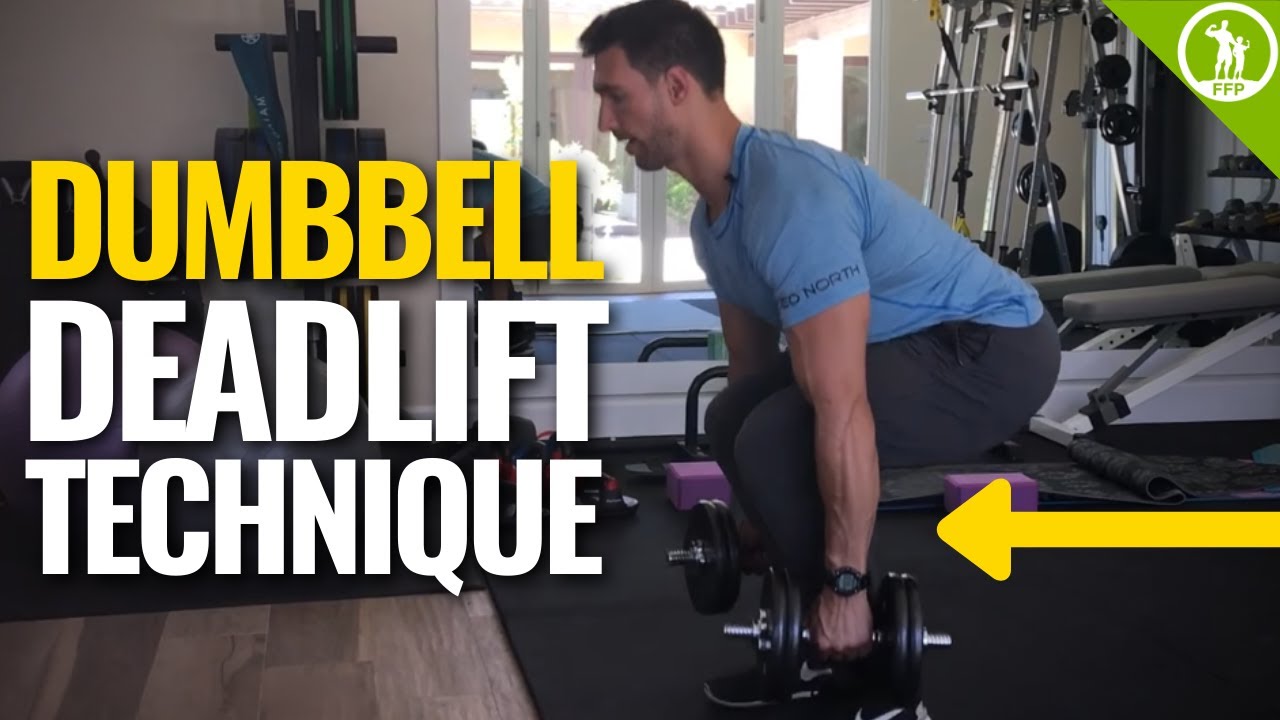
Stand with your feet shoulder-width apart. Hold a dumbbell in each hand with your arms fully extended. Keep your palms facing your body. Your back should be straight, and your shoulders pulled back. Slightly bend your knees but avoid locking them. Look straight ahead to keep your neck neutral.
Movement Execution
Begin by pushing your hips back slowly. Lower the dumbbells along the front of your legs. Keep the dumbbells close to your body throughout the movement. Stop when you feel a stretch in your hamstrings or when dumbbells reach mid-shin. Then, squeeze your glutes and stand back up. Keep your back flat and chest open during the lift.
Common Mistakes To Avoid
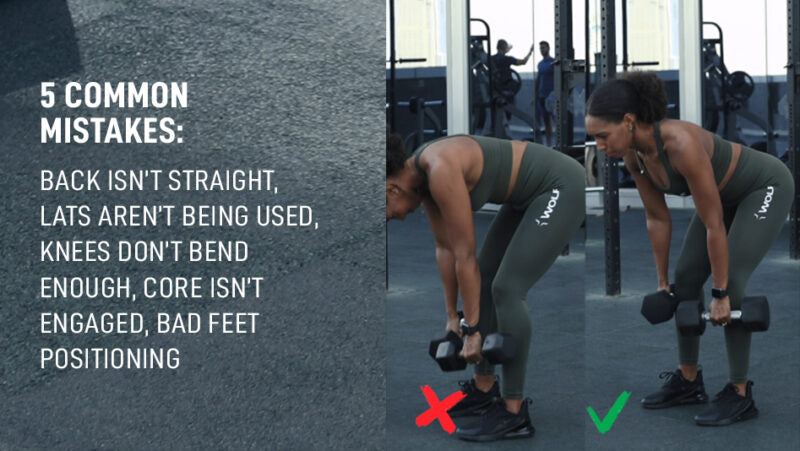
Do not round your back or shoulders. Avoid letting the dumbbells drift away from your legs. Do not lock your knees at the bottom. Avoid looking down or craning your neck. Do not use too heavy dumbbells that force poor form. Keep the movement slow and controlled to stay safe.

Credit: www.youtube.com
Variations Of Dumbbell Deadlifts
Dumbbell deadlifts offer many ways to vary your workout. These variations target different muscles and improve strength and balance. Using dumbbells gives flexibility in your training routine. You can adjust weight easily and work on form.
Each variation has its own benefits. Some focus more on hamstrings, others on glutes or core. Changing your stance or movement pattern helps avoid plateaus. It also makes workouts less boring and more effective.
Romanian Dumbbell Deadlifts
Romanian dumbbell deadlifts focus on the hamstrings and glutes. Start with a slight bend in your knees. Keep your back straight and lower dumbbells along your legs. Stop when you feel a stretch in your hamstrings. Then, return to the standing position by driving your hips forward.
This variation improves flexibility and strengthens the posterior chain. It also helps prevent lower back injuries by teaching proper hip hinge form.
Sumo Dumbbell Deadlifts
Sumo dumbbell deadlifts use a wide stance with toes pointing outward. Hold dumbbells between your legs. Bend your knees and hips to lower the weights. Keep your chest up and back flat. This targets the inner thighs, glutes, and quads more than traditional deadlifts.
Sumo style reduces stress on the lower back. It is great for people with limited hamstring flexibility or hip mobility.
Single-leg Dumbbell Deadlifts
Single-leg dumbbell deadlifts challenge balance and stability. Hold a dumbbell in one hand. Stand on the opposite leg. Hinge at the hips and lower the dumbbell toward the floor. Keep your back straight and your standing leg slightly bent. Return to the starting position and switch sides.
This variation improves coordination and strengthens the glutes and hamstrings. It also activates your core muscles to keep you steady.
Integrating Dumbbell Deadlifts Into Your Routine
Dumbbell deadlifts fit well into many workout plans. They work your legs, back, and core. Using dumbbells helps improve balance and muscle control. You can do them almost anywhere, making them very convenient. Adding dumbbell deadlifts can bring variety and new challenges to your routine.
Adjust weight and reps to match your fitness level. This keeps your workouts safe and effective. Dumbbell deadlifts also help build strength for other lifts. Planning your sessions with care leads to better results over time.
Frequency And Sets
Start with two to three sessions per week. This gives muscles time to recover and grow. Aim for three to four sets in each session. Each set should have eight to twelve repetitions. Keep rest times between 60 and 90 seconds. This balance helps build strength and endurance.
Listen to your body and adjust as needed. If you feel pain, take extra rest. Consistency matters more than heavy weights at first.
Combining With Other Exercises
Pair dumbbell deadlifts with squats for leg strength. Add rows or pull-ups to target your back muscles. Core exercises like planks improve stability during deadlifts. Mixing these moves creates a full-body workout. It also prevents boredom and plateaus.
Choose exercises that complement each other. Focus on form and control to avoid injury. A balanced routine supports long-term fitness and health.
Credit: www.youtube.com
Safety Tips For Beginners
Starting deadlifts with dumbbells is a great way to build strength safely. Beginners must focus on safety to avoid injuries and improve form. This section covers key safety tips to keep your workouts effective and safe.
Warm-up Recommendations
Always warm up before lifting dumbbells. Spend 5 to 10 minutes on light cardio like walking or jogging. Follow with dynamic stretches targeting your legs, hips, and back. This prepares your muscles and joints for the workout. Warm muscles reduce the risk of strains and tears.
Avoiding Injuries
Use proper form throughout the deadlift. Keep your back straight and core tight. Do not round your shoulders or bend your knees too early. Start with light weights and increase gradually. Stop if you feel sharp pain. Take breaks between sets to recover.
Listening To Your Body
Pay close attention to how your body feels. Muscle soreness is normal, but sharp pain is not. Rest if you feel tired or uncomfortable. Avoid pushing through pain to prevent long-term damage. Consistent rest helps muscles grow stronger.
Frequently Asked Questions
Can Dumbbells Effectively Replace Barbells For Deadlifts?
Yes, dumbbells can replace barbells for deadlifts. They offer similar muscle activation and improve balance and coordination. Dumbbells also allow a greater range of motion, making the exercise more versatile and accessible for different fitness levels.
What Are The Benefits Of Using Dumbbells For Deadlifts?
Using dumbbells for deadlifts enhances muscle symmetry and core stability. They challenge your grip strength and promote joint mobility. Dumbbells also reduce the risk of injury by allowing a more natural movement pattern compared to barbells.
Are Dumbbell Deadlifts Suitable For Beginners?
Yes, dumbbell deadlifts are ideal for beginners. They are easier to control and require less equipment. Dumbbells help beginners learn proper deadlift form while building foundational strength safely and effectively.
How Do Dumbbell Deadlifts Improve Workout Variety?
Dumbbell deadlifts add variety by allowing different grips and stances. You can perform single-leg or sumo styles easily with dumbbells. This variety targets muscles differently and prevents workout plateaus.
Conclusion
Dumbbells work well for deadlifts, offering good muscle engagement. They allow more movement freedom and can improve balance. Using dumbbells can help avoid injuries with lighter weights. You can adjust the weight easily as you progress. This makes them great for beginners and home workouts.
Remember to keep your form correct to avoid strain. Deadlifts with dumbbells fit many fitness goals and spaces. Try them to add variety and challenge your muscles differently. Small changes can bring steady improvement over time. Give dumbbell deadlifts a try and see how they feel.


