Are you looking to boost your glute strength and shape your hips but wondering if dumbbells can help? You might have seen hip thrusts done with barbells or machines and asked yourself, “Can I use dumbbells for hip thrusts instead?” The good news is, yes—you can!
Using dumbbells for hip thrusts is not only possible but also offers unique benefits that can fit perfectly into your workout routine. Keep reading to discover how dumbbells can transform your hip thrusts and take your lower body workouts to the next level.
Benefits Of Dumbbell Hip Thrusts
Dumbbell hip thrusts offer many benefits. They help build strength and tone muscles effectively. Using dumbbells adds resistance, making the exercise more challenging. This helps to improve muscle activation and growth. The exercise targets specific muscle groups, which enhances overall fitness. Dumbbell hip thrusts are also versatile and easy to do at home or gym. They improve movement patterns and help prevent injuries. Here are some key benefits of dumbbell hip thrusts.
Targeting The Glutes
Dumbbell hip thrusts focus directly on the glute muscles. This builds stronger and firmer glutes. Strong glutes improve posture and balance. They also help with daily activities like walking and climbing stairs. Using dumbbells adds weight, increasing the muscle work. This leads to better muscle growth and strength.
Improving Hip Strength
This exercise strengthens the hips by adding resistance. Strong hips support better movement and reduce pain. Dumbbell hip thrusts help stabilize the hip joint. This lowers the risk of injuries during other activities. Hip strength also improves athletic performance and power.
Enhancing Core Stability
Dumbbell hip thrusts engage the core muscles for balance. A strong core supports the spine and improves posture. This exercise helps train the core to stay stable under load. Core stability aids in lifting, running, and other exercises. It also reduces the chance of lower back pain.

Credit: www.youtube.com
Choosing The Right Dumbbells
Choosing the right dumbbells for hip thrusts helps improve your workout and avoid injury. The right weight and type make the exercise safer and more effective. This section explains how to pick dumbbells that suit your needs.
Weight Selection Tips
Start with a light weight to learn proper form. Too heavy dumbbells can cause bad posture and pain. Increase weight slowly as your hips get stronger. Choose a weight that challenges you but still feels safe. Remember, control is more important than heavy lifting.
Dumbbell Types To Consider
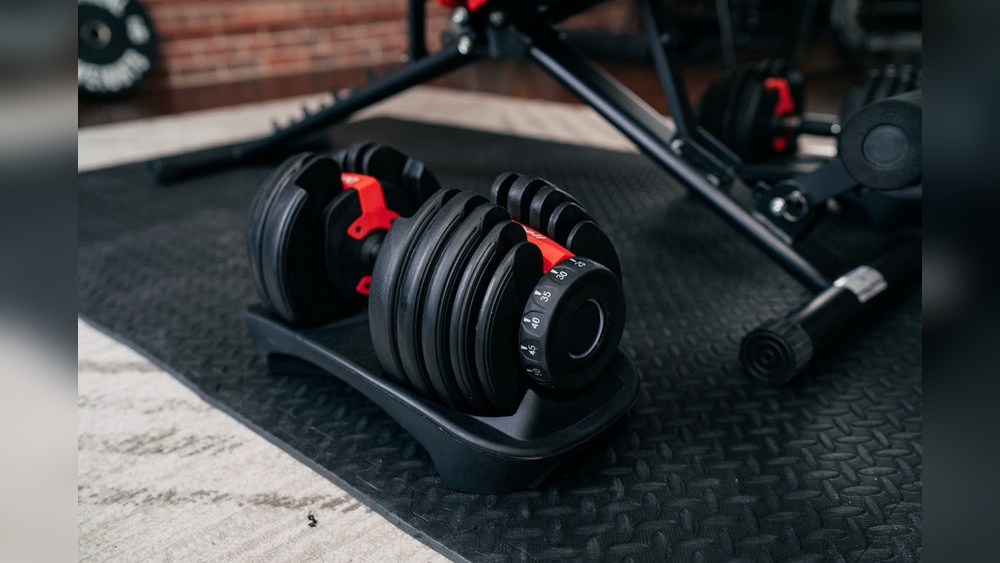
Look for dumbbells with a flat surface. They stay stable on your hips during the thrust. Neoprene or rubber-coated dumbbells add comfort and reduce slipping. Adjustable dumbbells save space and let you change weight easily. Avoid round dumbbells that roll off easily.
Safety Considerations
Use a pad or towel between the dumbbell and your hips. This protects your skin and bones from pressure. Check dumbbells for any damage before starting. Secure your grip to stop the dumbbell from falling. Always warm up before lifting for better safety.
Proper Form For Dumbbell Hip Thrusts
Using dumbbells for hip thrusts can boost your glute strength effectively. Proper form is key to avoid injury and get the best results. This section explains how to use dumbbells correctly during hip thrusts.
Starting Position
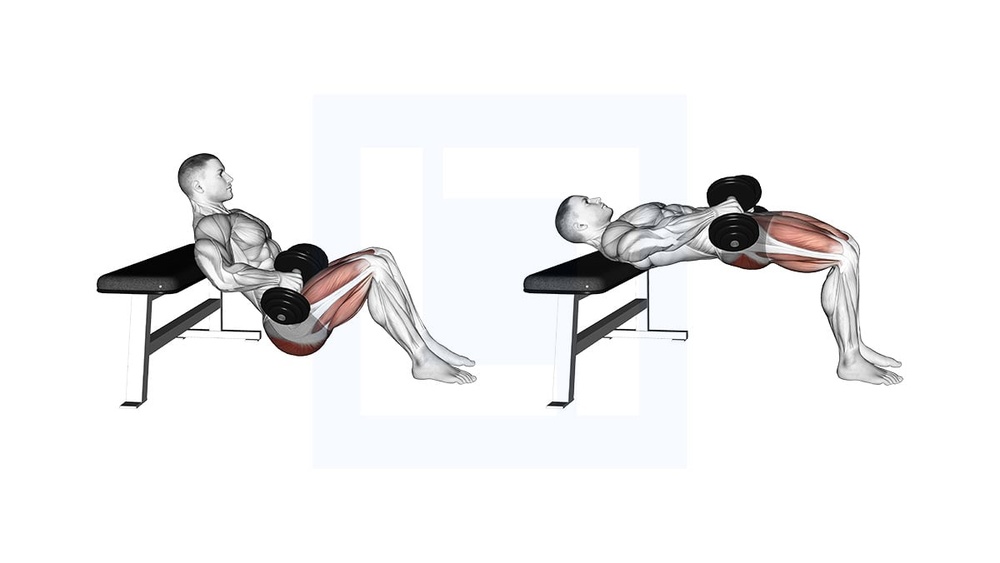
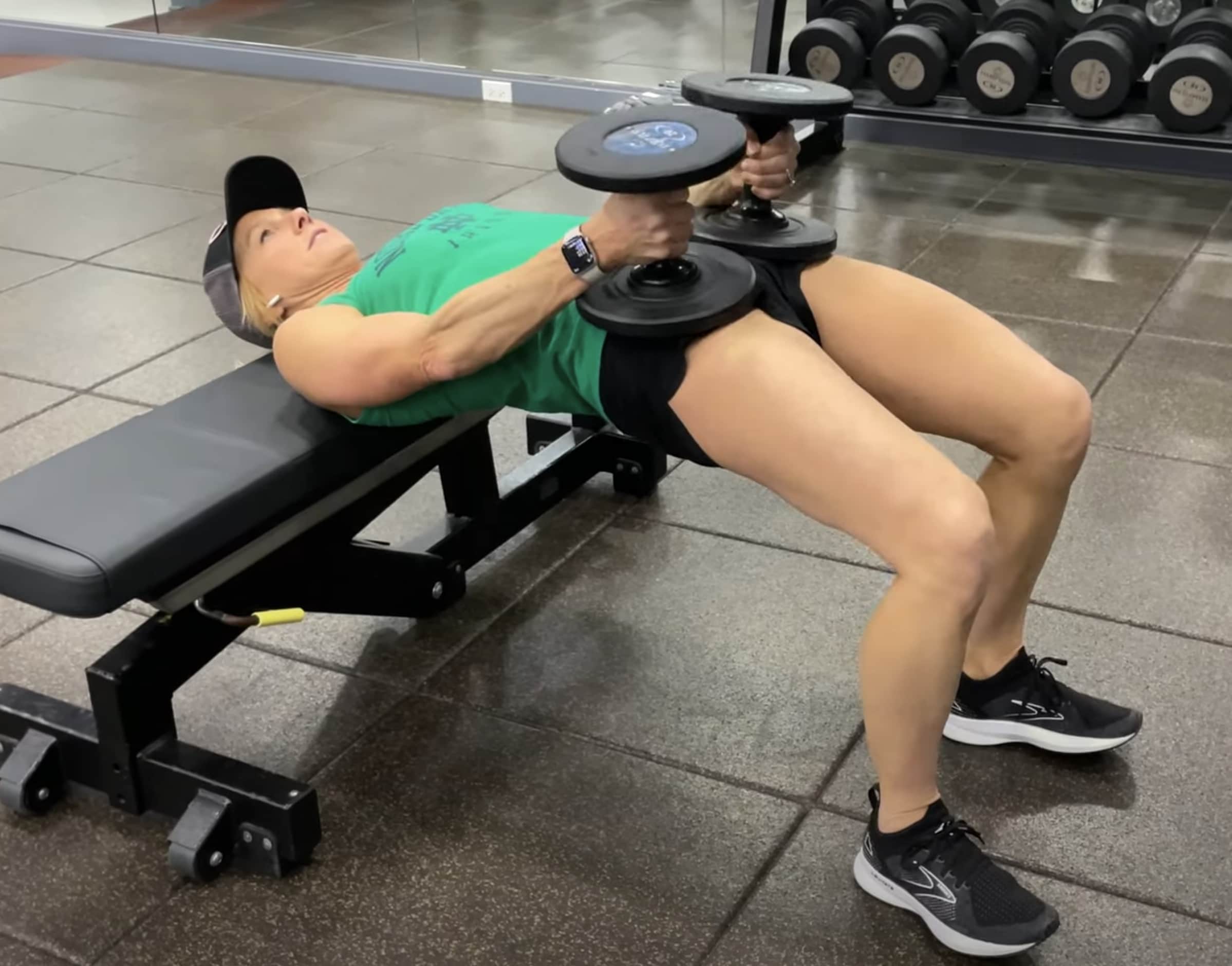
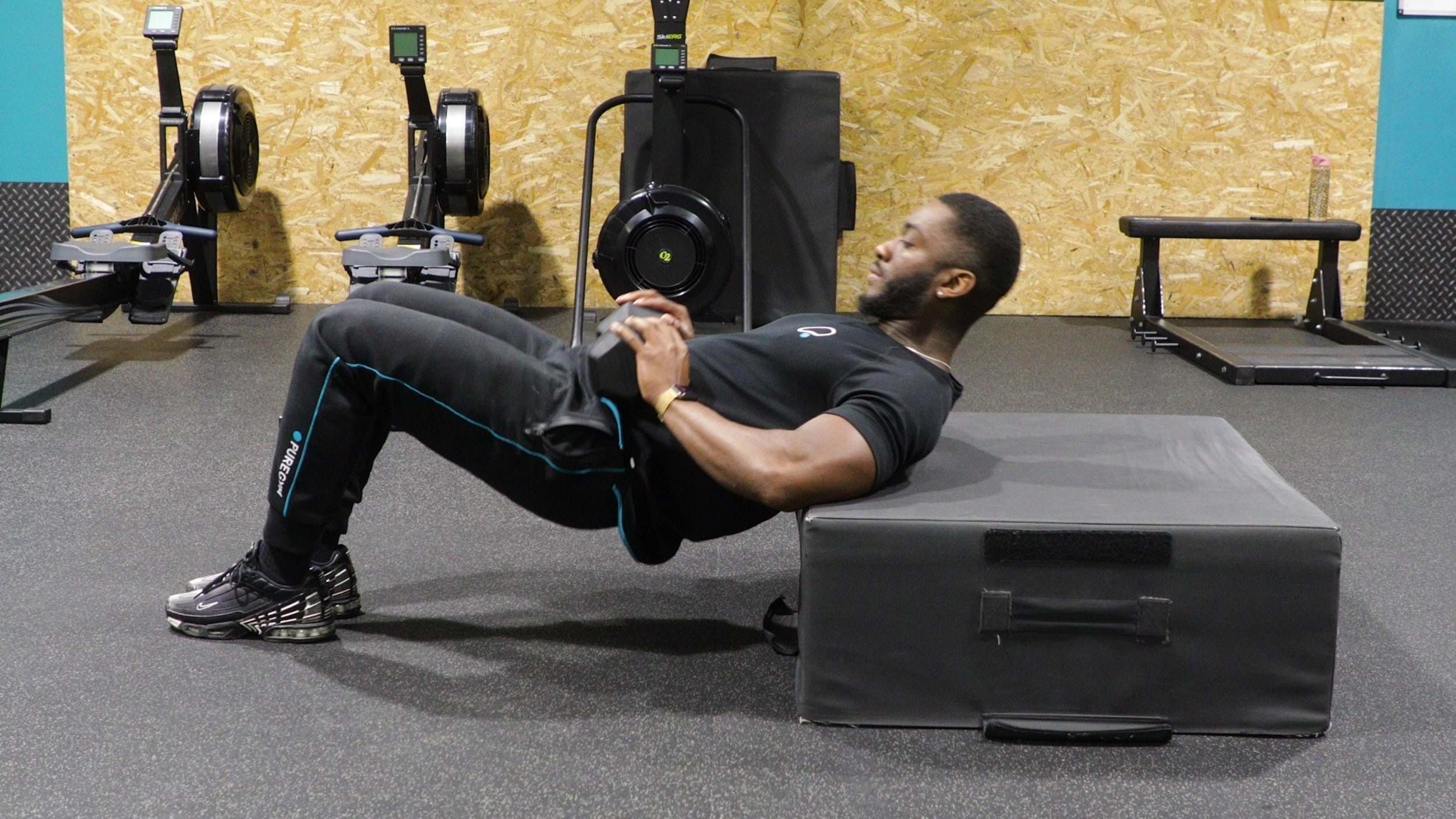
Sit on the ground with your upper back against a bench. Bend your knees and place your feet flat on the floor, shoulder-width apart. Hold a dumbbell on your hips, gripping it firmly. Keep your core tight and eyes forward.
Movement Technique
Push through your heels to lift your hips upward. Squeeze your glutes at the top of the movement. Your body should form a straight line from shoulders to knees. Lower your hips slowly back to the ground. Keep the dumbbell stable on your hips throughout.
Common Form Mistakes
Do not arch your lower back at the top. Avoid pushing with your toes instead of heels. Keep your neck relaxed; do not strain it. Do not let the dumbbell slip or shift. Make sure your knees stay aligned with your feet.
Credit: julielohre.com
Variations To Boost Your Workout
Using dumbbells for hip thrusts is a great way to build strength. Changing the style of your hip thrust can target muscles differently. These variations keep workouts fresh and effective. They help you avoid plateaus and improve muscle growth.
Single-leg Dumbbell Hip Thrust
Perform the hip thrust with one leg on the ground. Hold a dumbbell on your hips for resistance. This variation challenges your balance and stability. It also activates your core more than the regular version. Use lighter weight to maintain good form. Switch legs to work both sides equally.
Pause Reps For Increased Tension
Pause at the top of the thrust for a few seconds. Keep your hips lifted and squeeze your glutes hard. This hold increases muscle tension and strength gains. Lower slowly to keep muscles engaged throughout the movement. Pause reps help improve control and muscle endurance.
Tempo Adjustments
Change the speed of your hip thrusts to vary difficulty. Try a slow lift and fast lower for power focus. Or do a fast lift with a slow lower to build control. Tempo changes increase muscle time under tension. This leads to better muscle growth and strength.
Integrating Dumbbell Hip Thrusts Into Your Routine
Dumbbell hip thrusts fit well into many workout routines. They target your glutes and help build strength. Using dumbbells makes the exercise more accessible at home or the gym. You can adjust the weight easily to match your progress. This section explains how to add dumbbell hip thrusts into your training plan.
Balancing frequency, volume, and other exercises is important. Also, learning how to increase difficulty keeps gains steady. Let’s explore these key points.
Frequency And Volume
Perform dumbbell hip thrusts two to three times weekly. This allows your muscles to recover and grow. Aim for three to four sets of 8 to 12 reps. This range builds strength and size effectively. Rest for about 60 seconds between sets to maintain form and power.
Combining With Other Glute Exercises
Pair dumbbell hip thrusts with exercises like squats or lunges. These target the glutes from different angles. Use bodyweight or light weights for these additional moves. This balance helps avoid muscle imbalances and overuse injuries. It also enhances overall lower body strength and shape.
Progression Strategies
Increase dumbbell weight gradually as you get stronger. Add more reps or sets to challenge your muscles. Try slowing down the movement to increase tension. Use pauses at the top of the thrust for better muscle activation. Changing foot placement can also vary the stimulus to your glutes.
Credit: www.puregym.com
Troubleshooting And Tips
Using dumbbells for hip thrusts can be very effective, but some challenges might arise. This section helps solve common problems and offers useful tips. Follow these ideas to improve your hip thrusts with dumbbells safely and efficiently.
Dealing With Discomfort
Discomfort around your hips or lower back is common at first. Place a cushion or towel under the dumbbell for padding. Keep your core tight to protect your lower back. Adjust the dumbbell position until it feels stable and comfortable. Stop if pain increases or feels sharp.
Avoiding Plateaus
Progress may slow down after some time. Change your dumbbell weight gradually to keep challenging muscles. Try more repetitions or sets to boost endurance. Mix in other glute exercises to target muscles differently. Rest well to allow muscles to recover and grow.
Maximizing Muscle Activation
Focus on squeezing your glutes at the top of each thrust. Pause for a second at the highest point to increase muscle work. Keep your feet flat and knees aligned with toes. Avoid pushing through your lower back or hamstrings. Controlled, slow movements improve muscle engagement and results.
Frequently Asked Questions
Can I Use Dumbbells For Hip Thrusts Safely?
Yes, dumbbells can be used safely for hip thrusts. They provide effective resistance and allow controlled movement. Ensure proper form and place the dumbbell on your hips securely to avoid injury.
Are Dumbbells Effective For Building Glute Muscles?
Dumbbells are effective for building glute muscles during hip thrusts. They offer adjustable weight and help target glutes efficiently. Use challenging weights to maximize muscle activation and growth.
How Do Dumbbells Compare To Barbells For Hip Thrusts?
Dumbbells offer more flexibility and easier setup than barbells. Barbells allow heavier loading but require more equipment. Dumbbells are ideal for beginners or home workouts focusing on glute strength.
What Weight Dumbbells Should I Use For Hip Thrusts?
Start with a moderate weight you can lift with proper form. Gradually increase weight to challenge your muscles without risking injury. Typically, 10-30 pounds is suitable for most beginners.
Conclusion
Dumbbells work well for hip thrusts. They add weight and challenge your muscles. You can adjust the weight easily. This helps you grow stronger over time. Keep your form tight to avoid injury. Start with light dumbbells, then increase slowly.
Hip thrusts with dumbbells improve your glutes and hips. They fit well into home workouts. Try them and see how your strength improves. Simple, effective, and easy to do.