Have you ever wondered what happens if law enforcement wants to search your locked glove box? It’s a question many people have but few fully understand.
Knowing your rights and what the police can or cannot do is important for protecting yourself and your property. This article will clear up the confusion and give you the facts you need. Keep reading to find out when officers can enter your locked glove box and what that means for you.
Legal Rights And Vehicle Searches
Understanding your legal rights during vehicle searches is essential. Police officers cannot freely search your car or locked glove box without following specific rules. These rules protect your privacy and ensure law enforcement acts within the law. Knowing when and how police can search helps you stay informed and protect your rights.
Search Warrants And Exceptions
Police usually need a search warrant to enter a locked glove box. A warrant is a legal document from a judge. It allows the police to search a specific area. Without a warrant, searches are limited.
There are exceptions. For example, police can search without a warrant if they believe evidence is at risk of being destroyed. Another exception is during a lawful arrest. These exceptions are narrow and must meet strict conditions.
Consent And Its Limits
Police can search a vehicle if the owner or driver gives consent. Consent must be clear and voluntary. You have the right to refuse consent.
Consent to search the car does not always include locked compartments like the glove box. Police must specify what they want to search. If you refuse, police may need a warrant or probable cause.
Probable Cause Explained
Probable cause means police have a reasonable belief that a crime happened. It is more than a guess but less than proof.
With probable cause, officers can search your vehicle and locked glove box. They do not need a warrant in this case. The belief must be based on facts or evidence they see or know.
Probable cause protects both police and citizens by setting clear rules for searches.

Credit: www.stevensonhendrickhonda.com
Glove Box Specifics
The glove box in a car is a small storage space. People keep many personal items there. It may hold documents, sunglasses, or small valuables. Understanding the rules about glove box searches helps protect your rights.
Law enforcement officers sometimes want to search glove boxes. Whether they can enter a locked glove box depends on the law. Different courts have different opinions on this issue.
Is A Glove Box Considered Private?
The glove box is inside your car, but is it private? Courts often view it as a part of the car, not a private space like your home. This means police may have fewer limits to search it. However, some courts say the glove box holds personal items, so it deserves some privacy. This debate affects how searches are handled during traffic stops.
Court Rulings On Glove Box Searches
Courts have given mixed answers on glove box searches. Some rulings allow police to search it without a warrant if they have probable cause. Others say officers must get a warrant to open a locked glove box. The key point is whether the officer has a legal reason. These rulings shape how law enforcement acts during stops and investigations.
Differences Between Locked And Unlocked Compartments
A locked glove box is treated differently than an unlocked one. Locking it shows an expectation of privacy. Police may need a warrant to break a lock. An unlocked glove box is easier to search without special permission. This difference can affect court decisions and your rights during a search.
Scenarios Allowing Glove Box Entry
Law enforcement officers cannot always enter a locked glove box. There are certain situations where they are allowed to do so. These rules protect your rights and privacy. Understanding these scenarios helps you know what to expect during police encounters.
Here are some common scenarios where officers may open a locked glove box without your permission.
During Traffic Stops
Officers may search your glove box during a traffic stop if they have probable cause. This means they believe there is evidence of a crime inside. For example, if they see drug paraphernalia or weapons in plain sight, they can check the glove box. They may also search it if they smell illegal substances or see something suspicious.
In Dui Investigations
During a DUI investigation, officers might look inside the glove box. They search for items like alcohol containers or drug-related materials. This helps them gather evidence to support their case. If they find open containers or illegal drugs, it can affect your charges. The search must be related to the DUI suspicion.
Following Arrests
After an arrest, police have more authority to search your vehicle. This includes the glove box. They can look for evidence related to the crime or any weapons. The search helps ensure their safety and preserve evidence. Officers do not need a separate warrant if the search is part of the arrest process.

Credit: www.packlawgroup.com
Rights Of Vehicle Owners
Vehicle owners have clear rights regarding their property, including what is inside their car. The glove box is often a private space where owners keep important documents and personal items. Law enforcement cannot enter or search this locked compartment without proper legal justification. Understanding these rights helps protect your privacy and property from unlawful searches.
Challenging Illegal Searches
Owners can challenge searches that happen without consent or a warrant. If police search a locked glove box illegally, the evidence found may be dismissed in court. Knowing your rights helps you recognize when a search is unlawful. This can protect you from unfair treatment during legal proceedings.
When To Seek Legal Advice
Consulting a lawyer is important if you believe your rights were violated. Legal experts can explain the laws and guide you through the process. They can help challenge improper searches and protect your interests. Quick action increases your chances of a favorable outcome.
Protecting Personal Privacy
Privacy is a fundamental right for vehicle owners. A locked glove box symbolizes this privacy by keeping personal items secure. Law enforcement must respect this boundary unless there is clear legal cause. Being aware of your privacy rights helps maintain control over your possessions.
Impact Of Technology
Technology changes how law enforcement handles locked glove boxes. New tools and methods affect privacy and access rights. Understanding these changes helps to know what police can do.
Digital Locks And Privacy
Digital locks replace traditional keys. They use codes or biometrics like fingerprints. These locks add security but raise privacy questions. Police may need special permission to access them. Sometimes, breaking these locks requires advanced tools. Courts often decide if officers can bypass digital locks.
Use Of Forensic Tools By Police
Police use forensic tools to examine locked glove boxes. These tools can find fingerprints or DNA without opening the box. Advanced software helps analyze digital data inside. Sometimes, police use gadgets to crack codes or signals. These methods can reveal hidden evidence. Laws guide how and when these tools can be used.
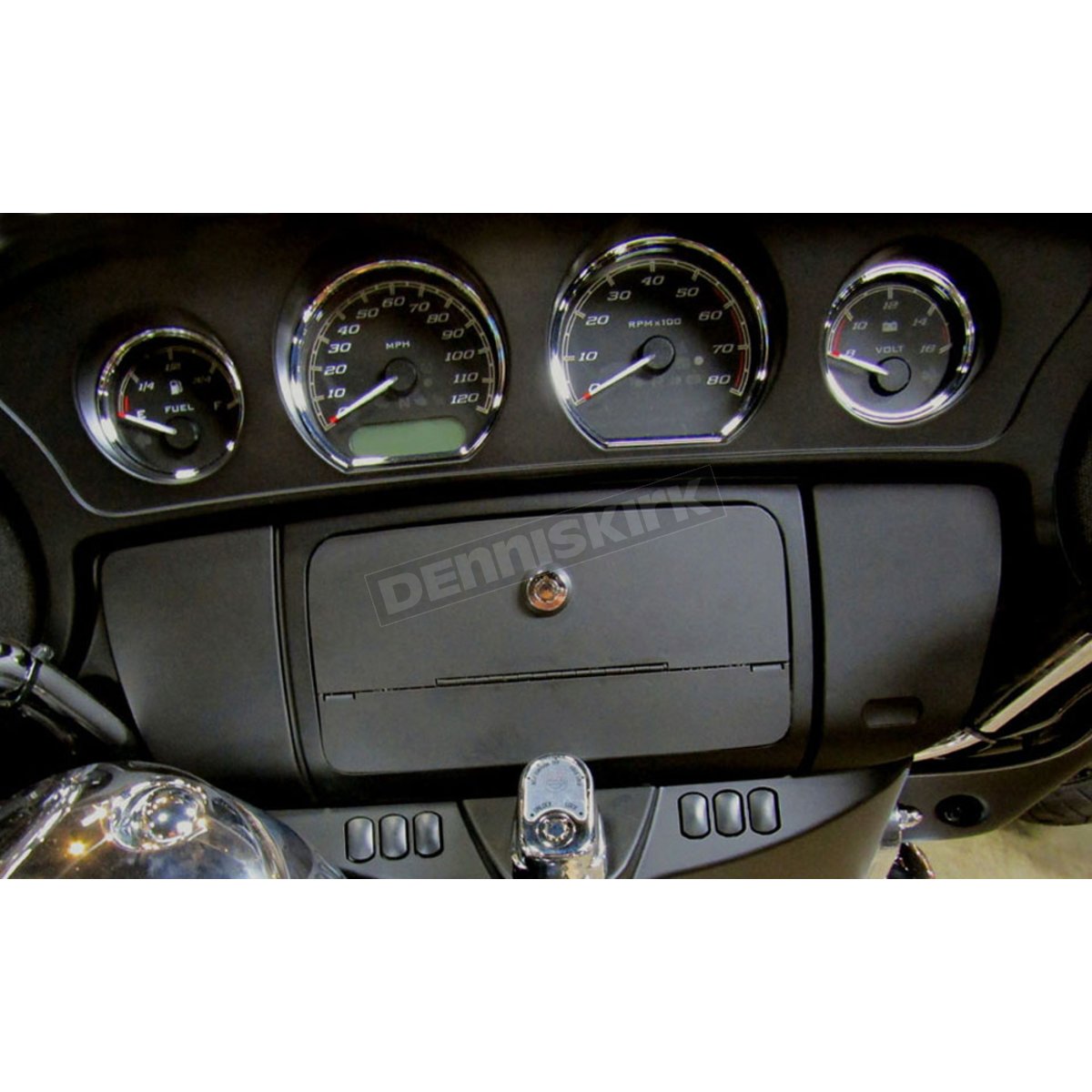
Credit: www.denniskirk.com
Frequently Asked Questions
Can Police Enter A Locked Glove Box Without Permission?
Yes, police can enter a locked glove box without permission if they have a valid search warrant or probable cause. Exceptions include exigent circumstances, such as immediate danger or evidence destruction.
Is A Locked Glove Box Protected By The Fourth Amendment?
A locked glove box is generally protected under the Fourth Amendment. However, if police have probable cause or a warrant, they can legally search it despite the lock.
What Happens If Police Search My Locked Glove Box Illegally?
If police search a locked glove box without a warrant or probable cause, the evidence found may be suppressed in court. This means it cannot be used against you legally.
Can Consent Allow Police To Open A Locked Glove Box?
Yes, if you voluntarily give police consent, they can open and search your locked glove box without a warrant or probable cause.
Conclusion
Law enforcement can enter a locked glove box under certain rules. They usually need a warrant or your permission first. Without these, opening it might break your rights. Knowing these rules helps protect you during police stops. Always stay calm and understand your rights clearly.
This way, you can handle situations better and avoid problems. Stay informed and prepared. It matters a lot.


