Have you ever wondered what happens if a police officer asks to search your locked glove box? Can they do it just because you say yes?
Understanding your rights during a police stop is crucial. What you agree to can change the outcome of a search and impact your privacy. Keep reading to learn exactly when police can search your locked glove box with your consent—and what that means for you.
This knowledge could protect you in a moment you never expected.
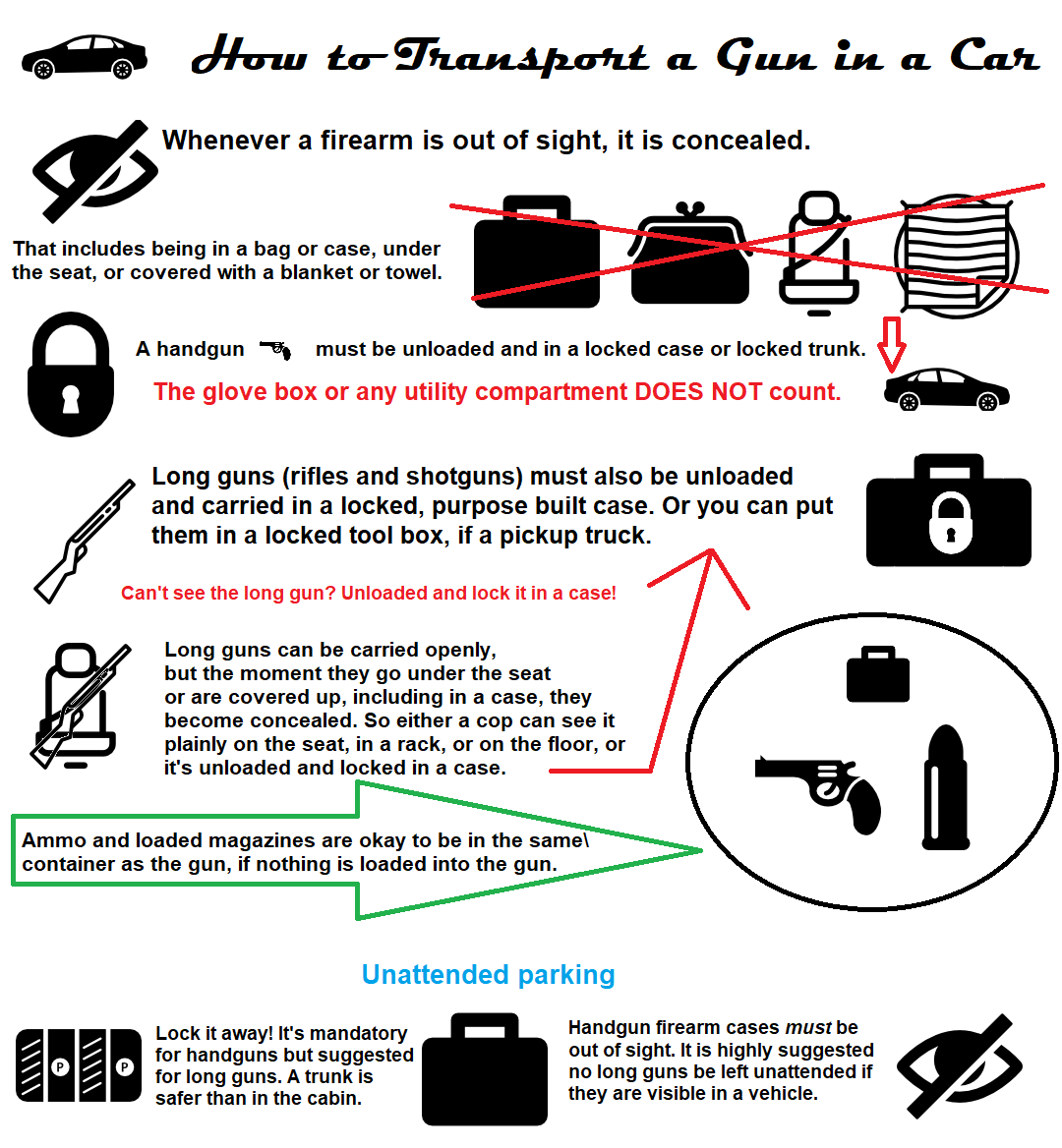
Credit: www.californiacarry.org
Police Searches And Consent
Police searches and consent are key parts of legal procedures. Understanding when police can search your property matters. Consent can change what police are allowed to do. This section explains the types of searches police conduct. It also shows how consent affects these searches.
Types Of Police Searches
Police can perform several types of searches. The most common are searches with a warrant. Officers get permission from a judge before searching. Another type is a search incident to an arrest. This search happens right after someone is arrested. Police may also search with the person’s consent. Lastly, there are searches based on probable cause. This means police believe a crime happened or evidence is nearby.
Role Of Consent In Searches
Consent allows police to search without a warrant. The person must agree freely and clearly. Consent must be given by someone with authority over the place. For a locked glove box, this means the car owner or driver. If consent is given, police can open and search it. Consent can be taken back at any time. Without consent, police usually need a warrant or probable cause to search.

Credit: www.youtube.com
Locked Glove Box And Legal Boundaries
The topic of a locked glove box and legal boundaries raises many questions. People wonder if police can search it with consent. The law treats locked compartments differently than open spaces in vehicles. Understanding privacy rights inside a car helps clarify what is allowed.
A locked glove box suggests a stronger claim to privacy. This can affect police search powers. Consent plays a key role. Knowing how courts view these situations can protect your rights.
Expectation Of Privacy In Vehicles
People have less privacy in cars than in homes. Police can often search cars with fewer rules. Still, certain parts of a vehicle have more privacy. The glove box is one of these areas.
When a compartment is locked, courts see it as private space. This means police need clear permission to search it. Without consent or a warrant, searching a locked glove box may be illegal.
Impact Of Locking The Glove Box
Locking the glove box shows an intent to keep contents private. It signals that the owner does not want police or others to access it easily. This can give the owner stronger legal protection.
If police ask to search a locked glove box, they must get permission. Consent must be clear and voluntary. If consent is not given, the locked status can help protect the owner from an unlawful search.
When Consent Is Given
Police officers need permission to search a locked glove box. Consent means you say “yes” to the search. This can change the legal rules about the search. Consent must be clear and given freely. It affects what police can and cannot do.
Knowing how consent works helps protect your rights. It also guides officers on legal searches. Understanding consent is important for everyone in a traffic stop or police check.
Voluntary Vs Coerced Consent
Consent must be voluntary to be valid. Voluntary means you agree without pressure or threats. Police cannot force or trick you into saying yes. If you feel scared or confused, your consent might not count.
Officers must ask politely and give you a choice. You can say no. If the police use force or make you afraid, the consent is coerced. Courts often reject coerced consent in legal cases.
Scope Of Consent For Glove Box Searches
Consent for a glove box search covers only what you allow. If you say yes to the glove box, police can open it. They cannot search other parts of your car without more permission.
Be clear about what you allow. Saying yes to the glove box does not mean yes to the whole car. You can limit the search to specific areas. This helps protect your privacy and rights.

Credit: www.youtube.com
Refusing Consent And Its Consequences
Refusing consent to search a locked glove box is a key decision during police encounters. Your choice can affect what happens next. Knowing your rights helps you stay calm and confident in these moments.
Police often ask for permission to search. Saying no does not mean you are hiding something. It means you want to protect your privacy and legal rights. Understanding the impact of refusal is important for every driver.
Rights To Refuse A Search
You have the right to refuse a search of your locked glove box. This is part of your Fourth Amendment protection against unreasonable searches. You do not have to explain why you say no. Simply stating “I do not consent” is enough.
Consent must be given freely and clearly. Police cannot force you to agree. Your refusal cannot be used as proof of guilt. Knowing this helps you handle police requests with confidence and respect.
Police Actions After Refusal
After you refuse consent, police may still search if they have a warrant. They can also search if they believe there is an emergency. Without these, they usually cannot legally open the locked glove box.
Police may keep you at the scene longer or ask questions. They might try to persuade you to give consent again. Staying calm and repeating your refusal is key. Always be polite but firm.
Legal Protections And Case Law
Legal protections govern police searches of personal property. The glove box in a car is a common focus during traffic stops. Courts have set rules about when police can search this space, especially if it is locked. Consent from the vehicle owner plays a key role in these cases. Understanding the law helps protect your rights.
Case law shapes how these searches are treated in court. Judges look at past decisions to decide if a search was lawful. These rulings clarify what is allowed under the Fourth Amendment, which guards against unreasonable searches and seizures.
Key Court Decisions On Glove Box Searches
Courts have ruled that police need clear consent to search a locked glove box. Consent must be given freely and not forced. In some cases, courts ruled that a locked glove box cannot be opened without a warrant or consent. A famous decision, California v. Acevedo, addressed the scope of searches in vehicles. This case confirmed limits on what officers can search without a warrant.
Other rulings emphasize that if consent is given, the police can search the glove box, even if locked. Officers should explain what they want to search. If the driver says yes, the search is usually lawful.
State Vs Federal Rules
States may have different rules than federal law. Some states require a warrant to search a locked glove box. Others follow federal guidelines more closely. Knowing your state’s laws is important. State courts might provide stronger protections for drivers.
Federal law focuses on the Fourth Amendment but allows some exceptions. Consent is one such exception. Police can search a locked glove box if the owner agrees. Without consent, officers often need a warrant or probable cause.
Understanding both state and federal rules helps you know your rights. It also guides how police should act during a search. Legal protections aim to balance law enforcement and individual privacy.
Best Practices For Drivers
Understanding how to act during a police stop is important for every driver. Knowing your rights and the best ways to respond can keep the situation calm and clear. This section shares simple tips to handle police requests and keep track of your interactions.
How To Handle Police Requests
Stay calm and polite. Listen carefully to what the officer asks. If they ask to search your locked glove box, you have the right to say no. You can also ask if you must agree or if it is voluntary. Giving permission is your choice. Always speak clearly and avoid sudden moves.
If you decide not to consent, say so respectfully. Do not argue or refuse loudly. Keep your hands visible and stay inside your vehicle unless told otherwise. Staying calm helps avoid misunderstandings.
Documenting Interactions
Try to remember details about the stop. Note the officer’s name, badge number, and the time and place. If possible, record the interaction on your phone, but ask first if it is allowed. This can protect you if there is a dispute later.
Write down what happened as soon as you can after the stop. Include what was said and done. Keeping a record helps you explain your side clearly if needed. It also reminds you of your rights and the correct process.
Frequently Asked Questions
Can Police Search A Locked Glove Box With Consent?
Yes, police can search a locked glove box if you give clear consent. Consent must be voluntary and informed. Without consent or a warrant, they cannot legally open it.
Does Consent Override The Need For A Search Warrant?
Yes, giving consent allows police to search without a warrant. Consent is an exception to the Fourth Amendment’s warrant requirement. However, consent must be freely given, not coerced.
What Happens If I Refuse To Consent To The Search?
If you refuse, police generally cannot search without a warrant. They must have probable cause or a warrant to search without consent. Refusal does not imply guilt or give police automatic permission.
Can Consent Be Limited To Certain Areas Like A Glove Box?
Yes, you can limit consent to specific areas, such as only the glove box. Police can only search the areas you permit. Any search beyond that requires new consent or a warrant.
Conclusion
Police can search a locked glove box only with clear consent. Without permission, searching it may violate your rights. Always know your rights before agreeing to a search. Saying no to a search is your legal choice. Consent must be given freely and clearly.
Understanding this helps protect your privacy during police stops. Stay calm and polite when talking to officers. Knowing the rules can make a big difference in these situations.