Are you looking for a way to get stronger, burn fat, and build muscle—all with just one simple tool? Dumbbells might be the answer you’ve been searching for.
Imagine working out every major muscle in your body without needing a gym full of equipment. Sounds too good to be true? Keep reading, because you’re about to discover how a full body workout with dumbbells can transform your fitness routine and fit perfectly into your busy life.
Ready to unlock your full potential? Let’s dive in.
Benefits Of Full Body Dumbbell Workouts
Full body dumbbell workouts offer many benefits for your health and fitness. They help you build strength evenly across your body. These workouts also improve how your muscles work together. You can do them almost anywhere, making exercise easy to fit into daily life.
Using dumbbells in full body routines helps improve balance, flexibility, and saves time. This makes them a smart choice for people with busy schedules and those new to fitness.
Improved Muscle Balance
Dumbbells force each side of your body to work equally. This stops one side from becoming stronger than the other. Balanced muscles reduce the chance of injury. You also get better posture and coordination from balanced strength.
Increased Flexibility And Mobility
Full body dumbbell workouts use many joint movements. This helps increase your range of motion. Regular training keeps your muscles and joints flexible. You move easier and reduce stiffness with consistent practice.
Time-efficient Training
These workouts target multiple muscle groups at once. You spend less time exercising but get great results. Perfect for busy days or quick sessions. Efficient training keeps your fitness on track without long hours.

Credit: www.baraka.travel
Essential Dumbbell Exercises
Dumbbells are a great tool for a full body workout. They help build strength and improve muscle tone. You can target every major muscle group with the right exercises.
Choosing essential dumbbell exercises makes your workout effective. These moves work your upper body, lower body, and core. Each area needs focus for balanced strength and fitness.
Upper Body Moves
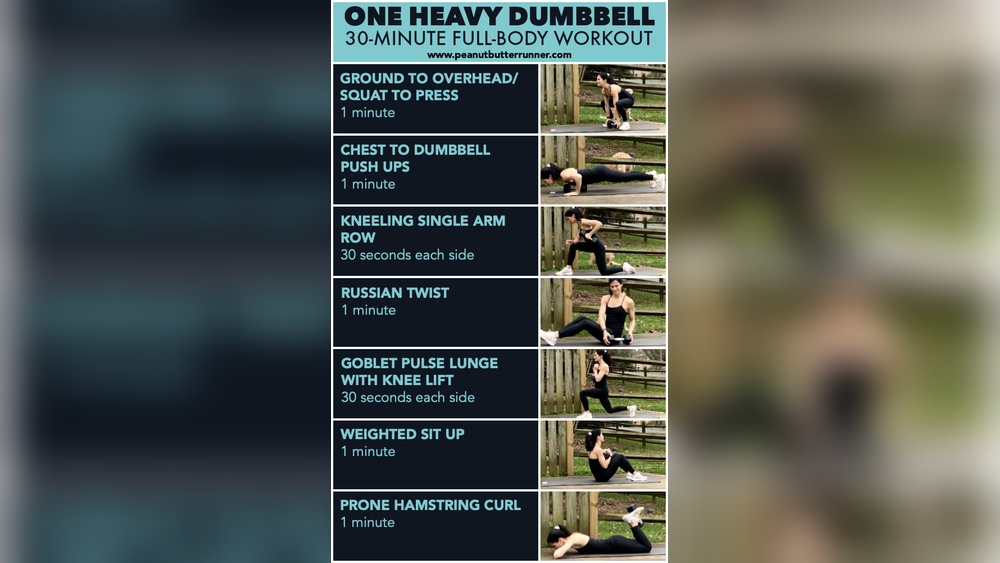
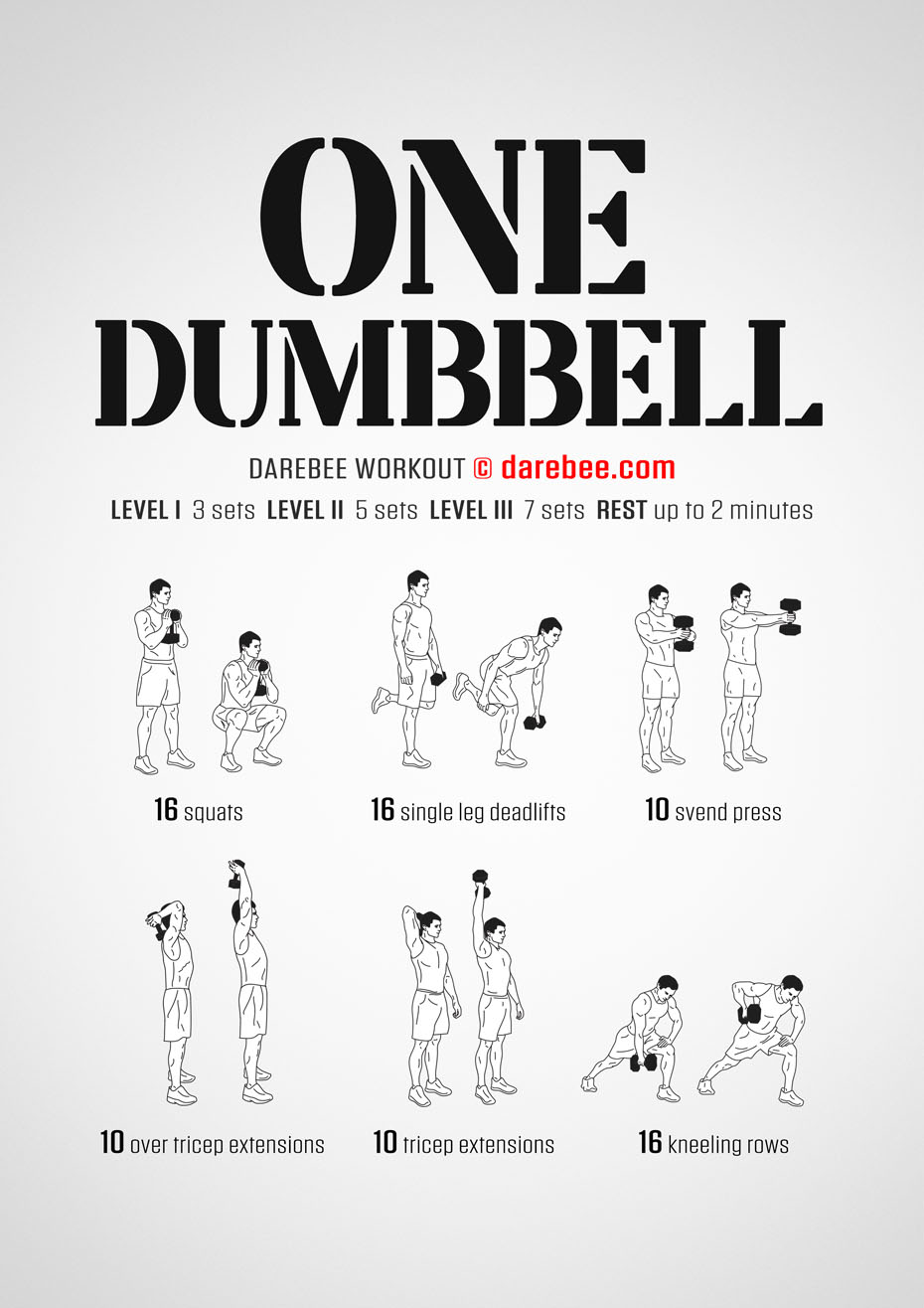
Dumbbell exercises for the upper body improve arm, shoulder, and chest strength. Try bicep curls to build arm muscles. Shoulder presses help strengthen your shoulders. Dumbbell rows work your back muscles. Chest presses target the chest and arms. These moves increase upper body power and endurance.
Lower Body Moves
Lower body exercises with dumbbells focus on legs and glutes. Squats with dumbbells build strong thighs and buttocks. Lunges improve balance and leg strength. Deadlifts target your hamstrings and lower back. These exercises help with daily movements and stability.
Core Strengthening Exercises
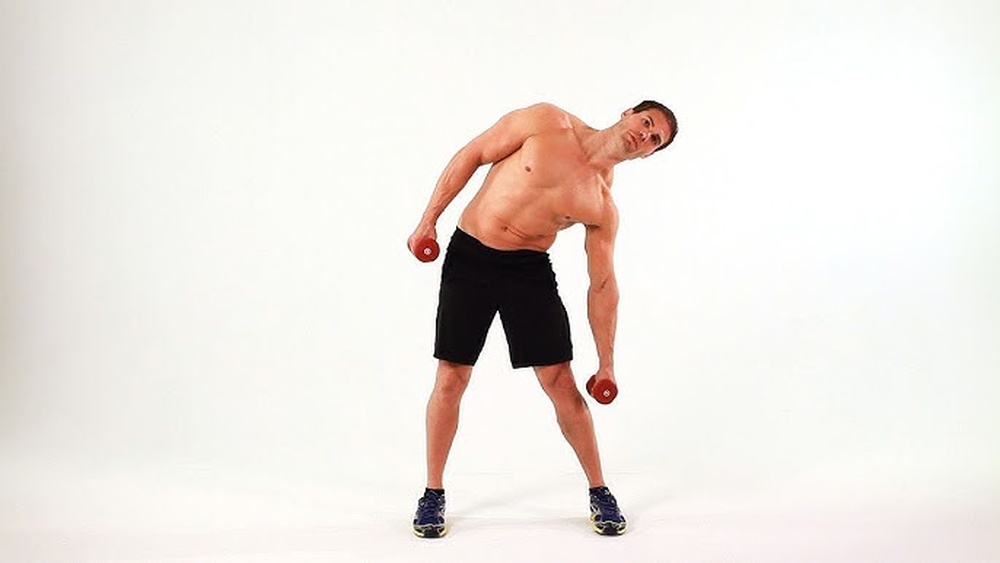
A strong core supports your entire body. Dumbbell Russian twists engage your obliques and abs. Weighted sit-ups add resistance for better strength. Dumbbell side bends work the waist muscles. These exercises improve posture and balance.
Designing Your Workout Plan
Designing your full body dumbbell workout plan is key to seeing results. A clear plan helps you stay focused and avoid injury. It also makes your workouts more effective. Start by choosing the right dumbbell weight. Then, set your reps and sets carefully. Finally, balance workout intensity with enough recovery time.
Choosing The Right Weight
Select a weight that feels challenging but doable. You should complete your reps with good form. If the weight is too light, muscles won’t get stronger. Too heavy, and you risk injury. Start with lighter weights to learn proper movements. Increase weight gradually as you get stronger. This approach builds strength safely and steadily.
Setting Reps And Sets
Decide how many repetitions and sets to perform. Aim for 8 to 12 reps per set for muscle growth. Perform 2 to 4 sets for each exercise. Rest for 30 to 60 seconds between sets. This keeps your heart rate up and muscles working. Adjust reps and sets based on your fitness level and goals.
Balancing Intensity And Recovery
Push yourself during workouts but allow time to recover. Muscles need rest to repair and grow. Avoid training the same muscle group two days in a row. Include at least one rest day or light activity day each week. Proper recovery prevents burnout and injuries. Listen to your body and adjust intensity as needed.
Credit: darebee.com
Common Mistakes To Avoid
Doing a full body workout with dumbbells is effective but tricky. Many beginners make common mistakes that reduce results and increase injury risk. Avoiding these errors helps keep your workout safe and efficient. Focus on proper technique, balanced training, and body care.
Using Incorrect Form
Wrong form wastes energy and causes injuries. Dumbbells need control and steady movements. Keep your back straight and core tight. Avoid swinging weights or using momentum. Start with lighter weights to learn correct posture. Watch yourself in a mirror or record your workout.
Neglecting Warm-up And Cool-down
Skipping warm-up makes muscles stiff and prone to strains. Spend five to ten minutes moving joints and stretching. Warm muscles perform better and recover faster. Cool-down helps reduce soreness and relaxes muscles. Stretch gently after your workout to improve flexibility.
Ignoring Muscle Imbalances
Focusing on strong muscles alone creates imbalances. Train all muscle groups evenly for better strength and posture. Use dumbbells for both sides of the body equally. Avoid favoring one side or one muscle group. Balanced workouts prevent pain and improve overall fitness.
Progressing Your Workout
Progressing your workout is key to building strength and improving fitness. Without progress, your body adapts and stops improving. Changing your routine keeps muscles challenged. This leads to better results over time.
Increasing Dumbbell Weight
Adding more weight to your dumbbells helps build muscle. Start with a weight you can lift with good form. Gradually increase the weight as you get stronger. Small steps prevent injury and keep progress steady. Aim to lift heavier every few weeks.
Adding Variety To Exercises
Doing the same exercises can cause boredom and plateaus. Change exercises to work different muscles. Try new movements like lunges, rows, or presses. Vary your reps and sets to keep muscles guessing. Variety helps prevent injuries and improves overall strength.
Tracking Your Progress
Keep a workout journal or use an app to record your workouts. Write down weights, reps, and sets each session. Tracking helps you see improvements and stay motivated. It shows when to increase weights or change exercises. Regular tracking leads to smarter workouts and better results.

Credit: www.mantellritchie.com
Safety Tips For Dumbbell Training
Dumbbell workouts offer great benefits for your whole body. Staying safe during these exercises is very important. Proper safety helps avoid injuries and improves results.
Focus on good form and listen to your body. Use the right weights and take breaks when needed. These steps keep your training effective and safe.
Proper Grip And Posture
Hold dumbbells firmly but not too tight. A strong grip prevents slipping and injury. Keep your wrist straight to avoid strain.
Stand or sit with a straight back. Good posture supports your spine and muscles. Avoid rounding your shoulders or arching your back.
Avoiding Overtraining
Rest is part of training. Overworking muscles causes pain and slows progress. Train different muscle groups on separate days.
Start with lighter weights. Increase weight slowly as strength improves. Stop if you feel sharp pain or extreme tiredness.
When To Seek Professional Guidance
New to dumbbell exercises? A trainer can show correct form. Professionals help design a safe workout plan.
Injuries or pain during workouts need expert advice. Physical therapists and trainers can guide recovery and adjustments.
Frequently Asked Questions
Can Dumbbells Provide A Full Body Workout?
Yes, dumbbells target multiple muscle groups effectively. They allow varied exercises for arms, legs, chest, back, and core. Using different weights enhances strength, endurance, and muscle tone in a single session.
How Often Should I Do Dumbbell Full Body Workouts?
Aim for 3 to 4 sessions per week. This frequency balances muscle recovery and growth. Consistency ensures strength gains and improved fitness without overtraining or injury risks.
Are Dumbbell Workouts Suitable For Beginners?
Absolutely, dumbbells are beginner-friendly with adjustable weights. Start light to learn form and avoid injury. Gradually increase weight and intensity as strength and confidence improve.
Can Dumbbells Replace Gym Machines?
Dumbbells offer versatile, effective workouts similar to machines. They improve balance and coordination better. While machines isolate muscles, dumbbells engage stabilizers for functional strength.
Conclusion
Dumbbells offer a simple way to train your whole body. You can work arms, legs, chest, and back with them. They fit well in small spaces and cost less than big machines. Using dumbbells helps build strength and improve balance.
You can change weights to match your fitness level. Regular workouts with dumbbells can improve your health and energy. So, a full body workout with dumbbells is practical and effective. Give it a try and see how your body feels.