Have you ever wondered if you can do a dumbbell bench press right on the floor? Maybe you don’t have a bench at home, or you want to try a new way to work your chest muscles.
The good news is, yes—you can! But there’s more to it than just lying down and pressing weights. You’ll discover how the floor affects your workout, what benefits and challenges come with it, and tips to get the most from your dumbbell bench press without a bench.
Keep reading to unlock a smart, safe way to build strength and see real results!
Benefits Of Floor Dumbbell Press
The floor dumbbell press offers unique benefits compared to traditional bench pressing. It provides a safer and controlled way to build upper body strength. This exercise targets muscles differently, which helps improve overall muscle balance and joint health.
Many lifters choose the floor press to protect their shoulders and increase muscle activation. It also challenges stability more than usual pressing movements. These advantages make the floor dumbbell press a valuable addition to any workout routine.
Improved Shoulder Safety
The floor press limits how far your elbows can drop. This reduces strain on shoulder joints and tendons. It helps prevent shoulder injuries common in bench pressing. The floor acts as a natural stop, avoiding overstretching.
Less shoulder stress means safer lifting, especially for those with past injuries. You can train hard without risking pain or damage.
Increased Triceps Activation
The floor press shifts more load to your triceps muscles. Your triceps have to work harder to extend the elbows. This builds stronger and bigger triceps over time.
Stronger triceps improve your pressing power in other lifts. This makes it easier to push heavy weights in bench press and overhead press.
Enhanced Stability Challenge
Using dumbbells on the floor forces your muscles to stabilize more. Each arm works independently, which improves balance and coordination. This activates smaller stabilizer muscles around the shoulders and chest.
Improved stability helps reduce injury risk and enhances overall strength. It trains your body to control weight better under stress.
How To Set Up For Floor Press
Setting up for a dumbbell floor press is simple but important. The right setup helps you lift safely and get the best results. It starts with choosing the right dumbbells. Then, you position your body on the floor. Finally, you check your grip and wrist alignment. Each step matters for a strong and safe press.
Choosing The Right Dumbbells
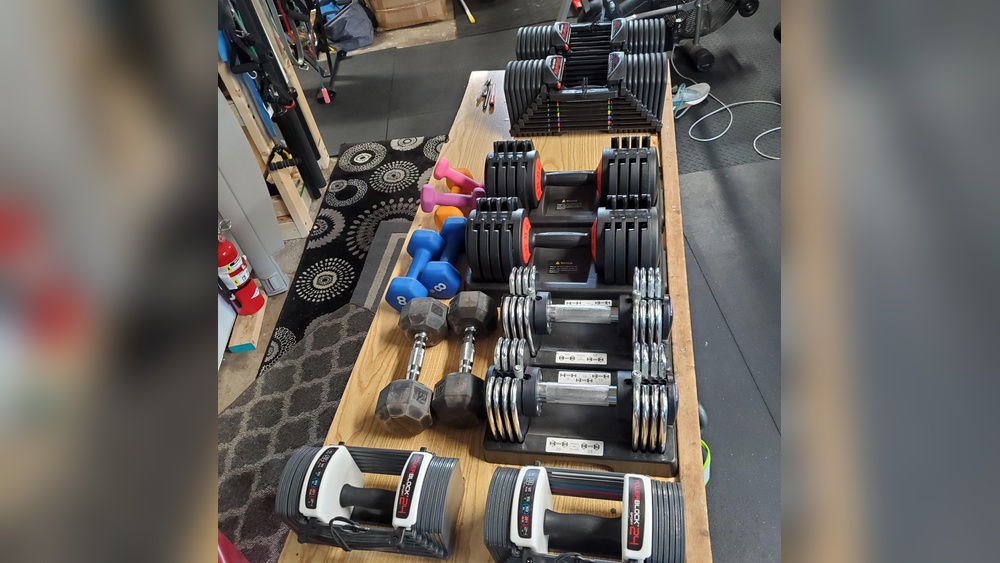
Select dumbbells that match your strength level. Start with lighter weights to learn the movement. You can increase weight as you get comfortable. Choose dumbbells with a good grip surface to avoid slipping. Avoid weights that are too heavy to control safely.
Positioning Your Body
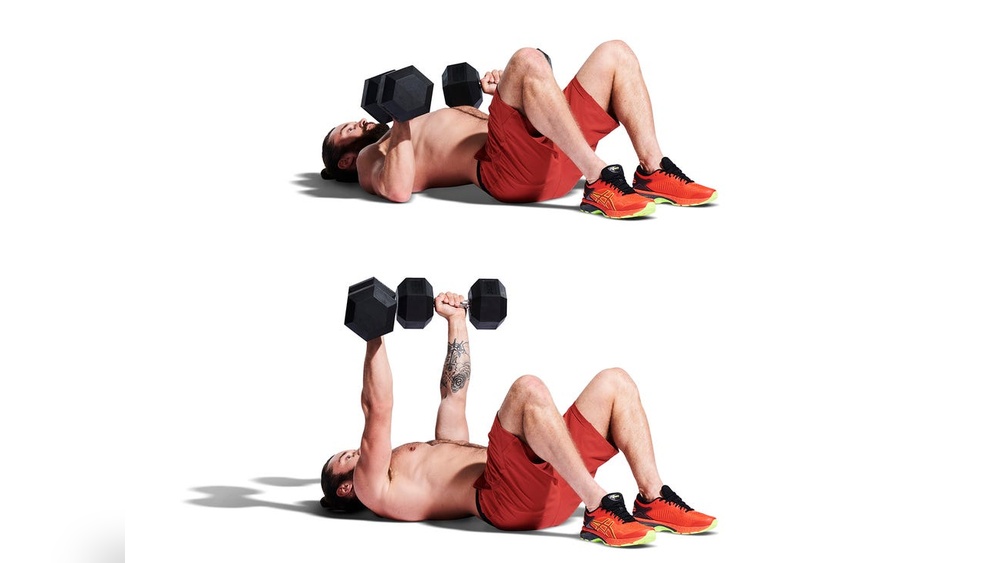
Lie flat on your back with knees bent and feet on the floor. Keep your back pressed gently into the ground. Hold the dumbbells close to your chest. Position your elbows at about a 45-degree angle from your body. This setup protects your shoulders and helps with control.
Proper Grip And Wrist Alignment
Grip the dumbbells firmly but not too tight. Your palms should face each other or slightly forward. Keep your wrists straight and aligned with your forearms. Avoid bending your wrists backward or forward. This alignment reduces strain and improves force during the press.
Step-by-step Floor Dumbbell Press
The floor dumbbell press is a simple and effective exercise. It targets your chest, shoulders, and triceps. Doing it on the floor limits your range of motion, which helps protect your shoulders. Follow these easy steps to perform the floor dumbbell press correctly and safely.
Starting Position
Lie flat on your back on the floor. Hold a dumbbell in each hand. Bend your knees and keep your feet flat on the ground. Raise the dumbbells above your chest with your arms fully extended. Keep your palms facing forward. Your elbows should be at about a 45-degree angle to your body.
Lowering The Dumbbells
Slowly lower the dumbbells toward your chest. Stop when your upper arms touch the floor. Keep your elbows slightly bent to avoid joint strain. Your wrists should stay straight and stable. Control the movement to avoid dropping the weights.
Pressing Upwards
Push the dumbbells back up to the starting position. Use your chest and arm muscles to press. Keep the motion smooth and steady. Don’t lock your elbows at the top. Maintain control throughout the lift.
Breathing Technique
Inhale deeply as you lower the dumbbells down. Exhale forcefully while pressing the dumbbells up. Proper breathing helps maintain strength and focus. It also supports safe and efficient movement.

Credit: fintechontheseas.com
Common Mistakes To Avoid
Performing the dumbbell bench press on the floor seems simple. Yet, many make common mistakes that reduce effectiveness and cause injury. Avoiding these errors helps you get better results and stay safe.
Focus on proper form. Pay attention to your elbows, range of motion, and wrists. Small changes improve the exercise a lot.
Elbow Flare Issues
Keep your elbows close to your body. Flaring them out too wide puts stress on your shoulders. This can cause pain or injury over time. Aim for about a 45-degree angle between your arms and torso.
Controlling elbow position helps target your chest muscles better. It also protects your joints during the press.
Inadequate Range Of Motion
Lower the dumbbells fully until your upper arms touch the floor. Stopping too high limits muscle activation. It reduces the workout’s effectiveness.
Complete range of motion helps build strength evenly. Avoid bouncing the weights off the floor. Move slowly and with control.
Poor Wrist Position
Keep your wrists straight and firm. Letting them bend backward or forward strains the joints. This can lead to pain and injury.
Grip the dumbbells tightly and align your wrists with your forearms. This improves control and safety during each rep.
Variations To Increase Challenge
Adding variations to the dumbbell bench press on the floor helps increase strength and muscle growth. These changes target muscles differently and keep your workout fresh. Try these variations to challenge yourself and improve your results.
Single-arm Floor Press
The single-arm floor press works one side of your chest at a time. It improves muscle balance and core stability. Hold one dumbbell and press it up while keeping the other arm resting. This variation also forces your body to stabilize more.
Pause Floor Press
In the pause floor press, stop for a moment at the bottom of the movement. Hold the dumbbells just above the floor before pressing up. This pause removes momentum and increases muscle tension. It helps build power and control in your chest and arms.
Floor Press With Bands
Using resistance bands adds extra tension during the press. Attach bands to the dumbbells or your body. Bands increase resistance as you press up, making the exercise harder at the top. This variation boosts strength and muscle activation.

Credit: liftmanual.com
Comparing Floor Press To Bench Press
The floor press and the bench press are popular exercises for chest and arm strength. Both use dumbbells or barbells but differ in setup and movement. Understanding their differences helps choose the best exercise for your workout.
Range Of Motion Differences
The bench press allows the arms to move fully down below chest level. This longer range stretches the chest muscles more. The floor press limits how low the elbows go. The floor blocks the arms from going deeper. This shorter motion reduces shoulder strain but limits muscle stretch.
Muscle Activation Variations
The bench press activates the chest, shoulders, and triceps strongly. The full arm movement engages more muscle fibers. The floor press focuses more on the triceps and front shoulders. The limited motion reduces chest involvement. It targets the lockout strength at the top of the lift.
Suitability For Different Goals
The bench press suits building overall chest size and strength. Its full range helps muscle growth and power. The floor press works well for improving triceps strength and reducing shoulder pain. It fits lifters who want safer pressing or focus on lockout power.
Incorporating Floor Press Into Workouts
The floor press is a simple yet effective exercise that fits many workout routines. It uses dumbbells and limits the range of motion by pressing while lying on the floor. This makes it a good choice for different fitness levels and goals.
Adding the floor press to your workouts can help target the chest, shoulders, and triceps. It also provides a safe way to lift heavy weights without a spotter. The exercise is easy to learn and does not need special equipment.
Building Strength And Size
The floor press focuses on the upper part of the bench press motion. This helps build strength where the arms are almost fully extended. It is effective for increasing muscle size in the chest and triceps.
Because the floor limits elbow movement, it reduces stress on the shoulders. This allows for heavier weights and more reps over time. Use slow and controlled movements to maximize muscle tension and growth.
Rehabilitation And Injury Prevention
The floor press reduces shoulder strain, making it good for rehab. It helps strengthen muscles without overextending the joints. This reduces the risk of injuries during pressing movements.
It can be part of recovery programs after shoulder or chest injuries. The controlled range of motion supports safe progress. It also helps improve joint stability and muscle balance.
Programming Tips
Start with light weights to learn proper form. Gradually increase the load as you get stronger. Include 3 to 4 sets with 8 to 12 reps for muscle growth.
Use the floor press alongside other pressing exercises for balanced development. Rest 60 to 90 seconds between sets to maintain strength. Track your progress and adjust weights to keep improving.

Credit: www.youtube.com
Frequently Asked Questions
Can You Bench Press Dumbbells On The Floor Safely?
Yes, you can safely perform dumbbell bench presses on the floor. It limits your range of motion and protects your shoulders. Use moderate weights to maintain control and avoid injury. Always ensure proper form and a stable grip.
What Are The Benefits Of Floor Dumbbell Bench Press?
Floor dumbbell bench pressing reduces shoulder strain and improves tricep activation. It also helps build upper chest and shoulder stability. This variation is great for beginners and those with limited bench access.
How Does Floor Bench Press Differ From Regular Bench Press?
Floor bench press limits the elbow’s range of motion compared to a regular bench press. It reduces shoulder stress by stopping the dumbbells at the floor. This makes it safer but may engage muscles differently.
Is Floor Dumbbell Bench Press Effective For Muscle Growth?
Yes, floor dumbbell bench press effectively builds upper body muscles. It targets the chest, triceps, and shoulders. The limited range of motion can increase muscle tension, promoting growth. Consistent training yields good strength gains.
Conclusion
Dumbbell bench pressing on the floor works well for many people. It limits the range of motion and protects your shoulders. You can still build chest and arm strength safely. It suits those without a bench or with limited space.
Keep your form tight and start with light weights. Gradually increase weight as you feel stronger. This simple exercise fits well into home workouts. Try it and see how your body responds. Small changes can bring good results over time.
Stay consistent and listen to your body’s signals.