
Are you wondering if dumbbells alone can help you get ripped? Maybe you think you need a full gym setup or fancy machines to build serious muscle.
The truth is, your dumbbells could be all you need to transform your body. Imagine getting stronger, leaner, and more defined without stepping foot in a crowded gym. You’ll discover how to use dumbbells effectively to sculpt the physique you want.
Keep reading, because the answer might surprise you—and it could change the way you train forever.
Benefits Of Dumbbell Training
Dumbbell training offers many benefits for building muscle and strength. It suits beginners and experienced lifters alike. Using dumbbells helps develop balanced muscles and improves overall fitness. This type of training also fits well into busy schedules and small spaces.
Versatility And Range Of Motion
Dumbbells allow a wide variety of exercises. You can target almost every muscle group with them. Their design lets your arms move freely and naturally. This full range of motion helps muscles grow evenly. It also reduces the risk of injury during workouts.
Improved Muscle Symmetry
Dumbbells work each side of the body independently. This helps fix muscle imbalances that machines might miss. Balanced muscles improve posture and reduce pain. Training with dumbbells builds strength evenly on both sides.
Convenience And Accessibility
Dumbbells are easy to use at home or in a gym. They take up little space and store quickly. You don’t need a lot of equipment to start. This makes dumbbell training simple and affordable. You can exercise anytime without waiting for machines.
Key Principles For Muscle Growth
Building muscle with dumbbells is possible by following key principles. These principles help your muscles grow stronger and bigger. They guide your workouts and recovery for better results.
Understanding these basics makes your training more effective. Focus on the right steps to see steady progress. Muscle growth needs effort and smart planning.
Progressive Overload
Muscles grow when they face increasing challenges. Progressive overload means adding weight or reps over time. Dumbbells let you increase weight in small steps. This gradual increase forces muscles to adapt and grow. Without overload, muscles stay the same size.
Proper Form And Technique
Good form protects your body from injury. It also targets muscles correctly. Using dumbbells with poor form reduces workout quality. Learn the right way to lift and move. Focus on slow, controlled motions. This helps muscles work better and grow faster.
Consistency And Recovery
Regular workouts build muscle steadily. Skipping sessions slows progress. At the same time, rest days are important. Muscles need time to repair and grow. Balance training days with recovery days. Sleep and nutrition also support muscle repair.
Essential Dumbbell Exercises
Dumbbells are a simple and effective tool for building muscle. You can work many muscle groups with just a pair of dumbbells. These exercises target key areas to help you get ripped. Focus on form and control for the best results.
Chest: Dumbbell Bench Press
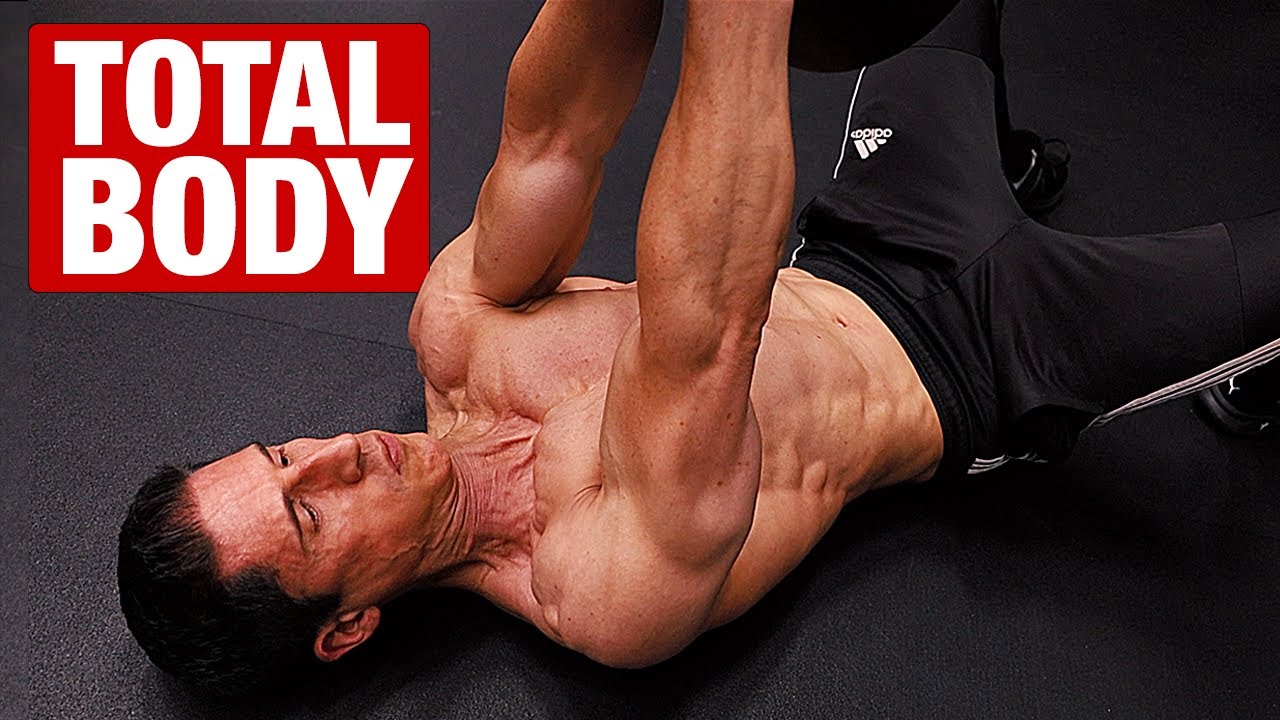
The dumbbell bench press builds your chest muscles. Lie on a bench or the floor with a dumbbell in each hand. Push the weights up and bring them down slowly. This exercise also works your shoulders and triceps.
Back: One-arm Row
The one-arm row strengthens your back. Place one knee and hand on a bench. Hold a dumbbell in the other hand and pull it toward your waist. Lower it slowly. This move helps improve posture and back strength.
Shoulders: Dumbbell Shoulder Press
The dumbbell shoulder press targets your shoulder muscles. Sit or stand with a dumbbell in each hand at shoulder height. Press the weights overhead. Lower them back carefully. This exercise also engages your upper chest and arms.
Arms: Bicep Curls And Tricep Extensions
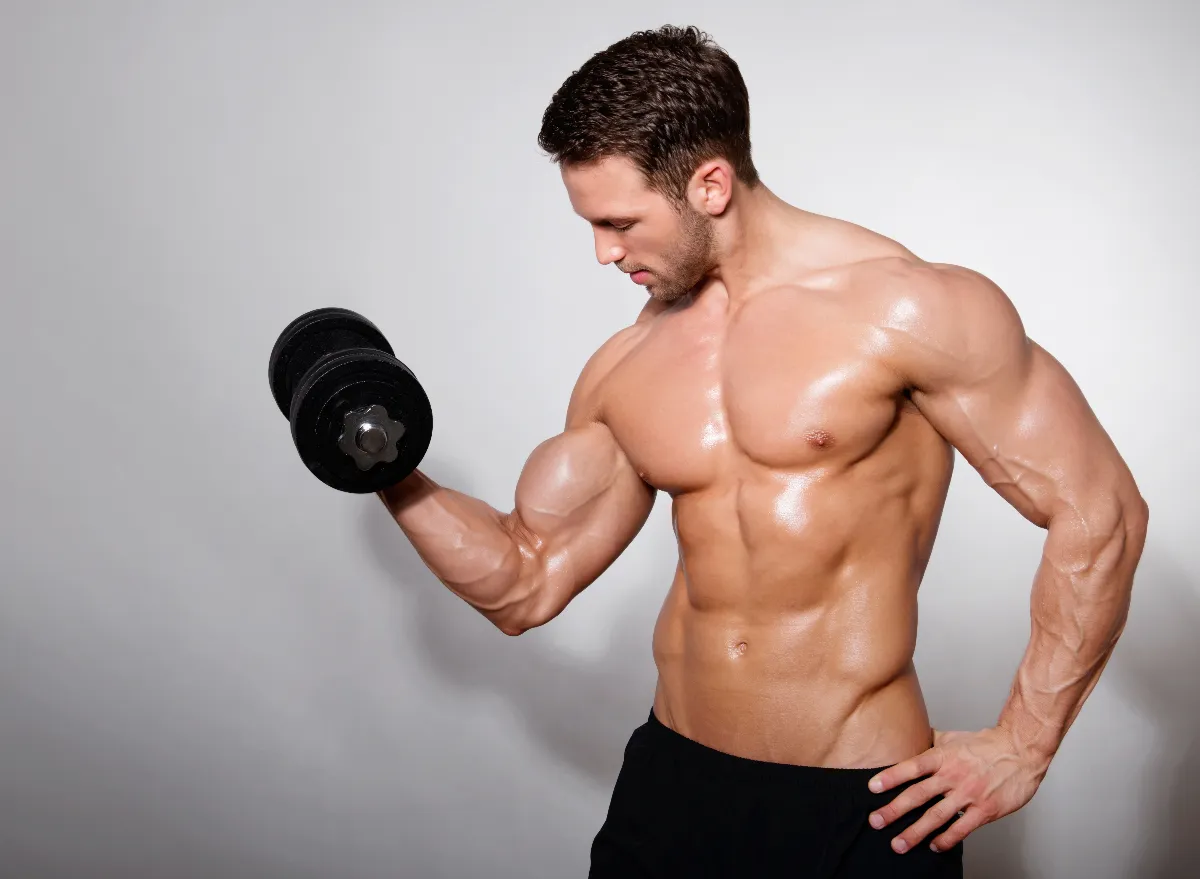
Bicep curls work the front of your arms. Hold dumbbells with palms facing up. Curl the weights toward your shoulders. Tricep extensions focus on the back of your arms. Hold one dumbbell with both hands overhead. Lower it behind your head, then lift it back up.
Legs: Goblet Squats And Lunges
Goblet squats build your legs and core. Hold a dumbbell close to your chest. Squat down, keeping your back straight. Lunges target your thighs and glutes. Hold dumbbells at your sides. Step forward and bend your knees, then push back to start.

Credit: www.youtube.com
Structuring Your Dumbbell Workout
Structuring your dumbbell workout is key to building muscle and getting ripped. A clear plan helps you stay focused and track progress. It also ensures you target all muscle groups effectively. Choose the right routine and set goals for each session. Adjust sets, reps, and rest to match your fitness level. Mixing workout styles keeps your muscles challenged and growing.
Full-body Vs Split Routines
Full-body workouts hit all major muscles in one session. They work well for beginners or busy schedules. You train each muscle group multiple times per week. Split routines divide workouts by muscle groups. For example, chest and triceps one day, legs another. This allows more focus and volume on each muscle. Choose full-body for balanced growth and fat loss. Pick split routines for advanced strength and size gains.
Sets, Reps, And Rest Periods
Sets and reps determine workout intensity. Aim for 3-4 sets of 8-12 reps for muscle growth. Use heavier weights with fewer reps to build strength. Rest time between sets affects workout pace. Short rests (30-60 seconds) increase muscle fatigue. Longer rests (1-2 minutes) help with heavier lifts. Adjust rest based on your goals and fitness. Track progress by increasing reps or weight over time.
Incorporating Supersets And Drop Sets
Supersets combine two exercises back-to-back without rest. They save time and boost workout intensity. Pair exercises for opposing muscles, like biceps and triceps. Drop sets start heavy and reduce weight after fatigue. This pushes muscles beyond normal limits. Both techniques increase muscle endurance and growth. Use them occasionally to break plateaus and add variety.
Nutrition For Muscle Building
Nutrition plays a key role in building muscle with dumbbells. Proper food intake helps muscles grow and recover faster. Eating the right nutrients supports strength and size gains. Muscle building needs more than just exercise. Your diet must match your fitness goals.
Calorie Surplus And Protein Intake
Eating more calories than you burn creates a calorie surplus. This extra energy helps build muscle mass. Focus on whole foods like rice, potatoes, and lean meats. Protein is the building block of muscles. Aim for about 1.6 to 2.2 grams of protein per kilogram of body weight daily. Sources include chicken, fish, eggs, and beans. Spread protein intake evenly across meals for better absorption.
Hydration And Supplement Options
Water supports muscle function and recovery. Drink at least 8 cups of water daily. Staying hydrated improves workout performance. Some supplements can help, but they are not magic. Whey protein powder helps meet protein needs easily. Creatine may improve strength and muscle size. Always choose supplements from trusted brands. Use supplements to support, not replace, a balanced diet.
Credit: www.eatthis.com
Common Mistakes To Avoid
Getting ripped with dumbbells is possible, but many people make mistakes that slow progress. Avoiding common errors helps you train smarter and stay injury-free. Pay attention to these key points to get the best results from your workouts.
Using Too Light Or Too Heavy Weights
Choosing the right weight is crucial. Too light weights do not challenge your muscles enough. This limits muscle growth and strength gains. Too heavy weights cause poor form and increase injury risk. Find a weight that is hard but lets you keep good form.
Neglecting Warm-up And Cool-down
Skipping warm-up can lead to muscle strains and joint pain. Warm-up increases blood flow and prepares muscles for exercise. Cool-down helps your body recover and reduces soreness. Include light stretching and low-intensity movements before and after workouts.
Ignoring Rest And Recovery
Muscles need time to repair and grow. Training every day without breaks can cause fatigue and injury. Schedule rest days and get enough sleep. Proper recovery improves strength and helps you stay consistent with workouts.
Tracking Progress And Staying Motivated
Tracking progress and staying motivated are key to getting ripped with dumbbells. Without clear signs of improvement, it is easy to lose interest. Regularly checking your results helps keep focus and drive. Motivation rises when you see real changes in strength and muscle. Here are some ways to track your progress and maintain motivation.
Measuring Strength Gains
Keep a workout log to record weights and reps. Note the dumbbell weight used for each exercise. Track the number of repetitions completed at that weight. Increase weights gradually as your strength improves. Seeing numbers grow over time proves your hard work pays off.
Setting Realistic Goals
Set clear, achievable goals for your dumbbell workouts. Break large goals into smaller milestones. For example, aim to lift a certain weight or complete specific reps. Realistic goals prevent frustration and encourage steady progress. Celebrate small wins to boost confidence and motivation.
Maintaining Consistency
Stick to a regular workout schedule. Consistency is crucial for muscle growth and strength. Plan workouts on specific days to build a routine. Avoid skipping sessions without good reason. Consistent effort, even with small weights, leads to big results over time.
Credit: learn.athleanx.com
Frequently Asked Questions
Can Dumbbells Help Build Muscle Fast?
Yes, dumbbells effectively build muscle by targeting specific muscle groups. They allow progressive overload, essential for muscle growth and strength gains.
How Often Should I Train With Dumbbells?
Train with dumbbells 3-4 times weekly. Allow rest days for muscle recovery and growth. Consistency is key to getting ripped.
Can Dumbbells Replace Gym Machines Completely?
Dumbbells can replace many gym machines by providing versatile, full-body workouts. However, machines may target muscles differently and offer added safety.
What Dumbbell Weight Is Best For Beginners?
Beginners should start with light to moderate weights, around 5-15 pounds. Gradually increase weight as strength and form improve.
Conclusion
Dumbbells can help build muscle and get you ripped. You control the weight and move in many ways. Consistency and effort matter most for results. Combine dumbbell workouts with good food and rest. Small steps add up to big changes over time.
Stay patient and keep pushing your limits. Stronger muscles are possible with simple tools. Just start today and keep going forward.


