Are you wondering if dumbbells alone can help you get strong? You might think that without big machines or a gym membership, building real muscle isn’t possible.
But what if the secret to getting stronger is already in your hands? This article will show you how dumbbells can be powerful tools for strength, no matter your fitness level. Keep reading, and discover how to transform your workouts and reach your strength goals faster than you imagined.
Benefits Of Dumbbell Training
Dumbbell training offers many benefits for building strength. It allows you to work different muscles with ease. Dumbbells help improve your fitness in simple and effective ways.
Using dumbbells can make your workouts more flexible and balanced. They also fit well into busy schedules and small spaces. Let’s explore the key benefits of dumbbell training.
Versatility And Range Of Motion
Dumbbells let you perform many types of exercises. You can target almost any muscle group. They allow a full range of motion for joints. This helps improve flexibility and muscle growth. You can easily change weights to match your strength level. Dumbbells suit both beginners and advanced lifters.
Muscle Balance And Coordination
Dumbbells require both arms to work independently. This builds muscle balance and symmetry. They help fix strength differences between sides. Using dumbbells also improves coordination and control. Your stabilizer muscles get stronger with each workout. This leads to better overall body control.
Convenience And Accessibility
Dumbbells are easy to store and use at home. They do not need large spaces or expensive machines. You can workout anytime without waiting for equipment. Dumbbells are portable, allowing exercise anywhere. This makes staying consistent with training simpler. They provide a practical solution for strength training.

Credit: www.youtube.com
Key Dumbbell Exercises For Strength
Dumbbells are simple tools that build real strength. They work many muscles at once. Using them helps improve balance and coordination. This section shows key dumbbell exercises. These moves target upper body, lower body, and core muscles. Try them to see strength grow fast.
Upper Body Moves
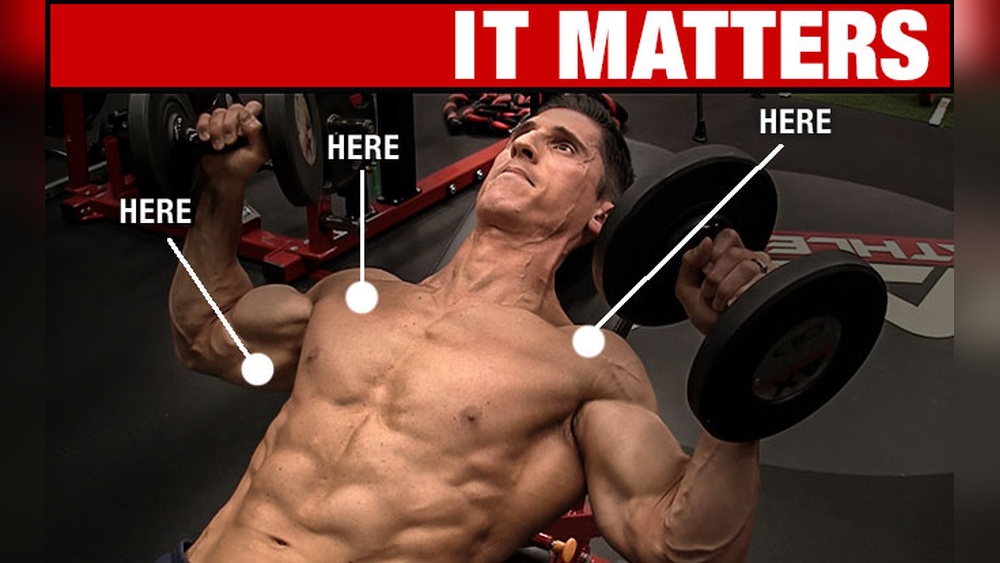
Dumbbells make your arms, shoulders, and chest stronger. Try the dumbbell bench press to work your chest. It also helps your triceps and shoulders.
Another great move is the dumbbell row. It builds your back and biceps. This exercise improves posture and arm strength.
Don’t miss the shoulder press. It targets shoulder muscles and triceps. This move adds power to your upper body.
Lower Body Moves
Dumbbells also build strong legs and hips. The goblet squat is a top choice. Hold a dumbbell close to your chest and squat. It works your quads, glutes, and hamstrings.
Try the dumbbell lunge to build balance and leg strength. Step forward holding dumbbells, then lower your body. This move tones legs and hips.
Deadlifts with dumbbells strengthen your hamstrings and lower back. Keep your back straight and lift the weights slowly.
Core Strength Builders
Strong core muscles support the whole body. Dumbbell Russian twists help improve your obliques. Sit on the floor, hold one dumbbell, and twist side to side.
The dumbbell side bend targets your waist muscles. Stand straight holding one dumbbell, then bend sideways slowly.
Try dumbbell woodchoppers for dynamic core strength. Move a dumbbell diagonally across your body with control.
Building Strength With Progressive Overload
Building strength with dumbbells depends on a key principle called progressive overload. This means making your muscles work harder over time. Your body adapts to the challenge you give it. To grow stronger, you must increase the difficulty step by step. This approach helps avoid plateaus and keeps your workouts effective.
Progressive overload can be done in several ways. You can add more weight, do more reps, or track your progress carefully. Each method pushes your muscles to improve. Consistency is important to see real strength gains.
Increasing Weight
Lifting heavier dumbbells is the most direct way to build strength. Start with a weight you can control well. Slowly add small amounts of weight over weeks. This forces your muscles to adapt and grow. Avoid jumping to heavy weights too fast. It can cause injury and slow progress.
Adjusting Reps And Sets
Another way to overload muscles is by changing reps and sets. Doing more reps with the same weight increases endurance and strength. Adding extra sets raises the total work done by muscles. You can also reduce rest time between sets. This keeps muscles under tension longer, helping them grow stronger.
Tracking Progress
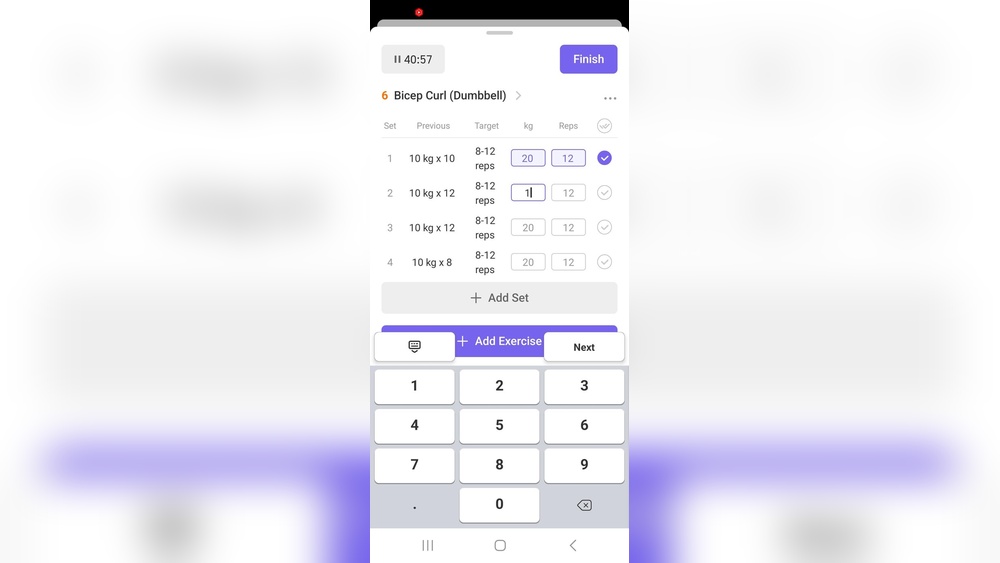
Keep a workout log to track weights, reps, and sets. Write down how much you lift and how many times you do it. This helps you see if your strength is improving. Tracking progress shows what works and what needs change. It keeps you motivated and focused on your goals.

Credit: www.menshealth.com
Designing A Dumbbell Strength Routine
Designing a dumbbell strength routine helps build muscle and improve fitness. It needs clear planning and balance. Choosing the right workout style, rest time, and frequency matters. This guide explains how to create a simple and effective dumbbell routine.
Focus on exercises that target different muscle groups. Adjust your plan based on your goals and fitness level. Consistency is key to getting stronger with dumbbells.
Full-body Vs Split Workouts
Full-body workouts train all major muscles in one session. They save time and boost overall strength. Beginners often find full-body routines easier to follow. Split workouts divide muscle groups into separate days. This allows more focus on each area. Advanced lifters use splits to increase volume and recovery. Choose full-body for general fitness and splits for targeted growth.
Rest And Recovery
Rest is crucial for muscle repair and growth. Muscles need time to recover after heavy lifting. Avoid working the same muscle group two days in a row. Sleep and nutrition also support recovery. Overtraining can cause injury and slow progress. Plan rest days and listen to your body’s signals.
Frequency And Duration
Train with dumbbells three to five times per week. Each session should last 30 to 60 minutes. Keep workouts intense but manageable. Short sessions with good form give better results. Adjust frequency based on your energy and recovery. Regular training helps build strength steadily.
Common Mistakes And How To Avoid Them
Using dumbbells can build strength effectively. Yet, common mistakes often block progress or cause injury. Avoiding these errors helps you train safely and see better results. Here are key mistakes to watch for and ways to prevent them.
Poor Form Risks
Bad form leads to injury and weakens gains. It stresses joints and muscles wrong. Focus on slow, controlled movements. Use a mirror or record yourself. Correct posture protects your body and boosts strength.
Overtraining Signs
Training too hard causes fatigue and soreness. Your muscles need time to recover. Watch for constant tiredness or pain. Rest days improve muscle growth and prevent injury. Balance workouts with recovery for steady progress.
Neglecting Warm-ups
Skipping warm-ups raises injury risk. Warm muscles move better and lift safely. Start with light exercises or stretches. Spend five to ten minutes warming up. It prepares your body for strength training.

Credit: www.youtube.com
Nutrition Tips To Support Strength Gains
Eating the right foods helps build strength faster with dumbbells. Your muscles need fuel to grow and repair. Good nutrition supports your workouts and keeps energy high. Small changes in diet can make a big difference in strength gains.
Focus on balanced meals with enough protein, water, and nutrients. These tips help your body recover and grow stronger after each workout.
Protein Intake
Protein repairs and builds muscle tissue. Aim for lean sources like chicken, fish, eggs, and beans. Try to eat protein with every meal. This keeps muscles fueled and helps them grow. A good target is about 1.2 to 2 grams per kilogram of body weight daily.
Hydration Importance
Water is vital for muscle function and recovery. Dehydration lowers strength and slows healing. Drink water before, during, and after exercise. Carry a water bottle to stay hydrated all day. Proper hydration improves energy and workout quality.
Supplement Suggestions
Some supplements can support strength gains. Creatine helps improve muscle power and size. Whey protein is a quick source of high-quality protein. Always choose trusted brands. Supplements should complement, not replace, real food.
Tracking Strength Progress With Dumbbells
Tracking strength progress with dumbbells is key to building muscle and getting stronger. It helps you see how much you improve over time. Watching your progress keeps you motivated and focused. Without tracking, you might miss small gains or plateau without knowing. Simple methods can make a big difference in your workouts. These tools guide you to adjust weights and reps wisely.
Performance Journals
Writing down your workouts is an easy way to track progress. Note the weight, reps, and sets for each exercise. Track how you feel during and after workouts too. This helps spot patterns and areas for improvement. Journals keep your goals clear and show progress in black and white.
Using Technology
Apps and fitness trackers can simplify tracking. They help record exercises, weights, and reps automatically. Some apps provide charts and reminders for workouts. Technology can give feedback on your form and rest times. Using digital tools saves time and adds structure to your routine.
Setting Realistic Goals
Goals keep your workouts focused and purposeful. Start with small, clear targets like adding one dumbbell weight every two weeks. Realistic goals prevent frustration and help maintain steady progress. Adjust goals based on your progress and how your body feels. This approach builds strength safely and steadily.
Frequently Asked Questions
Can Dumbbells Build Significant Muscle Strength?
Yes, dumbbells effectively build muscle strength by targeting specific muscles. They allow varied exercises, promoting muscle growth and endurance.
How Often Should I Train With Dumbbells For Strength?
Train with dumbbells 3 to 4 times per week. Consistency and progressive overload are key for building strength.
Are Dumbbells Better Than Machines For Strength Gains?
Dumbbells improve strength and stability by engaging more muscles. They offer functional movement benefits over machines.
What Dumbbell Weight Is Best For Beginners?
Start with light to moderate weights that allow 8-12 reps. Gradually increase weight as strength improves to avoid injury.
Conclusion
Dumbbells help build strength effectively at home or gym. They work many muscles with simple, varied exercises. Regular use improves muscle size, tone, and endurance. You can increase weight gradually to stay challenged. Small sets fit any schedule and space.
Strength gains come with patience and consistency. No fancy equipment needed to get strong. Just focus on form and steady progress. Dumbbells offer a flexible, easy way to grow stronger. Give them a try and see results yourself.