
Can you pick a bike lock? It’s a question that might surprise you, but knowing the answer could save your bike or keep it safe.
Whether you want to understand how locks work or just satisfy your curiosity, this article will guide you through the basics. You’ll learn what makes a lock strong, how easy or hard it is to pick, and what that means for your bike’s security.
Keep reading—you might discover something that changes the way you protect your bike forever.
Types Of Bike Locks
Choosing the right bike lock is important for keeping your bike safe. Different locks offer different levels of protection. Knowing the types helps you pick one that fits your needs. Each lock type has strengths and weaknesses. Understanding these can save your bike from theft.
Cable Locks
Cable locks use a long, flexible steel cable covered in plastic. They are light and easy to carry. These locks work well for quick stops in low-risk areas. However, cables can be cut with basic tools. They offer less security compared to other locks.
U-locks
U-locks are shaped like a letter “U” and made of solid metal. They provide strong protection against cutting and prying. These locks are heavier but very hard to break. Ideal for high-risk areas where bike theft is common. Use with a secure frame and a fixed object.
Chain Locks
Chain locks consist of thick metal links covered by fabric or plastic. They are flexible and can secure your bike to many objects. Chains vary in strength based on link thickness and material. Heavy chains offer high security but can be bulky. Perfect for long-term parking in risky locations.
Folding Locks
Folding locks fold into a compact shape for easy carrying. Made from metal plates connected by rivets, they balance security and portability. These locks resist cutting and leverage attacks better than cables. Suitable for riders who want strong protection without heavy weight. Easy to attach to the bike frame when not in use.

Credit: thebestbikelock.com
Basic Lock Picking Tools
Basic lock picking tools are small devices used to open locks without keys. These tools work by manipulating the lock’s pins inside the mechanism. Understanding these tools helps explain how locks can be picked. Each tool has a specific job to make lock picking easier.
Tension Wrenches
Tension wrenches apply pressure inside the lock cylinder. This pressure holds pins in place while other tools move them. Without a tension wrench, pins would not stay set. It looks like a small, flat piece of metal bent at an angle. Using it correctly is key to picking a lock.
Pick Tools
Pick tools are thin metal pieces with different tips. They lift and push the pins inside the lock. Some picks have sharp points, others have hooks. They help feel the pins and move them one by one. Good pick tools fit easily inside the lock.
Rake Picks
Rake picks have multiple ridges or bumps on their edges. They work by quickly sliding across pins to move them all. This method is faster but less precise than single-pin picking. Rake picks are useful for beginners learning to pick locks. They help find the right pins to set faster.
Simple Picking Techniques
Simple picking techniques help you understand basic bike lock opening. These methods focus on feeling the lock’s pins and using tools carefully. Anyone can learn these skills with some practice and patience. Below are three common techniques to try.
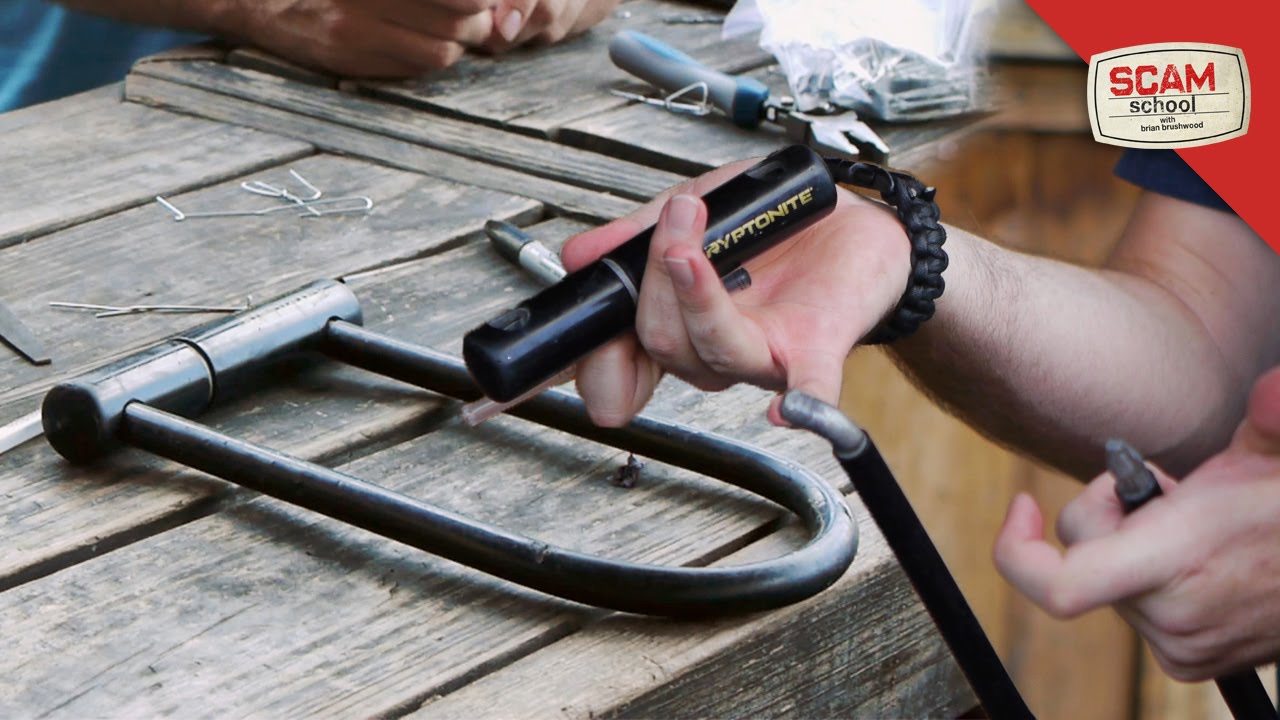
Single Pin Picking
Single pin picking means lifting one pin at a time inside the lock. You use a small pick and a tension wrench. The goal is to set each pin to the right height. Feel the pins move and listen for clicks. It takes time but gives good control over the lock.
Raking Method
Raking moves the pick back and forth quickly over the pins. This method does not focus on one pin. It shakes many pins at once to find the right positions. Raking works faster but needs a light touch. It is useful for beginners learning to feel the lock.
Applying Tension
Applying tension means turning the lock slightly with a wrench. This creates pressure on the pins inside. The right tension helps the pins stay in place when picked. Too much or too little tension can stop progress. Practice helps find the perfect amount for each lock.
Credit: www.youtube.com
Advanced Picking Strategies
Advanced picking strategies go beyond basic lock picking. These methods help to open more complex bike locks. They require patience, skill, and the right tools. Understanding these techniques can improve your ability to handle tough locks.
Bypassing Common Mechanisms
Some bike locks have common weak points. These weak points include shims and slip mechanisms. Bypassing means avoiding the pins and opening the lock directly. This method saves time and effort. It works best on older or cheaper locks.
Using Shim Tools
Shim tools are thin pieces of metal or plastic. They slide between the lock body and the shackle. The shim pushes the locking mechanism aside. This allows the shackle to open without picking pins. Practice is needed to use shims smoothly and safely.
Decoding The Lock
Decoding means figuring out the lock’s internal settings. This technique involves feeling the pins or tumblers inside the lock. By understanding their positions, you can set the lock to open. Decoding helps with combination locks and some key locks.
Legal And Ethical Considerations
Understanding the legal and ethical side of picking a bike lock is important. This knowledge helps avoid trouble with the law and respects others’ property. Bike lock picking is not just a skill; it carries responsibility.
Knowing when it is allowed to pick a bike lock can save you from serious issues. The law has clear rules about this activity.
When Picking Is Allowed
Picking a bike lock is legal only in certain situations. For example, if it is your own lock and you lost the key. Also, with the owner’s permission, it is okay to pick the lock. Some people learn lock picking for educational purposes or locksmith training. Always ensure your actions are lawful and authorized.
Risks Of Illegal Picking
Picking a lock without permission is illegal and can lead to penalties. Police may charge you with theft or vandalism. Even trying to pick a lock can cause damage to the bike or lock. This damage may result in costly repairs or replacements. Being caught can also harm your reputation and future opportunities.
Responsible Practice
Practice lock picking responsibly and ethically. Use this skill only for legal and helpful reasons. Always seek permission before attempting to pick any lock. Consider learning from licensed locksmiths or authorized courses. Respect the property and rights of others at all times. This approach builds trust and keeps you safe.
Preventing Lock Picking
Preventing lock picking is key to keeping your bike safe. Thieves often use simple tools to pick weak locks. Protecting your bike starts with strong choices and good habits.
Choosing High-security Locks
Select locks made with tough materials and complex mechanisms. Look for locks with anti-pick features. Disc locks and U-locks usually offer better protection. Avoid cheap cable locks that are easy to cut or pick.
Adding Secondary Protection
Use more than one lock type to confuse thieves. Combine a U-lock with a heavy-duty chain or cable. Lock the frame and wheels to a fixed object. This extra step makes theft much harder.
Lock Maintenance Tips
Keep your lock clean and dry to avoid rust. Lubricate the keyhole regularly with graphite powder. Check for damage or wear and replace if needed. A well-maintained lock works smoothly and resists picking better.

Credit: thebestbikelock.com
Frequently Asked Questions
Can Anyone Pick A Bike Lock Easily?
Not all bike locks are easy to pick. Simple locks can be vulnerable, but high-quality locks offer strong security. Skill and proper tools are needed to pick most locks. Using a sturdy lock reduces the risk of theft significantly.
How Long Does It Take To Pick A Bike Lock?
The time varies depending on the lock type and picker’s skill. Basic locks may take seconds to minutes to pick. Advanced locks can take hours or may be impossible to pick without specialized tools.
Are Bike Locks Pick-proof?
No lock is completely pick-proof, but some are highly resistant. High-security locks use complex mechanisms that make picking extremely difficult. Investing in a quality lock greatly improves bike protection.
What Tools Are Used To Pick Bike Locks?
Common tools include lock picks, tension wrenches, and bump keys. Specialized tools vary depending on lock design. Without proper tools and knowledge, picking a lock is very challenging.
Conclusion
Picking a bike lock takes time and practice. Not all locks are easy to open. Some locks use strong materials and smart designs. Knowing how locks work helps you understand security better. Always choose a good lock for your bike.
Stay careful and protect your ride. Remember, no lock is completely foolproof. Being aware and prepared matters most. Keep your bike safe with smart choices.


