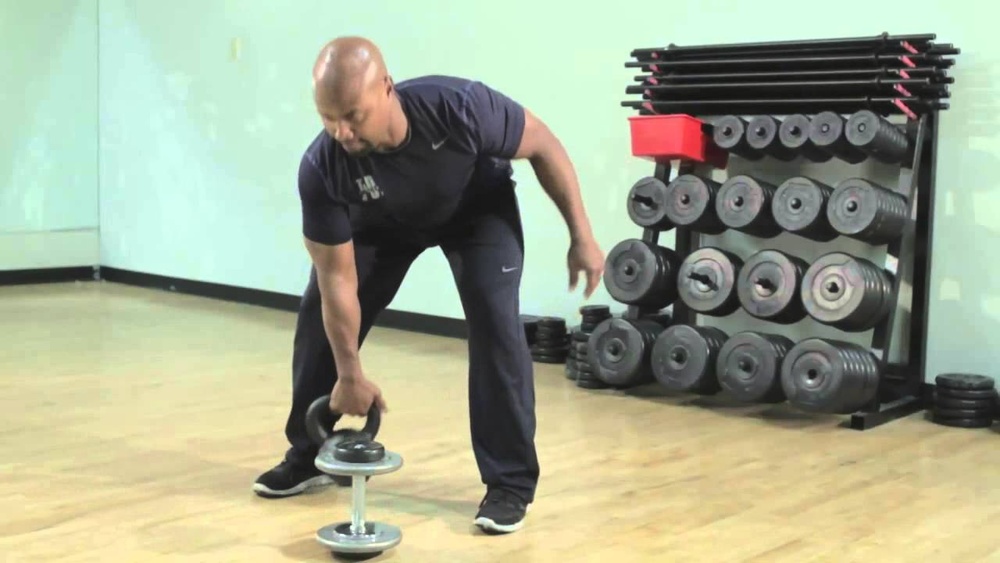
Are you wondering if you can replace a kettlebell with a dumbbell in your workouts? If you don’t have a kettlebell at home or want to switch things up, this question is important.
Both tools look similar but work in different ways. Choosing the right one can make a big difference in your results and safety. Keep reading to find out how these two compare, when you can swap one for the other, and what to watch out for.
Your workout routine might change for the better!
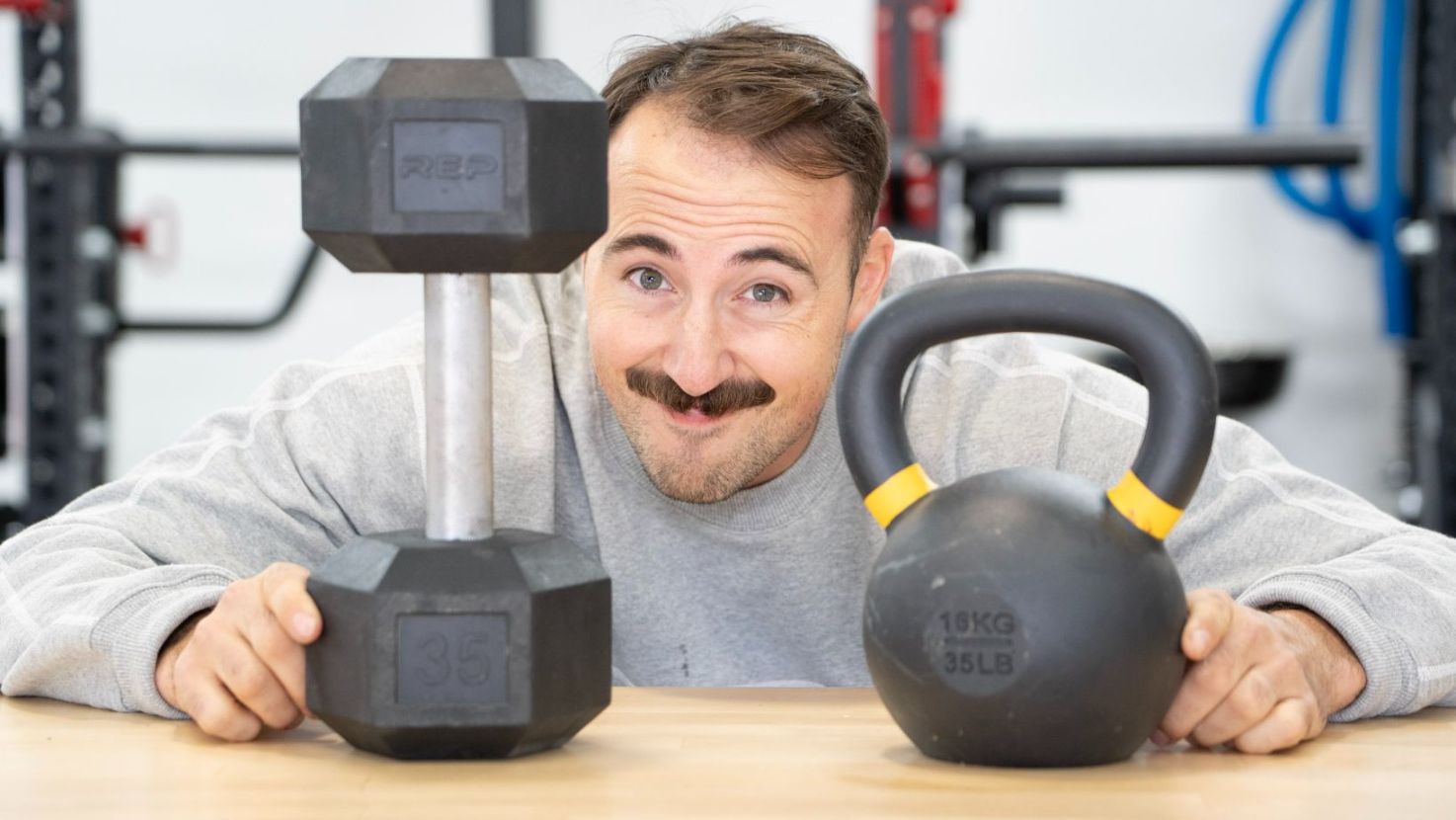
Credit: www.garagegymreviews.com
Differences Between Kettlebells And Dumbbells
Kettlebells and dumbbells often serve similar purposes in workouts. Both tools help build strength and improve fitness. Still, they have clear differences that affect how you use them. Understanding these differences helps you decide if you can swap one for the other.
Design And Shape
Kettlebells have a round ball shape with a handle on top. Dumbbells look like short bars with weights on both ends. This unique shape of kettlebells allows for swinging and fluid movements. Dumbbells suit more controlled, steady lifts. Their designs create different exercise experiences.
Weight Distribution
Kettlebells have uneven weight distribution. The weight hangs below the handle, creating momentum during swings. Dumbbells have balanced weight on each side. This balance makes dumbbells easier to hold steady. The difference changes how muscles work during exercises.
Grip And Handle
Kettlebell handles are thicker and wider. This shape allows a firm, two-handed grip. Dumbbells have thinner, straight handles designed for one hand. Kettlebell grips let you perform dynamic moves like swings and snatches. Dumbbells fit well for presses and curls.
Range Of Motion
Kettlebells encourage full-body, flowing movements. Their shape lets you swing and rotate your arms freely. Dumbbells limit motion to more controlled, linear paths. This impacts the type of exercises and muscles targeted. Each tool offers unique movement possibilities.
Benefits Of Using Kettlebells
Kettlebells offer unique benefits that differ from other weights. They help build strength and improve fitness in practical ways. Their design supports dynamic and natural body movements. This makes kettlebell training effective for many fitness goals.
Functional Strength
Kettlebells train muscles to work together. This improves everyday movements and body control. The swinging and lifting mimic real-life actions. It helps build strength that applies outside the gym. This type of strength is useful for lifting, carrying, and bending.
Cardio And Conditioning
Kettlebell exercises boost heart rate quickly. They combine strength and cardio in one workout. This improves endurance and burns calories fast. Short sessions with kettlebells increase stamina effectively. It’s a time-saving way to get fit.
Improved Coordination
Kettlebell moves require balance and timing. This trains the brain and body to work better together. Exercises often use one arm or leg at a time. This helps improve coordination and stability. It also reduces the risk of injury in daily life.
Versatile Movements
Kettlebells allow many different exercises. You can swing, press, squat, and lift with one tool. This variety targets many muscle groups at once. It keeps workouts interesting and challenging. The compact size makes them easy to use anywhere.
Advantages Of Dumbbells
Dumbbells offer many benefits for strength training and fitness routines. They are common in gyms and homes. Their design helps users perform many exercises effectively. Dumbbells suit beginners and advanced lifters alike. They bring flexibility and ease to workouts.
Accessibility And Availability
Dumbbells are easy to find worldwide. Most fitness stores and online shops sell them. Many gyms have a wide range of dumbbell weights. You can start training quickly without special orders. This makes dumbbells a practical choice for many people.
Ease Of Use
Dumbbells have a simple design. This makes them easy to hold and control. Exercises with dumbbells feel natural and safe. Beginners can learn proper form faster. The grip supports smooth movement during workouts.
Progressive Overload
Dumbbells come in many weight options. You can increase weights gradually as strength grows. This steady increase helps build muscle and endurance. Progressive overload is key to effective training. Dumbbells make it easy to follow this principle.
Variety Of Exercises
Dumbbells allow many exercise types. You can work different muscle groups easily. They support both strength and cardio workouts. From curls to presses, the options are vast. This variety keeps workouts fresh and effective.
Credit: www.youtube.com
Exercises That Work With Both
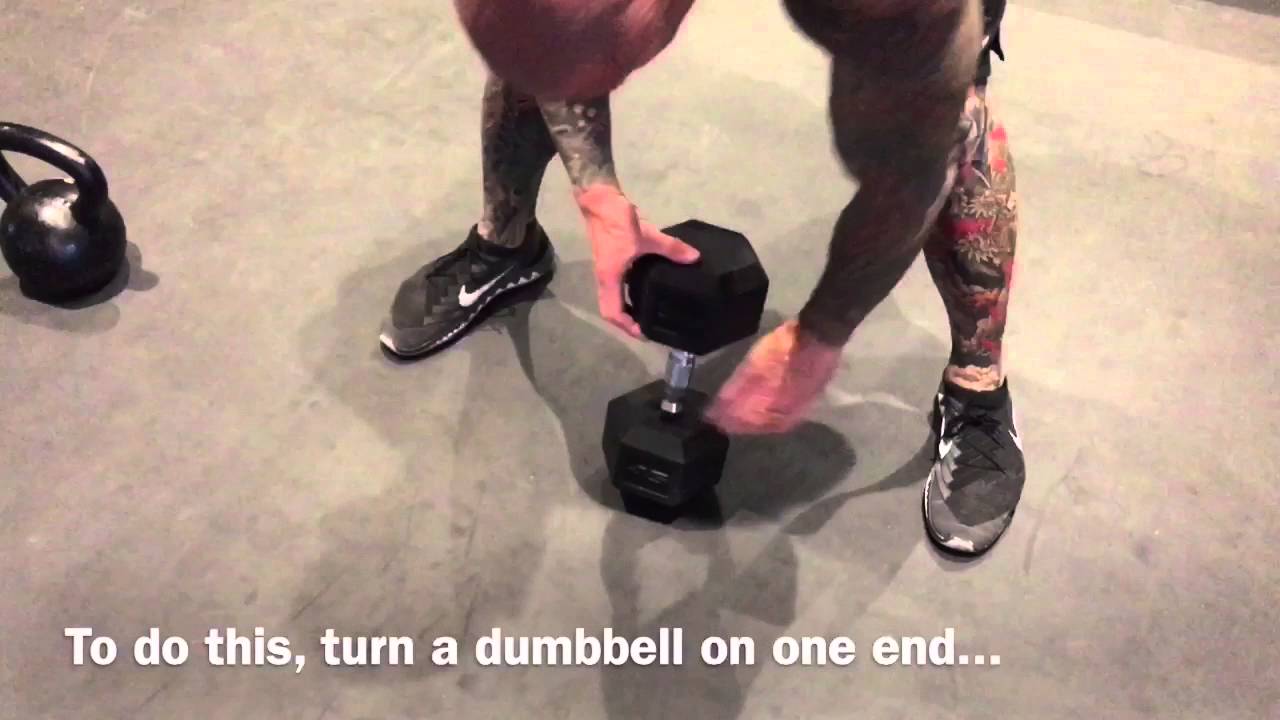
Many exercises work well with both kettlebells and dumbbells. These tools target similar muscles and offer good variety. Swapping one for the other keeps workouts fresh and effective. You can train strength, endurance, and balance with either.
Some moves fit both tools perfectly. Their shape or grip may change, but the core movement stays the same. Here are key exercises you can do with kettlebells or dumbbells.
Swings And Snatches
Swings build power and endurance in hips and legs. Both kettlebells and dumbbells can be swung. The kettlebell handle makes swinging easier but dumbbells work fine too. Snatches are fast lifts that improve shoulder strength. Dumbbells offer more grip options for snatches. Both tools activate core muscles and improve coordination.
Presses And Rows
Presses strengthen shoulders and arms. Dumbbells allow a natural wrist position during presses. Kettlebells add grip challenge with their offset weight. Rows target the back muscles. Both tools provide good resistance for rows. Switching between kettlebells and dumbbells balances muscle engagement. Each tool offers a slightly different feel.
Squats And Lunges
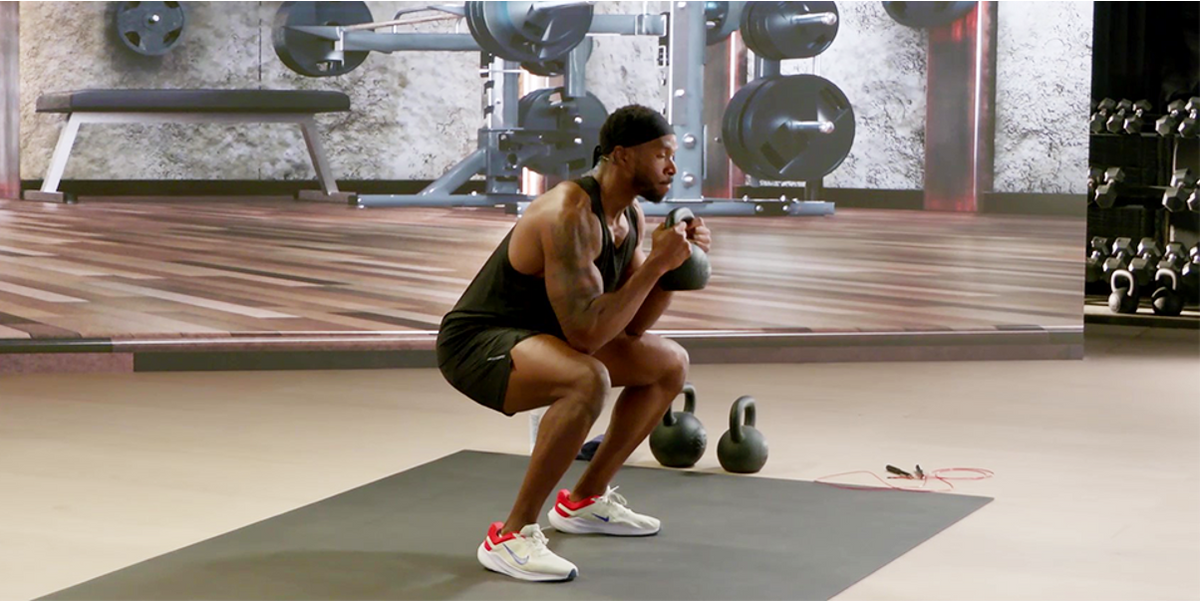
Squats and lunges work legs and glutes. Hold kettlebells or dumbbells at your sides or chest. Both tools add weight to increase difficulty. Dumbbells fit easily in each hand for balanced load. Kettlebells challenge your grip and stability more. Both improve lower body strength and balance.
Deadlifts And Cleans
Deadlifts build strong hips, legs, and back. Both kettlebells and dumbbells can be lifted from the ground. The kettlebell handle helps with grip and swing motion. Cleans lift the weight to shoulder level quickly. Dumbbells allow smooth clean movements with less wrist strain. Both tools develop power and coordination effectively.
Limitations Of Replacing Kettlebells With Dumbbells
Replacing kettlebells with dumbbells seems easy but has clear limits. These tools feel different in your hands. Each one works your body in unique ways. Understanding these limits helps you train better and avoid injury.
Swing Mechanics
Kettlebell swings use a smooth, circular motion. The weight moves around your body. Dumbbells don’t swing as freely. Their shape makes the motion harder to control. This changes the exercise’s impact on muscles and joints.
Ballistic Movements
Kettlebells allow fast, explosive moves like snatches and cleans. Their handle and shape support these actions. Dumbbells are harder to move quickly in these ways. This limits their use for dynamic training.
Grip Challenges
Kettlebell handles are thick and smooth. This challenges your grip differently than dumbbells. Dumbbells have thinner, straight handles. They don’t strengthen your grip as much. Grip fatigue can occur sooner with dumbbells.
Weight Distribution Differences
Kettlebells have uneven weight distribution. The center of mass is away from the handle. This makes your muscles work harder to control the movement. Dumbbells have balanced weight on each side. This changes how your muscles engage during exercises.
When To Choose Dumbbells Over Kettlebells
Choosing between dumbbells and kettlebells depends on several factors. Each tool offers unique benefits for different workout needs. Understanding when dumbbells are a better fit helps you build a safer and more effective routine.
Space Constraints
Dumbbells need less space than kettlebells. They stack easily on racks or shelves. Small workout areas benefit from dumbbells because they stay organized. Kettlebells, with their larger handles, require more room to store and use.
Budget Considerations
Dumbbells often cost less than kettlebells. Buying a pair of dumbbells can be cheaper than one kettlebell of the same weight. They also come in adjustable sets, saving money and space. For tight budgets, dumbbells offer more options.
Specific Training Goals
Dumbbells suit many types of exercises. They work well for isolated muscle training. Kettlebells focus more on swings and dynamic moves. Use dumbbells for strength training, curls, or presses. They fit better for controlled, steady workouts.
Injury Prevention
Dumbbells allow more control during exercises. Their even weight distribution reduces strain on joints. Beginners often find dumbbells safer to handle. Kettlebells require technique to avoid injury. Choose dumbbells to protect your body and build confidence.
Tips For Effective Dumbbell Substitutions
Replacing a kettlebell with a dumbbell can be effective with some simple tips. The key is to adjust your approach to maintain workout benefits. Small changes in how you use the dumbbell can make a big difference.
Focus on technique, range of motion, and control. These factors help you mimic kettlebell exercises closely. Using extra equipment can also enhance your workouts.
Adjusting Technique
Dumbbells do not swing like kettlebells. Use a firm grip and keep movements smooth. Focus on controlled lifts rather than dynamic swings. Keep your wrist stable to avoid strain. Adapt your posture to match the exercise’s demands.
Modifying Range Of Motion
Kettlebell exercises often use a wider range of motion. With dumbbells, reduce the range slightly. Avoid overextending joints to prevent injury. Move weights through a controlled but smaller path. This adjustment keeps muscles engaged without losing form.
Using Tempo And Control
Slow down your movements to increase muscle work. Use a steady tempo instead of fast swings. Control the dumbbell on both lifting and lowering phases. This method builds strength and improves stability. Breathing steadily helps maintain rhythm and focus.
Incorporating Additional Equipment
Use resistance bands to add tension and mimic kettlebell swings. Medicine balls can provide dynamic movement options. A weighted vest adds extra load without changing your grip. These tools enhance your workout variety and effectiveness.
Building A Balanced Home Gym
Building a balanced home gym helps you stay fit and motivated. It creates space to train different muscles. A good setup fits your goals and budget. Choosing the right tools makes workouts effective and fun.
Understanding which equipment works best helps you build strength safely. Dumbbells and kettlebells are popular choices. Both offer unique benefits and can complement each other well.
Essential Equipment Choices
Select equipment that targets multiple muscle groups. Dumbbells allow many exercises, from curls to presses. Kettlebells add dynamic moves, like swings and snatches. Pick weights that match your strength level. Start with lighter options and increase gradually.
Combining Dumbbells And Kettlebells
Use dumbbells for controlled, steady movements. Kettlebells focus on power and momentum. Mixing both enhances strength and coordination. Switch between them to keep workouts fresh. This variety helps avoid boredom and plateaus.
Maximizing Workout Variety
Change exercises often to challenge your body. Dumbbells suit slow, precise lifts. Kettlebells work well for fast, explosive moves. Add bodyweight exercises for balance and flexibility. A diverse routine improves overall fitness and burns more calories.
Maintenance And Safety
Keep equipment clean and dry to last longer. Check for cracks or loose parts regularly. Use proper form to prevent injuries. Warm up before lifting weights. Store items safely to avoid accidents at home.
Credit: www.soletreadmills.com
Frequently Asked Questions
Can Dumbbells Fully Replace Kettlebells In Workouts?
Dumbbells can replace kettlebells for many exercises but lack the unique swing and grip benefits. Kettlebells engage stabilizing muscles differently due to their shape and handle. For dynamic, ballistic movements, kettlebells are often preferred. However, dumbbells offer versatility and accessibility for strength training.
Are Dumbbells As Effective As Kettlebells For Fat Loss?
Both dumbbells and kettlebells can aid fat loss through resistance training. Kettlebell workouts often combine cardio and strength, boosting calorie burn. Dumbbells provide more exercise variety, targeting muscles precisely. Effectiveness depends on workout intensity, duration, and consistency rather than the equipment alone.
What Exercises Work Better With Kettlebells Than Dumbbells?
Swings, Turkish get-ups, and snatches are more effective with kettlebells. Their offset center of gravity improves grip and core engagement. Dumbbells can mimic some moves but lack the fluid motion kettlebells provide. Kettlebells are ideal for explosive, full-body, and functional training exercises.
Can Beginners Use Dumbbells Instead Of Kettlebells Safely?
Yes, beginners can start with dumbbells as they are easier to control. Dumbbells allow gradual progression and reduce injury risk. Kettlebells require more technique and coordination, so beginners should learn proper form first. Starting with dumbbells builds strength and confidence before trying kettlebell workouts.
Conclusion
Choosing between a kettlebell and a dumbbell depends on your workout goals. Both tools build strength and improve fitness. Kettlebells offer unique swinging movements for power and coordination. Dumbbells provide more variety in exercises and easier weight adjustments. You can use either to stay active and healthy.
Try both and see which feels best for you. Remember, consistency matters most in any exercise plan. Keep moving, stay strong, and enjoy your fitness journey.


