Have you ever wondered if the bike dry lube sitting in your garage can fix a stubborn auto lock? You’re not alone.
Many people look for quick, affordable solutions to keep their car locks working smoothly. But is bike dry lube really the right choice for your auto locks? Before you reach for that bottle, it’s important to know what’s safe and effective.
Keep reading to find out if using bike dry lube on your auto locks is a smart move or a costly mistake. Your car—and your peace of mind—depend on it.
Bike Dry Lube Basics
Understanding the basics of bike dry lube helps clarify its uses and limits. This lubricant is popular among cyclists for its special qualities. It keeps bike chains smooth and clean without attracting dirt. Knowing what it is and how it works is key to deciding if it suits other uses, like auto locks.
What Is Bike Dry Lube
Bike dry lube is a type of lubricant made for bike chains. It goes on wet but dries to a thin, dry layer. This dry layer reduces friction between moving parts. It also protects against rust and wear. Unlike wet lubes, it does not stay sticky or attract dust.
Key Ingredients And Properties
Dry lube contains oils mixed with solvents. The solvents evaporate quickly after application. This leaves a thin oil film that is dry to touch. The oil helps reduce friction and wear on metal parts. Dry lube is lightweight and stays clean longer than wet lubes.
Common Uses In Cycling
Cyclists use dry lube mainly on bike chains and derailleurs. It works best in dry and dusty conditions. The dry finish keeps dirt from sticking to the chain. This keeps the bike running smoothly for longer. Many riders prefer it for everyday riding and racing.
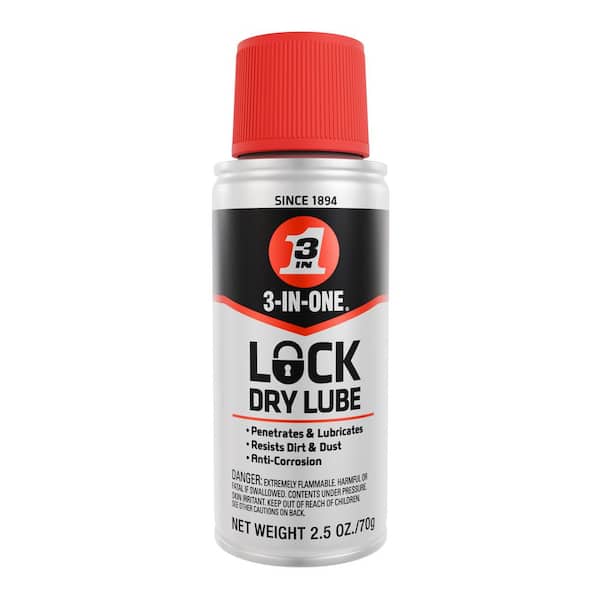
Credit: www.homedepot.com
Auto Locks And Their Needs
Auto locks play a key role in vehicle security. They protect your car from theft and unauthorized access. Locks must work smoothly every time you use them.
Proper care keeps locks from sticking or breaking. Dirt, dust, and moisture can harm lock parts. Using the right lubricant helps maintain lock function and extends its life.
Types Of Auto Locks
There are several types of auto locks. Mechanical locks use keys and tumblers. Electronic locks operate with buttons or remote controls. Some cars have smart locks with keyless entry.
Each lock type has different parts and needs. Mechanical locks need lubrication for metal parts. Electronic locks need protection against moisture and dirt.
Typical Lubricants For Auto Locks
Graphite powder is common for mechanical locks. It does not attract dust or dirt. Silicone spray lubricates parts without causing buildup. Some use oil-based lubricants but these can gum up over time.
For electronic locks, light silicone sprays or special electrical contact lubricants work best. These protect parts while keeping them moving freely.
Challenges In Lock Maintenance
Dirt and dust often clog lock mechanisms. Moisture can cause rust and corrosion. Using the wrong lubricant may cause parts to stick or attract debris.
Locks need regular cleaning and proper lubrication. Over-lubricating can cause buildup and damage. Choosing the right lubricant is important for long-lasting lock function.
Comparing Lubricants
Choosing the right lubricant for your bike or auto lock is important. Different lubricants serve different purposes. Understanding these differences helps you protect your locks better.
Let’s explore how bike dry lube compares to lock-specific lubricants. This will help you decide if using bike dry lube on auto locks is a good idea or not.
Differences Between Bike Lube And Lock Lube
Bike dry lube is made to reduce friction on bike chains. It often uses oils that dry quickly to avoid dirt build-up. Lock lube is designed to protect lock mechanisms from dust and rust. It usually stays wet longer to keep parts moving smoothly inside the lock.
Bike lube is thinner and less sticky than lock lube. Lock lube contains additives that prevent corrosion. These additives are often missing in bike lubes. The makeup of each lube affects how well it protects metal parts over time.
Pros And Cons Of Dry Lube On Locks
Dry lube can clean out dust from lock parts. It won’t attract dirt or grime as much as wet lube. This helps keep the lock cleaner. Dry lube also dries fast, so it won’t drip or make a mess.
But dry lube may not provide enough long-term protection. It might wear off quickly under heavy use. Locks need a lubricant that stays inside the mechanism. Dry lube may leave the lock vulnerable to rust or stiffness.
Potential Risks And Damage
Using bike dry lube on auto locks can cause problems. It may not protect against moisture and dirt well. This can lead to rust and lock failure over time. Dry lube might also dry out important parts inside the lock.
Locks need special lubricants to keep pins and springs working. Using the wrong lube can cause parts to stick or break. This may lead to costly repairs or replacement. Always use the right lubricant to keep locks safe and working.
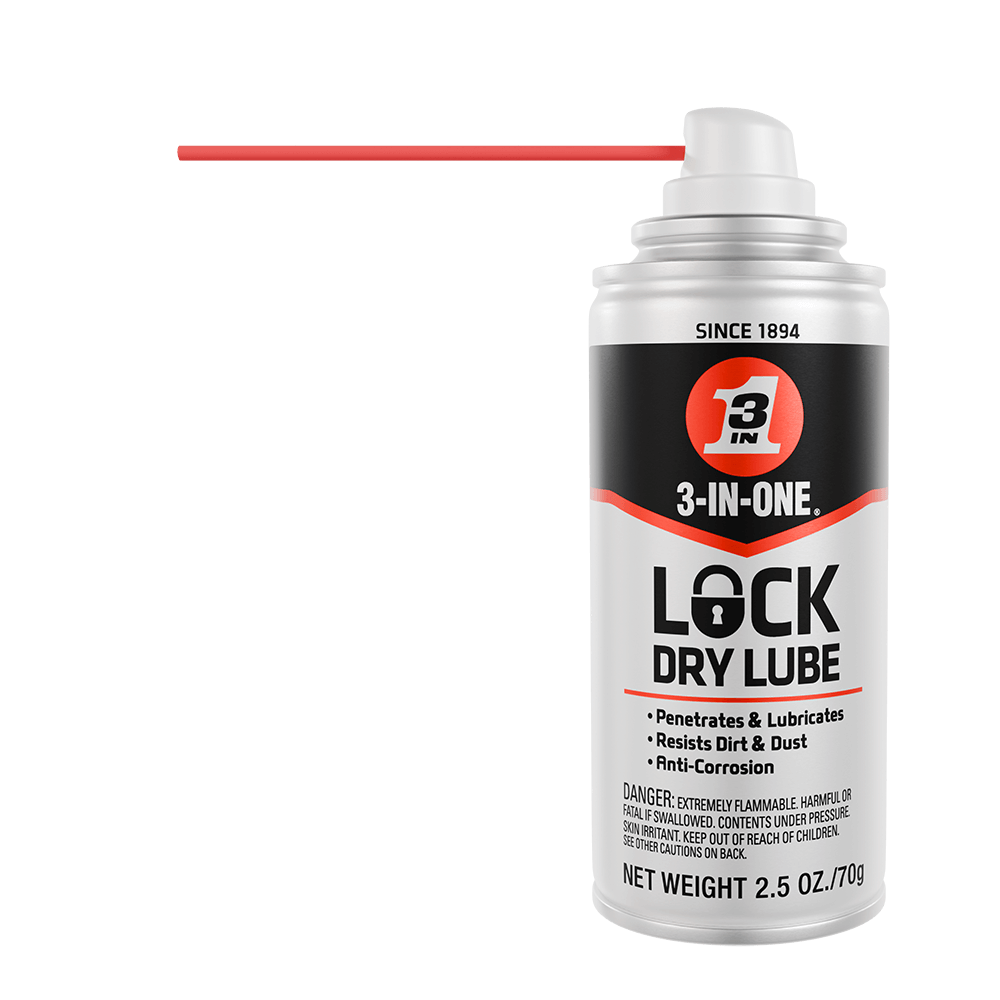
Credit: 3inone.com
Expert Opinions
Experts have shared their thoughts on using bike dry lube on auto locks. Their views help us understand if it works well or not. Different professionals give useful advice based on their experience.
Mechanics’ Insights
Mechanics say bike dry lube is not ideal for auto locks. It may not protect internal parts properly. Auto locks need lubricants that resist dirt and moisture. Dry lube can wear off quickly under pressure. Mechanics suggest using lock-specific lubricants for best results.
Locksmith Recommendations
Locksmiths often warn against using bike dry lube on locks. It might cause sticking or damage over time. They recommend graphite or silicone sprays instead. These options keep locks smooth without attracting dust. Locksmiths emphasize safety and long-term lock care.
User Experiences And Reviews
Some users tried bike dry lube on their car locks. A few saw short-term smoothness but faced issues later. Others reported lock jams or harder key turns. Many users prefer traditional lock lubricants for reliability. Reviews highlight the importance of choosing the right product.
Safe Alternatives
Using bike dry lube on auto locks is not ideal. It can cause sticky buildup or attract dust. Choosing safe alternatives keeps your locks working smoothly. Proper lubrication prevents wear and tear. It also stops rust and freezing in cold weather. Here are some safe options for your car locks.
Best Lubricants For Auto Locks
Graphite powder is a popular choice for auto locks. It does not attract dirt or dust. Silicone spray is another good option. It provides smooth movement without gumming up the lock. Avoid oil-based lubricants as they can trap debris. Use products designed for metal locks for best results.
Diy Lubrication Tips
Clean the lock before applying lubricant. Use a soft brush or compressed air to remove dirt. Apply lubricant sparingly to avoid excess buildup. Test the lock several times to spread the lubricant evenly. Wipe off any extra lubricant from the lock surface. This keeps your lock clean and functional.
Maintenance Frequency And Techniques
Lubricate your auto locks every six months. More often in dusty or wet conditions. Regular checks help spot problems early. Avoid forcing the key if the lock feels stiff. Gentle use extends lock life. Proper maintenance saves money on repairs later.
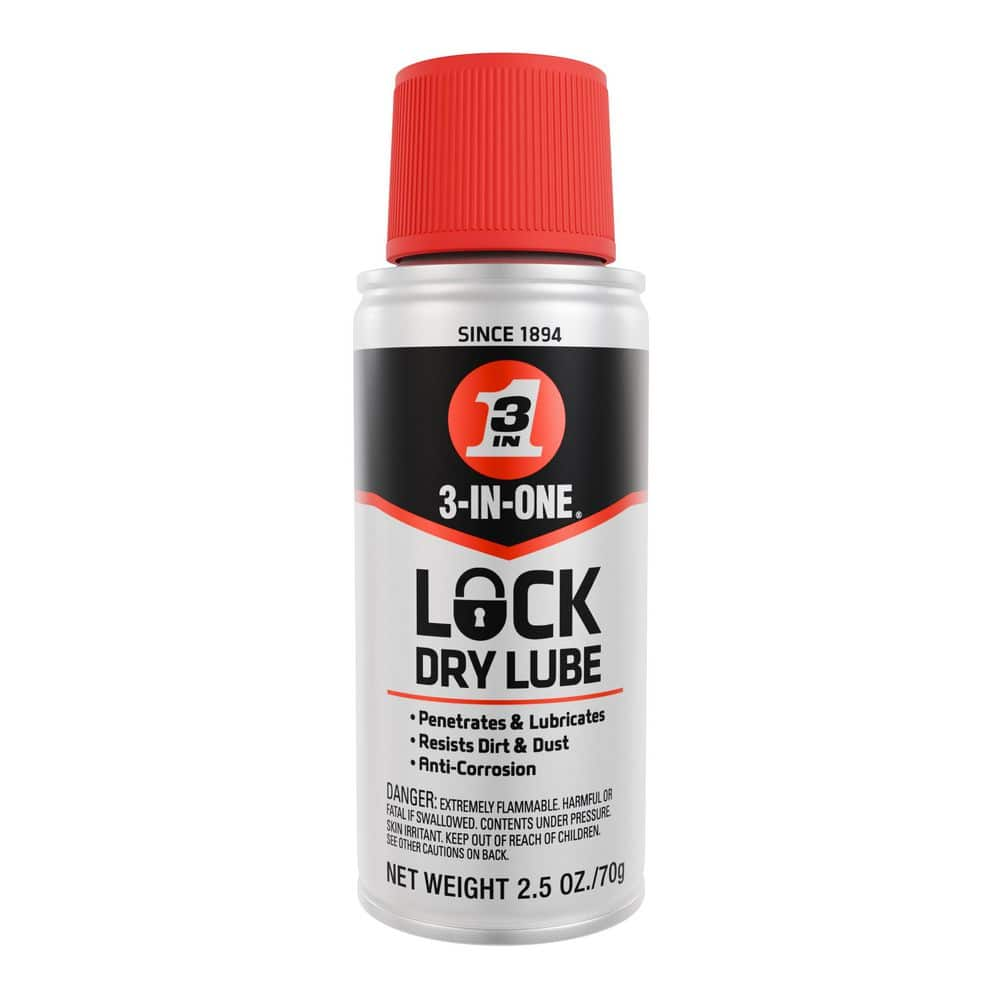
Credit: www.homedepot.com
How To Apply Bike Dry Lube On Locks
Applying bike dry lube on auto locks can help keep them working smoothly. The process is simple and takes only a few minutes. Follow these steps carefully to protect your lock from rust and dirt. Proper application ensures long-lasting performance.
Preparation Steps
Start by cleaning the lock surface. Use a dry cloth to remove dust and dirt. Avoid using water or oil-based cleaners. Make sure the lock is completely dry before applying the lube. Shake the dry lube bottle well to mix the ingredients. Prepare a small area to work on to avoid mess.
Application Process
Hold the lube nozzle close to the lock keyhole. Press the nozzle gently to apply a small amount inside. Avoid over-spraying to prevent buildup. Rotate the key in the lock several times to spread the lube. Apply a thin layer only; more is not better. Let the lube settle for a few minutes.
Post-application Care
Wipe off any excess lube around the lock. Check the lock function by turning the key smoothly. Repeat the process every few months for best results. Store the dry lube in a cool, dry place. Keep the lock clean to extend its life.
Frequently Asked Questions
Can Bike Dry Lube Be Used On Auto Locks?
Bike dry lube is designed for bike chains, not auto locks. It lacks the durability and protective properties needed for locks. Using it on auto locks may cause malfunction or attract dirt, leading to sticky or jammed locks. Use lock-specific lubricants instead.
What Lubricant Is Best For Auto Locks?
Graphite powder or silicone-based lubricants are best for auto locks. They prevent rust, reduce friction, and don’t attract dirt. Avoid oil-based lubes, as they can gum up the lock over time and cause poor performance.
Will Bike Dry Lube Damage Auto Locks?
Bike dry lube may not directly damage auto locks, but it can cause build-up. This build-up attracts dust and dirt, which clogs the lock mechanism. Over time, it may cause the lock to stick or fail to turn smoothly.
How Often Should Auto Locks Be Lubricated?
Auto locks should be lubricated every 6 to 12 months. Regular lubrication keeps the lock smooth and prevents corrosion. More frequent lubrication may be needed in harsh weather or dusty environments.
Conclusion
Bike dry lube can work on auto locks but with limits. It helps keep locks smooth and clean. Avoid using too much lube to stop dirt buildup. Regular lock maintenance is key for long life. Choose a lubricant made for locks if possible.
Simple care keeps your locks working well every day. Keep your bike dry lube handy, but use it wisely. Locks need the right kind of care to stay safe.