Are you new to boxing and wondering if boxing gloves come in small, medium, or large sizes? Choosing the right glove size can make a big difference in your comfort, safety, and performance.
If your gloves are too big or too small, you might risk injury or feel less confident in the ring. You’ll discover how to find the perfect glove size for your hands, what factors to consider, and why getting the right fit matters more than you might think.
Keep reading to make sure you pick gloves that feel just right for you.
Boxing Glove Sizes Explained
Boxing gloves come in different sizes to fit various hand shapes and purposes. Choosing the right size helps protect your hands and your opponent. It also affects how you train and fight.
Understanding glove sizes can be confusing. Sizes are not just small, medium, or large. There are other factors like weight and padding. Let’s break down the basics.
Common Size Categories
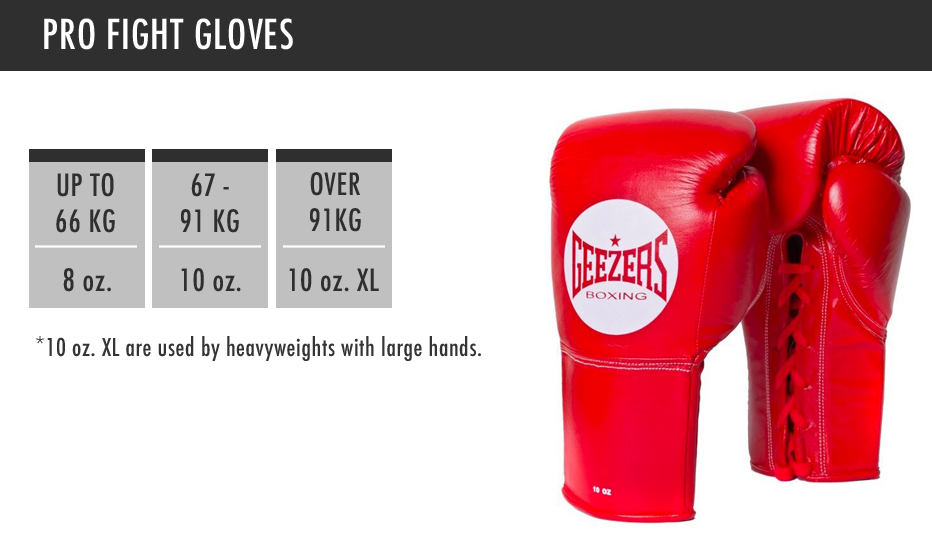
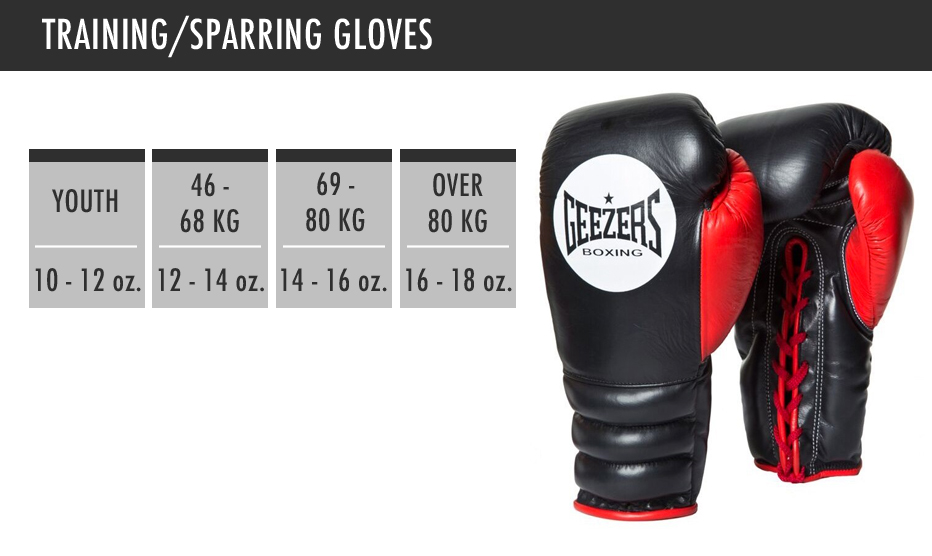
Boxing gloves usually come in small, medium, and large sizes. These sizes often relate to the glove’s weight in ounces. For example, small gloves can be 8 or 10 ounces. Medium gloves are often 12 or 14 ounces. Large gloves typically weigh 16 ounces or more.
Children and youth gloves are smaller, starting around 6 ounces. Adult gloves start at 8 ounces and go up. Different brands may label sizes differently. Always check the glove’s weight and dimensions before buying.
Weight Vs Size
Weight is the main way to measure boxing glove size. It shows how much padding is inside. Heavier gloves have more padding for better protection. Lighter gloves are less padded and feel faster.
Boxing gloves come in 8, 10, 12, 14, and 16 ounces most often. Each size suits different uses. Light gloves fit competition rules. Heavier gloves are for training and sparring. Weight affects your hand speed and impact.
How Size Affects Performance
Choosing the right glove size affects your punching power and speed. Smaller gloves feel lighter and allow faster punches. Larger gloves protect your hands better and reduce injury risk.
Heavier gloves slow your punches but build strength and endurance. Lighter gloves improve agility but offer less protection. Your skill level and training goals should guide your size choice.
Small Boxing Gloves
Small boxing gloves are designed for users who need lighter, compact gloves. They fit snugly on smaller hands and provide good control. These gloves are common among beginners and youth boxers. They help in learning proper technique without excess weight.
Who Should Use Small Gloves
Small gloves suit kids, teenagers, and adults with small hands. They are ideal for training and light sparring. Beginners often choose small gloves to get comfortable with boxing basics. Women with smaller hand sizes may also prefer these gloves for better fit.
Typical Weight Range
Small boxing gloves usually weigh between 8 and 10 ounces. This weight allows better speed and movement during practice. Lighter gloves cause less fatigue during longer sessions. They offer enough padding for safety without feeling bulky.
Advantages And Limitations
Small gloves improve hand speed and technique. They help build strength without heavy resistance. The compact size makes it easier to punch accurately. On the downside, small gloves provide less protection. They are not recommended for heavy sparring or fighting. Users must consider their training goals before choosing these gloves.
Medium Boxing Gloves
Medium boxing gloves fit most people. They offer a great mix of size and comfort. These gloves suit many types of training and users. They are not too big or too small. Medium gloves help boxers train safely and move well.
Ideal Users For Medium Gloves
Medium gloves suit teens and adults with average hand size. Beginners often choose them for training and sparring. These gloves work well for people who want balance in protection and speed. Many casual boxers prefer medium gloves for regular workouts.
Weight Options Available
Medium gloves come in several weight options. Common weights include 12, 14, and 16 ounces. Lighter gloves allow faster punches and less fatigue. Heavier gloves offer more padding and protection. Choosing the right weight depends on training type and user needs.
Balancing Protection And Agility
Medium gloves provide enough padding to protect your hands. They also keep your movements quick and smooth. This balance helps improve your boxing skills. Medium gloves reduce injury risk while allowing fast, agile punches. They are perfect for training and controlled sparring.
Large Boxing Gloves
Large boxing gloves provide extra padding and protection for your hands and your opponent. They cover more area, making punches softer and training safer. Many boxers choose large gloves for sparring or heavy bag work. These gloves also help build endurance and strength due to their weight.
Who Benefits From Large Gloves
Beginners often use large gloves to avoid injuries. Larger gloves protect hands from hard impacts. Trainers and coaches prefer large gloves for sparring sessions. They reduce the risk of cuts and bruises. Boxers with bigger hands find large gloves more comfortable. Also, people focusing on fitness boxing use them to increase workout intensity.
Common Weights And Sizes
Large gloves usually weigh between 14 to 18 ounces. The size depends on hand size and purpose. 16-ounce gloves are common for sparring. Heavy bag training often uses 14 or 16-ounce gloves. Some brands label gloves as large, but weight matters more. Choose gloves that fit snugly but allow movement.
Impact On Training And Sparring
Large gloves slow down punches, helping control during sparring. They protect both you and your partner from hard hits. Using heavier gloves builds arm and shoulder strength. They also improve your punching technique by forcing precise movements. Training with large gloves prepares you for competition gloves later.
Choosing The Right Size
Choosing the right size for your boxing gloves is important for comfort and safety. Gloves that fit well protect your hands and improve your performance. Too small or too large gloves can cause discomfort or injury. Follow these steps to find the perfect size for your needs.
Measuring Your Hand
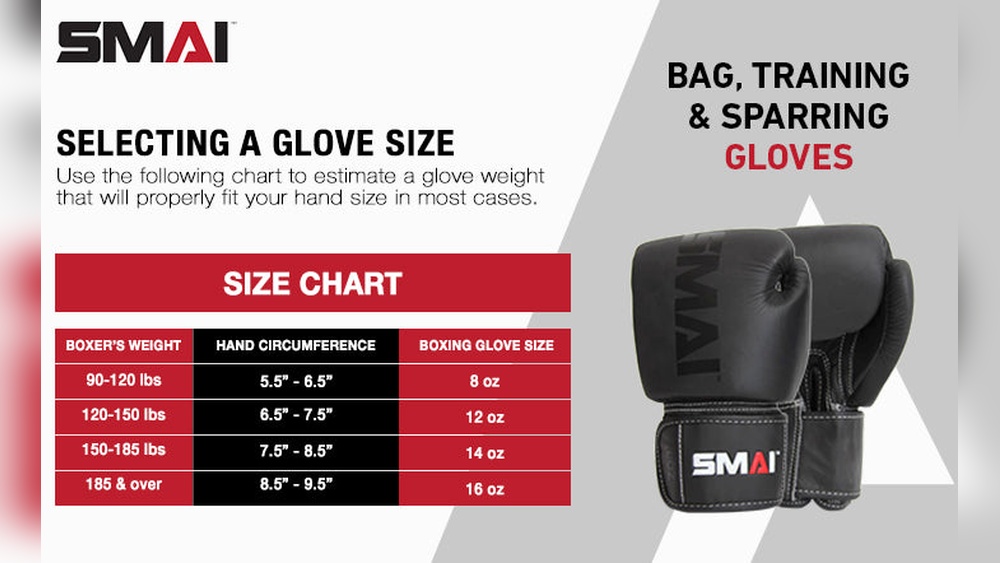
Start by measuring the circumference of your hand. Use a soft tape measure around the widest part of your palm, just below the knuckles. Do not include your thumb in the measurement. This number helps determine the glove size you need. Accurate measurement ensures a better fit and protection.
Considering Your Training Goals
Your training type affects the glove size choice. For bag work, heavier gloves offer more padding and protection. For sparring, gloves must fit snugly for control and safety. Choose gloves based on how you train to avoid injury and improve comfort.
Consulting Size Charts
Use size charts provided by glove brands. These charts match hand measurements to glove sizes like small, medium, or large. Each brand may differ slightly, so check the chart before buying. Follow the chart to pick gloves that fit your hand properly.
Credit: www.geezersboxing.co.uk
Tips For Proper Fit
Finding the right boxing glove size is important for safety and performance. Proper fit protects your hands and helps you punch better. Follow these tips to check if your gloves fit well.
Checking Comfort And Mobility
Put on the gloves and make a fist. Your fingers should move easily without tightness. Gloves that feel too loose or stiff can cause problems. Make sure your hand feels relaxed inside the glove.
Testing Glove Weight
Glove weight affects speed and protection. Try gloves of different weights to find what suits you. Heavier gloves offer more padding but may slow you down. Choose a weight that feels balanced and comfortable.
Adjusting Straps And Padding
Secure the straps firmly around your wrist. Straps help keep the glove stable during punches. Check if the padding covers your knuckles well. Adjust padding or straps until the glove feels snug but not tight.
Specialty Gloves And Sizes
Specialty boxing gloves come in different sizes and designs for specific users. These gloves fit differently than regular gloves. They consider unique needs like hand size, comfort, and protection. Choosing the right specialty glove improves performance and safety during training or competition.
Gloves For Kids
Kids need smaller gloves made for their hands. These gloves are lighter and softer. They help protect young hands from injury. Sizes usually range from 6 to 8 ounces. The padding is enough to absorb impact but still allows movement. Kids’ gloves also have adjustable straps for a secure fit.
Women’s Boxing Gloves
Women’s gloves are designed to fit smaller, narrower hands. They offer better wrist support and comfort. These gloves often weigh between 8 and 12 ounces. The shape and padding focus on the needs of female boxers. Women’s gloves also come in attractive colors and styles.
Custom And Brand Variations
Custom gloves allow fighters to choose size, weight, and design. Brands may use different materials and padding styles. Sizes can vary slightly between brands. Some gloves run large or small depending on the model. Trying on gloves or checking size charts helps find the best fit. Custom gloves provide a personalized feel and performance.
Credit: www.geezersboxing.co.uk
Credit: ashishmehtaastro.com
Frequently Asked Questions
Do Boxing Gloves Come In Small, Medium, Or Large Sizes?
Yes, boxing gloves are available in small, medium, and large sizes. They cater to different hand sizes and training needs.
How To Choose The Right Boxing Glove Size?
Measure your hand circumference and consider glove weight. Choose a size that fits comfortably with protection and mobility.
What Weight Corresponds To Small, Medium, And Large Gloves?
Small gloves are typically 8-10 oz, medium 12-14 oz, and large 16-18 oz. Weight affects protection and usage type.
Can Small Gloves Be Used For Heavy Bag Training?
Small gloves offer less padding. Medium or large gloves are better for heavy bag training to protect your hands.
Conclusion
Boxing gloves come in small, medium, and large sizes. Choosing the right size helps protect your hands and improves comfort. Small gloves fit better for youth or those with smaller hands. Medium gloves suit most average adult hand sizes. Large gloves offer extra padding and fit bigger hands.
Always try gloves on before buying to find the best fit. Proper fit helps you train safely and perform well. Remember, size matters for protection and comfort in boxing. Choose wisely for the best experience.