Are you struggling to build that upper chest definition you’ve been aiming for? You might be wondering if dumbbell flyes are the secret weapon you need.
This exercise is popular, but does it really target your upper chest the way you want? Understanding how dumbbell flyes work can change the way you train and help you get better results faster. Keep reading to discover the truth about dumbbell flyes and how they fit into your chest workout for maximum gains.

Credit: www.youtube.com
Chest Muscle Anatomy
The chest muscles are key to upper body strength and shape. Understanding their structure helps in choosing the right exercises. The chest is not one single muscle but a group of muscles working together. Each part plays a different role in movement and appearance.
Upper Chest Role
The upper chest is part of the pectoralis major muscle. It helps lift the arms and move them toward the center of the body. This area gives the chest a fuller, rounder look. Exercises that target the upper chest create a balanced and strong upper body. This part is often harder to develop than the middle or lower chest.
Muscle Fibers Orientation
Muscle fibers in the chest run in different directions. The upper chest fibers run diagonally from the shoulder to the sternum. This orientation affects how the muscle works during exercises. Movements that push or lift at an angle activate these fibers best. Understanding fiber direction helps in focusing on the upper chest during workouts.
Dumbbell Flyes Technique
Dumbbell flyes target the chest muscles by stretching and contracting them. This exercise helps shape the chest, including the upper part. Correct technique is key to activating the upper chest effectively. Poor form can reduce benefits and cause injury. Focus on slow, controlled movements to engage muscles well.
Proper Form
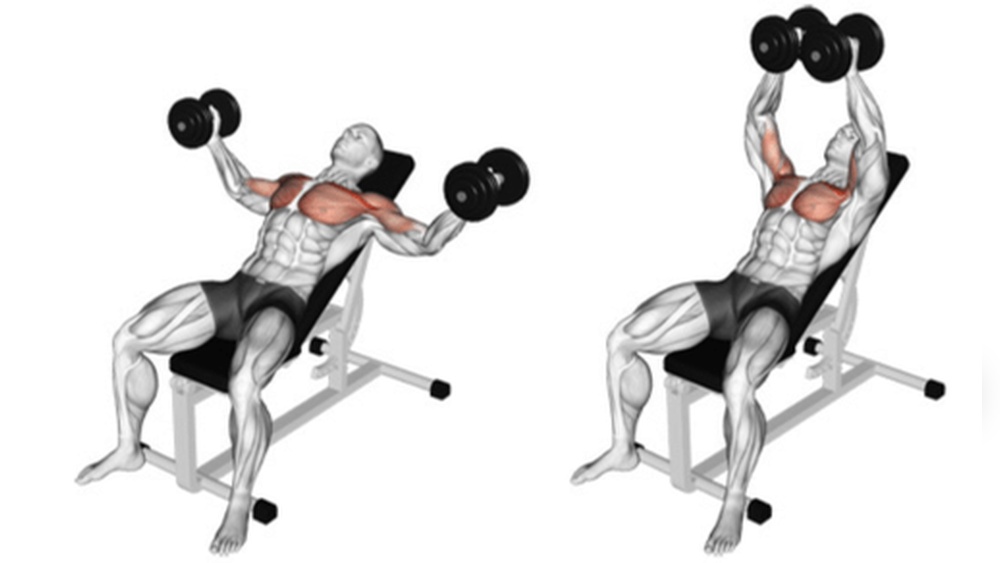
Start by lying on a flat or incline bench. Hold a dumbbell in each hand with palms facing each other. Keep a slight bend in your elbows throughout the movement. Lower the dumbbells slowly out to the sides until you feel a stretch in your chest. Bring the dumbbells back up in a wide arc, squeezing your chest muscles. Keep your feet flat on the floor and your back pressed against the bench. Avoid locking your elbows or moving too fast.
Common Mistakes
Many people drop the dumbbells too low, risking shoulder strain. Straight elbows reduce chest activation and increase injury risk. Using heavy weights often leads to poor control and swinging. Arching the back lifts the chest off the bench, reducing exercise effectiveness. Holding breath can cause tension; breathe out while lifting and inhale when lowering. Avoid rushing; slow movements improve muscle work and safety.
Targeting The Upper Chest
Dumbbell flyes mainly target the chest muscles but focus less on the upper chest. Adjusting the bench angle helps engage the upper chest better. Proper form and weight control improve results and reduce injury risk.
The upper chest is a common focus for many fitness enthusiasts. Building this area adds shape and strength to your chest. Dumbbell flyes are popular for chest workouts, but do they target the upper chest effectively? Understanding how these exercises work helps you train smarter and see better results.
Muscle Activation During Flyes
Dumbbell flyes mainly work the pectoralis major muscle. This muscle covers the whole chest but has different parts. The upper chest, or clavicular head, activates less during flat bench flyes. Most tension happens in the middle and lower chest areas. To engage the upper chest, you need to adjust how you perform the flyes.
Influence Of Bench Angle
The angle of the bench changes which part of the chest gets worked. A flat bench targets the middle chest more. An incline bench, set at about 30 to 45 degrees, shifts focus to the upper chest. Incline dumbbell flyes increase activation in the clavicular head. Small changes in angle make a big difference in muscle focus.

Credit: www.youtube.com
Comparing Dumbbell Flyes To Other Exercises
Comparing dumbbell flyes to other exercises helps you find the best way to target your upper chest. Each exercise works muscles differently. Choosing the right one depends on your goals and comfort. Understanding the benefits of each move can improve your workout plan.
Incline Press Variations
Incline press exercises focus directly on the upper chest. They use pressing motions that build strength and size. Dumbbell incline presses allow a wider range of motion than barbell presses. This helps engage the upper chest more deeply. Incline presses also involve the shoulders and triceps. This makes them a compound exercise for overall upper body strength. Compared to flyes, incline presses add more resistance and power.
Cable Crossovers
Cable crossovers provide constant tension on the chest muscles. This keeps the upper chest engaged throughout the movement. You can adjust the cable height to target different chest areas. Higher cable positions emphasize the upper chest more. Cable crossovers allow smooth and controlled motion. This reduces injury risk and improves muscle activation. They also improve muscle definition by isolating the chest. Dumbbell flyes work similarly but lack constant tension.
Optimizing Upper Chest Growth
Building the upper chest takes more than just doing dumbbell flyes. You need a plan that targets this area consistently and smartly. Optimizing upper chest growth means training with focus and adjusting your routine over time. This helps your muscles grow stronger and bigger.
Simple changes in how often and how hard you train can make a big difference. Let’s explore two key points: training frequency and progressive overload tips. Both are essential for better upper chest development.
Training Frequency
Train your upper chest 2 to 3 times each week. This gives your muscles enough work and rest to grow. Avoid training the same muscle every day. Muscles need time to repair after workouts.
Keep sessions focused on exercises that hit the upper chest. Dumbbell flyes with a slight incline help target this area well. Consistent training helps build muscle and strength over time.
Progressive Overload Tips
Gradually increase the weight or reps in your workouts. This challenges your muscles and encourages growth. Start with light weights and add small amounts regularly.
Track your progress to know when to raise the difficulty. Change your routine every few weeks to avoid plateaus. Small, steady improvements lead to bigger gains in the upper chest.
Common Myths About Flyes
Dumbbell flyes are popular for chest workouts. Many people believe wrong things about them. These myths can stop you from using flyes effectively. Understanding the truth helps you train smarter. Let’s clear up common myths about dumbbell flyes.
Flyes And Muscle Isolation
Some say flyes only work the chest. Not true. Flyes target the chest but also involve shoulder muscles. They do not isolate the upper chest alone. You need to combine flyes with other exercises. This helps to build the entire chest evenly. Flyes add stretch and contraction to the chest muscles.
Injury Risks
Flyes can cause injuries if done wrong. The shoulder joint is at risk during wide arm movements. Using heavy weights with bad form increases injury chances. Keep your elbows slightly bent and avoid lowering weights too far. Controlled movement reduces stress on joints. Proper technique makes flyes safe and effective.
Credit: www.liftingitalia.com
Frequently Asked Questions
Do Dumbbell Flyes Target The Upper Chest Effectively?
Dumbbell flyes mainly focus on the middle chest. To engage the upper chest, incline dumbbell flyes are more effective. Adjusting the bench angle helps activate the upper pectoral muscles better. Regular flat flyes alone may not fully develop the upper chest region.
How To Modify Dumbbell Flyes For Upper Chest Growth?
Use an incline bench set at 30-45 degrees for incline dumbbell flyes. This position shifts the focus to the upper chest muscles. Maintain controlled movements and avoid overstretching. Proper form ensures targeted muscle activation and reduces injury risk.
Are Dumbbell Flyes Enough For Upper Chest Development?
Dumbbell flyes alone are not enough for comprehensive upper chest growth. Combining them with incline presses and push-ups yields better results. A varied routine targets all upper chest fibers effectively. Consistency and progressive overload are key for muscle gains.
Can Dumbbell Flyes Improve Upper Chest Definition?
Yes, when done on an incline bench, dumbbell flyes can enhance upper chest definition. They isolate the pectoral muscles and improve muscle shape. Pairing with proper nutrition and overall chest training maximizes definition results.
Conclusion
Dumbbell flyes mainly target the chest’s middle and outer parts. They do engage the upper chest but not as much as incline exercises. For better upper chest growth, include incline presses or flyes. Consistency matters most in any workout routine.
Combine different exercises for balanced chest development. Keep your form correct to avoid injury. Enjoy the process and track your progress. Small changes bring steady results over time. Stay patient and keep lifting.