Are you wondering if dumbbell presses really work your chest muscles? You’re not alone.
Many people question whether this exercise is effective or just a waste of time. The truth is, dumbbell presses can be a powerful tool to build a stronger, more defined chest—if done the right way. You’ll discover how dumbbell presses target your chest, the benefits they offer, and tips to get the most out of every rep.
Keep reading to find out how this simple move could transform your workout and your results.
Chest Muscles Targeted
Dumbbell presses are a popular exercise for building chest strength and size. They work several muscles in the chest and nearby areas. Understanding which muscles are targeted helps you train better and avoid injury. Below, we explore the main chest muscles worked during dumbbell presses and the supporting muscles involved.
Primary Chest Muscles
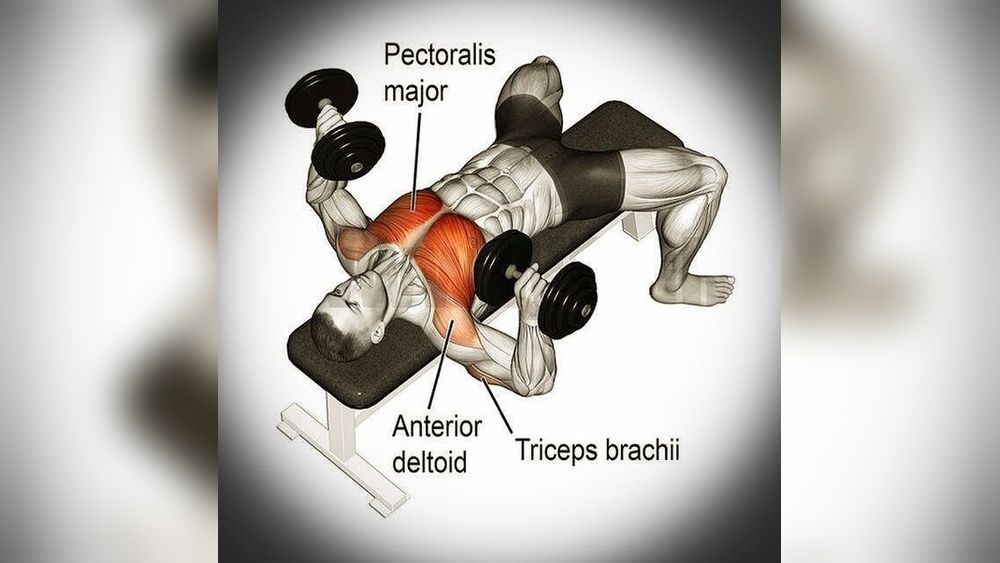
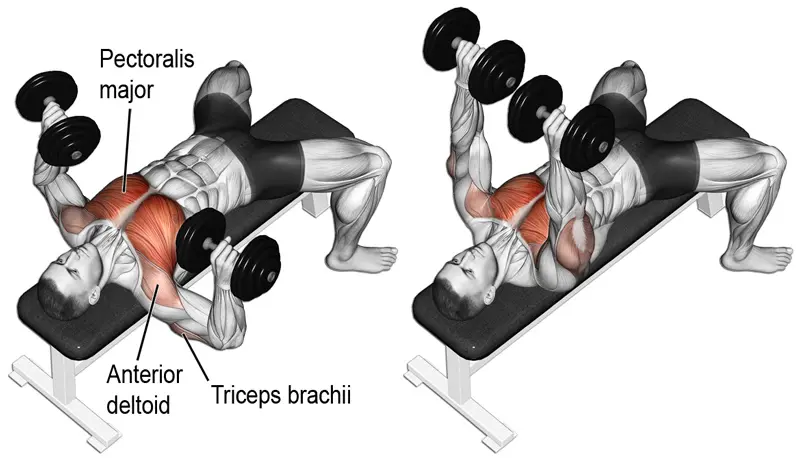
The main chest muscle targeted is the pectoralis major. It is a large muscle covering the front of the chest. The pectoralis major has two parts: the clavicular head (upper chest) and the sternal head (middle chest). Dumbbell presses engage both parts, helping develop overall chest shape and strength.
Another important muscle is the pectoralis minor. It lies under the pectoralis major and helps stabilize the shoulder blade during pressing movements. Dumbbell presses indirectly work this muscle, improving shoulder stability.
Supporting Muscle Groups
Dumbbell presses also activate other muscles to support the movement. The anterior deltoids, or front shoulder muscles, assist in lifting the dumbbells upward. Strong deltoids help maintain proper form and reduce shoulder strain.
The triceps brachii, located at the back of the upper arm, play a key role in extending the elbows. They help push the dumbbells away from the chest. Well-developed triceps add power to the pressing motion.
Finally, the muscles around the shoulder blade, such as the serratus anterior, work to stabilize the scapula. This support is crucial for safe and effective dumbbell presses. Strong scapular muscles improve control and reduce injury risk.

Credit: www.youtube.com
Types Of Dumbbell Presses
Dumbbell presses target the chest muscles in different ways. Different angles work different parts of the chest. This variety helps build a strong and balanced chest. Here are the main types of dumbbell presses to try in your workout.
Flat Dumbbell Press
The flat dumbbell press targets the middle chest. Lie flat on a bench with a dumbbell in each hand. Press the dumbbells up until your arms are straight. Lower them slowly to feel the muscle work. This exercise builds overall chest strength and size.
Incline Dumbbell Press
Set the bench at a 30 to 45-degree angle for the incline press. This angle works the upper chest more than the flat press. Hold dumbbells and press them upward. Lower slowly to stretch the muscles. The incline press helps create a fuller chest shape.
Decline Dumbbell Press
The decline dumbbell press targets the lower chest. Use a bench set to a decline angle. Press the dumbbells up and together. This move helps define the bottom chest muscles. It also adds strength to the overall chest area.
Benefits Of Dumbbell Presses
Dumbbell presses are a popular choice for building chest strength. They offer many benefits beyond just muscle size. These exercises help improve muscle control and overall chest development. Understanding these benefits shows why dumbbell presses work well for the chest.
They target the chest muscles in a unique way. This leads to better muscle growth and balanced strength. Let’s explore the key benefits of dumbbell presses.
Muscle Activation And Growth
Dumbbell presses activate more muscle fibers than barbell presses. Each arm works independently, forcing the chest muscles to engage fully. This increased activation promotes better muscle growth over time. The chest muscles get a deeper workout, which helps build strength and size.
Improved Range Of Motion
Dumbbells allow a greater range of motion than barbells. You can lower the weights further, stretching the chest muscles more. This stretch helps improve flexibility and muscle length. A better range of motion also leads to stronger, more defined chest muscles.
Balanced Muscle Development
Using dumbbells fixes strength imbalances between the left and right sides. Each arm must work equally hard, preventing one side from dominating. This balance reduces the risk of injury and creates a symmetrical chest appearance. Balanced muscles support better posture and movement.
Credit: fitnessvolt.com
Proper Form And Technique
Proper form and technique are key to getting the best results from dumbbell presses. Using the right method protects your shoulders and helps your chest muscles grow. This section breaks down the steps to follow for safe and effective dumbbell presses.
Starting Position
Begin by lying flat on a bench. Hold a dumbbell in each hand with a firm grip. Keep your feet flat on the floor to stay stable. Your elbows should be bent at about 90 degrees. Position the dumbbells near your chest, palms facing forward. Keep your back pressed gently against the bench.
Movement Execution
Push the dumbbells upward until your arms are almost straight. Avoid locking your elbows at the top. Slowly lower the dumbbells back down to your chest. Control the movement; don’t let the weights drop fast. Keep your shoulders relaxed throughout the press. Breathe out as you push up and breathe in as you lower down.
Common Mistakes To Avoid
Do not flare your elbows too wide; it can hurt your shoulders. Avoid arching your back excessively; keep it neutral. Do not lift weights that feel too heavy to control. Avoid bouncing the dumbbells off your chest. Never hold your breath during the exercise. These mistakes reduce workout effectiveness and increase injury risk.
Dumbbell Presses Vs Barbell Presses
Dumbbell presses and barbell presses are popular chest exercises. Both help build strength and muscle in the chest area. Yet, they work the muscles in slightly different ways. Knowing their differences can help choose the best option for your workout goals.
Muscle Engagement Differences
Dumbbell presses allow each arm to move independently. This helps balance muscle strength between sides. They also require more stabilizer muscles to keep the weights steady. Barbell presses use both arms together. They let you lift heavier weights. This targets the chest muscles more directly but with less stabilizer muscle work.
Safety And Injury Risk
Dumbbells offer a safer range of motion. You can adjust your wrists and elbows naturally. This lowers joint stress and injury risk. Barbell presses can put more strain on shoulders and wrists. They need more control and proper form. Spotters or safety racks are important when using barbells to avoid accidents.
Versatility And Equipment Needs
Dumbbells are more versatile and require less space. You can do presses on a flat, incline, or decline bench. They also work well for home gyms. Barbells need a bench and a rack. They take more space and equipment. This can limit where and how often you do the exercise.
Programming Dumbbell Presses
Programming dumbbell presses correctly helps build a strong chest. It guides how many sets, reps, and variations to use. This ensures steady progress and avoids plateaus. A good plan also includes ways to increase difficulty over time.
Sets And Reps For Muscle Growth
To grow chest muscles, aim for 3 to 4 sets per session. Each set should have 8 to 12 reps. This range balances strength and muscle size. Rest for 60 to 90 seconds between sets. This rest time helps muscles recover for the next set.
Incorporating Variation
Change angles to target different chest parts. Use incline, flat, and decline dumbbell presses. Adjust grip width to engage various muscles. Switching variations prevents boredom and plateaus. It also promotes balanced muscle development.
Progressive Overload Strategies
Increase weight gradually to challenge muscles. Add small weight increments each week. Another way is to increase reps or sets slowly. Track progress to know when to push harder. Progressive overload forces muscles to grow stronger.
Complementary Exercises
Complementary exercises help build a stronger, well-rounded chest. Dumbbell presses target the chest well, but adding other moves improves muscle balance and growth. These exercises also help prevent injuries by working supporting muscles. Let’s explore some effective complementary exercises that enhance your chest workout.
Chest Fly Variations
Chest fly exercises stretch and work the chest muscles differently than presses. You can do them with dumbbells, cables, or machines. Dumbbell flyes on a flat or incline bench isolate the chest. They increase muscle stretch and improve shape. Cable flyes offer constant tension through the movement. Try different angles to hit all chest parts.
Push-ups And Dips
Push-ups use body weight to build chest strength and endurance. They also engage the core and arms. Variations like incline, decline, or wide push-ups target the chest differently. Dips focus more on the lower chest and triceps. They add depth and size to your chest muscles. Both exercises need no equipment and are easy to add.
Back And Shoulder Workouts
Strong back and shoulders support chest exercises. Pull-ups, rows, and reverse flyes balance the chest by working the upper back. Shoulder presses and lateral raises strengthen the shoulders. This balance improves posture and reduces injury risk. These exercises complement dumbbell presses and enhance overall upper body strength.
Nutrition For Chest Growth
Nutrition plays a key role in building a bigger chest. Dumbbell presses work the chest muscles well, but food fuels muscle growth. Without the right nutrition, gains can be slow or even stop. Eating the right foods helps muscles repair and grow stronger after workouts.
Focus on protein, calories, and smart supplements. These parts support chest growth. Proper eating habits help your body build muscle effectively and keep energy levels high.
Protein Intake
Protein is the building block of muscles. Eating enough protein helps repair muscle fibers after dumbbell presses. Aim for 1.2 to 2 grams of protein per kilogram of body weight. Good sources include chicken, fish, eggs, beans, and dairy. Spread protein meals evenly through the day for best results.
Caloric Surplus
Muscle growth needs extra calories. Eating more calories than you burn creates a caloric surplus. This surplus gives energy for muscle repair and growth. Focus on healthy foods like whole grains, fruits, and vegetables. Avoid junk food that can harm health and slow progress.
Supplement Tips
Supplements can support chest growth, but they are not required. Whey protein helps meet daily protein needs. Creatine may improve strength and muscle gains. Vitamin D and omega-3s support overall health. Always prioritize whole foods before supplements. Consult a doctor before starting any new supplement.
Tracking Progress
Tracking progress is important for chest workouts with dumbbell presses. It helps you see if your efforts are working. You can make better decisions about your training. This keeps you motivated and on the right path.
Measuring Strength Gains
Track how much weight you lift each week. Notice if you can do more reps with the same weight. Small increases show your chest muscles are getting stronger. Write down your weights and reps to compare over time.
Visual Changes
Look at your chest in the mirror regularly. Take photos from different angles every two weeks. Check for muscle size and shape changes. Visual progress helps you stay motivated and focused.
Adjusting Workouts
Use your strength and visual progress to change your routine. Add more weight or reps if you get stronger. Change exercises if growth slows down. Adjustments keep your chest muscles challenged and growing.

Credit: www.youtube.com
Frequently Asked Questions
Do Dumbbell Presses Effectively Target Chest Muscles?
Yes, dumbbell presses primarily target the pectoral muscles. They engage both the upper and lower chest, promoting balanced muscle growth and strength.
Can Dumbbell Presses Build A Bigger Chest?
Dumbbell presses help build chest size by activating muscle fibers deeply. Their range of motion allows greater muscle stretch and contraction for growth.
How Do Dumbbell Presses Compare To Barbell Presses?
Dumbbell presses offer more shoulder stability and muscle activation. They allow independent arm movement, reducing muscle imbalances compared to barbell presses.
Are Dumbbell Presses Good For Chest Muscle Definition?
Yes, dumbbell presses enhance chest muscle definition by engaging stabilizer muscles and improving muscle symmetry and tone effectively.
Conclusion
Dumbbell presses build chest muscles effectively and safely. They target the chest, shoulders, and arms together. Using dumbbells allows a full range of motion for better muscle work. You can adjust weight easily to match your strength level. Regular practice helps increase muscle size and strength over time.
Pair dumbbell presses with a balanced workout for best results. Keep your form correct to avoid injuries. Simple, consistent effort leads to noticeable chest improvements. Dumbbell presses are a solid choice for chest training.