Are you wondering whether dumbbell pullovers target your chest or your back? It’s a common question that can change how you approach your workouts.
Knowing exactly which muscles you’re working helps you get the best results and avoid wasting time. You’ll discover the truth behind dumbbell pullovers and how to use them effectively to build the strength and shape you want. Keep reading—you might be surprised by what you learn.
Muscles Targeted By Dumbbell Pullovers
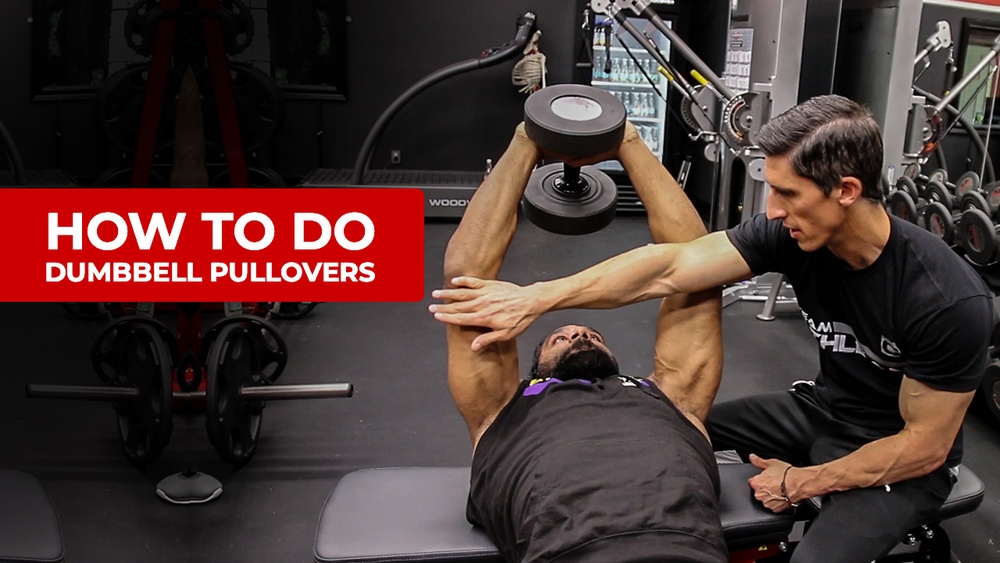
Dumbbell pullovers are a popular exercise in many workout routines. They involve moving a dumbbell in a wide arc over your chest while lying on a bench. This motion helps work several muscles in your upper body. Understanding which muscles get worked helps you use this exercise correctly. It also helps you plan your workouts better.
Let’s explore the main muscles dumbbell pullovers target and how they contribute to your strength and shape.
Primary Chest Activation
The dumbbell pullover mainly works the chest muscle called the pectoralis major. This muscle covers the front of your chest. It helps move your arms toward the center of your body. During the pullover, the chest muscle stretches and contracts. This action helps build strength and size in the chest area. The exercise also targets the upper part of the chest more than other chest exercises.
Back Muscle Engagement
Besides the chest, dumbbell pullovers also work the muscles in your back. The latissimus dorsi, or “lats,” is the main back muscle involved. It covers a large area on your sides and back. The lats help pull your arms down and back during the pullover. This muscle activation improves your back’s strength and width. The movement also lightly engages the teres major, a small muscle near the shoulder blade.
Role Of Supporting Muscles
Other muscles assist during the dumbbell pullover to keep your movement stable. The triceps at the back of your upper arm help extend your elbows. The serratus anterior, located on your side ribs, helps control your shoulder blade. The core muscles work to keep your body steady on the bench. These supporting muscles improve your control and balance during the exercise.
Credit: www.youtube.com
Proper Dumbbell Pullover Technique
Performing dumbbell pullovers with the right technique matters a lot. Proper form helps target the correct muscles and reduces injury risk. Follow these steps to do the exercise safely and effectively.
Starting Position
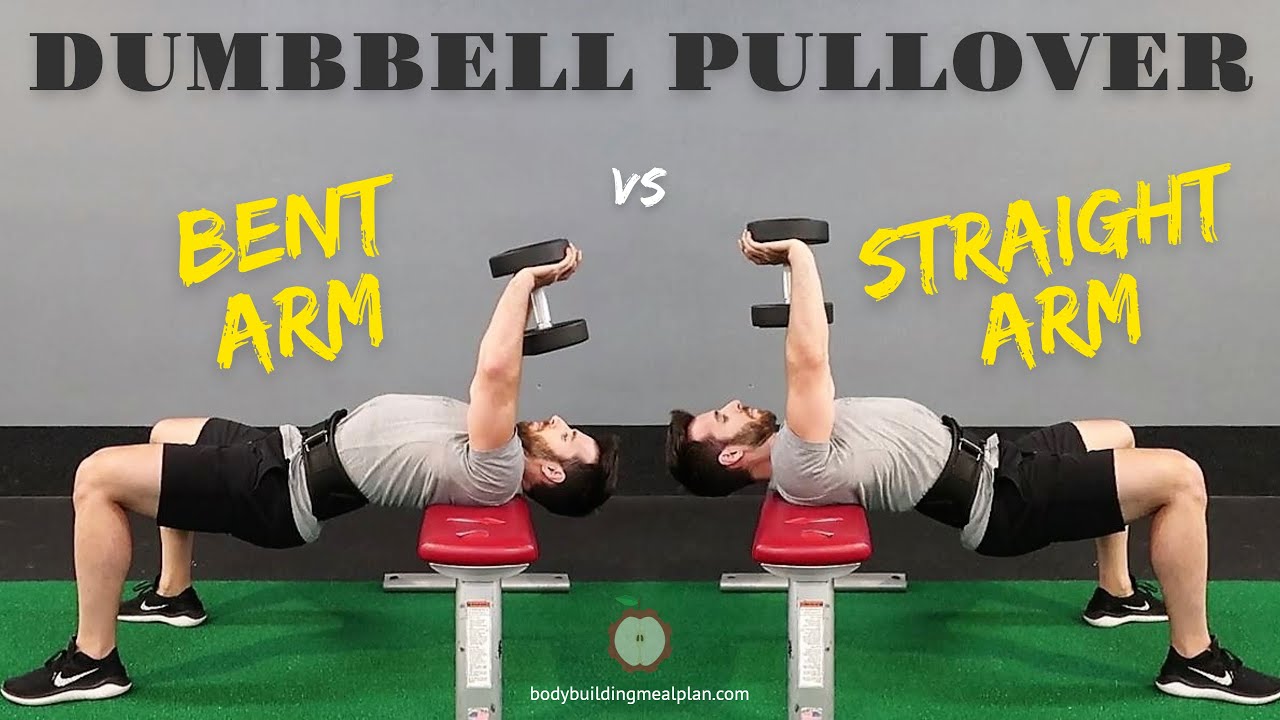
Lie down on a flat bench with your back fully supported. Hold a dumbbell with both hands above your chest. Keep your arms slightly bent and feet flat on the floor. Engage your core to stabilize your body.
Movement Execution
Slowly lower the dumbbell backward over your head. Maintain the bend in your elbows throughout the motion. Stop when your arms are parallel to the floor or feel a stretch. Pull the dumbbell back to the starting position using your chest and back muscles. Control the movement and avoid using momentum.
Common Mistakes To Avoid
Do not arch your lower back during the exercise. Avoid locking your elbows or straightening them fully. Keep the movement slow and steady. Do not lift too heavy too soon. Avoid shrugging your shoulders or letting the dumbbell drop quickly.
Chest Benefits From Dumbbell Pullovers
Dumbbell pullovers offer key benefits for the chest muscles. This exercise targets the chest while also involving other muscle groups. It helps build strength and size in the chest area. The motion stretches the chest muscles deeply. It also improves muscle control and coordination. Understanding how pullovers affect the chest can help you train better.
Pectoralis Major Activation
Dumbbell pullovers activate the pectoralis major muscle effectively. This muscle is the largest chest muscle. It controls the movement of the shoulder joint. During the pullover, the pectoralis major works hard to lift the weight. This activation helps tone and strengthen the chest. The exercise recruits both the upper and lower parts of the muscle. It creates balanced chest development.
Enhancing Chest Expansion
The pullover motion stretches the chest muscles fully. This stretch improves chest expansion and flexibility. It helps open the rib cage for better breathing. A wider chest appearance can result from regular training. The exercise encourages muscle growth by increasing muscle fiber length. This leads to a fuller, rounder chest shape.
Integration With Chest Workouts
Dumbbell pullovers complement other chest exercises well. They add variety to your workout routine. Use pullovers with presses and flyes for complete chest training. The exercise targets muscles in a different way. This reduces workout boredom and plateaus. Pullovers also improve overall upper body strength. Include them to enhance your chest workout balance.
Back Benefits From Dumbbell Pullovers
Dumbbell pullovers are often linked to chest workouts. Yet, they offer notable benefits for the back too. These exercises engage several back muscles, promoting strength and stability. Understanding the back benefits helps you use pullovers effectively in your routine.
Latissimus Dorsi Involvement
The latissimus dorsi, or lats, are the largest back muscles. Dumbbell pullovers stretch and contract these muscles during the movement. This action helps build wider and stronger lats. Strong lats improve your ability to pull and lift objects.
Strengthening The Upper Back
Dumbbell pullovers target muscles around the shoulder blades. These include the rhomboids and trapezius. Strengthening these muscles improves upper back power. It also supports arm and shoulder movements.
Improving Posture
Strong back muscles help maintain good posture. Dumbbell pullovers engage muscles that keep your spine aligned. Better posture reduces the risk of back pain. It also enhances your overall appearance and confidence.
Comparing Dumbbell Pullovers To Other Exercises
Dumbbell pullovers are popular for building upper body strength. They target muscles in the chest and back but work differently than other exercises. Comparing pullovers to common lifts helps understand their role in your workout. This comparison shows which muscles each exercise hits and how they fit into your routine.
Pullovers Vs. Bench Press
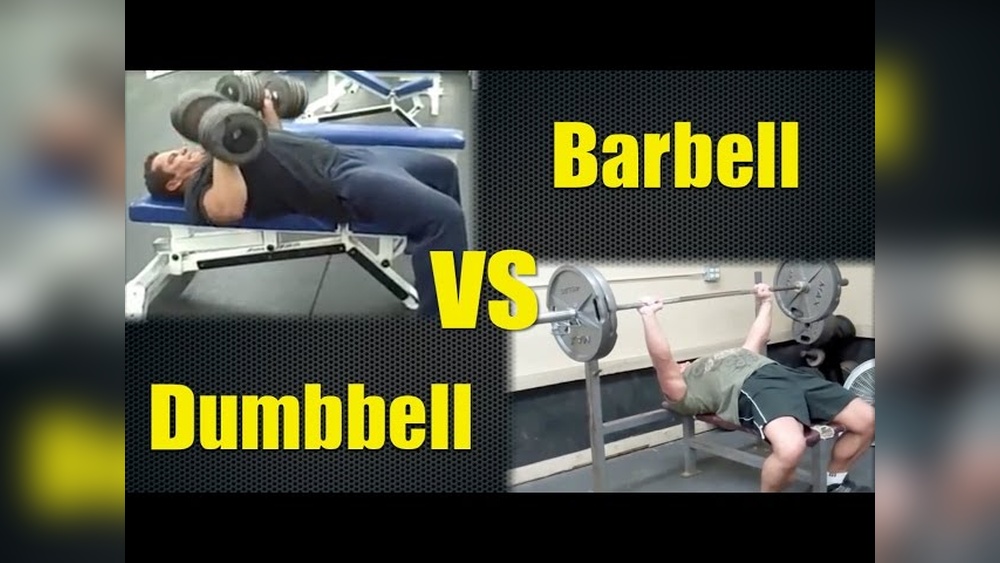
The bench press mainly targets the chest muscles. It focuses on the pectorals, shoulders, and triceps. Dumbbell pullovers engage the chest but also stretch and work the back muscles. Pullovers involve a wider range of motion. The bench press is better for pure chest strength. Pullovers add flexibility and target multiple muscle groups.
Pullovers Vs. Lat Pulldowns
Lat pulldowns focus mostly on the upper back and lats. They isolate back muscles with a vertical pulling motion. Dumbbell pullovers involve the lats but also use chest muscles. Pullovers have a horizontal movement and stretch the rib cage. Lat pulldowns build back width. Pullovers develop chest size and improve breathing capacity.
Complementary Exercises
Dumbbell pullovers work well with both pressing and pulling exercises. Combining pullovers with bench presses creates balanced chest and back development. Pairing pullovers with lat pulldowns improves upper body strength and muscle coordination. Use pullovers to add variety and stretch muscles during workouts. They help improve posture and breathing when done correctly.
Designing A Workout With Dumbbell Pullovers
Designing a workout with dumbbell pullovers requires clear planning. This exercise targets both the chest and back muscles. Knowing how to include it in your routine helps you get better results. Focus on balance and proper form for safety and strength gain.
Sets And Reps Recommendations
Start with 3 sets of 8 to 12 reps. This range builds muscle and strength effectively. Use a weight that feels challenging but allows good form. Rest for 60 seconds between sets to recover well. Adjust reps and sets as you grow stronger.
Combining With Chest Or Back Days
Dumbbell pullovers fit well on chest or back workout days. On chest days, pair with presses and flyes. On back days, combine with rows and pull-ups. This approach helps target both muscle groups well. It also prevents overworking one area.
Progression Tips
Increase weight gradually to keep challenging muscles. Add more reps or sets if weight stays the same. Focus on slow, controlled movements to improve muscle activation. Track your progress to stay motivated and consistent. Never sacrifice form for heavier weights.
Safety Tips And Precautions
Safety is key when doing dumbbell pullovers. These exercises target muscles in your chest and back. Without care, you risk injury, especially in your shoulders and spine.
Follow these safety tips to protect your body. They help you get the best results without pain or strain.
Avoiding Shoulder Strain
Keep your shoulders stable during the exercise. Do not let them lift too high or move too far back. Use a slow, controlled motion to avoid sudden jerks. Stop if you feel sharp pain in your shoulder.
Proper Weight Selection
Start with a light dumbbell. Choose a weight that feels manageable for 10 to 12 reps. Increase weight gradually as your strength improves. Heavy weights can cause poor form and injury.
Warm-up And Stretching
Warm up your muscles before lifting dumbbells. Try light cardio or arm circles for five minutes. Stretch your chest, back, and shoulders gently. This prepares your body and reduces injury risk.

Credit: www.youtube.com

Credit: steelsupplements.com
Frequently Asked Questions
Do Dumbbell Pullovers Target The Chest Muscles?
Yes, dumbbell pullovers effectively engage the chest muscles, especially the pectoralis major. They help expand and strengthen the chest.
Do Dumbbell Pullovers Work The Back Muscles?
Dumbbell pullovers also activate the latissimus dorsi muscles in the back. They provide a good stretch and strengthen the upper back.
Are Dumbbell Pullovers Better For Chest Or Back?
Dumbbell pullovers work both chest and back, but emphasize the chest more. Proper form can shift focus between these muscle groups.
Can Dumbbell Pullovers Improve Upper Body Strength?
Yes, dumbbell pullovers enhance upper body strength by targeting both chest and back muscles. They improve muscle endurance and flexibility.
Conclusion
Dumbbell pullovers target both chest and back muscles effectively. They help build strength in your upper body. The chest gets stretched and worked during the movement. The back, especially the lats, also gets engaged. This exercise fits well in many workout routines.
Adjust your form to focus more on chest or back. Keep your movements slow and controlled for best results. Add pullovers to balance your muscle development. Give your body time to rest and grow stronger. Consistency is key to seeing progress and gains.