
Are you wondering if dumbbell rows really work your back the way you want? If building a stronger, more defined back is your goal, it’s important to know which exercises truly deliver results.
Dumbbell rows are popular, but do they target the right muscles effectively? You’ll discover how dumbbell rows impact your back, why they might be a game-changer in your workout, and how to get the most out of every rep. Keep reading to unlock the truth and take your back training to the next level.
Benefits Of Dumbbell Rows
Dumbbell rows target the muscles in your upper and middle back, helping to build strength. They also improve posture and support better shoulder stability. This exercise engages multiple muscles, making your back stronger and more toned.
Dumbbell rows are a popular exercise for back strength. They help build muscle and improve fitness. This move uses simple equipment but targets many muscles at once. Dumbbell rows also support better body function and reduce injury risk. Many people add them to workouts for these clear benefits.
Targeted Back Muscles
Dumbbell rows focus on key back muscles. They work the latissimus dorsi, which gives the back its wide shape. The rhomboids and trapezius muscles also get stronger. These muscles help pull the shoulder blades together. Rowing with dumbbells strengthens the lower back too. This makes the whole back more powerful and balanced.
Improved Posture
Strong back muscles improve your posture. Dumbbell rows help pull your shoulders back and down. This reduces slouching and hunching. Good posture reduces neck and back pain. It also makes you look taller and confident. Regular dumbbell rows can fix posture problems caused by sitting too long.
Enhanced Muscle Symmetry
Dumbbell rows work each side of the body separately. This helps fix muscle imbalances. Both sides of your back get equal attention and strength. Balanced muscles reduce the chance of injury. They improve movement and stability in daily activities. Dumbbell rows create a more even, symmetrical back shape.

Credit: www.youtube.com
How Dumbbell Rows Build Strength
Dumbbell rows are a popular exercise for building back strength. They target many muscles in your upper and middle back. Using dumbbells helps you work each side of your body evenly. This can improve muscle balance and reduce injury risk. Understanding how dumbbell rows build strength can help you get better results.
Strength gains come from muscle activation, proper training techniques, and recovery. Each part plays a key role in making your back muscles stronger and bigger. Let’s explore these important factors.
Muscle Activation And Growth
Dumbbell rows mainly work the latissimus dorsi, rhomboids, and trapezius muscles. These muscles control pulling movements and help improve posture. The exercise also uses the biceps and rear shoulders as secondary muscles.
Pulling the dumbbells toward your body creates tension in these muscles. This tension causes small tears in muscle fibers. Your body repairs the fibers stronger and thicker, leading to muscle growth. This process is called hypertrophy.
Progressive Overload Techniques
To build strength, increase the challenge over time. This is called progressive overload. Add more weight to your dumbbells gradually. You can also increase the number of sets or repetitions.
Using slow and controlled movements increases muscle tension. Pausing briefly at the top of the row boosts muscle engagement. These techniques force muscles to adapt and grow stronger.
Frequency And Recovery
Working your back muscles 2 to 3 times a week is ideal. This frequency allows muscles to get stronger without overtraining. Rest days are vital for muscle repair and growth.
Getting enough sleep and eating protein supports recovery. Avoid working the same muscles on consecutive days. Proper recovery helps prevent injury and improves workout results.
Proper Dumbbell Row Form
Proper dumbbell row form is key to working your back muscles safely and effectively. It helps target the right muscles and avoids injury. Using correct form also improves your strength over time. Focus on body position and controlled movement. Practice these steps to get the most from dumbbell rows.
Starting Position
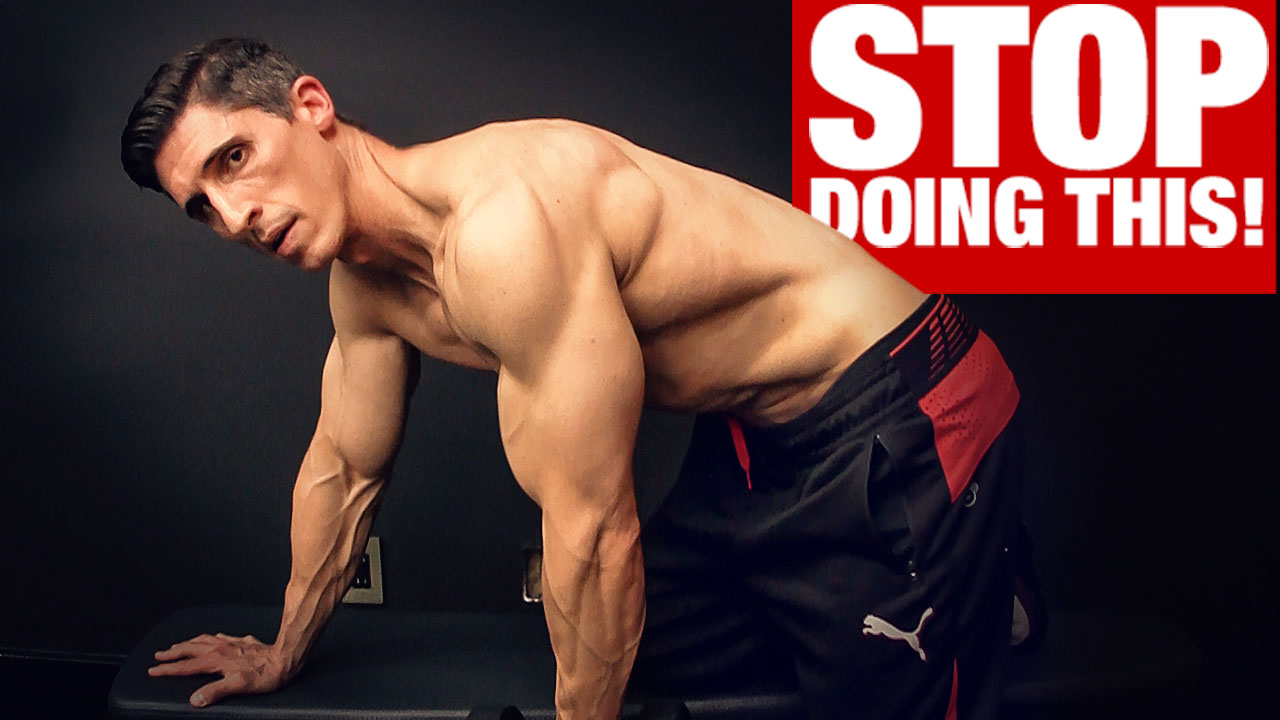
Stand with feet shoulder-width apart. Hold a dumbbell in one hand. Bend your knees slightly. Lean forward from your hips. Keep your back straight and chest up. Place your free hand on a bench for support. Your arm with the dumbbell should hang straight down.
Rowing Motion
Pull the dumbbell up toward your waist. Keep your elbow close to your body. Squeeze your shoulder blade as you lift. Pause briefly at the top. Lower the dumbbell slowly to the starting position. Control the movement to avoid swinging. Repeat for the desired number of reps.
Common Mistakes To Avoid
Do not round your back or drop your chest. Avoid using momentum to lift the dumbbell. Keep your elbow from flaring out too wide. Do not shrug your shoulder during the row. Avoid twisting your torso. Focus on steady, controlled motions for best results.
Variations To Maximize Back Gains
To build a stronger back, variety matters. Different dumbbell row variations target muscles in unique ways. Changing your technique helps prevent plateaus and keeps workouts fresh. These variations also improve muscle balance and strength.
Single-arm Dumbbell Row
The single-arm dumbbell row focuses on one side at a time. It helps fix muscle imbalances between your left and right back. You support your body with one hand on a bench, pulling the dumbbell with the other. This move targets the lats, rhomboids, and traps effectively. It also improves core stability since your body must stay balanced.
Renegade Row
The renegade row combines a plank position with rowing. It challenges the back while working your core and arms. Holding a dumbbell in each hand, you row one arm at a time. This variation demands more balance and control. It builds strength in the upper back, shoulders, and abdominal muscles simultaneously.
Chest-supported Row
The chest-supported row reduces strain on your lower back. You lie face down on an incline bench, rowing dumbbells towards your chest. This position isolates the back muscles more than other rows. It targets the mid-back and traps with less chance of injury. Great for those with lower back pain or beginners.
Integrating Dumbbell Rows Into Workouts
Dumbbell rows are a strong choice for building back strength. They target key muscles like the lats and rhomboids. Including them in your workout can improve posture and enhance overall back muscle balance. Planning how to add dumbbell rows to your routine helps you get the best results.
Focus on combining dumbbell rows with other exercises and adjusting the routine based on your fitness level. This approach keeps your workouts balanced and effective.
Pairing With Other Back Exercises
Combine dumbbell rows with pull-ups for upper back strength. Add lat pulldowns to target the lats differently. Use face pulls to work the rear shoulders and traps. This mix creates a full back workout. It helps prevent muscle imbalances and improves overall strength.
Sample Training Routines
Try this simple routine: Start with 3 sets of 10 dumbbell rows. Follow with 3 sets of 8 pull-ups or assisted pull-ups. Add 3 sets of 12 lat pulldowns. Finish with 3 sets of 15 face pulls. Rest 60 seconds between sets. Perform this routine twice a week for steady progress.
Adjusting For Beginners And Advanced Lifters
Beginners should use lighter dumbbells and focus on form. Start with 2 sets of 8 to 10 reps. Increase weight slowly as strength improves. Advanced lifters can add weight or do more reps. Try 4 sets of 12 to 15 reps or use a slower tempo. This keeps the muscles challenged and growing.
Credit: learn.athleanx.com
Tracking Progress And Results
Tracking progress and results helps you stay motivated and see real gains. Dumbbell rows target your back muscles, but measuring how much you improve matters. Knowing your strength growth and muscle changes keeps your workouts effective. You can adjust your routine based on clear data. This helps avoid plateaus and boosts your confidence.
Measuring Strength Improvements
Track the weight you lift in dumbbell rows over time. Start with a manageable weight and increase it gradually. Note how many reps and sets you complete with good form. Strength gains show as you lift heavier weights or do more reps. Regular testing helps you see if your back muscles get stronger.
Visual Muscle Changes
Take photos of your back every few weeks. Compare these pictures to notice muscle growth and shape changes. Feel the difference in muscle tightness and firmness during exercises. Visual progress motivates you to keep training hard. Muscle changes may be subtle but visible with consistent effort.
Using Workout Logs
Keep a simple workout log for each session. Record the date, weight, reps, and sets of dumbbell rows. Write down how your back feels before and after workouts. Logs help track progress and identify patterns in your training. Review your notes regularly to adjust your routine and goals.
Common Challenges And Solutions
Dumbbell rows are great for building back strength. Still, some common challenges may slow progress. Knowing these challenges helps you adjust your workout. Small changes make a big difference. Here are solutions to keep your back gains steady and safe.
Dealing With Muscle Imbalances
Muscle imbalances happen when one side is stronger. This can cause poor form and pain. Use equal weights for both arms to balance strength. Start with your weaker side first. This helps prevent overworking the stronger side. Focus on slow, controlled movements to improve muscle control.
Avoiding Plateaus
Plateaus occur when progress stops. Your muscles get used to the same routine. Change your dumbbell weight or reps regularly. Try different rowing angles to target new areas. Rest between sets to keep energy high. Vary your workout every few weeks for fresh gains.
Managing Soreness And Injury
Soreness is normal but should not last long. Warm up before lifting to prepare muscles. Stretch gently after your workout. If pain feels sharp or constant, stop exercising. Use lighter weights to avoid injury. Rest days help muscles heal and grow stronger.

Credit: www.dmoose.com
Frequently Asked Questions
Do Dumbbell Rows Target All Back Muscles?
Yes, dumbbell rows primarily target the lats, rhomboids, and traps. They also engage the rear delts and lower back for stability.
How Often Should I Do Dumbbell Rows For Back Growth?
Perform dumbbell rows 2-3 times per week with proper rest. Consistency and progressive overload are key for effective back muscle growth.
Can Dumbbell Rows Improve Posture?
Yes, dumbbell rows strengthen upper back muscles, which helps correct rounded shoulders. This leads to better posture and reduced back pain.
Are Dumbbell Rows Better Than Barbell Rows?
Dumbbell rows allow greater range of motion and unilateral training. Both are effective, but dumbbells help fix muscle imbalances more efficiently.
Conclusion
Dumbbell rows target your back muscles effectively. They help build strength and improve posture. You can do them at home or gym. Using proper form is key to avoid injury. Start with light weights and increase gradually. Consistency matters more than heavy lifting.
Add dumbbell rows to your workout routine. Your back will become stronger and more toned. Give it time and stay patient. Results come with regular effort and care.


