Are you wondering if dumbbell rows really work your shoulders? You’re not alone.
Many people use dumbbell rows to build their back, but what about your shoulders? Understanding how this exercise impacts your shoulder muscles can help you get the results you want faster. You’ll discover the truth about dumbbell rows and shoulder workouts, so you can train smarter and see real improvements.
Keep reading, because what you learn here could change the way you approach your workouts forever.
Dumbbell Rows Basics
Dumbbell rows are a popular exercise for building upper body strength. This move helps improve your back and shoulder muscles. It also supports better posture and stability. Understanding the basics is important for good results and safety.
Focus on learning the right form and knowing which muscles work during the exercise. This knowledge will help you get the most from dumbbell rows.
Proper Form And Technique
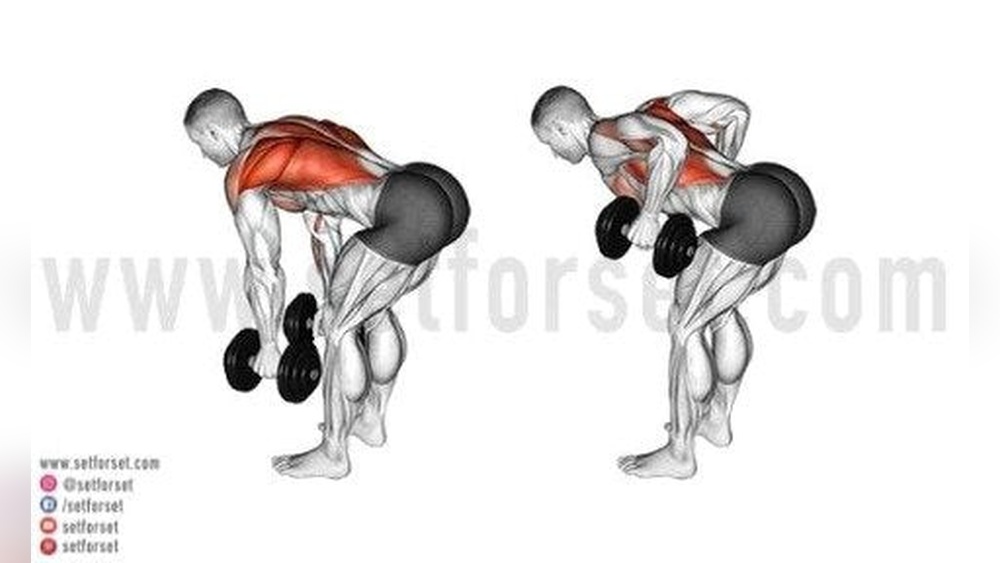
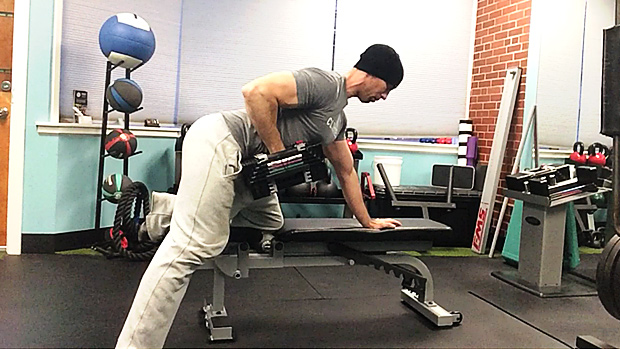
Start by holding a dumbbell in one hand. Bend your knees slightly and lean forward at the hips. Keep your back straight, not rounded or arched. Pull the dumbbell up toward your waist. Keep your elbow close to your body. Lower the dumbbell slowly and control the movement. Breathe out as you pull and breathe in as you lower. This form reduces injury risk and targets muscles well.
Muscles Targeted
Dumbbell rows mainly work the back muscles. The large muscles called latissimus dorsi get the most benefit. The rhomboids and trapezius in the upper back also engage. Your shoulders, especially the rear deltoids, get a workout too. The biceps assist during the pulling motion. This exercise improves shoulder strength and stability. It also helps create a balanced upper body.
Shoulder Muscles Involved
The dumbbell row is mainly known for working the back muscles. Still, it also involves several muscles in the shoulder. Understanding which shoulder muscles get worked helps improve your exercise routine.
This knowledge helps you target the right areas and avoid injury. Let’s explore the key shoulder muscles involved in dumbbell rows.
Deltoid Activation
The deltoid is the main muscle of the shoulder. It has three parts: front, middle, and rear deltoids. During dumbbell rows, the rear deltoid works the most. It helps pull the weight back. The middle deltoid also supports by stabilizing the shoulder. The front deltoid plays a smaller role in this movement.
Supporting Shoulder Muscles
Several smaller muscles support the shoulder during dumbbell rows. The rotator cuff muscles keep the shoulder stable. These include the infraspinatus and teres minor. They help control shoulder movement and prevent injury. The trapezius and rhomboids also assist by pulling the shoulder blades together. This support improves posture and strength during the lift.
Effectiveness For Shoulder Growth
Dumbbell rows mainly target your back muscles. But do they help your shoulders grow? Understanding how dumbbell rows affect your shoulder muscles is key. This section explores their role in shoulder growth and compares them with other exercises.
Muscle Engagement Analysis
Dumbbell rows work several muscles, including the rear deltoids. Rear delts are part of your shoulder muscles. These exercises activate them but not as much as direct shoulder moves. Your traps and rhomboids get more focus during rows. The shoulder muscles get some workout but not full stimulation. So, dumbbell rows support shoulder growth but are not the main driver.
Comparing With Other Shoulder Exercises
Exercises like overhead presses and lateral raises better target shoulder muscles. Overhead presses focus on front and middle delts. Lateral raises isolate the side delts. These moves stress the shoulder muscles more directly than rows. Rows serve as a good accessory exercise. They add variety and help balance shoulder development. For best results, combine dumbbell rows with specific shoulder exercises.
Credit: tonygentilcore.com
Variations To Maximize Gains
Dumbbell rows target the back but also work the shoulders. Different variations help focus more on shoulder muscles. Changing your form and position can bring new challenges. This helps build strength and size faster. Try these variations to get the best results.
Single-arm Dumbbell Rows
Single-arm dumbbell rows let you work each side separately. This helps fix muscle imbalances in the shoulders. Keep your back flat and pull the dumbbell up. Focus on squeezing your shoulder blade at the top. This move also improves shoulder stability and control.
Renegade Rows
Renegade rows combine a plank with a row. This works your shoulders and core at once. Hold a dumbbell in each hand and keep your body straight. Row one dumbbell up while balancing on the other. This increases shoulder strength and balance.
Incline Dumbbell Rows
Incline dumbbell rows use a bench set at an angle. Lie face down and row the dumbbells up. This changes the shoulder angle and targets different muscle fibers. It reduces lower back strain. This variation focuses more on the rear shoulders.
Common Mistakes To Avoid
Dumbbell rows can help build strong shoulders. Yet, many people make common mistakes. These errors reduce the workout’s benefits. They may also cause pain or injury. Avoiding these mistakes improves your results and keeps you safe.
Incorrect Posture
Posture matters a lot during dumbbell rows. Many people round their backs or hunch shoulders. This puts stress on the spine and neck. Keep your back straight and chest up. Engage your core to support your posture. Proper form targets the shoulder muscles effectively. It also stops unnecessary strain on joints.
Overusing Momentum
Using momentum to lift the dumbbells is common. Swinging the weights reduces muscle work. It shifts effort from shoulders to other body parts. Lift the dumbbells slowly and with control. Pause briefly at the top of the movement. This method ensures your shoulder muscles do the work. It also builds strength and stability better.
Credit: thefitnessmaverick.com
Integrating Dumbbell Rows Into Workouts
Dumbbell rows are a great exercise for the back and shoulders. Including them in your workouts can improve strength and muscle balance. They help develop the rear deltoids, which many people miss in shoulder training. Using dumbbell rows alongside other exercises can create a well-rounded shoulder routine.
Planning your workouts to include dumbbell rows can boost shoulder stability and posture. These rows also support movements that involve pulling and lifting. They work well for both beginners and advanced lifters. Let’s explore how to combine dumbbell rows with shoulder exercises and see some sample routines.
Combining With Shoulder-focused Exercises
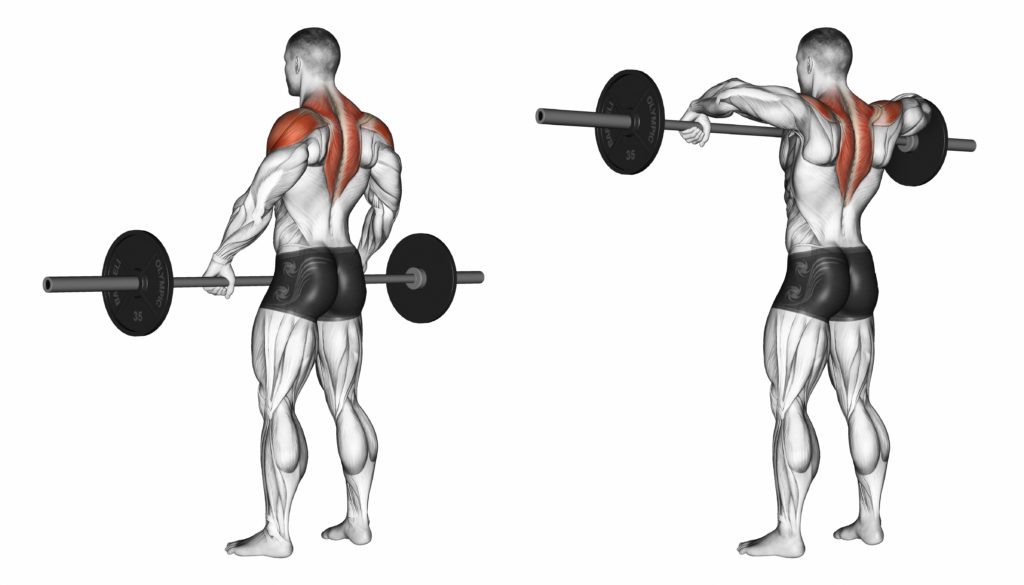
Pair dumbbell rows with exercises that target the front and side shoulders. Overhead presses, lateral raises, and front raises are good choices. This mix ensures all parts of the shoulder get worked. It also prevents muscle imbalances and reduces injury risk.
For example, start with dumbbell rows to warm up the rear delts. Then move to overhead presses for the front delts. Finish with lateral raises for the side delts. This order helps you hit every shoulder area effectively.
Sample Training Routines
Try a simple routine with dumbbell rows and other shoulder moves. Perform 3 sets of 10-12 reps for each exercise. Rest 30-60 seconds between sets.
- Dumbbell Rows
- Overhead Dumbbell Press
- Lateral Raises
- Front Raises
For a more advanced plan, increase sets to 4 and lower reps to 8-10. Add face pulls or reverse flyes to target smaller shoulder muscles. This routine builds strength and size evenly across the shoulders.
Tips For Muscle Growth
Building muscle with dumbbell rows requires more than just lifting weights. Following key tips helps your shoulders grow strong and toned. Focus on smart training and proper care to see good results.
Progressive Overload
Increase the weight or reps gradually over time. This challenges your shoulder muscles to grow. Avoid lifting the same weight for weeks. Small steps help muscles adapt and get stronger. Track your progress and push yourself safely.
Rest And Recovery
Muscles grow when you rest, not while you train. Give your shoulders time to recover after workouts. Aim for 48 hours between heavy sessions. Sleep well to support muscle repair. Proper recovery prevents injury and helps build strength.
Credit: learn.athleanx.com
Frequently Asked Questions
Do Dumbbell Rows Target Shoulder Muscles Effectively?
Dumbbell rows primarily work the back muscles, especially the lats and rhomboids. They engage the rear deltoids, a part of the shoulders, but are not a primary shoulder exercise.
Can Dumbbell Rows Improve Shoulder Strength?
Yes, dumbbell rows help improve shoulder stability and strength by activating rear deltoids. However, for overall shoulder strength, include dedicated shoulder exercises.
Are Dumbbell Rows Good For Shoulder Rehabilitation?
Dumbbell rows can aid shoulder rehab by strengthening the rear delts and upper back. Always consult a physical therapist before starting rehab exercises.
How Do Dumbbell Rows Affect Shoulder Posture?
Dumbbell rows improve shoulder posture by strengthening upper back and rear shoulder muscles. This helps counteract rounded shoulders and promotes better alignment.
Conclusion
Dumbbell rows mainly target your back muscles, not the shoulders. They help build strength in your upper back and arms. Your shoulders get some work, but it is limited. For stronger shoulders, try exercises made just for them. Still, dumbbell rows can support overall upper body fitness.
Combine them with shoulder-specific moves for best results. Keep your form right to avoid injury. Consistency matters most in any workout plan. Small steps bring steady progress.


