Are you looking to build stronger, firmer glutes but unsure if dumbbell squats are the right move? You might have heard different opinions about whether this simple exercise really targets your glute muscles effectively.
The truth is, dumbbell squats can be a game-changer for your lower body—but only if you do them the right way. You’ll discover how dumbbell squats work your glutes, common mistakes that hold you back, and tips to maximize your results.
Keep reading to unlock the secret to building the glutes you want with just a pair of dumbbells.
Benefits Of Dumbbell Squats
Dumbbell squats offer many benefits beyond just building muscle. They are simple to do and effective for improving body strength. Using dumbbells adds resistance, making your workout more challenging and productive. These squats help develop muscles in your lower body and improve your overall fitness.
Targeting The Glute Muscles
Dumbbell squats focus on the glute muscles deeply. Holding weights increases the effort your glutes must make. This helps shape and strengthen the buttocks. Strong glutes support better posture and reduce injury risk. These squats activate all parts of the glutes for balanced growth.
Enhancing Lower Body Strength
This exercise builds strength in legs, hips, and lower back. Dumbbells add weight, forcing muscles to work harder. Stronger legs improve daily activities like walking and climbing stairs. Enhanced lower body power helps in sports and other workouts. It also supports joint health and movement stability.
Improving Balance And Stability
Balancing dumbbells while squatting challenges your body’s control. This improves coordination and core strength. Better balance lowers the chance of falls and injuries. Stability gains help in other exercises and real-life movements. Dumbbell squats train your body to stay steady and strong.
Credit: www.nourishmovelove.com
Proper Dumbbell Squat Technique
Proper dumbbell squat technique is key to building strong glutes. It helps you target the right muscles safely. Using the correct form reduces injury risk and improves workout results. Focus on your body position and dumbbell weight to get the best effect.
Choosing The Right Dumbbell Weight
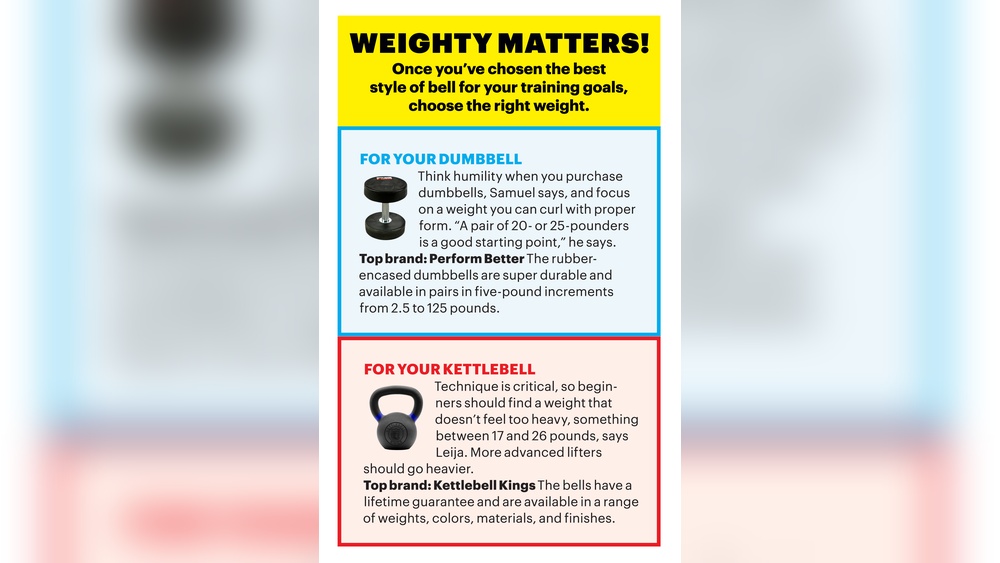
Select a dumbbell weight that challenges your muscles without straining. Start light to practice form. Gradually increase weight as your strength improves. Avoid using weights that cause pain or force poor posture. The right weight helps you engage glutes effectively.
Correct Body Positioning
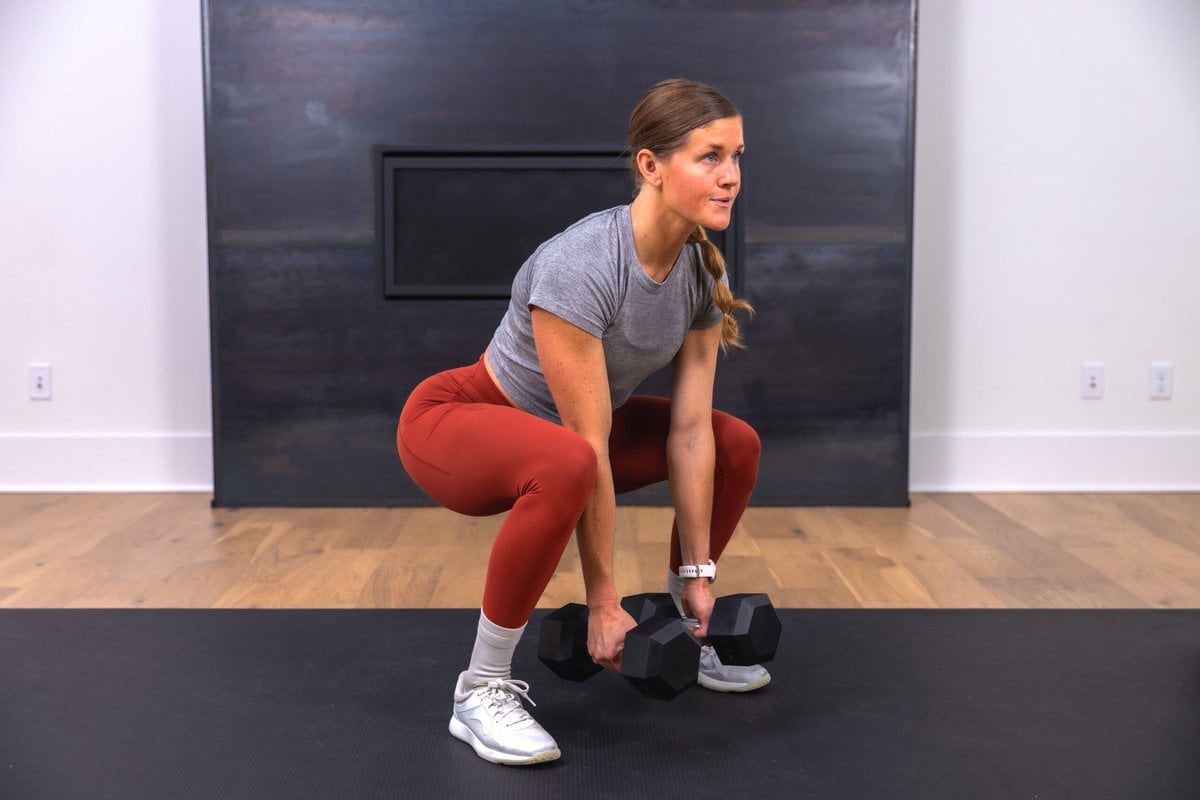
Stand with feet shoulder-width apart. Hold dumbbells by your sides. Keep your chest up and back straight. Push your hips back as you bend knees. Lower until thighs are parallel to the floor. Keep your knees aligned with your toes. Rise slowly to the start position. This posture activates the glutes and protects joints.
Common Form Mistakes To Avoid
Do not let knees collapse inward. Avoid leaning too far forward. Do not round your back. Avoid lifting your heels off the ground. Do not squat too shallow or too deep. These errors reduce glute activation and may cause injury. Focus on controlled, smooth movements instead.
Glute Activation Tips
Activating your glutes properly during dumbbell squats helps build stronger, rounder muscles. Many people do squats but do not fully engage their glutes. This reduces the workout’s effectiveness. Use simple tips to feel your glutes working. Focus on quality movement rather than speed or heavy weights. Better activation leads to better results.
Engaging The Glutes During Squats
Start by squeezing your glutes before you squat down. Keep the chest up and push your hips back. Avoid letting your knees go too far forward. As you rise, drive through your heels. This helps activate the glute muscles more than your quads. Keep your glutes tight throughout the entire movement.
Incorporating Mind-muscle Connection
Think about your glutes working during each squat. Visualize the muscles contracting as you move. This mental focus improves muscle activation. Slow down your movement to feel the tension. Avoid rushing through reps. Concentrate on the squeeze at the top of each squat.
Using Variations To Maximize Activation
Try different squat variations to target your glutes better. Sumo squats place more load on the outer glutes. Bulgarian split squats challenge each leg separately, increasing muscle engagement. Add a pause at the bottom of the squat. This pause increases time under tension and activates the glutes more.
Effective Dumbbell Squat Variations
Dumbbell squats offer many ways to target your glutes effectively. Different squat styles work your muscles in unique ways. Using variations can help build stronger, rounder glutes. Here are some of the best dumbbell squat variations to try.
Sumo Dumbbell Squats
Sumo squats have a wide stance with toes pointing out. This position targets the inner thighs and glutes more. Hold a dumbbell with both hands between your legs. Keep your back straight and lower your hips down. Push through your heels to stand back up. This move helps shape your glutes and hips well.
Goblet Squats
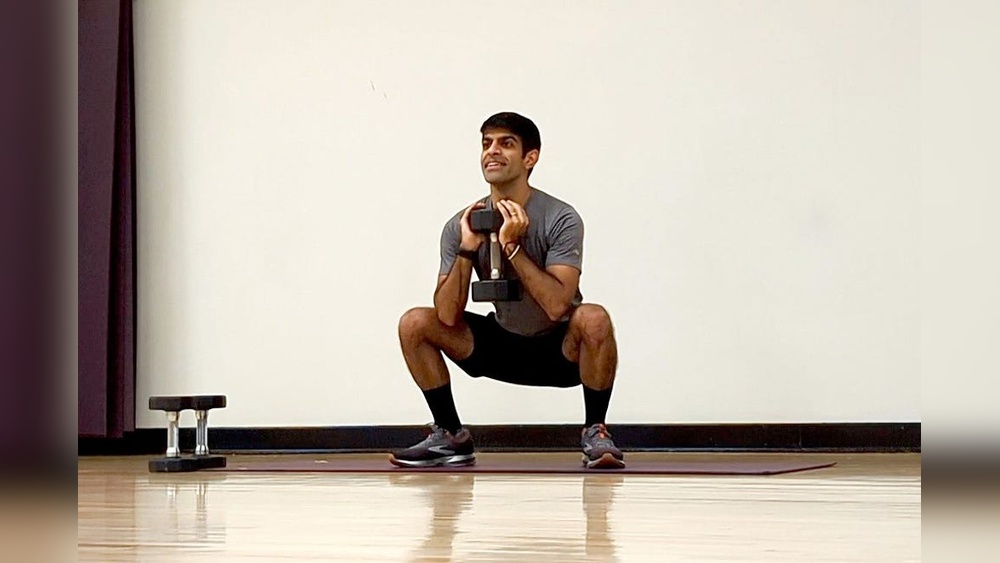
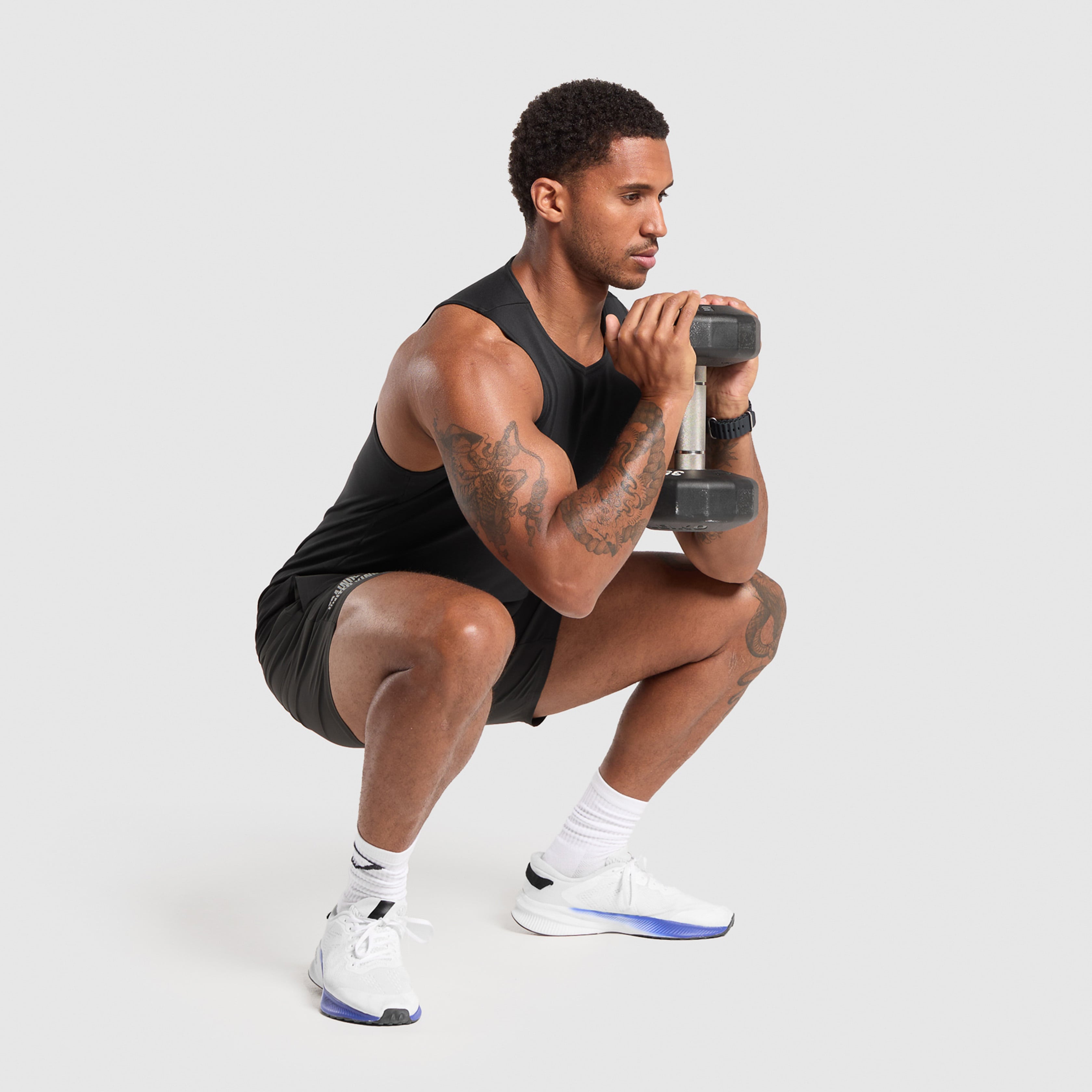
Goblet squats are simple and effective for glute growth. Hold one dumbbell close to your chest. Stand with feet shoulder-width apart. Squat down by bending your knees and hips. Keep your chest up and back straight. This form keeps your glutes engaged throughout the movement. It also helps improve balance and posture.
Bulgarian Split Squats
This squat variation works one leg at a time. Place your back foot on a bench or step. Hold dumbbells in each hand by your sides. Lower your body by bending the front knee. Keep your torso upright and core tight. Push through your front heel to rise. Bulgarian split squats build glute strength and improve stability.
Creating A Glute-focused Workout Plan
Creating a glute-focused workout plan helps you target and grow your glute muscles effectively. Dumbbell squats are a strong base for this plan. They work your glutes, thighs, and hips. Adding other exercises and smart training methods boosts your results.
Focus on exercises that activate the glute muscles deeply. Use the right number of reps and sets for muscle growth. Also, allow your body to rest properly to recover and build strength.
Combining Dumbbell Squats With Other Exercises
Dumbbell squats alone may not fully develop your glutes. Combine them with exercises like hip thrusts, lunges, and glute bridges. These moves target different parts of the glute muscles. This combination creates a more balanced and effective workout.
Try to include a mix of pushing and pulling exercises. This variety keeps your muscles challenged and growing.
Setting Reps And Sets For Growth
Choose a rep range of 8 to 12 for muscle growth. Perform 3 to 4 sets for each exercise. This volume helps stimulate the glute muscles without overtraining.
Use a weight that makes the last reps hard but doable. Gradually increase the weight or reps to keep improving.
Rest And Recovery Strategies
Rest is as important as training for muscle growth. Allow 48 hours of rest between intense glute workouts. This time lets muscles repair and grow stronger.
Include light stretching or walking on rest days. It helps blood flow and reduces soreness.
Credit: www.gymshark.com
Tracking Progress And Results
Tracking your progress is key to building strong glutes with dumbbell squats. It helps you see real changes and stay motivated. Without tracking, you might miss signs of improvement or areas needing work. Use simple methods to measure growth and adjust your workouts as you go. This way, you know your efforts are paying off.
Measuring Muscle Growth
Use a tape measure to track the size of your glutes. Measure around the widest part every two weeks. Take photos from the side and back for visual comparison. Notice changes in shape and firmness. These simple steps show muscle growth clearly over time.
Adjusting Workouts Over Time
Increase dumbbell weight gradually to challenge your muscles. Add more sets or reps as you get stronger. Change squat variations to target different glute areas. Track how your body reacts and adjust to avoid plateaus. Small changes keep your workouts effective and fresh.
Signs Of Effective Glute Development
Your glutes feel firmer and look more lifted. You notice better strength during daily activities. Squats become easier, and you can lift heavier dumbbells. Your hips and lower back feel more stable. These signs show your glute muscles are growing and getting stronger.

Credit: centromedicoloira.com
Frequently Asked Questions
Do Dumbbell Squats Effectively Target Glutes?
Yes, dumbbell squats effectively target the glutes by activating the muscle fibers. Holding dumbbells adds resistance, increasing muscle engagement and promoting growth.
How Many Dumbbell Squats Build Strong Glutes?
Perform 3 to 4 sets of 8 to 12 reps with proper form. Consistency and progressive overload are key for glute strength and development.
Can Dumbbell Squats Replace Barbell Squats For Glutes?
Dumbbell squats can build glutes but usually provide less load than barbell squats. They are a good alternative for beginners or those with joint issues.
What Form Ensures Maximum Glute Activation In Dumbbell Squats?
Keep your chest up, back straight, and squat deep. Push through your heels and squeeze glutes at the top for optimal muscle activation.
Conclusion
Dumbbell squats help build strong glutes effectively. They target the muscles well and improve tone. Using proper form is key to avoid injury. Consistency in workouts brings visible results over time. Combine squats with good nutrition for best gains. Keep challenging yourself by increasing weight gradually.
Your glutes will grow stronger and firmer. Simple exercises like this make a big difference. Stay patient and enjoy the progress you make.