Are you wondering if dumbbells can really help you build muscle? Maybe you’ve seen people at the gym lifting those small weights and wondered if they’re enough to get you stronger and more toned.
The truth is, dumbbells are powerful tools that can transform your body—but only if you use them the right way. You’ll discover how dumbbells work to build muscle, why they might be better than you think, and how you can get the best results from your workouts.
Keep reading, because what you learn here could change the way you train forever.
Benefits Of Dumbbell Training
Dumbbell training offers many benefits for building muscle. It allows for more natural movements. This leads to better muscle growth and strength. Dumbbells help target muscles in ways machines and barbells cannot. They fit well into any workout routine.
Here are some key benefits of using dumbbells in your training.
Improved Muscle Activation
Dumbbells require more effort from your muscles. Each arm works independently, forcing muscles to activate fully. This improves strength in smaller stabilizer muscles. It helps balance strength between both sides of your body. Overall, muscle activation increases with dumbbell exercises.
Enhanced Range Of Motion
Dumbbells allow for a greater range of motion than many machines. This helps muscles stretch and contract fully. A full range of motion improves muscle growth and flexibility. It also reduces the risk of injury during workouts. You can move your arms and wrists freely with dumbbells.
Balanced Muscle Development
Dumbbells prevent one side of the body from dominating. Each side works equally hard to lift the weight. This helps fix muscle imbalances and asymmetry. Balanced muscle development improves posture and reduces injury risk. Dumbbells encourage even strength and size gains.
Effective Dumbbell Exercises
Dumbbells are a simple tool that helps build muscle effectively. They allow many exercises that target different muscles. Using dumbbells can improve strength and shape your body. Here are some key exercises to try with dumbbells.
Chest Press Variations
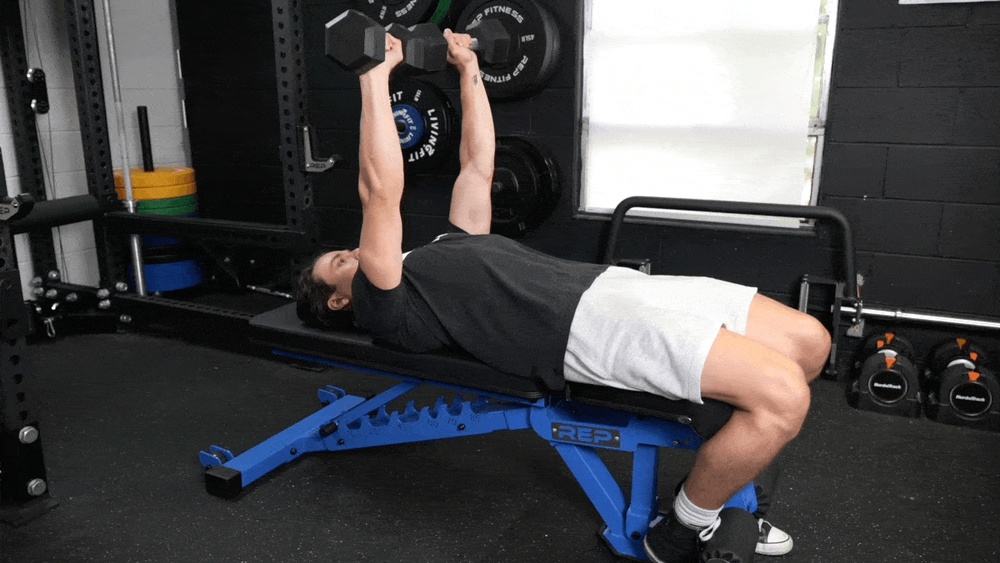
The chest press works the chest muscles well. Lie on a bench or the floor. Hold dumbbells above your chest with arms straight. Slowly lower the weights until your elbows bend at 90 degrees. Push the dumbbells back up to the start. Change hand positions to target muscles differently.
Dumbbell Rows For Back
Dumbbell rows strengthen the upper back and shoulders. Hold a dumbbell in each hand. Bend your knees slightly and lean forward at the waist. Pull the dumbbells toward your sides, squeezing your shoulder blades. Lower the weights slowly. Keep your back flat throughout the move.
Squats And Lunges
Squats and lunges build strong legs and glutes. Hold dumbbells by your sides for added resistance. For squats, bend your knees and lower your hips like sitting. Stand back up straight. For lunges, step forward and bend both knees. Push back to the start. Switch legs each time.
Shoulder Press Techniques
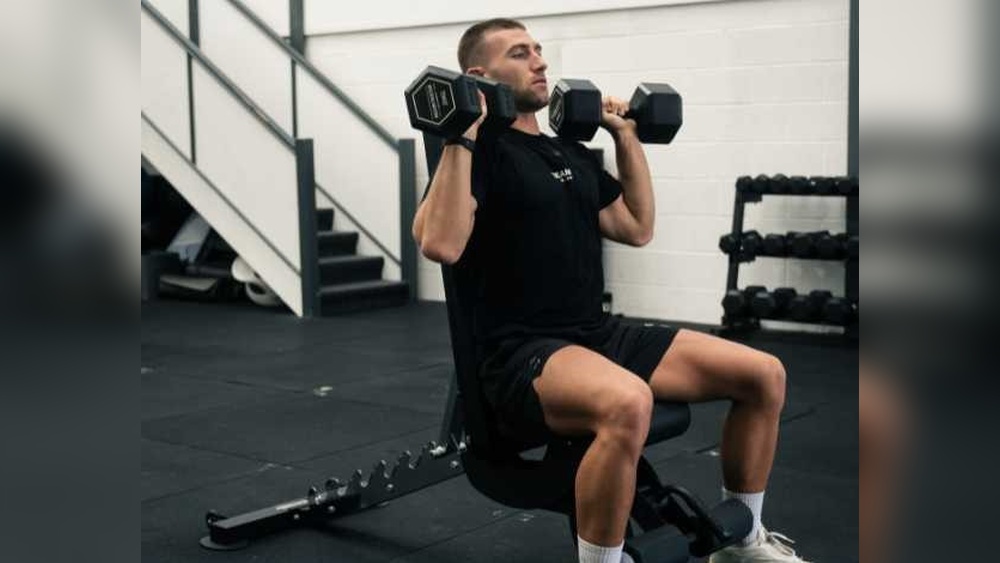
The shoulder press targets the shoulder muscles. Hold dumbbells at shoulder height with palms facing forward. Push the weights straight above your head until arms are fully extended. Lower the dumbbells back down slowly. Keep your core tight to protect your back.
Bicep And Tricep Moves
Building arm muscles requires bicep curls and tricep extensions. Hold dumbbells with palms facing forward. Curl the weights up toward your shoulders for biceps. For triceps, lift a dumbbell overhead with both hands. Bend your elbows to lower the weight behind your head. Straighten arms back up.
Designing A Muscle-building Routine
Designing a muscle-building routine with dumbbells requires careful planning. The right routine helps muscles grow stronger and bigger. It also prevents injury and keeps workouts effective. Understanding key factors like weight choice, sets, reps, and rest is crucial. These elements work together to create a balanced plan for muscle growth.
Each part of the routine influences muscle gains differently. Choosing the right weight ensures proper muscle challenge. Sets and reps control workout intensity and volume. Frequency and rest days allow muscles to recover and grow. Focusing on these areas leads to steady progress and better results.
Choosing The Right Weight
Select dumbbells that feel challenging but allow good form. Too light weights do not stress muscles enough. Too heavy weights can cause poor technique or injury. Aim for a weight you can lift 8 to 12 times. The last few reps should feel tough but doable.
Optimal Sets And Reps
Perform 3 to 4 sets per exercise for muscle growth. Each set should include 8 to 12 repetitions. This range helps increase muscle size and strength. Avoid doing too many reps with very light weights. Keep the focus on controlled, steady movements for best results.
Frequency And Rest Days
Train each muscle group 2 to 3 times a week. This frequency supports muscle building without overtraining. Rest days are essential for muscle repair and growth. Include at least one full rest day each week. Listen to your body and adjust rest as needed to avoid burnout.

Credit: www.youtube.com
Nutrition For Muscle Growth
Nutrition plays a key role in building muscle with dumbbells. Eating the right foods helps your body repair and grow stronger after workouts. Good nutrition supplies the energy and nutrients your muscles need to grow.
Without proper nutrition, muscles cannot recover well. This slows progress and reduces muscle gains. Focus on eating enough protein, calories, and possibly supplements to support muscle growth.
Protein Intake Guidelines
Protein is the building block of muscle. Aim for about 1.2 to 2.0 grams of protein per kilogram of body weight daily. Spread protein evenly across meals to help muscle repair. Good sources include chicken, fish, eggs, beans, and dairy. Protein shakes can help fill gaps in your diet.
Importance Of Calories
Calories fuel your workouts and muscle growth. Eat slightly more calories than you burn to gain muscle. This is called a calorie surplus. Focus on healthy foods like whole grains, fruits, vegetables, and healthy fats. Avoid too many empty calories from junk food. Track calories to ensure you eat enough but not too much.
Supplements To Consider
Supplements can support your diet but are not required. Creatine helps increase strength and muscle size. Whey protein powder is an easy way to boost protein intake. Branched-chain amino acids (BCAAs) may reduce muscle soreness. Always choose quality supplements and use them as part of a balanced diet.
Common Mistakes To Avoid
Building muscle with dumbbells is simple but mistakes can slow progress. Many people do not realize small errors can cause big problems. Avoiding these mistakes helps you gain muscle faster and safer. Focus on correct habits to get the most from dumbbell workouts.
Poor Form And Technique
Using dumbbells with bad form limits muscle growth. It can cause injuries too. Always keep your back straight and move weights slowly. Avoid swinging or using momentum. Control each movement for better muscle work. Ask for help or watch videos to learn right form.
Neglecting Progressive Overload
Muscles grow when they face more challenge over time. Using the same weight forever stops growth. Increase dumbbell weight or reps regularly. This forces muscles to adapt and get stronger. Track your progress to know when to add more weight.
Ignoring Recovery
Muscles need rest to grow after workouts. Training every day without breaks causes fatigue and injuries. Take at least one day off between sessions. Sleep well and eat protein to support muscle repair. Recovery is as important as training itself.
Credit: medium.com
Tracking Progress And Staying Motivated
Tracking progress and staying motivated are key for building muscle with dumbbells. Seeing improvements keeps you focused and eager to continue. Without tracking, it’s easy to lose direction or give up. Motivation can fade if you don’t notice gains.
Simple tools and clear goals help maintain progress. Small changes add up over time. Staying interested by varying workouts also supports growth and motivation.
Using Workout Logs
Writing down your exercises helps track strength and muscle gains. Note weights, reps, and sets each session. This record shows progress and highlights areas needing work. Reviewing logs boosts confidence and encourages steady effort. Workout logs prevent repeating the same routine without improvement.
Setting Realistic Goals
Goals guide your workout focus and measure success. Set clear, small goals like increasing dumbbell weight or reps weekly. Realistic targets avoid frustration and keep motivation high. Celebrate each achievement to build positive momentum. Goals provide purpose and structure to your muscle-building journey.
Incorporating Variety
Changing exercises keeps muscles challenged and prevents boredom. Use different dumbbell moves to target all muscle groups. Vary reps, sets, and weights to stimulate growth. New challenges maintain interest and improve overall strength. Variety helps you push past plateaus and stay motivated.

Credit: www.youtube.com
Frequently Asked Questions
Do Dumbbells Effectively Build Muscle Mass?
Yes, dumbbells effectively build muscle by providing resistance. They engage stabilizer muscles and allow a full range of motion, promoting balanced muscle growth and strength.
How Often Should I Use Dumbbells To Build Muscle?
Use dumbbells 3-4 times a week for muscle building. Consistent workouts with progressive overload help stimulate muscle growth effectively over time.
Can Dumbbells Replace Gym Machines For Muscle Growth?
Dumbbells can replace gym machines as they target muscles similarly. They offer versatility, improve coordination, and build strength efficiently without bulky equipment.
What Muscles Do Dumbbells Primarily Work?
Dumbbells target multiple muscles including arms, chest, back, shoulders, and legs. They activate stabilizing muscles, enhancing overall muscle development and functional strength.
Conclusion
Dumbbells help build muscle effectively with regular use. They allow you to work different muscles and improve strength. Using dumbbells lets you control your movements and avoid injuries. Consistency matters most in any workout plan. Keep challenging your muscles by increasing weight or reps.
Dumbbells fit well in home or gym exercises. They suit beginners and experienced lifters alike. Small steps lead to strong results over time. Choose dumbbells to support your muscle-building journey.