Are your boxing gloves feeling worn out or less protective than before? You might be wondering, “Do I need new boxing gloves?”
Choosing the right time to replace your gloves is more important than you think. Using old or damaged gloves can hurt your hands, affect your performance, and even lead to injuries. You’ll discover the key signs that show it’s time for new gloves and how the right pair can boost your training and confidence.
Keep reading to protect your hands and get the most from every punch.
When Gloves Lose Their Padding
Boxing gloves protect your hands by absorbing the impact of punches. Over time, the padding inside gloves breaks down. This loss reduces their ability to cushion blows. Training with worn-out padding can lead to injury. Recognizing when gloves lose their padding helps keep your hands safe.
Impact On Hand Protection
Padding softens the force of each punch. When it breaks down, your hands feel more strain. The bones and joints get less support. This raises the risk of sprains and fractures. Gloves without good padding fail to protect your wrists too. Protecting your hands means replacing gloves before damage happens.
Feeling Harder Strikes
Old padding makes punches feel sharper and harder. You notice more pain after hitting the bag or pads. Gloves that once felt soft now feel stiff and flat. This change means the gloves no longer absorb shocks well. Strikes become harsher on both your hands and your sparring partner.

Credit: www.fitkituk.com
Visible Wear And Tear
Visible wear and tear on boxing gloves shows how much they have been used. It affects your safety and performance in the ring. Checking for damage helps you decide if you need new gloves. Small problems can turn into big issues during a fight or training session. Always look closely at your gloves before every use.
Frayed Stitching
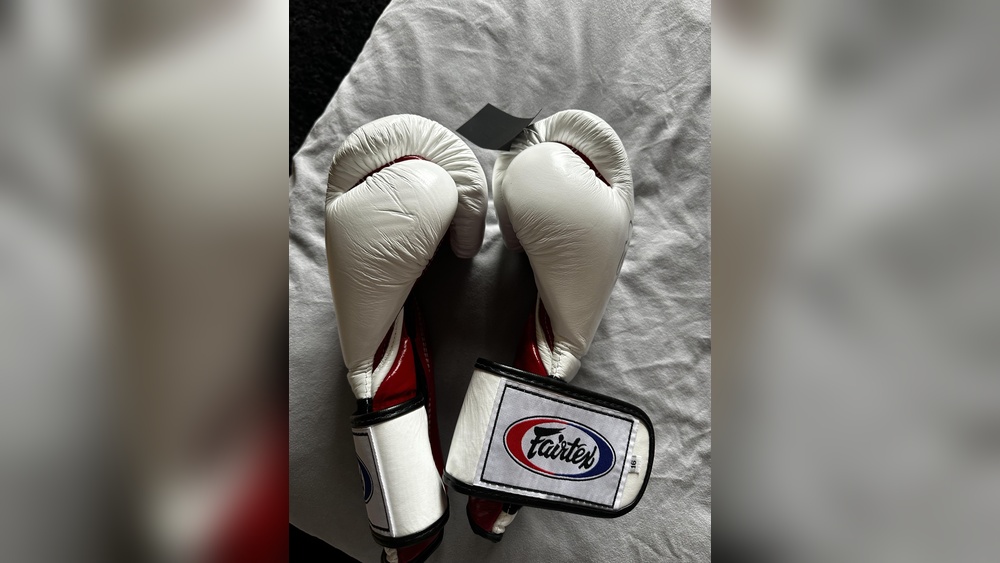
Stitching holds the gloves together. Frayed or loose stitches weaken the glove’s structure. This can cause padding to shift or fall out. It may also let the glove split open during use. Frayed stitching means your gloves are close to breaking. Replace them soon to avoid injury.
Cracked Leather Or Fabric
Leather or fabric protects your hands and absorbs impact. Cracks show that the material is drying out or aging. Cracked surfaces lose flexibility and padding support. They can cause discomfort or cuts on your skin. Gloves with cracked leather or fabric need replacement for safety.
Loose Or Broken Velcro
Velcro keeps your gloves tight and secure. Loose or broken Velcro makes the gloves slip during use. This reduces wrist support and control. It can lead to hand injuries or poor punches. Fix or replace gloves with faulty Velcro to protect yourself.
Discomfort During Use
Discomfort during use is a clear sign your boxing gloves might need replacement. Gloves that cause pain or irritation can affect your training and performance. Paying attention to these discomforts helps you avoid injuries and improves your boxing experience.
Reduced Fit And Support
Old gloves lose their shape and padding. This causes a loose fit that offers less wrist support. Your hands may move inside the gloves, increasing injury risk. Proper fit keeps your hands stable and protected during punches.
Unpleasant Odors
Persistent bad smells come from bacteria and sweat build-up. This indicates gloves are no longer clean or fresh. Odors can irritate your skin and distract you during training. New gloves feel cleaner and more comfortable to wear.
Excessive Sweating
Worn gloves often trap more heat and moisture. This causes your hands to sweat heavily and feel slippery inside. Excess sweat weakens glove materials and harms your grip. Gloves with good ventilation keep your hands dry and comfortable.
Changes In Training Style
Training style often changes as skills improve or goals shift. These changes can affect the type of boxing gloves needed. Gloves that worked well before might not suit new training routines. Paying attention to these shifts helps keep training safe and effective.
Switching To Higher Intensity Workouts
Higher intensity workouts require more protection and durability from gloves. Gloves that absorb shock better protect your hands during hard punches. You may need gloves with extra padding or stronger materials. This helps avoid injuries and keeps your hands comfortable. Old gloves might wear out faster with tougher training.
Need For Different Glove Weight Or Size
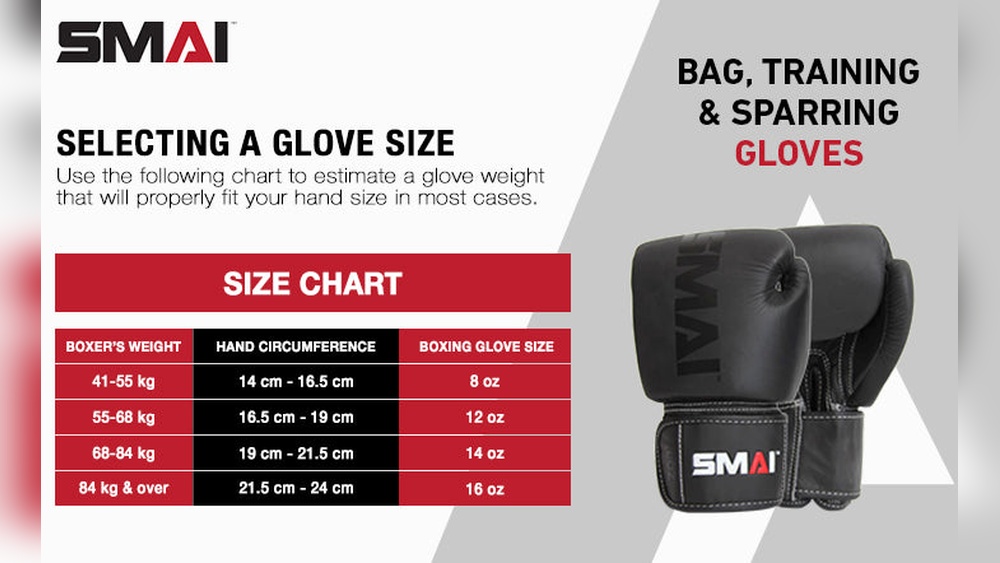
Different training types need different glove weights and sizes. Lighter gloves suit speed and technique drills. Heavier gloves build strength and endurance. Switching focus means switching glove specs. Using the wrong size can cause discomfort or limit movement. Choose gloves that match your new training goals for best results.
Health And Safety Concerns
Health and safety are top priorities when choosing boxing gloves. Old or worn-out gloves can cause serious problems. Gloves protect your hands and wrists from damage. Using the right gloves reduces risks during training or fights.
Preventing Hand Injuries
Boxing gloves cushion your knuckles and fingers. Worn gloves lose padding and shock absorption. This raises the chance of fractures and bruises. New gloves offer better protection for your bones and skin. Protect your hands to keep training safely.
Maintaining Wrist Stability
Strong wrist support prevents sprains and strains. Gloves with broken or loose straps fail to hold your wrist tightly. This can lead to painful injuries. New gloves keep your wrist steady and secure. Wrist stability helps you punch with confidence and control.
Credit: www.ebay.com
When To Replace Gloves For Hygiene
Knowing when to replace your boxing gloves is key for hygiene. Gloves trap sweat and bacteria inside. This creates a breeding ground for germs. Regularly changing gloves helps keep your hands safe and healthy.
Old gloves can smell bad and cause skin problems. Dirty gloves increase the risk of infections and rashes. Pay attention to signs like bad odor or worn padding. These signs mean it’s time to get new gloves.
Preventing Bacterial Build-up
Bacteria grow fast in warm, damp gloves. Sweat soaks into the padding and lining. This creates a perfect home for germs. Using antibacterial sprays or wipes helps but does not fully stop bacteria.
Let gloves dry completely after each use. Use glove deodorizers or silica packs to reduce moisture. Replace gloves if they start to smell or feel sticky. Clean gloves keep your hands free from infections.
Extending Glove Lifespan
Good care makes gloves last longer. Dry them after every training session. Avoid leaving gloves in your gym bag for days. Store gloves in a cool, dry place to prevent mold growth.
Use hand wraps to reduce sweat inside gloves. Wash hand wraps regularly to avoid transferring bacteria. Replace gloves when padding thins or seams tear. Proper care and timely replacement protect your health and investment.
Choosing The Right Replacement Gloves
Choosing the right replacement gloves matters for your training and safety. The right gloves protect your hands and boost your performance. Picking gloves that suit your needs helps you enjoy boxing more.
Material And Durability
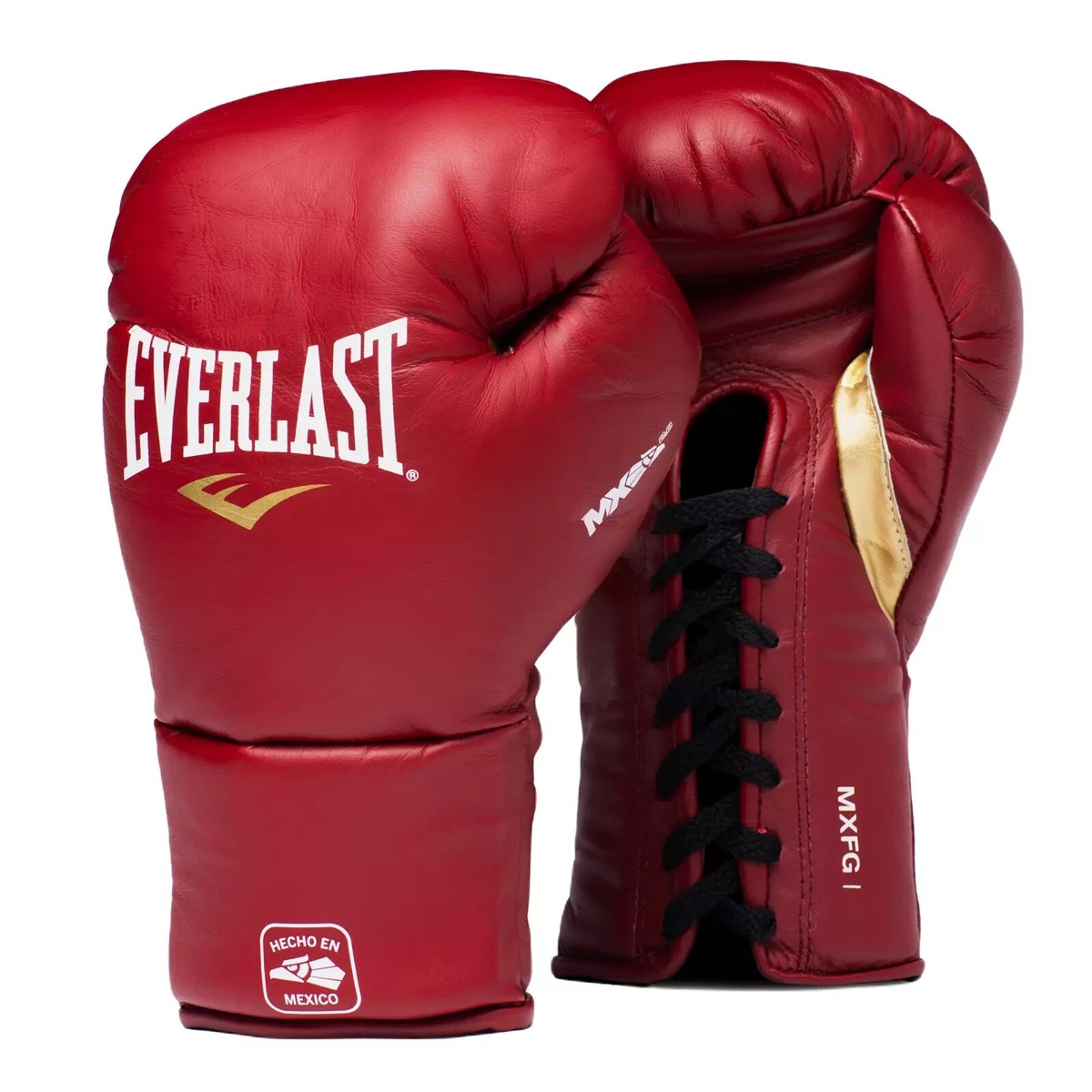
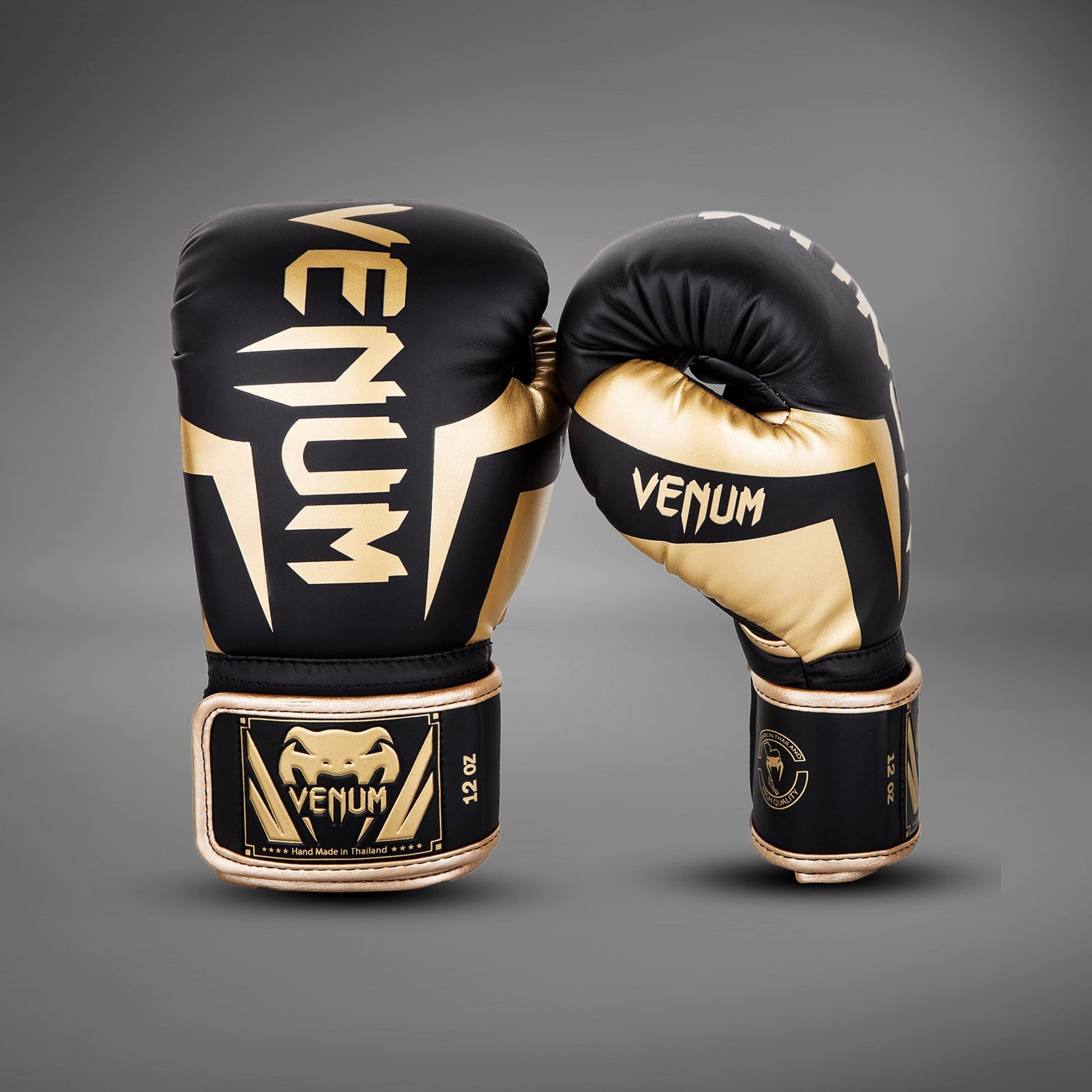
Gloves come in different materials like leather and synthetic options. Leather gloves last longer and offer better protection. Synthetic gloves cost less and are lighter but may wear out faster. Check the stitching and padding to ensure durability.
Comfort And Fit
Gloves must feel comfortable and fit well. Gloves that are too tight hurt your hands. Loose gloves make your punches less effective. Try on gloves to check the fit before buying. Look for good wrist support and enough padding for comfort.
Budget Considerations
Set a budget before choosing gloves. High-quality gloves cost more but last longer. Cheaper gloves work for beginners or light training. Balance price with durability and comfort. Avoid buying gloves that wear out quickly to save money in the long run.
Credit: www.venum.com
Frequently Asked Questions
How Often Should I Replace Boxing Gloves?
Replace boxing gloves every 6 to 12 months, depending on usage. Regular training wears out padding and stitching, reducing protection and comfort. If gloves smell bad or feel stiff, it’s time for new ones. Proper care can extend their lifespan.
What Are Signs My Boxing Gloves Need Replacement?
Look for torn seams, compressed padding, and unpleasant odor. Worn gloves provide less wrist support and hand protection. If gloves cause discomfort or skin irritation, consider buying new ones. Regular inspection helps prevent injuries during training.
Can Old Boxing Gloves Cause Injuries?
Yes, old gloves lose shock absorption and wrist support. This increases the risk of hand fractures and wrist sprains. Using worn-out gloves compromises safety during punches. Always use gloves in good condition to protect your hands.
Are There Benefits To Upgrading Boxing Gloves?
Upgrading improves comfort, protection, and durability. New gloves often feature better padding and ventilation. Modern designs enhance wrist stability and reduce fatigue. Investing in quality gloves can boost training performance and safety.
Conclusion
Choosing new boxing gloves depends on comfort and safety. Old gloves can lose padding and support. Worn-out gloves may cause hand pain or injury. New gloves help improve your training and performance. Check your gloves often for damage or wear.
Quality gloves protect your hands and wrists better. Don’t wait too long to replace them. Your hands deserve good care every time you box. Stay safe, stay strong.