Are you worried that lifting dumbbells might stop you from growing taller? You’re not alone.
Many people, especially teens, wonder if strength training could affect their height. The idea sounds scary, but is it true? You’ll discover the facts behind this common myth. By the end, you’ll know exactly how lifting dumbbells affects your body—and why it won’t stunt your growth like you might think.
Keep reading to clear up the confusion and make smart choices for your health and fitness.
Common Growth Myths
Many people worry that lifting dumbbells can stop their growth. These worries come from common myths about how the body grows. It is important to understand these myths to feel confident about exercise choices. Myths about growth often cause unnecessary fear.
Let’s explore some of the common growth myths. Understanding the truth helps you make better fitness decisions.
Origins Of The Dumbbell Myth
The idea that dumbbells stunt growth started long ago. Some adults believed heavy lifting could damage young bones. This fear passed from parents to children. It grew stronger without real proof.
Experts now say light to moderate dumbbell use is safe. It can even help build strong bones and muscles. Growth happens mostly through genetics and nutrition, not lifting weights.
Other Fitness Misconceptions
Many fitness myths confuse beginners. Some think stretching before exercise prevents all injuries. Others believe you must work out every day to grow muscles.
Rest and recovery are just as important as exercise. Another myth is that lifting weights always makes people bulky. In reality, muscle size depends on many factors, including diet and training style.
Understanding facts helps you avoid false worries. Safe and smart exercise supports healthy growth and fitness.
Credit: stayshredded.com.au
How Growth Works
Growth is a natural process that happens as the body develops. It involves many factors working together to help you get taller and stronger. Understanding how growth works can clear up myths about activities like lifting dumbbells.
Your height and development depend on several things. Genetics, nutrition, and hormones all play key roles. Each factor influences growth in its unique way.
Role Of Genetics
Genetics is the blueprint of your body. It decides how tall you will likely become. Genes come from your parents and shape your bone structure and growth patterns. No exercise can change your genetic code.
Impact Of Nutrition
Nutrition fuels your growth. Eating healthy foods provides the vitamins and minerals your body needs. Protein, calcium, and vitamins help build strong bones and muscles. Poor nutrition can slow down growth and delay development.
Influence Of Hormones
Hormones control many growth processes. Growth hormone, produced by the pituitary gland, signals bones to lengthen. Hormones also regulate muscle and tissue development. Balanced hormones support steady growth during childhood and adolescence.
Effects Of Dumbbell Lifting
Dumbbell lifting is a popular exercise for building strength. Many wonder about its effects on growth, especially in young people. Understanding how dumbbell lifting affects the body helps clear up common worries. This section explores the impact on bones, muscles, and growth plates.
Bone And Muscle Development
Dumbbell lifting helps strengthen bones and muscles. Bones grow stronger under regular stress. Muscles become thicker and more powerful with exercise. This process is natural and healthy for growing bodies. Proper lifting techniques support steady physical development.
Growth Plate Safety
Growth plates are areas of new bone growth in children. These plates are sensitive to injury. Lifting very heavy weights incorrectly may harm growth plates. Light to moderate dumbbell use, with good form, is safe. Supervision and guidance reduce the risk of damage.
Scientific Studies On Youth Training
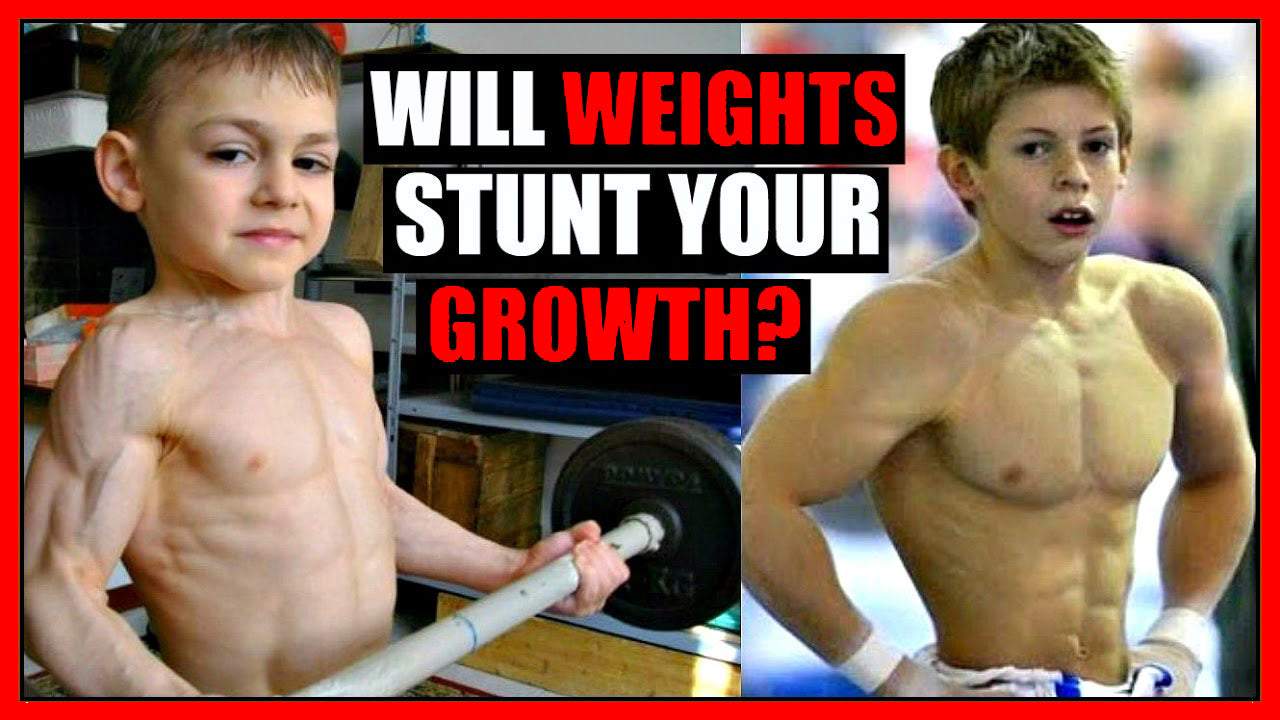
Research shows youth resistance training is generally safe. Studies find no link between moderate dumbbell lifting and stunted growth. Exercise programs designed for young people improve strength and coordination. Experts recommend supervised, age-appropriate training to protect health.

Credit: www.youtube.com
Safe Strength Training Tips
Safe strength training is important for young people who want to build muscle. It helps avoid injuries and supports healthy growth. Using the right methods ensures lifting dumbbells does not harm your body or stunt growth.
Here are key tips to keep strength training safe and effective for all ages.
Proper Technique
Learning the correct form is critical. It reduces the risk of injury and helps muscles grow properly. Start with light weights to practice moves slowly. Focus on smooth and controlled motions. Avoid quick or jerky lifts. Proper technique protects joints and bones during exercise.
Age-appropriate Workouts
Choose workouts that fit your age and body development. Young teens should avoid heavy weights. Use bodyweight exercises or light dumbbells instead. Gradually increase weight and intensity as strength improves. This approach supports safe muscle growth and does not harm bone growth.
Supervision And Guidance
Always train under adult supervision or with a coach. Guidance ensures exercises are done correctly. Trainers can spot mistakes and suggest safer methods. They also help create a balanced workout plan. Supervision reduces risk and promotes steady progress.
Benefits Beyond Growth
Many wonder if lifting dumbbells might stop their growth. The truth is, the benefits go far beyond height. Strength training helps your body and mind in many ways. It builds more than just muscles. It improves how you feel and function every day.
Improved Fitness
Lifting dumbbells makes your muscles stronger and more flexible. It helps improve your balance and coordination. Your heart gets healthier with regular exercise. This leads to better stamina and energy for daily tasks. Fitness is about feeling good and moving well.
Boosted Confidence
Seeing your strength grow builds your self-esteem. You feel proud of what your body can do. This confidence can help in school and social life. Working out helps reduce stress and anxiety. Feeling strong outside often means feeling strong inside.
Long-term Health
Regular strength training protects your bones and joints. It lowers the risk of injuries and illnesses later in life. Dumbbell exercises support a healthy weight and metabolism. They also improve posture and reduce back pain. Healthy habits now lead to a healthier future.

Credit: wildphysiofitness.au
Frequently Asked Questions
Does Lifting Dumbbells Stunt Growth In Teens?
No, lifting dumbbells does not stunt growth in teens. Proper weight training with good form supports healthy development. Avoiding heavy weights and focusing on technique reduces injury risks. Growth plates close naturally with age, unaffected by moderate strength training.
Can Dumbbell Workouts Affect Bone Growth Negatively?
Dumbbell workouts, when done correctly, promote bone strength. They stimulate bone density and support healthy growth. Improper form or excessive weight can cause injuries but do not directly affect bone growth. Supervision and age-appropriate exercises are key.
At What Age Is It Safe To Lift Dumbbells?
Children can start light dumbbell exercises around age 7 or 8. Focus on technique and low weights initially. Teenagers can gradually increase weight under supervision. Safety and proper guidance prevent injuries and support healthy muscle development.
Do Dumbbells Cause Early Growth Plate Closure?
No scientific evidence shows dumbbells cause early growth plate closure. Growth plates close due to natural aging, not exercise. Proper training and avoiding heavy loads during growth phases protect these areas. Always consult professionals for safe weight training routines.
Conclusion
Lifting dumbbells does not stunt your growth. Many studies show safe weight training helps build strength. Proper technique and supervision keep young lifters safe. Avoid lifting too heavy or with poor form. Growing bodies need good nutrition and rest too.
Exercise supports healthy bones and muscles. Remember, staying active is key to overall health. So, don’t fear dumbbells—they can be part of a balanced routine. Keep lifting smart, and grow strong every day.