
Are you looking to build stronger legs and tone your lower body? You might be wondering if adding dumbbells to your squats really makes a difference.
Squats are a classic move, but when you hold dumbbells, does it actually boost your results? Understanding how dumbbell squats work can help you get the most from your workouts and reach your fitness goals faster. Keep reading to discover why squats with dumbbells might be the game-changer your routine needs.
Credit: www.menshealth.com
Benefits Of Dumbbell Squats
Dumbbell squats offer many benefits for your body and fitness level. They help build muscle, improve balance, and increase strength. This exercise is simple but very effective.
You can do dumbbell squats anywhere with just a pair of dumbbells. They add weight to your squats, making your muscles work harder.
Muscle Groups Targeted
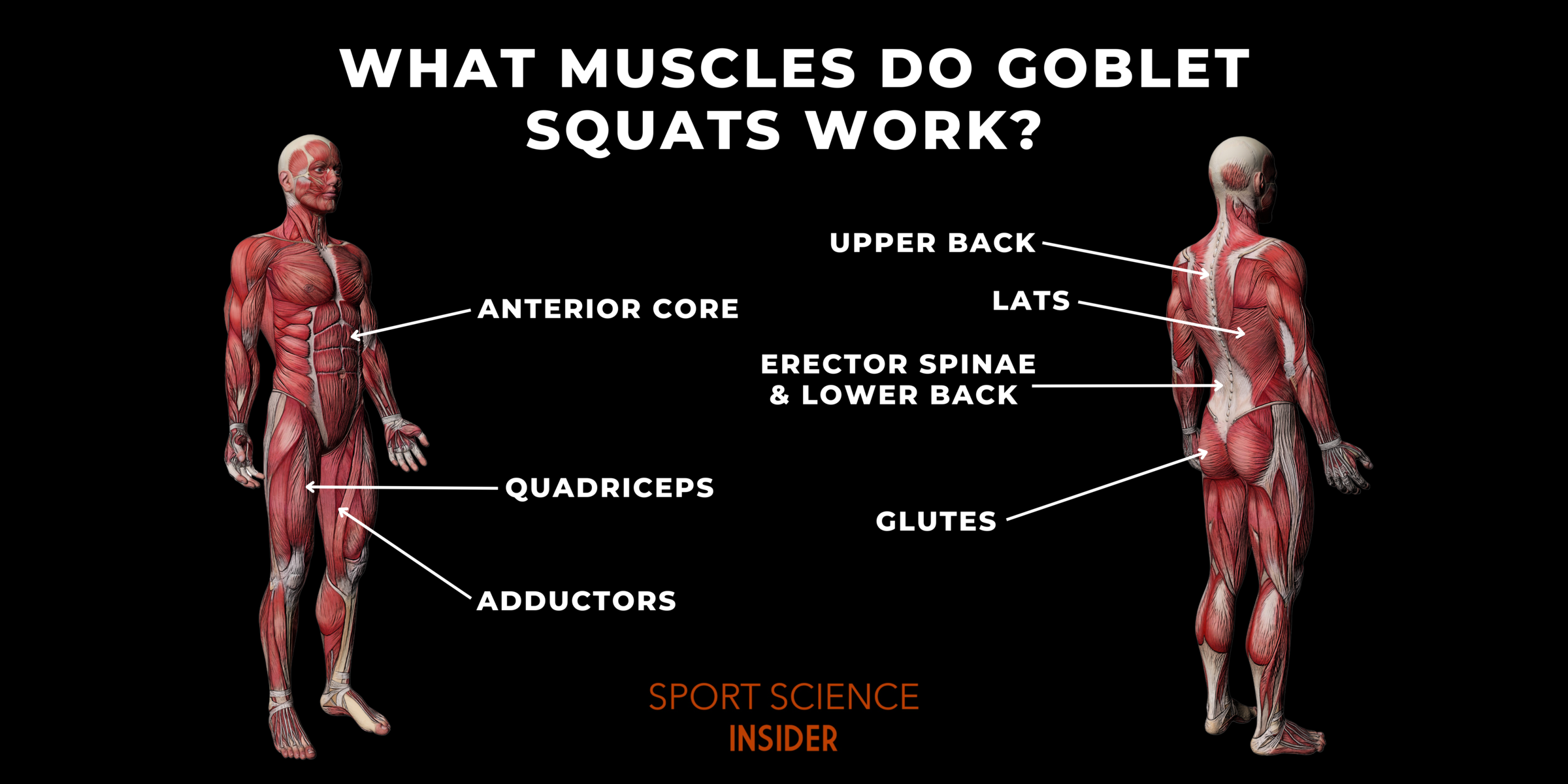
Dumbbell squats work several muscles at the same time. Your thighs, hips, and buttocks get the most work. The quadriceps in the front of your legs get stronger.
Your hamstrings and glutes also get a good workout. Holding dumbbells engages your arms and shoulders. Your core muscles tighten to keep balance.
Improved Balance And Stability
Holding dumbbells makes your body work harder to stay balanced. This helps improve your overall stability. Your core muscles become stronger and more engaged.
Better balance reduces the risk of falls and injuries. It also helps in daily activities and other workouts.
Increased Strength And Endurance
Dumbbell squats build strength in your legs and core. Over time, your muscles can lift heavier weights. This improves your endurance for longer workouts.
Stronger muscles also help with sports and physical tasks. Regular practice boosts your fitness and energy levels.
Credit: sportscienceinsider.com
How Dumbbell Squats Build Muscle
Dumbbell squats are a simple way to build muscle. Holding dumbbells adds weight, making your muscles work harder. This helps increase strength and size over time.
The movement targets many muscles in your legs and core. It also improves balance and stability. Using dumbbells allows for more control than a barbell.
Muscle Activation Mechanisms
Dumbbell squats activate the quadriceps, hamstrings, and glutes. These muscles contract to lift and lower your body. Holding dumbbells increases muscle tension.
Your core muscles engage to keep your body stable. This helps improve posture and balance. Muscle fibers grow stronger with repeated stress.
Progressive Overload With Dumbbells
Progressive overload means adding more weight or reps over time. Dumbbells let you increase weight gradually. This challenges muscles and forces growth.
You can also add more sets or reps. This keeps your muscles adapting and growing. Consistency is key for steady progress.
Role Of Form And Technique
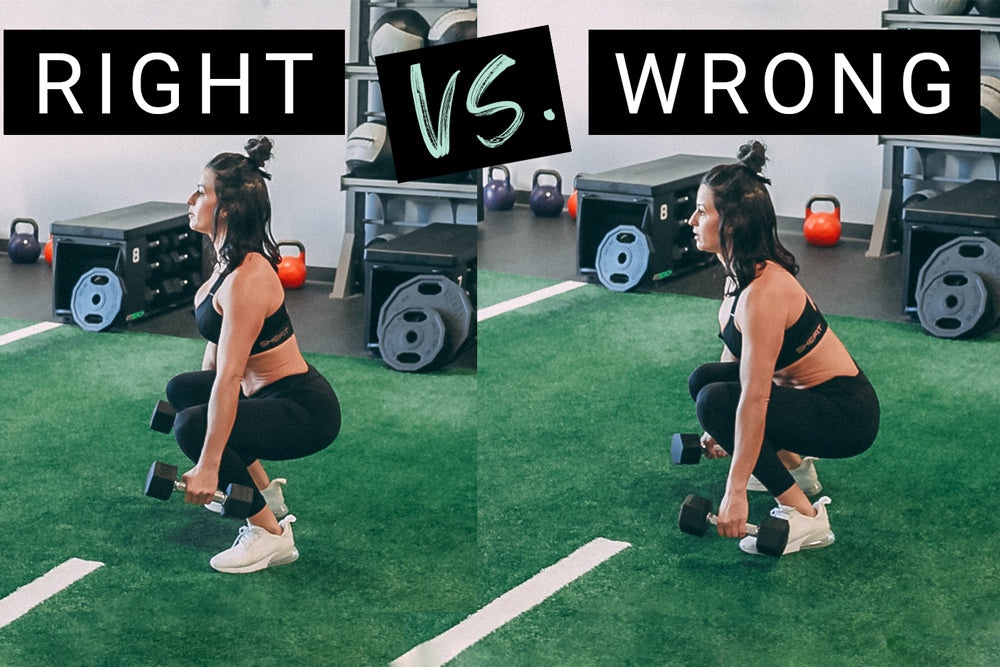
Good form prevents injury and targets muscles well. Keep your back straight and chest up. Lower yourself slowly and push through your heels.
Hold dumbbells firmly and close to your body. Controlled movements improve muscle activation. Proper technique makes every squat effective.
Choosing The Right Dumbbells
Choosing the right dumbbells matters for effective squat workouts. The correct dumbbells improve form and boost results. Select dumbbells that match your strength and workout goals. The wrong weight can cause poor technique or injury. Learn about weight options and types to find the best fit for you.
Weight Selection Tips
Start with light dumbbells. Test your strength with a few reps. You should feel effort but still control your movement. Avoid weights that make your form shaky. Increase weight gradually as you get stronger. Choose dumbbells that challenge you without causing pain. Proper weight helps build muscle safely.
Types Of Dumbbells
There are various dumbbells for workouts. Cast iron dumbbells are durable and simple. Neoprene-coated dumbbells offer a better grip and comfort. Rubber dumbbells protect floors from damage. Choose types based on comfort, grip, and workout space. The right type improves your exercise experience.
Adjustable Vs Fixed Weights
Adjustable dumbbells save space and money. You can change weight plates quickly. Fixed dumbbells come in set weights. They are easy to use and more stable. Choose adjustable dumbbells for variety in workouts. Fixed dumbbells suit those who prefer simplicity. Both types work well for squats.
Proper Dumbbell Squat Form
Proper dumbbell squat form is key for safe and effective workouts. Using dumbbells adds resistance and helps build strength. Good form protects your knees and back from injury. It also ensures you target the right muscles. Follow these steps to perform dumbbell squats correctly.
Starting Position
Stand with feet shoulder-width apart. Hold a dumbbell in each hand. Let your arms hang by your sides. Keep your chest up and shoulders back. Engage your core muscles for stability. Look straight ahead to maintain balance.
Squatting Technique
Begin by bending your knees and hips. Push your hips back like sitting in a chair. Keep your weight on your heels. Lower yourself until your thighs are parallel to the floor. Make sure your knees do not go past your toes. Pause briefly at the bottom. Then, push through your heels to stand up.
Common Mistakes To Avoid
Avoid letting your knees collapse inward. Do not round your back or lean forward. Avoid lifting your heels off the ground. Do not squat too shallow or too deep. Keep your neck neutral and avoid looking down. Use a weight you can control easily.
Variations Of Dumbbell Squats
Dumbbell squats are a versatile exercise that targets many muscles. Changing the way you hold or place the dumbbells shifts the focus. This helps work different muscles and prevents workout boredom.
Try these variations to find what suits your body and goals. Each type has unique benefits and challenges. They help build strength, balance, and flexibility.
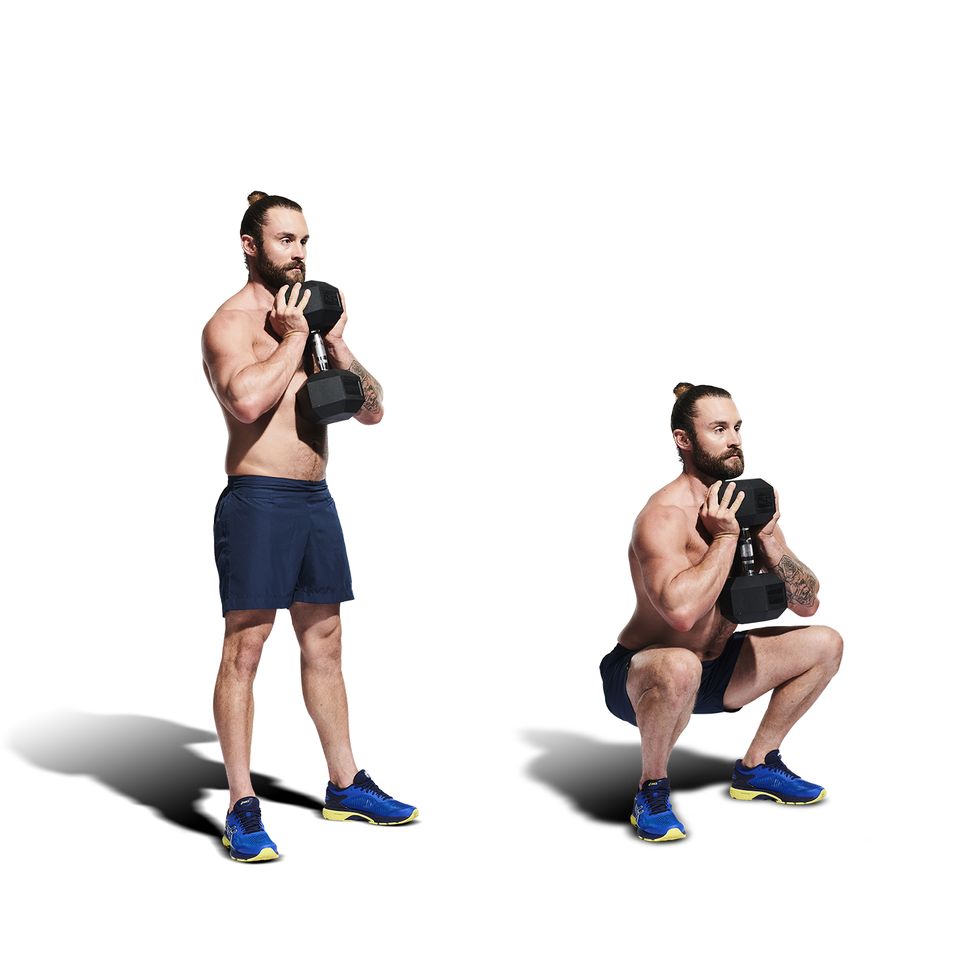
Goblet Squats
Hold one dumbbell close to your chest with both hands. Keep your elbows pointing down as you squat. This position helps maintain good posture and balance. Goblet squats focus on your quads and core muscles. They are great for beginners and improve squat form.
Split Squats
Stand with one foot forward and the other foot back. Hold a dumbbell in each hand by your sides. Lower your hips straight down between your legs. Split squats work one leg at a time, improving balance and strength. They target the quads, glutes, and hamstrings deeply.
Sumo Squats
Stand with feet wider than shoulder-width and toes pointing out. Hold a dumbbell with both hands straight down between your legs. Squat down, pushing your knees out to match your toes. Sumo squats focus on inner thighs and glutes. This variation helps improve hip flexibility and strength.
Integrating Dumbbell Squats Into Workouts
Dumbbell squats add strength and balance to your workout. They target legs, glutes, and core muscles. Using dumbbells increases resistance and helps build muscle. You can fit dumbbell squats into many workout styles. Here are ways to include them effectively.
Sample Muscle Gain Routine
Start with a warm-up to prepare your muscles. Use moderate weight dumbbells for 3 sets of 10-12 reps. Rest 60 seconds between sets. Focus on slow, controlled movements. After squats, add lunges or step-ups for variety. End with stretching to avoid soreness.
Frequency And Volume Recommendations
Perform dumbbell squats 2 to 3 times per week. Allow at least one rest day between sessions. Do 3 to 4 sets per workout. Aim for 8 to 12 repetitions per set for muscle growth. Increase dumbbell weight gradually to keep challenging muscles.
Combining With Other Exercises
Pair dumbbell squats with upper body exercises. Try push-ups, rows, or overhead presses. Combine with core work like planks or Russian twists. This creates a balanced full-body workout. It improves strength and endurance evenly.
Nutrition For Muscle Growth
Nutrition plays a key role in building muscle after doing squats with dumbbells. Eating the right foods helps muscles repair and grow stronger. Without proper nutrition, workouts alone won’t give the best results.
Muscle growth needs more than just exercise. The body requires fuel and building blocks from food. This section explains how to eat for muscle growth.
Protein Intake
Protein is the main nutrient for muscle repair. Muscles need protein to fix tiny tears caused by exercise. Good sources include chicken, fish, eggs, and beans. Aim for 1.2 to 2 grams of protein per kilogram of body weight daily. Spread protein intake across meals to help muscles recover all day.
Caloric Surplus Importance
Eating more calories than you burn supports muscle growth. This extra energy allows the body to build new muscle tissue. Focus on healthy calories from whole foods like fruits, vegetables, and whole grains. Avoid too much junk food. A small surplus of 250 to 500 calories daily works well for most people.
Supplement Options
Supplements can help fill nutrition gaps. Whey protein powder is a popular choice to boost protein intake. Creatine supports strength and muscle size. Vitamins like D and B12 help overall health. Use supplements to support food, not replace it.
Tracking Progress And Adjustments
Tracking your progress and making adjustments is key to success with dumbbell squats. It helps you see real improvements and avoid injury. Keeping a record motivates you and guides your workout changes.
Monitoring Strength Gains
Track how much weight you lift each session. Note the number of reps you complete. Watch for steady increases in strength over time. Small gains show your muscles are getting stronger.
Adjusting Weight And Reps
Change weight or reps based on your progress. Add more weight when reps feel easy. Reduce reps if the weight becomes too heavy. Find a balance that challenges your muscles safely.
Overcoming Plateaus
Plateaus happen when progress stalls. Try changing your workout routine or rest days. Increase sets or vary your squat speed. These changes push your body to grow again.
Safety Tips And Injury Prevention
Doing squats with dumbbells can build strength effectively. Safety is very important to avoid injuries. Simple steps help protect your body during exercise. Follow these tips to stay safe and get the best results.
Warm-up Routines
Start with light cardio like walking or jogging. This increases blood flow to muscles. Do dynamic stretches for legs and hips. Leg swings and lunges prepare muscles for squats. Warm muscles reduce risk of strains and pulls.
Proper Breathing Techniques
Breathe in deeply before lowering your body. Exhale slowly as you push back up. This keeps your core tight and stable. Proper breathing helps maintain balance and control. Avoid holding your breath during the movement.
When To Rest Or Seek Help
Stop if you feel sharp pain or discomfort. Take breaks between sets to recover muscles. Rest days are important for muscle repair. Consult a trainer or doctor if pain continues. Early help prevents serious injuries and delays.
Credit: shefit.com
Frequently Asked Questions
Do Squats With Dumbbells Build Muscle Effectively?
Yes, squats with dumbbells effectively build muscle. They target the legs, glutes, and core. Adding weights increases resistance, promoting muscle growth and strength.
Are Dumbbell Squats Better Than Bodyweight Squats?
Dumbbell squats offer more resistance than bodyweight squats. This leads to improved muscle strength and endurance. Both forms are beneficial, but dumbbells add intensity.
How Often Should I Do Dumbbell Squats Weekly?
Perform dumbbell squats 2-3 times weekly for best results. Allow rest days for muscle recovery. Consistency helps improve strength and muscle tone.
Can Dumbbell Squats Improve Balance And Stability?
Yes, dumbbell squats enhance balance and stability. Holding weights challenges your core and coordination. This improves overall body control and posture.
Conclusion
Squats with dumbbells build strength and tone muscles well. They work your legs, hips, and core together. Using dumbbells adds resistance and helps you get better results. You can do them almost anywhere, making workouts easy and flexible. Remember to keep good form to avoid injury.
Start with light weights and increase gradually. Squats with dumbbells fit many fitness levels and goals. Give them a try to add variety to your routine. Small steps lead to big improvements over time. Stay consistent, and you will see progress.


